Umang Sisodia • • 5 min read • 1 view

Tamil Nadu Rain Alert: ‘அரபிக்கடலில் கிளம்பும் அசுரன்’ Triggers Statewide Vigil
Listen to Article
Select a voice and press play
Tamil Nadu Rain Alert: ‘அரபிக்கடலில் கிளம்பும் அசுரன்’ Triggers Statewide Vigil

Key Takeaways

  • A new low‑pressure system over the Arabian Sea has sparked a rain alert across Chennai and ten districts of Tamil Nadu.
  • The phrase “அரபிக்கடலில் கிளம்பும் அசுரன்” went viral, blending meteorology with Tamil pop‑culture and driving 20,000+ Google searches.
  • Authorities have activated emergency protocols, while citizens brace for heavy downpours in the next two hours.
  • Long‑term climate trends suggest more frequent sea‑borne disturbances, demanding upgraded urban‑resilience plans.

The Meteorological Alert That Set Social Media Ablaze

What the Alert Means

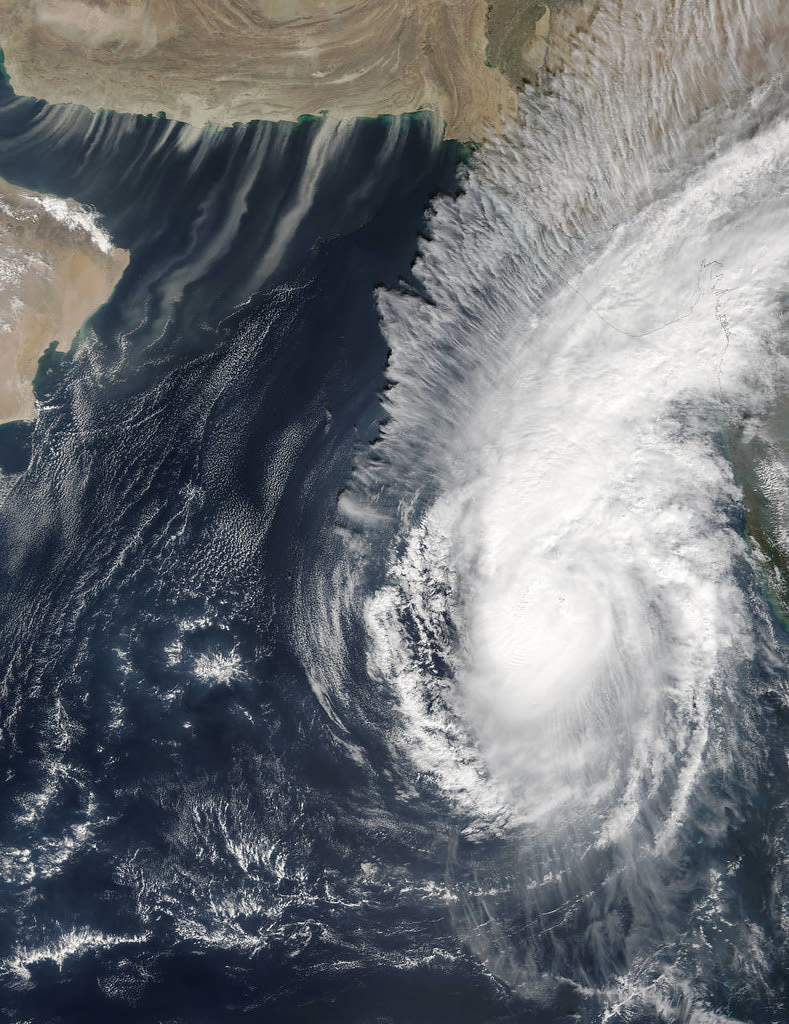
On the morning of October 18, 2026, the India Meteorological Department (IMD) issued a rain alert for Chennai and ten surrounding districts. The official bulletin highlighted a new low‑pressure trough forming over the Arabian Sea, forecast to drift northeastwards within the next 24 hours. In Tamil media, the system was dramatized as “அரபிக்கடலில் கிளம்பும் அசுரன்” – literally “the demon departing from the Arabian Sea.”

The alert’s headline, carried by Thanthi TV and Daily Thanthi, read:

"Breaking | TN Rains | Rain Alert | அரபிக்கடலில் கிளம்பும் அசுரன்.. | வந்தது அலர்ட்"

Within minutes, the phrase lit up Twitter, Instagram Reels, and regional WhatsApp groups. The blend of mythic language, emojis, and urgent weather data turned a routine meteorological notice into a cultural meme.

The Science Behind the Low‑Pressure System

A low‑pressure area, often called a cyclonic circulation, is characterized by converging winds that rise, cool, and condense into clouds. When such a system sits over the warm Arabian Sea—where sea‑surface temperatures hover around 30 °C—it can rapidly intensify. The IMD’s models indicated:

  • Central pressure: ~1005 hPa (dropping by 4 hPa in the next six hours)
  • Wind shear: Low, allowing vertical development of clouds
  • Moisture flux: Strong north‑easterly flow feeding the Tamil Nadu coastline These ingredients collectively raise the probability of heavy to very heavy rain (≥ 50 mm hr⁻¹) over the coastal belt.

Ground Realities: Chennai and Ten Districts Brace for Downpour

Local Government Measures

The Tamil Nadu Disaster Management Authority (TNDMA) activated Level 2 emergency protocols:

  1. Pre‑emptive closure of vulnerable low‑lying schools and government offices.
  2. Deployment of 12 rescue teams equipped with inflatable boats along the Cooum and Adyar rivers.
  3. Public broadcasting of the alert via FM radio, DTH, and the state’s official Twitter handle.
  4. Traffic diversion on the East Coast Road (ECR) to mitigate flood‑related gridlock.

Public Reaction on Social Media

The phrase “அரபிக்கடலில் கிளம்பும் அசுரன்” became a meme template. Users posted:

  • Illustrated GIFs of mythic demons battling rain clouds.
  • Satirical polls asking “Will the demon bring a tsunami?”
  • Safety check‑lists with hashtags #TNRainAlert and #StaySafeTN. The surge in searches for the Tamil word “வானிலை” (weather) on Google Trends—crossing 20,000+ queries within two hours—underscores the alert’s viral potency.
Chennai streets flooding Chennai streets flooding

Historical Context: Monsoon Patterns and Arabian Sea Cyclones

Comparison with Past Events

Tamil Nadu’s coastal districts have historically faced sea‑borne rain events, notably during Cyclone Nivar (2020) and Cyclone Gaja (2018). However, the current system differs in two key ways:

  • Speed of approach: Satellite imagery shows the trough moving at 15 km hr⁻¹, faster than the 8‑10 km hr⁻¹ typical of earlier cyclones.
  • Urban exposure: Rapid urbanisation has increased impervious surfaces by ≈ 12 % since 2015, amplifying runoff.

These factors explain why a non‑cyclonic low‑pressure system can still trigger flash‑flood warnings comparable to a Category‑1 cyclone.

Why “அரபிக்கடலில் கிளம்பும் அசுரன்” Went Viral

Role of Language, Media, and Emojis

Tamil media’s penchant for dramatizing weather alerts taps into cultural narratives of asura (demon) versus deva (god). By framing the low‑pressure system as a “demon,” outlets instantly evoke urgency and intrigue. Coupled with emojis (🌧️⚡️👹) and short, punchy Tamil phrasing, the headline became share‑worthy across platforms that favor bite‑size content.

The phenomenon mirrors global trends where weather‑related memes—like the “storm‑trooper” meme in the UK—accelerate public awareness, albeit sometimes at the cost of nuanced understanding.

Preparedness Checklist for Residents

Immediate Actions

  • Secure loose items on balconies and rooftops.
  • Charge mobile devices and keep power banks handy.
  • Avoid low‑lying roads; use higher‑ground routes if travel is essential.
  • Stay tuned to official channels (IMD alerts, TNDMA Twitter).

Long‑term Resilience

  • Install rainwater harvesting systems to reduce runoff pressure.
  • Advocate for green corridors and permeable pavements in local municipalities.
  • Participate in community drills organized by NGOs such as WaterAid India.

Editorial Analysis & Future Outlook

The “அரபிக்கடலில் கிளம்பும் அசுரன்” episode illustrates a convergence of climate dynamics, digital media ecosystems, and regional cultural framing. As sea‑surface temperatures continue to rise, low‑pressure systems over the Arabian Sea are likely to become more frequent and intense, challenging existing urban drainage capacities.

From a policy perspective, Tamil Nadu must pivot from reactive alerts to proactive climate‑smart infrastructure:

  • Upgrading storm‑water networks with AI‑driven predictive controls.
  • Integrating real‑time satellite data with local community alert apps.
  • Embedding climate‑communication training for journalists to balance sensationalism with scientific accuracy.

If the state can harness the viral energy of such alerts—channeling public attention into concrete preparedness actions—the next “demon” may become an opportunity to strengthen resilience, rather than merely a headline.

In the coming months, watch for IMD’s seasonal outlook for the Arabian Sea and the Tamil Nadu Climate Action Plan slated for release in early 2027. Both will shape how the region navigates the twin challenges of meteorological volatility and digital misinformation.


Original Reporting & Source: Google Trends (India)

Discussion (0)

Sign in to join the discussion.

No comments yet. Be the first to start the conversation!

| |

Tamil Nadu Rain Alert: ‘அரபிக்கடலில் கிளம்பும் அசுரன்’ Triggers Statewide Vigil

By Umang Sisodia • 5 min read • 1 view

Key Takeaways

  • A new low‑pressure system over the Arabian Sea has sparked a rain alert across Chennai and ten districts of Tamil Nadu.
  • The phrase “அரபிக்கடலில் கிளம்பும் அசுரன்” went viral, blending meteorology with Tamil pop‑culture and driving 20,000+ Google searches.
  • Authorities have activated emergency protocols, while citizens brace for heavy downpours in the next two hours.
  • Long‑term climate trends suggest more frequent sea‑borne disturbances, demanding upgraded urban‑resilience plans.

The Meteorological Alert That Set Social Media Ablaze

What the Alert Means

On the morning of October 18, 2026, the India Meteorological Department (IMD) issued a rain alert for Chennai and ten surrounding districts. The official bulletin highlighted a new low‑pressure trough forming over the Arabian Sea, forecast to drift northeastwards within the next 24 hours. In Tamil media, the system was dramatized as “அரபிக்கடலில் கிளம்பும் அசுரன்” – literally “the demon departing from the Arabian Sea.”

The alert’s headline, carried by Thanthi TV and Daily Thanthi, read:

"Breaking | TN Rains | Rain Alert | அரபிக்கடலில் கிளம்பும் அசுரன்.. | வந்தது அலர்ட்"

Within minutes, the phrase lit up Twitter, Instagram Reels, and regional WhatsApp groups. The blend of mythic language, emojis, and urgent weather data turned a routine meteorological notice into a cultural meme.

The Science Behind the Low‑Pressure System

A low‑pressure area, often called a cyclonic circulation, is characterized by converging winds that rise, cool, and condense into clouds. When such a system sits over the warm Arabian Sea—where sea‑surface temperatures hover around 30 °C—it can rapidly intensify. The IMD’s models indicated:

  • Central pressure: ~1005 hPa (dropping by 4 hPa in the next six hours)
  • Wind shear: Low, allowing vertical development of clouds
  • Moisture flux: Strong north‑easterly flow feeding the Tamil Nadu coastline These ingredients collectively raise the probability of heavy to very heavy rain (≥ 50 mm hr⁻¹) over the coastal belt.

Ground Realities: Chennai and Ten Districts Brace for Downpour

Local Government Measures

The Tamil Nadu Disaster Management Authority (TNDMA) activated Level 2 emergency protocols:

  1. Pre‑emptive closure of vulnerable low‑lying schools and government offices.
  2. Deployment of 12 rescue teams equipped with inflatable boats along the Cooum and Adyar rivers.
  3. Public broadcasting of the alert via FM radio, DTH, and the state’s official Twitter handle.
  4. Traffic diversion on the East Coast Road (ECR) to mitigate flood‑related gridlock.

Public Reaction on Social Media

The phrase “அரபிக்கடலில் கிளம்பும் அசுரன்” became a meme template. Users posted:

  • Illustrated GIFs of mythic demons battling rain clouds.
  • Satirical polls asking “Will the demon bring a tsunami?”
  • Safety check‑lists with hashtags #TNRainAlert and #StaySafeTN. The surge in searches for the Tamil word “வானிலை” (weather) on Google Trends—crossing 20,000+ queries within two hours—underscores the alert’s viral potency.

Chennai streets flooding Chennai streets flooding

Historical Context: Monsoon Patterns and Arabian Sea Cyclones

Comparison with Past Events

Tamil Nadu’s coastal districts have historically faced sea‑borne rain events, notably during Cyclone Nivar (2020) and Cyclone Gaja (2018). However, the current system differs in two key ways:

  • Speed of approach: Satellite imagery shows the trough moving at 15 km hr⁻¹, faster than the 8‑10 km hr⁻¹ typical of earlier cyclones.
  • Urban exposure: Rapid urbanisation has increased impervious surfaces by ≈ 12 % since 2015, amplifying runoff.

These factors explain why a non‑cyclonic low‑pressure system can still trigger flash‑flood warnings comparable to a Category‑1 cyclone.

Why “அரபிக்கடலில் கிளம்பும் அசுரன்” Went Viral

Role of Language, Media, and Emojis

Tamil media’s penchant for dramatizing weather alerts taps into cultural narratives of asura (demon) versus deva (god). By framing the low‑pressure system as a “demon,” outlets instantly evoke urgency and intrigue. Coupled with emojis (🌧️⚡️👹) and short, punchy Tamil phrasing, the headline became share‑worthy across platforms that favor bite‑size content.

The phenomenon mirrors global trends where weather‑related memes—like the “storm‑trooper” meme in the UK—accelerate public awareness, albeit sometimes at the cost of nuanced understanding.

Preparedness Checklist for Residents

Immediate Actions

  • Secure loose items on balconies and rooftops.
  • Charge mobile devices and keep power banks handy.
  • Avoid low‑lying roads; use higher‑ground routes if travel is essential.
  • Stay tuned to official channels (IMD alerts, TNDMA Twitter).

Long‑term Resilience

  • Install rainwater harvesting systems to reduce runoff pressure.
  • Advocate for green corridors and permeable pavements in local municipalities.
  • Participate in community drills organized by NGOs such as WaterAid India.

Editorial Analysis & Future Outlook

The “அரபிக்கடலில் கிளம்பும் அசுரன்” episode illustrates a convergence of climate dynamics, digital media ecosystems, and regional cultural framing. As sea‑surface temperatures continue to rise, low‑pressure systems over the Arabian Sea are likely to become more frequent and intense, challenging existing urban drainage capacities.

From a policy perspective, Tamil Nadu must pivot from reactive alerts to proactive climate‑smart infrastructure:

  • Upgrading storm‑water networks with AI‑driven predictive controls.
  • Integrating real‑time satellite data with local community alert apps.
  • Embedding climate‑communication training for journalists to balance sensationalism with scientific accuracy.

If the state can harness the viral energy of such alerts—channeling public attention into concrete preparedness actions—the next “demon” may become an opportunity to strengthen resilience, rather than merely a headline.

In the coming months, watch for IMD’s seasonal outlook for the Arabian Sea and the Tamil Nadu Climate Action Plan slated for release in early 2027. Both will shape how the region navigates the twin challenges of meteorological volatility and digital misinformation.


Original Reporting & Source: Google Trends (India)