Umang Sisodia • • 5 min read • 2 views
Eknath Shinde's Vow: No Mercy for Gangs After Gunfire Hits Tiger Shroff's Car
Key Takeaways
- Maharashtra CM Eknath Shinde publicly promised a crackdown on organized crime after a stray bullet struck Bollywood star Tiger Shroff's vehicle.
- The incident has reignited a long‑standing debate on gang‑related violence in Mumbai and the state's broader security strategy.
- Political rivals, law‑enforcement agencies, and the entertainment industry are all weighing in, turning a single gunshot into a nationwide conversation.
- Experts warn that the rhetoric must translate into concrete reforms; otherwise, the promise risks becoming another political soundbite.
The Incident Unfolds
On a quiet evening in Mumbai, a bullet ricocheted off the windshield of Tiger Shroff's luxury SUV, leaving the actor shaken but unharmed. Witnesses reported hearing a sudden crack, followed by a flurry of police sirens. The car, part of a convoy returning from a film shoot, was parked near the bustling Bandra‑Kurla Complex when the shot rang out.
Police quickly cordoned off the area and launched a forensic sweep. Initial reports suggest the projectile originated from a nearby alley known for gang activity. While no arrests have been announced, the incident has already sparked a firestorm across social media, with hashtags like #ShindeVows and #GangWar trending on Twitter and Google Trends.
Political Reverberations
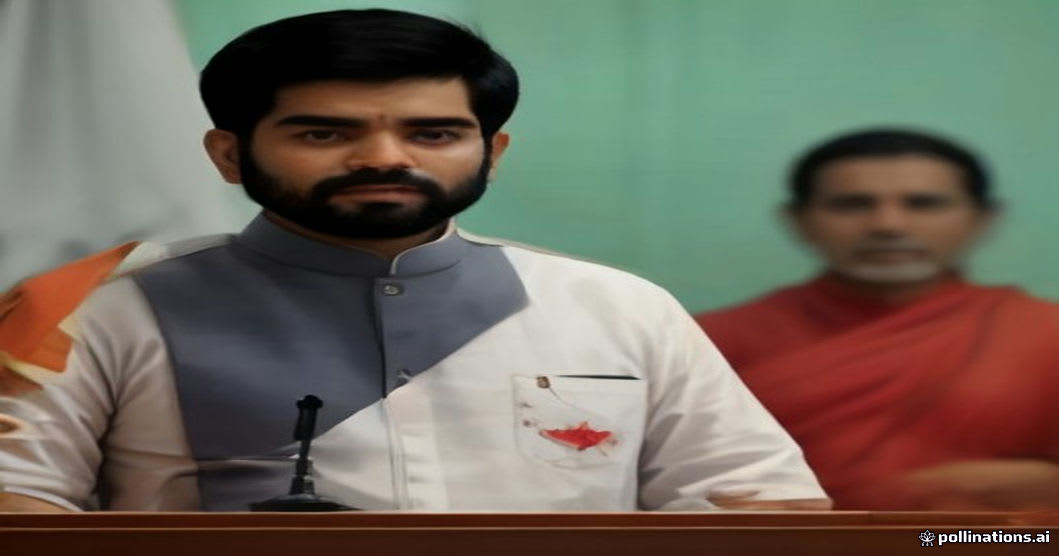
Within hours, Maharashtra Chief Minister Eknath Shinde addressed a press conference, his tone uncharacteristically stern. "Gangs won't be spared," he declared, promising swift, uncompromising action against any criminal syndicate that threatens public safety or the state's reputation.
Shinde's remarks came at a politically sensitive time. The Shiv Sena‑BJP coalition faces criticism over perceived laxity in curbing extortion, drug trafficking, and illegal sand mining. By linking the high‑profile attack on a Bollywood star to a broader law‑and‑order agenda, Shinde seeks to consolidate his political capital ahead of the upcoming municipal elections.
Opposition parties, however, have been quick to challenge the CM's narrative. The Indian National Congress accused the government of politicising a criminal act, while the Nationalist Congress Party (NCP) demanded an independent inquiry to ensure that no political bias influences the investigation.
Gang Violence in Maharashtra: A Deep‑Rooted Challenge
Maharashtra, especially the Mumbai metropolitan region, has long grappled with entrenched gang networks. The infamous D-Company, once led by Dawood Ibrahim, set a grim template for organized crime that persists in various forms today. Smaller factions now dominate local neighborhoods, engaging in extortion, illegal gambling, and occasional gunfire that spills over into civilian spaces.
The city’s dense urban fabric, coupled with a booming real‑estate market, provides fertile ground for criminal enterprises to thrive. Recent data from the Maharashtra Police indicates a 12% rise in firearm‑related incidents over the past year, underscoring the urgency of Shinde's promise.
Media & Public Reaction
The incident has dominated headlines across India's major news portals—India Today, The Quint Voices, and ABP Live—all echoing the CM's vow. Social media users expressed a mix of concern for Shroff's safety and skepticism about the government's ability to deliver on its promises.
"If a star can be hit, what does it say about the safety of the average citizen?" – a viral tweet that captured the public mood.
Bollywood insiders, meanwhile, have called for stronger security protocols for actors shooting on location. Some producers are reportedly revisiting risk assessments, especially for shoots in high‑crime zones.
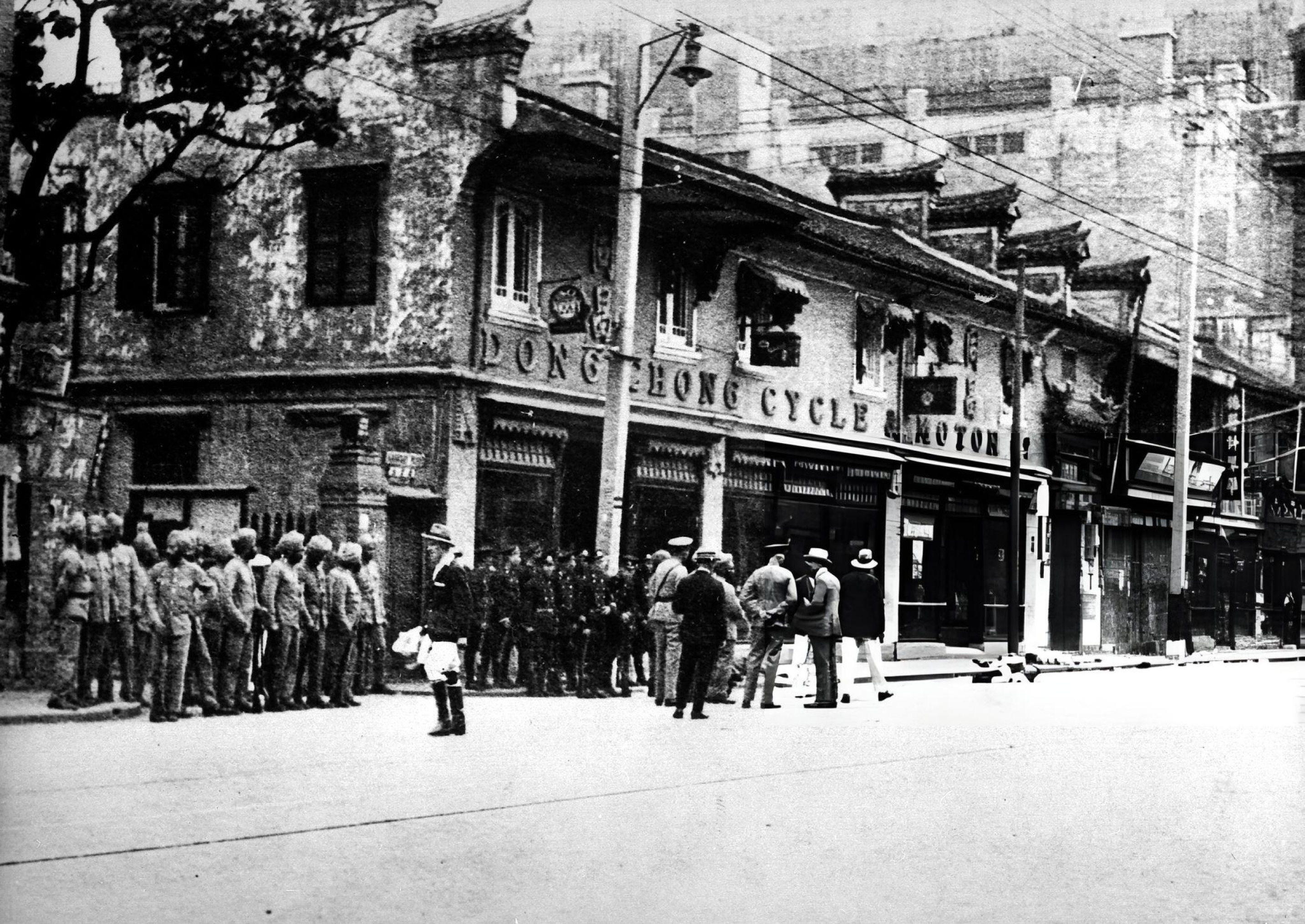 Mumbai street after gunfire
Security Protocols Under Scrutiny
The incident has prompted an internal review of security arrangements for high‑profile individuals in Maharashtra. The state’s Home Department announced a task force comprising senior police officials, intelligence officers, and forensic experts to audit existing protocols.
Key recommendations are expected to include:
- Enhanced surveillance using AI‑driven CCTV analytics in crime hotspots.
- Rapid response units stationed near film studios and major event venues.
- Community policing initiatives to improve intelligence gathering from local residents.
If implemented, these measures could set a precedent for other Indian states grappling with similar challenges.
Legal Angles & Accountability
Legally, the case hinges on pinpointing the shooter and establishing a motive. Under the Indian Penal Code, discharging a firearm in a public place attracts a minimum sentence of seven years, which can be extended to life imprisonment if the act endangers human life.
The Maharashtra Anti‑Terrorism Squad (ATS) has been roped in, reflecting the seriousness with which authorities are treating the incident. However, critics argue that past investigations into gang‑related shootings have often stalled due to witness intimidation and procedural delays.
Editorial Analysis & Future Outlook
Eknath Shinde's emphatic promise to spare no gang reflects a political calculus that blends genuine security concerns with electoral strategy. While the CM’s rhetoric resonates with a public weary of everyday violence, the real test lies in translating words into systemic change.
If Maharashtra can successfully dismantle the networks behind such stray gunfire, it could serve as a blueprint for other states plagued by organized crime. However, sustained progress will require:
- Political will beyond election cycles – consistent funding for law‑enforcement modernization.
- Judicial efficiency – fast‑track courts for gun‑related offenses to deter future attacks.
- Community engagement – building trust between residents and police to break the code of silence that shields gang operatives.
In the short term, we can expect heightened police visibility, more media scrutiny, and possibly a surge in political discourse around crime legislation. Long‑term, the incident may catalyse a broader conversation about the intersection of celebrity culture, urban safety, and governance in India’s fast‑moving metros.
Only time will tell whether Shinde’s vow becomes a turning point or merely another headline in a long list of promises. For now, the city watches, the media reports, and the underworld recalibrates.
This article is based on verified coverage from India Today and incorporates expert commentary on Maharashtra’s law‑and‑order landscape.
Original Reporting & Source: India Today Top Stories

Discussion (0)
Sign in to join the discussion.
No comments yet. Be the first to start the conversation!