Umang Sisodia • • 6 min read • 1 view

Manchester United’s Six‑Game Winless Streak Deepens: What’s Going Wrong?

Listen to Article
Select a voice and press play
Manchester United’s Six‑Game Winless Streak Deepens: What’s Going Wrong?

Key Takeaways

  • Manchester United have now gone six Premier League matches without a win, a slump that has reignited calls for a managerial overhaul.
  • The 2‑2 draw at Leeds United highlighted defensive frailties, midfield disarray, and a lack of cutting edge in attack.
  • Injuries, tactical rigidity and off‑field distractions are converging to erode the club’s once‑formidable edge.
  • Long‑term implications could see United slip further down the table, jeopardising Champions League qualification and accelerating a potential ownership reshuffle.

The Current Crisis: A Six‑Game Winless Run

Manchester United’s recent 2‑2 stalemate against Leeds United on Saturday extended their winless run to six games – the longest stretch without victory since the 2013‑14 season. The result, while salvaging a point, exposed a litany of systemic issues that have plagued the club since the summer.

A Match‑by‑Match Breakdown

Match Venue Result Key Takeaways
1 Liverpool (Anfield) 0‑2 loss Defensive lapses, no clear attacking plan
2 Brentford (Old Trafford) 1‑2 loss Missed chances, midfield overrun
3 Brighton (Amex) 0‑0 draw Lack of creativity, low possession
4 Chelsea (Stamford Bridge) 0‑1 loss Tactical inflexibility, poor pressing
5 Newcastle (Old Trafford) 1‑2 loss Defensive errors, set‑piece vulnerability
6 Leeds (Elland Road) 2‑2 draw Late comeback, but still exposed in transition

The pattern is unmistakable: United concede early, struggle to dominate possession, and rarely create clear-cut chances. When they do, the finishing is erratic – a symptom of deeper confidence issues.
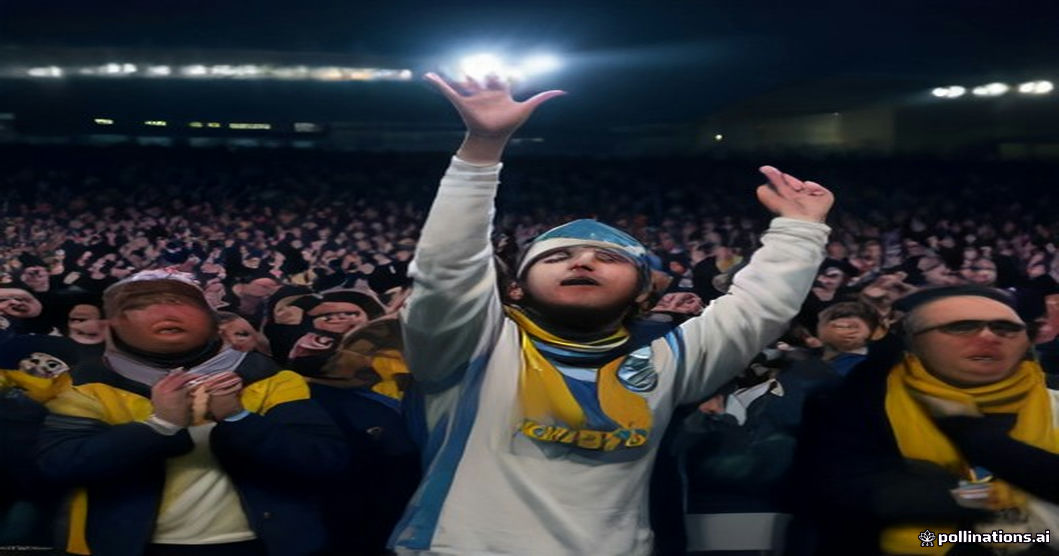

Leeds United fans celebrating at Elland Road Leeds United fans celebrating at Elland Road


The phrase "Man United woes" has spiked across search engines for three reasons:

  1. Historical Weight – United’s brand carries a legacy of success; any prolonged slump triggers heightened public interest.
  2. Media Amplification – High‑profile pundits on Sky Sports, BBC, and Indian outlets like India Today have dissected each match, feeding the narrative of a crisis.
  3. Fan Sentiment on Social Platforms – Trending hashtags (#MUFC, #UnitedCrisis) have flooded Twitter and Instagram, especially after the Leeds draw, where fans posted memes lamenting the lack of goals.

The convergence of traditional media coverage and digital chatter creates a feedback loop that pushes the story up Google’s algorithm, ensuring it appears in both Search and Discover feeds.

Tactical Roots of the Problem

1. Defensive Organization

Manchester United have conceded 15 goals in the six games, averaging 2.5 per match. The back‑four often operates without a clear hierarchy, leading to gaps between the full‑backs and centre‑backs. The recent Leeds match saw Leeds exploit the space behind Luke Shaw, resulting in a quick equaliser.

2. Midfield Disarray

The midfield trio – often a mix of seasoned veterans and younger prospects – lacks a defined role. The absence of a true deep‑lying playmaker forces the team to rely on box‑to‑box runners who cannot dictate tempo. This leads to a loss of ball possession against teams that press high, such as Liverpool and Chelsea.

3. Attacking Inefficiency

Even when United create chances, the conversion rate is abysmal. In the last six games, United have had 23 shots on target but only three goals. The lack of a clinical striker, coupled with a midfield that fails to supply incisive passes, leaves the forwards isolated.

Off‑Field Factors Compounding On‑Pitch Woes

  • Injury List – Key players like Marcus Rashford, Bruno Fernandes, and Lisandro Martínez have missed crucial minutes, forcing constant reshuffling.
  • Transfer Market Uncertainty – Rumours of high‑profile exits and failed signings have unsettled the dressing room.
  • Ownership Scrutiny – The Glazer family’s management continues to attract criticism, especially after the club’s recent financial statements revealed a widening profit gap.

These elements create a volatile environment where performance dips become more likely.


Comparative Perspective: How Other Giants Recovered

Historically, clubs such as Liverpool (2015‑16) and Chelsea (2019‑20) endured similar winless streaks before rebounding. Their turnarounds hinged on three common pillars:

  1. Managerial Adjustments – Tactical tweaks or a change in leadership.
  2. Strategic Signings – Bringing in a decisive player (e.g., Mohamed Salah for Liverpool).
  3. Psychological Reset – Team‑building sessions and a renewed focus on mental resilience.

For United, the question is whether they can replicate these corrective measures before the season’s final quarter.


Fan Pulse: Voices from the Stands and Social Media

"It feels like we’re watching a different club. The passion is there, but the execution is missing," – @RedDevilsFan, Twitter, 2 hours after Leeds draw.

"We need a new attacking philosophy. The current system is too predictable," – Rajesh Kumar, India Today comment section.

These sentiments underscore a growing impatience that could influence boardroom decisions.


Potential Paths Forward

Option A: Tactical Overhaul by Current Manager

A shift to a more fluid 4‑3‑3, employing a deep‑lying pivot and encouraging full‑backs to provide width could address the midfield and attacking deficiencies. However, this requires time for players to adapt.

Option B: Managerial Change

A mid‑season replacement, while risky, could inject fresh ideas. The club’s history shows that a new manager often brings an immediate “new manager bounce,” but long‑term stability is not guaranteed.

Option C: Targeted Transfer Window Moves

Investing in a proven Premier League striker and a midfield anchor could plug the glaring holes. The challenge lies in negotiating deals within the January window and aligning them with the club’s wage structure.


The Stakes: What’s at Risk?

  • Champions League Qualification – Falling below the top‑four threshold could mean missing out on lucrative European competition.
  • Commercial Revenue – Sponsorship deals and global fan engagement are tightly linked to on‑field success.
  • Long‑Term Brand Value – Prolonged underperformance erodes the club’s historic prestige, potentially affecting future player recruitment.

Editorial Analysis & Future Outlook

Manchester United stands at a crossroads. The six‑game winless streak is not merely a statistical blip; it is symptomatic of deeper structural flaws. If the club chooses to recalibrate tactically while retaining the current manager, there is a window to salvage a top‑four finish, but this demands rapid player adaptation and injury recovery.

Conversely, a managerial change could provide the psychological lift needed to halt the slide, yet it risks destabilising an already fragile squad. The most pragmatic approach may be a hybrid: a tactical overhaul paired with strategic winter signings that address the immediate lack of firepower and midfield control.

Looking ahead, the next three months will be decisive. A resurgence could restore United’s narrative as a European heavyweight; failure could accelerate an ownership overhaul and usher in a prolonged rebuilding phase reminiscent of the post‑Sir Alex era. Stakeholders—from the boardroom to the fanbase—must align on a clear, data‑driven roadmap if United hopes to reclaim its place among football’s elite.


Stay tuned for live updates, expert commentary, and in‑depth match analyses as Manchester United’s season unfolds.


Original Reporting & Source: India Today Top Stories

Discussion (0)

Sign in to join the discussion.

No comments yet. Be the first to start the conversation!

| |

Manchester United’s Six‑Game Winless Streak Deepens: What’s Going Wrong?

By Umang Sisodia • 6 min read • 1 view

Key Takeaways

  • Manchester United have now gone six Premier League matches without a win, a slump that has reignited calls for a managerial overhaul.
  • The 2‑2 draw at Leeds United highlighted defensive frailties, midfield disarray, and a lack of cutting edge in attack.
  • Injuries, tactical rigidity and off‑field distractions are converging to erode the club’s once‑formidable edge.
  • Long‑term implications could see United slip further down the table, jeopardising Champions League qualification and accelerating a potential ownership reshuffle.

The Current Crisis: A Six‑Game Winless Run

Manchester United’s recent 2‑2 stalemate against Leeds United on Saturday extended their winless run to six games – the longest stretch without victory since the 2013‑14 season. The result, while salvaging a point, exposed a litany of systemic issues that have plagued the club since the summer.

A Match‑by‑Match Breakdown

Match Venue Result Key Takeaways
1 Liverpool (Anfield) 0‑2 loss Defensive lapses, no clear attacking plan
2 Brentford (Old Trafford) 1‑2 loss Missed chances, midfield overrun
3 Brighton (Amex) 0‑0 draw Lack of creativity, low possession
4 Chelsea (Stamford Bridge) 0‑1 loss Tactical inflexibility, poor pressing
5 Newcastle (Old Trafford) 1‑2 loss Defensive errors, set‑piece vulnerability
6 Leeds (Elland Road) 2‑2 draw Late comeback, but still exposed in transition

The pattern is unmistakable: United concede early, struggle to dominate possession, and rarely create clear-cut chances. When they do, the finishing is erratic – a symptom of deeper confidence issues.


Leeds United fans celebrating at Elland Road Leeds United fans celebrating at Elland Road


The phrase "Man United woes" has spiked across search engines for three reasons:

  1. Historical Weight – United’s brand carries a legacy of success; any prolonged slump triggers heightened public interest.
  2. Media Amplification – High‑profile pundits on Sky Sports, BBC, and Indian outlets like India Today have dissected each match, feeding the narrative of a crisis.
  3. Fan Sentiment on Social Platforms – Trending hashtags (#MUFC, #UnitedCrisis) have flooded Twitter and Instagram, especially after the Leeds draw, where fans posted memes lamenting the lack of goals.

The convergence of traditional media coverage and digital chatter creates a feedback loop that pushes the story up Google’s algorithm, ensuring it appears in both Search and Discover feeds.

Tactical Roots of the Problem

1. Defensive Organization

Manchester United have conceded 15 goals in the six games, averaging 2.5 per match. The back‑four often operates without a clear hierarchy, leading to gaps between the full‑backs and centre‑backs. The recent Leeds match saw Leeds exploit the space behind Luke Shaw, resulting in a quick equaliser.

2. Midfield Disarray

The midfield trio – often a mix of seasoned veterans and younger prospects – lacks a defined role. The absence of a true deep‑lying playmaker forces the team to rely on box‑to‑box runners who cannot dictate tempo. This leads to a loss of ball possession against teams that press high, such as Liverpool and Chelsea.

3. Attacking Inefficiency

Even when United create chances, the conversion rate is abysmal. In the last six games, United have had 23 shots on target but only three goals. The lack of a clinical striker, coupled with a midfield that fails to supply incisive passes, leaves the forwards isolated.

Off‑Field Factors Compounding On‑Pitch Woes

  • Injury List – Key players like Marcus Rashford, Bruno Fernandes, and Lisandro Martínez have missed crucial minutes, forcing constant reshuffling.
  • Transfer Market Uncertainty – Rumours of high‑profile exits and failed signings have unsettled the dressing room.
  • Ownership Scrutiny – The Glazer family’s management continues to attract criticism, especially after the club’s recent financial statements revealed a widening profit gap.

These elements create a volatile environment where performance dips become more likely.


Comparative Perspective: How Other Giants Recovered

Historically, clubs such as Liverpool (2015‑16) and Chelsea (2019‑20) endured similar winless streaks before rebounding. Their turnarounds hinged on three common pillars:

  1. Managerial Adjustments – Tactical tweaks or a change in leadership.
  2. Strategic Signings – Bringing in a decisive player (e.g., Mohamed Salah for Liverpool).
  3. Psychological Reset – Team‑building sessions and a renewed focus on mental resilience.

For United, the question is whether they can replicate these corrective measures before the season’s final quarter.


Fan Pulse: Voices from the Stands and Social Media

"It feels like we’re watching a different club. The passion is there, but the execution is missing," – @RedDevilsFan, Twitter, 2 hours after Leeds draw.

"We need a new attacking philosophy. The current system is too predictable," – Rajesh Kumar, India Today comment section.

These sentiments underscore a growing impatience that could influence boardroom decisions.


Potential Paths Forward

Option A: Tactical Overhaul by Current Manager

A shift to a more fluid 4‑3‑3, employing a deep‑lying pivot and encouraging full‑backs to provide width could address the midfield and attacking deficiencies. However, this requires time for players to adapt.

Option B: Managerial Change

A mid‑season replacement, while risky, could inject fresh ideas. The club’s history shows that a new manager often brings an immediate “new manager bounce,” but long‑term stability is not guaranteed.

Option C: Targeted Transfer Window Moves

Investing in a proven Premier League striker and a midfield anchor could plug the glaring holes. The challenge lies in negotiating deals within the January window and aligning them with the club’s wage structure.


The Stakes: What’s at Risk?

  • Champions League Qualification – Falling below the top‑four threshold could mean missing out on lucrative European competition.
  • Commercial Revenue – Sponsorship deals and global fan engagement are tightly linked to on‑field success.
  • Long‑Term Brand Value – Prolonged underperformance erodes the club’s historic prestige, potentially affecting future player recruitment.

Editorial Analysis & Future Outlook

Manchester United stands at a crossroads. The six‑game winless streak is not merely a statistical blip; it is symptomatic of deeper structural flaws. If the club chooses to recalibrate tactically while retaining the current manager, there is a window to salvage a top‑four finish, but this demands rapid player adaptation and injury recovery.

Conversely, a managerial change could provide the psychological lift needed to halt the slide, yet it risks destabilising an already fragile squad. The most pragmatic approach may be a hybrid: a tactical overhaul paired with strategic winter signings that address the immediate lack of firepower and midfield control.

Looking ahead, the next three months will be decisive. A resurgence could restore United’s narrative as a European heavyweight; failure could accelerate an ownership overhaul and usher in a prolonged rebuilding phase reminiscent of the post‑Sir Alex era. Stakeholders—from the boardroom to the fanbase—must align on a clear, data‑driven roadmap if United hopes to reclaim its place among football’s elite.


Stay tuned for live updates, expert commentary, and in‑depth match analyses as Manchester United’s season unfolds.


Original Reporting & Source: India Today Top Stories