Umang Sisodia • • 5 min read • 3 views
Pori Moni Calls Out Maasranga TV Over Slow Response to Deepfake Scandal
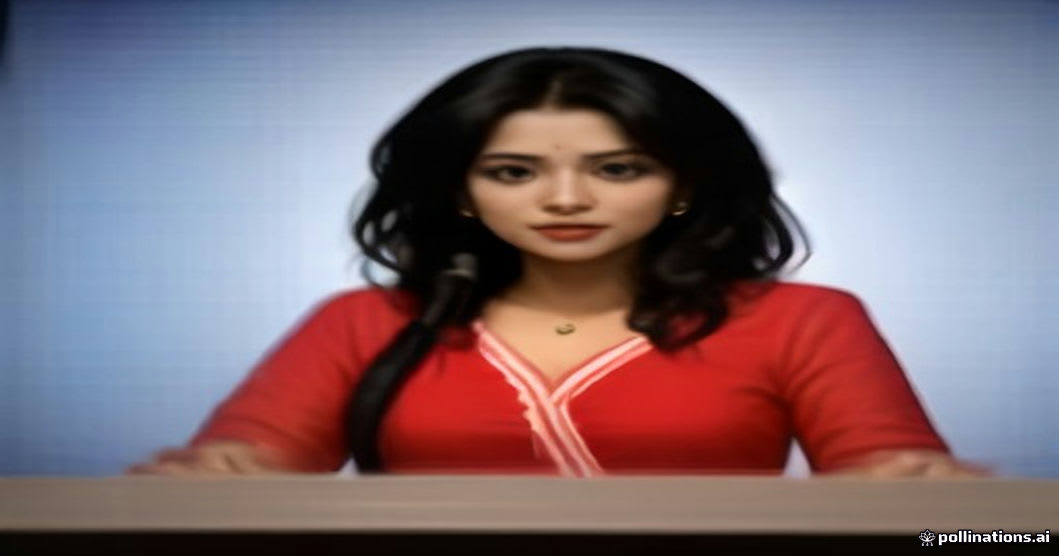
Key Takeaways
- Pori Moni publicly condemned Maasranga TV for its delayed reaction to a deepfake video that misused her likeness.
- The incident has ignited a nationwide debate on digital consent, media ethics, and the legal gaps surrounding deepfake technology in Bangladesh.
- Social media users and fellow celebrities are demanding stricter regulations and swift accountability from broadcasters.
- Experts warn that without decisive action, deepfakes could become a lucrative but dangerous revenue stream for unscrupulous content creators.
The Spark: Deepfake Video Hits the Spotlight
In early September 2024, a manipulated video featuring Bangladeshi film star Pori Moni began circulating across YouTube, Facebook, and TikTok. The clip, which appeared to show the actress in a compromising situation, was later identified by forensic analysts as a deepfake—an AI‑generated fabrication that overlays a subject’s face onto existing footage.
The video quickly amassed over 2 million views, prompting a wave of outrage from fans and gender‑rights activists. While deepfakes have been a global concern for years, this incident marked the first time a high‑profile Bangladeshi celebrity became the target of such a sophisticated digital assault.
Maasranga TV’s Response: A Slow Burn
Maasranga TV, one of Bangladesh’s leading private broadcasters, was the first media outlet to pick up the story. However, instead of issuing an immediate clarification or taking down the clip, the channel opted for a measured silence. It wasn’t until 48 hours later that the network released a brief statement acknowledging the controversy and promising an internal review.
Critics argue that this lag allowed misinformation to fester, damaging the actress’s reputation and undermining public trust in mainstream media. The delayed response also raised questions about the channel’s editorial standards and its willingness to confront emerging digital threats.
Public Outcry and Social Media Frenzy
Within hours of the video’s release, hashtags like #PoriMoniDeepfake and #MediaResponsibility began trending on Twitter and Facebook in Bangladesh. Thousands of users demanded that Maasranga TV take swift action, with many calling for a formal apology and legal repercussions for those responsible for the manipulation.
The actress herself entered the fray on September 5, posting a stern message on Instagram:
"Since when did disrespecting others become a source of income? I demand accountability and a clear stance from Maasranga TV."
Her statement was amplified by fellow actors, journalists, and civil‑society groups, turning the incident into a broader conversation about digital consent and the exploitation of women’s images online.
Legal and Ethical Dimensions of Deepfakes in Bangladesh
Bangladesh’s current legal framework lacks explicit provisions addressing deepfake technology. While the Information and Communication Technology (ICT) Act, 2006 criminalizes defamation and the distribution of obscene material, it does not specifically cover AI‑generated fabrications.
Legal scholars argue that the absence of clear statutes leaves victims like Pori Moni vulnerable, relying on ambiguous provisions that may not hold up in court. Moreover, the ethical responsibilities of broadcasters remain murky; there is no industry‑wide code that mandates immediate verification or removal of potentially harmful content.
Industry Reactions and Calls for Accountability
In the wake of the controversy, several media watchdogs and entertainment unions issued joint statements urging broadcasters to adopt rapid response protocols for deepfake incidents. The Bangladesh Film Artists' Association (BFAA) announced plans to lobby the Ministry of Information for specific legislation that criminalizes non‑consensual deepfake creation and distribution.
Meanwhile, tech experts highlighted the need for AI‑driven detection tools that can be integrated into newsroom workflows. Some startups have already begun offering real‑time deepfake detection services, but adoption remains limited due to cost and a lack of awareness.
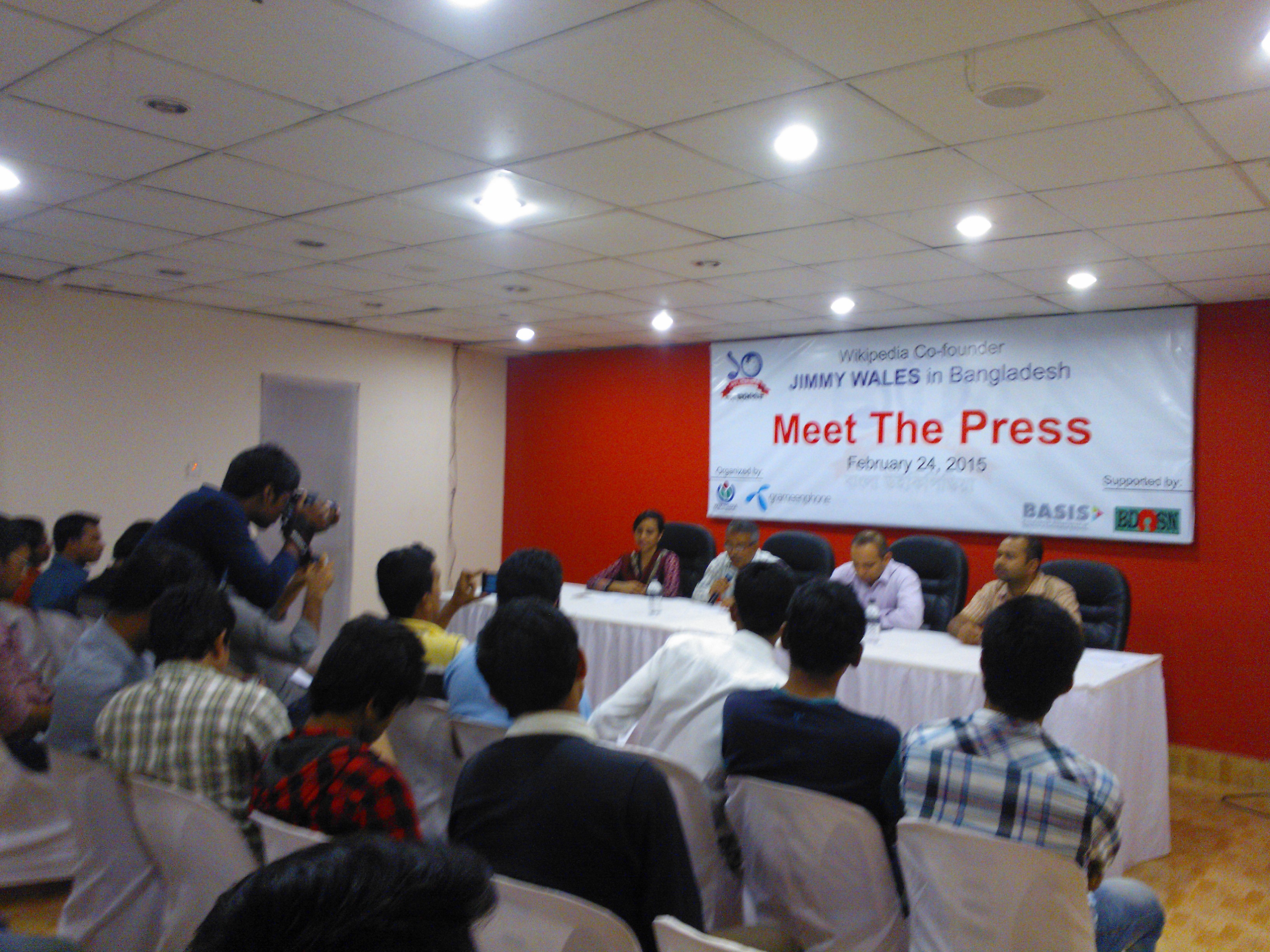 deepfake video controversy Bangladesh
Editorial Analysis & Future Outlook
The Pori Moni‑Maasranga TV episode serves as a wake‑up call for Bangladesh’s media ecosystem. As AI tools become more accessible, the line between reality and fabrication will blur further, making proactive governance essential.
In the short term, we can expect:
- Regulatory Momentum – Pressure from civil society and the entertainment industry is likely to push the government toward drafting specific deepfake legislation within the next year.
- Industry Self‑Regulation – Broadcasters may adopt internal guidelines, including rapid verification teams and partnerships with tech firms for content authentication.
- Public Awareness Campaigns – NGOs and digital literacy programs will intensify efforts to educate users about deepfake detection and the importance of consent.
Long‑term, the incident could reshape media ethics curricula in journalism schools across Bangladesh, embedding AI literacy as a core competency. It may also catalyze a regional coalition among South Asian nations to share best practices and develop cross‑border legal frameworks, given the borderless nature of digital content.
For Pori Moni, the controversy underscores a harsh reality: celebrity status no longer guarantees protection against technological abuse. Her vocal stance, however, has empowered many others to speak out, signaling a potential cultural shift toward zero tolerance for digital exploitation.
In conclusion, the deepfake scandal is more than a fleeting headline; it is a critical juncture that will define how Bangladesh balances freedom of expression with the imperative to safeguard personal dignity in the digital age. The onus now lies on policymakers, media houses, and tech innovators to collaborate on solutions that protect individuals while preserving the vibrant spirit of the nation’s media landscape.
Original Reporting & Source: Google Trends (India)

Discussion (0)
Sign in to join the discussion.
No comments yet. Be the first to start the conversation!