Umang Sisodia • • 5 min read • 2 views
Why Snakes Enter Homes: Causes, Safety Tips & Myths Debunked

Key Takeaways
- Snakes enter houses seeking food, shelter, and favorable micro‑climates.
- Poor waste management, open drains, and clutter are the top attractants.
- Simple, low‑cost actions—like sealing cracks and keeping yards tidy—drastically reduce risk.
- Understanding the science helps dispel myths and promotes safe, humane removal.
The Age‑Old Question: Why Do Snakes Slip Into Our Homes?
Snakes have been part of Indian folklore for millennia, but the practical question that haunts homeowners today is simple: why do these reptiles cross the threshold of our living spaces?
The answer lies in a blend of ecological necessity and human‑made opportunities. Snakes are ectothermic; they constantly hunt for optimal temperature zones and prey availability. When a house offers a warm corner, a steady supply of rodents, or easy entry points, it becomes an attractive pit stop.
"A snake is simply following the path of least resistance to food and shelter," says Dr. Ananya Rao, herpetologist at the National Institute of Zoology. "Human habitations inadvertently create micro‑habitats that suit many common species."
Common Triggers That Attract Snakes Indoors
- Rodent Infestations – Mice and rats are the primary diet for most Indian snakes. A kitchen with uncovered food storage or a pantry with grain spills invites rodents, which in turn lure snakes.
- Cluttered Spaces – Stacked firewood, cardboard boxes, and unused furniture create dark crevices where snakes can hide during the day.
- Open Drainage & Standing Water – Poorly maintained drains or waterlogged basements maintain humidity, a condition snakes love.
- Structural Gaps – Cracks in walls, gaps under doors, and unsealed vents act as unintentional entryways.
- Seasonal Movements – During the monsoon and post‑monsoon periods, snakes migrate from flooded fields to higher ground, often ending up in rooftops or attics.
- Garden Practices – Overgrown shrubs, compost piles, and stone walls near the house provide perfect hunting grounds.
These triggers are not exclusive; they often overlap, creating a perfect storm for a snake sighting.
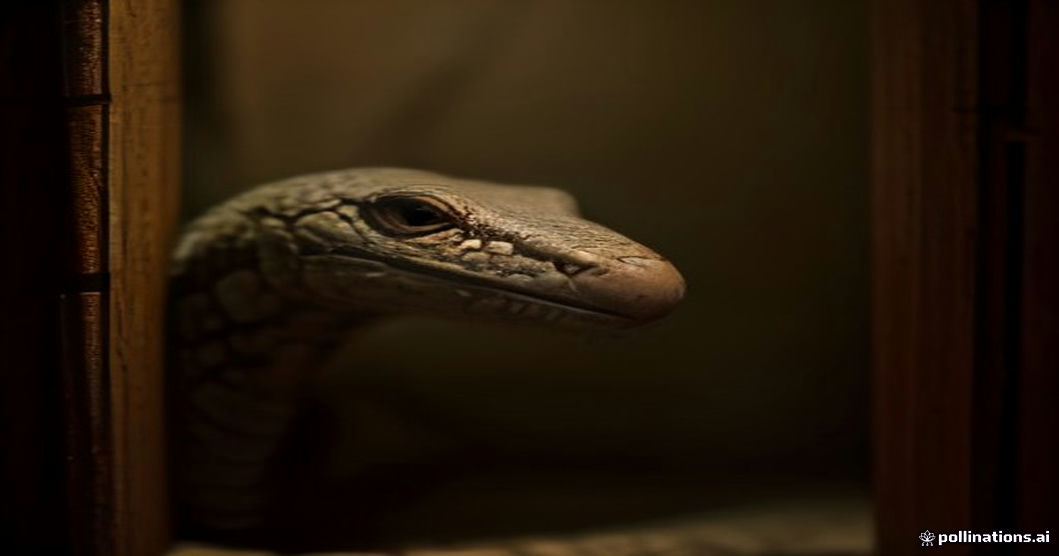 snake hiding in garden corner
Safety First: Practical Steps to Keep Snakes Out
Below is a checklist that homeowners can implement without hiring a professional immediately:
- Seal Entry Points: Use cement or metal mesh to block cracks, gaps under doors, and vent openings.
- Maintain Cleanliness: Store grains, cereals, and pet food in airtight containers; clean up crumbs promptly.
- Control Rodents: Set up humane traps, keep garbage bins sealed, and avoid feeding pets outdoors.
- Trim Vegetation: Keep bushes trimmed at least 30 cm away from the house walls; remove debris and fallen logs.
- Manage Water: Fix leaking taps, ensure proper drainage, and avoid standing water in basements.
- Use Natural Repellents: Planting marigold, neem, or garlic near entry points can deter snakes, though scientific evidence is mixed.
- Lighting: Install motion‑sensor lights around the perimeter; snakes prefer darkness.
- Educate Family Members: Teach children not to touch or provoke a snake; keep a calm distance.
If you spot a snake, do not attempt to handle it. Instead, call a trained wildlife removal service or local forest department. Most Indian snakes are non‑venomous, but a misidentification can be fatal.
Myth‑Busting: Cultural Beliefs vs. Scientific Reality
Indian culture is rich with snake symbolism—Nagar festivals, the reverence for Kaa in mythology, and the belief that a snake sighting brings good luck. While these narratives add color, they can also foster risky behavior:
Myth: “A snake inside the house is a sign of prosperity.” Fact: It indicates an ecological imbalance; the snake is likely seeking food because the surrounding environment is compromised.
Myth: “Snakes can be easily chased out with fire or loud noises.” Fact: Sudden movements can stress the animal, leading to defensive bites. Professional removal is safer.
Myth: “All snakes in homes are venomous.” Fact: In India, roughly 60 % of snakes are non‑venomous (e.g., rat snakes, common sand boas). Accurate identification matters for response.
Understanding the science behind these myths helps families make informed, safe choices.
Expert Recommendations & When to Call Professionals
- Immediate Threat: If the snake is in a high‑traffic area (kitchen, bedroom) or appears aggressive, treat it as an emergency.
- Species Identification: Take a clear photo from a safe distance and share it with local herpetologists or wildlife NGOs.
- Legal Considerations: Certain protected species (e.g., Indian cobra, Russell’s viper) cannot be harmed; they must be relocated by authorized personnel.
- Post‑Removal Hygiene: After a snake is removed, disinfect the area, inspect for more entry points, and reinforce preventive measures.
Editorial Analysis & Future Outlook
The surge in Google searches for “why snakes enter house” reflects a broader urban‑rural interface challenge. Rapid urbanization in India has expanded housing into former snake habitats, while inadequate waste management and aging infrastructure create inadvertent corridors for reptiles.
Long‑term implications:
- Urban Planning: City planners must integrate wildlife corridors and proper drainage systems to minimize human‑snake conflicts.
- Public Awareness Campaigns: Leveraging digital platforms to disseminate factual, bite‑prevention content can reduce panic‑driven incidents.
- Technology Integration: Smart home sensors that detect temperature spikes or movement could alert residents to potential snake presence before a sighting.
- Conservation Balance: As India pushes for biodiversity preservation, humane removal and relocation protocols will become standard practice, shifting the narrative from fear to coexistence.
In the coming years, we anticipate a data‑driven approach where municipal bodies use GIS mapping of snake sightings to target high‑risk zones. Coupled with community‑led clean‑up drives, this could dramatically lower the frequency of indoor snake encounters.
The key takeaway for homeowners is simple: proactive habitat management inside and around the house is the most effective defense. By aligning traditional wisdom with modern science, we can ensure safety while respecting the ecological role snakes play in controlling rodent populations.
Original Reporting & Source: India Today Top Stories

Discussion (0)
Sign in to join the discussion.
No comments yet. Be the first to start the conversation!