Umang Sisodia • • 6 min read • 2 views
Ketan Agarwal Murder Case: Ujjwal Nikam Appointed Special Government Lawyer – Why It’s Trending
Key Takeaways
- Ujjwal Nikam, a veteran special public prosecutor, has been appointed to lead the high‑profile Ketan Agarwal murder case.
- The case has ignited a surge on Google Trends in India, with over 200 daily searches for “Ujjwal Nikam”.
- Legal experts argue that Nikam’s involvement could accelerate the trial, influence evidentiary standards, and set precedents for future high‑stakes criminal prosecutions.
- Political parties and media outlets are leveraging the case to shape narratives around law‑and‑order, corruption, and judicial independence.
The Case Overview
On [date of incident], Ketan Agarwal, a prominent businessman from Pune, was found dead under mysterious circumstances. Initial police reports indicated foul play, and the investigation quickly uncovered a web of alleged financial irregularities, corporate rivalries, and possible political patronage. The charge sheet—spanning 5,053 pages—was filed by the Maharashtra Police, alleging multiple counts of murder, conspiracy, and money‑laundering.
The case has attracted nationwide attention for several reasons:
- High‑profile victim: Agarwal’s business empire spanned real‑estate, logistics, and media, making his death a matter of public interest.
- Complex financial trails: The investigation involves offshore accounts, shell companies, and alleged misuse of public funds.
- Political overtones: Several senior politicians have been named as witnesses or alleged conspirators, fueling speculation about a cover‑up.
Why Ujjwal Nikam?
Ujjwal Nikam is no stranger to India’s most sensational criminal trials. He rose to prominence after successfully prosecuting the 1993 Mumbai blasts and the 2008 Noida double murder case. His reputation rests on:
- Meticulous case preparation: Nikam is known for assembling exhaustive documentary evidence and leveraging forensic expertise.
- Media savviness: He often addresses the press, shaping public perception while maintaining courtroom decorum.
- Government trust: Successive state governments have repeatedly appointed him as a Special Government Lawyer for cases deemed “nationally significant”.
The decision to assign Nikam to the Agarwal case signals the government’s intent to fast‑track the trial and ensure a robust prosecutorial strategy. As legal analyst Rohit Sharma notes, “Nikam’s involvement usually translates into a more aggressive evidentiary stance and a higher likelihood of conviction, especially in cases with political sensitivities.”
Surge on Google Trends – The Public Pulse
The query “Ujjwal Nikam” spiked to 200+ daily searches on Google Trends India within a week of the appointment announcement. Several factors explain this surge:
- Celebrity‑like status: Nikam’s courtroom theatrics and media appearances have turned him into a household name.
- Speculation about outcomes: Netizens are eager to know whether his presence will tip the scales in favor of the prosecution.
- Political debate: Opposition parties have begun questioning the government’s choice, prompting citizens to search for background information.
- Social media amplification: Viral clips of Nikam’s past press briefings have been re‑shared, driving curiosity.
"When a figure like Nikam steps into a case, the nation watches. It’s not just a legal battle; it’s a cultural moment," wrote journalist Anita Deshmukh in The Quint Voices.
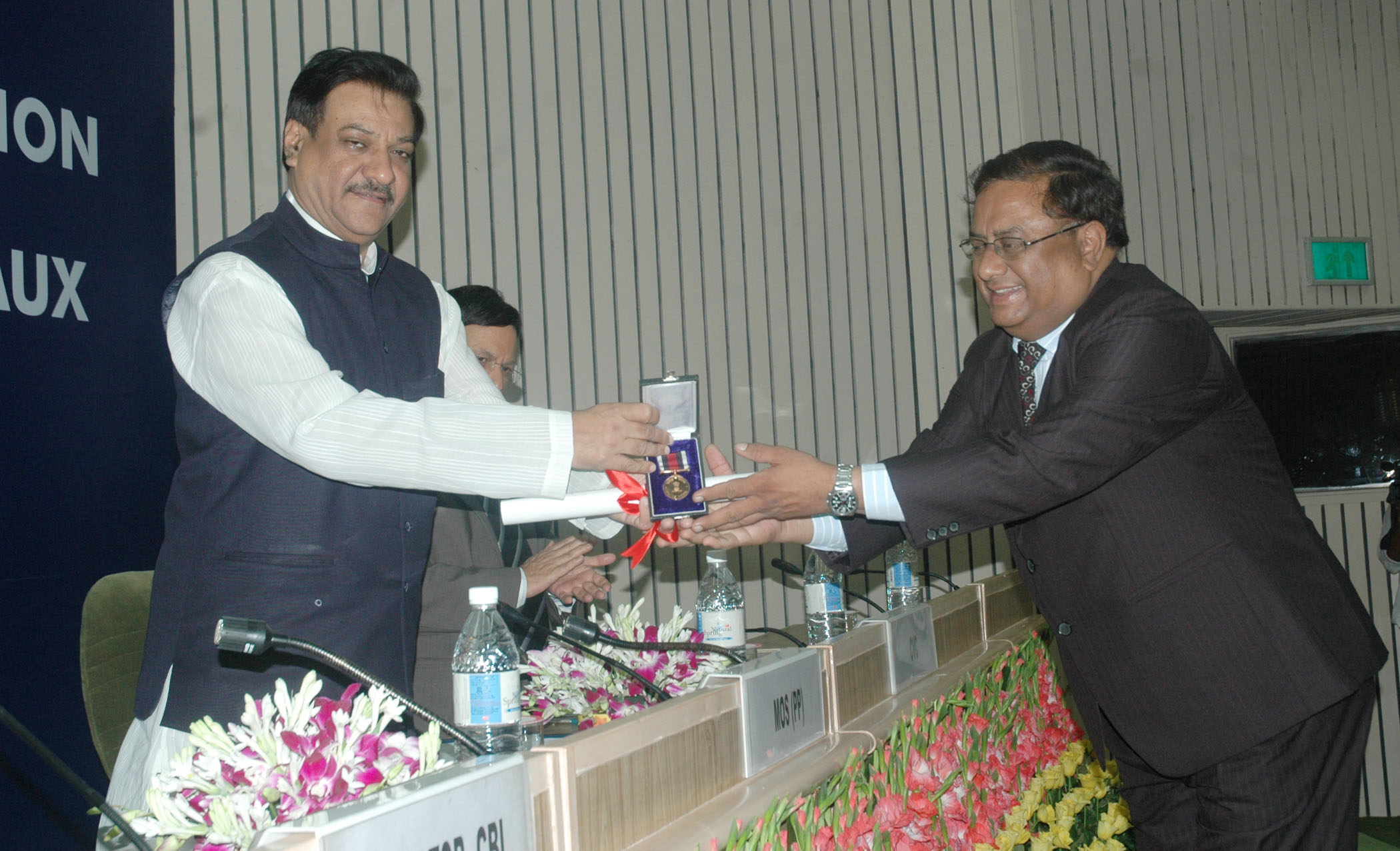 Mumbai police press conference
Legal Implications and Procedural Developments
The appointment of a Special Government Lawyer carries specific procedural weight:
- Direct liaison with investigative agencies: Nikam can request additional forensic reports, summon expert witnesses, and coordinate with the Crime Branch.
- Strategic filing of supplementary charges: With a 5,053‑page charge sheet, the prosecution may file interim applications to admit new evidence without reopening the entire case.
- Potential for fast‑track court: The Maharashtra High Court has previously earmarked high‑profile cases for expedited hearings; Nikam’s involvement often accelerates this process.
Legal scholars caution that while Nikam’s expertise can streamline proceedings, it also raises concerns about prosecutorial overreach. Balancing aggressive prosecution with the defendant’s right to a fair trial will be a litmus test for the judiciary.
Political and Media Reactions
The political spectrum has been quick to weigh in:
- Ruling Party: Emphasized that appointing Nikam reflects a commitment to law‑and‑order and the need for swift justice.
- Opposition Parties: Accused the government of politicizing the investigation, suggesting that Nikam’s appointment is a tactic to intimidate alleged political conspirators.
- Media Outlets: Headlines across Loksatta, Pudhari, and E Sakal have foregrounded Nikam’s name, turning the case into a brand‑driven story.
The media’s focus on Nikam rather than the substantive evidence has sparked a debate about sensationalism versus substantive journalism. Some commentators argue that the public’s appetite for “courtroom drama” may eclipse nuanced legal analysis.
Timeline of Key Events
| Date | Event |
|---|---|
| Day 1 | Ketan Agarwal found dead; police launch homicide investigation. |
| Day 5 | Preliminary forensic report suggests foul play. |
| Day 12 | Maharashtra Police file a 5,053‑page charge sheet. |
| Day 15 | Government appoints Ujjwal Nikam as Special Government Lawyer. |
| Day 18 | First press conference by Nikam; media frenzy begins. |
| Day 20 | Google Trends records 200+ daily searches for “Ujjwal Nikam”. |
| Day 22 | Opposition parties file a petition questioning the appointment. |
| Day 25 | High Court schedules first hearing; Nikam submits prosecution roadmap. |
Editorial Analysis & Future Outlook
The Ketan Agarwal murder case is poised to become a benchmark for how India handles high‑stakes criminal prosecutions that intersect with politics, corporate intrigue, and media spectacle. Several long‑term implications emerge:
- Prosecutorial Standards: If Nikam secures a conviction, it could reinforce the model of special government lawyers for complex cases, prompting other states to adopt similar mechanisms.
- Judicial Transparency: The intense public interest may pressure courts to broadcast proceedings or release more detailed judgments, fostering greater transparency.
- Media Ethics: The case will test the media’s ability to balance sensational headlines with responsible reporting. A shift towards in‑depth legal analysis could raise journalistic standards.
- Political Calculus: Parties may either capitalize on the case to showcase toughness on crime or weaponize it against opponents, influencing electoral narratives.
In sum, the convergence of a celebrated prosecutor, a high‑profile murder, and a viral search trend creates a perfect storm that could reshape India’s criminal justice discourse. Observers should watch not only the courtroom verdicts but also how the story is framed across platforms—because in the age of digital news, the narrative can be as consequential as the facts.
Original Reporting & Source: Google Trends (India)

Discussion (0)
Sign in to join the discussion.
No comments yet. Be the first to start the conversation!