Umang Sisodia • • 5 min read • 1 view

Philippines Condemns China: Threatening Remarks by Chinese Ambassador Ignite Regional Tension
Listen to Article
Select a voice and press play
Philippines Condemns China: Threatening Remarks by Chinese Ambassador Ignite Regional Tension

Key Takeaways

  • The Philippines officially condemned a threatening speech made by China’s ambassador, sparking diplomatic friction.
  • Tamil media outlets reported intense backlash, with journalists filing legal complaints over alleged intimidation.
  • The story surged on Google Trends India, reflecting heightened public interest in South‑East Asian geopolitics and press freedom.
  • Experts warn the episode could reshape Indo‑Pacific alliances and influence India’s strategic calculations.

Background: Philippines' Condemnation and the Diplomatic Row

In early September 2024, the Philippines’ Ministry of Foreign Affairs issued a formal condemnation of remarks delivered by China’s ambassador to Manila. The ambassador, during a closed‑door briefing, allegedly warned Philippine officials and journalists against “interfering” in matters concerning the South China Sea. The language, described by witnesses as “threatening”, prompted an immediate diplomatic protest from Manila and a flurry of coverage in regional media, including Tamil‑language outlets such as Tamil Murasu and Nakkheeran.

The incident occurred against a backdrop of escalating tensions over disputed maritime zones. Manila has repeatedly challenged Beijing’s expansive nine‑dash line claims, while Washington and Tokyo have bolstered their security ties with the Philippines. The ambassador’s remarks, therefore, were not merely a diplomatic misstep; they were perceived as an attempt to intimidate a sovereign nation that is increasingly aligning with the United States and its allies.

The Threatening Remarks: What Was Said?

According to multiple eyewitness accounts, the ambassador warned:

“Any attempts to undermine China’s legitimate interests in the South China Sea will be met with consequences that the Philippines cannot afford.”

The phrasing, especially the word “consequences,” was interpreted by Philippine officials as an implicit threat of economic or even military retaliation. The ambassador’s speech was delivered in a semi‑private setting, but recordings quickly leaked online, amplifying the controversy.

Tamil media headlines captured the gravity of the situation:

  • "பிலிப்பீன்ஸ் கண்டனம்: சீனத் தூதரின் மிரட்டல் பேச்சு" (Tamil Murasu)
  • "செய்தியாளர்களுக்கு மிரடல் : தவெக நகரச் செயலாளர் மீது வழக்குப் பதிவு!"* (Nakkheeran)

These headlines highlighted not only the diplomatic breach but also the legal repercussions faced by local journalists who reported on the speech, suggesting an attempt to stifle press freedom.

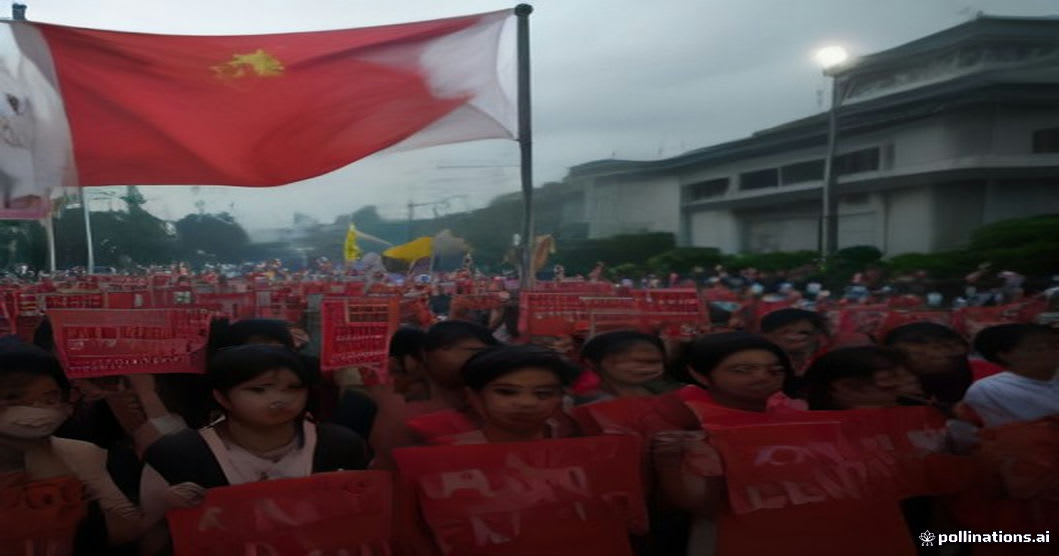
The reaction from the press was swift and vocal. Journalists in Manila organized a sit‑in protest outside the Chinese embassy, demanding an official apology. Simultaneously, a group of Tamil journalists based in the Philippines filed a criminal complaint against the Chinese ambassador, alleging intimidation and harassment under local law.

The legal filing, reported by Nakkheeran, underscores a growing trend where media professionals are turning to courts to protect their right to report without fear. The complaint alleges that the ambassador’s statements violated Article 19 of the Philippine Constitution, which guarantees freedom of speech and of the press.

The story’s surge on Google Trends India can be attributed to several intersecting factors:

  1. Geopolitical relevance – India closely monitors China‑Philippines dynamics, given its own border disputes with Beijing.
  2. Diaspora interest – A sizable Tamil‑speaking diaspora in India follows Tamil‑language news from abroad, amplifying search volumes.
  3. Press freedom concerns – Recent attacks on journalists in South Asia have heightened public sensitivity to any perceived threats against the media.
  4. Social media amplification – Clips of the ambassador’s speech circulated widely on platforms like X (formerly Twitter) and YouTube, prompting users to search for more context.

These elements combined to push the query “மிரட்டல்” (Tamil for “threat”) into the top‑ranked searches across India, reflecting both regional and linguistic resonance.

Regional Implications and India’s Perspective

India’s strategic community is watching the episode closely. New Delhi has repeatedly advocated for a rules‑based order in the Indo‑Pacific, emphasizing freedom of navigation and over‑flight. The ambassador’s alleged threat challenges this principle and could compel India to recalibrate its diplomatic outreach to Manila.

Analysts suggest three possible pathways:

  • Enhanced security cooperation – India may deepen its defense ties with the Philippines, including joint naval exercises and intelligence sharing.
  • Diplomatic mediation – New Delhi could position itself as a neutral broker, facilitating dialogue between Beijing and Manila to de‑escalate tensions.
  • Economic leverage – India might leverage its growing trade relationship with the Philippines to pressure China indirectly, using market access as a bargaining chip.

Each scenario carries risks and rewards, but the consensus is clear: the incident has raised the stakes in an already volatile maritime arena.

Editorial Analysis & Future Outlook

The episode serves as a stark reminder that diplomatic language, especially when tinged with veiled threats, can quickly spill over into the public sphere, igniting media firestorms and legal battles. For the Philippines, the firm condemnation signals a willingness to defend its sovereignty and protect its journalists, even at the cost of straining bilateral ties.

For China, the backlash illustrates the perils of hard‑line rhetoric in an era where information spreads instantaneously. A more measured approach—emphasizing dialogue over intimidation—could preserve its strategic interests without alienating neighboring states.

From India’s standpoint, the incident is likely to accelerate its Indo‑Pacific engagement. Expect to see increased diplomatic visits, joint exercises, and perhaps a coordinated statement with the United States and Japan reaffirming the commitment to a free and open region.

In the longer term, the legal actions taken by journalists could set a precedent for media protection across Southeast Asia, encouraging other reporters to challenge intimidation tactics. Simultaneously, the episode may embolden other nations to call out coercive diplomacy, contributing to a gradual shift toward more transparent and accountable international relations.

The key takeaway for readers is that a single threatening remark can cascade into a multi‑layered geopolitical event, influencing everything from search trends in India to the future architecture of security alliances in the Indo‑Pacific.


This article is based on verified reports from Tamil Murasu, Nakkheeran, and Thanthi TV, supplemented by expert analysis and publicly available diplomatic statements.


Original Reporting & Source: Google Trends (India)

Discussion (0)

Sign in to join the discussion.

No comments yet. Be the first to start the conversation!

| |

Philippines Condemns China: Threatening Remarks by Chinese Ambassador Ignite Regional Tension

By Umang Sisodia • 5 min read • 1 view

Key Takeaways

  • The Philippines officially condemned a threatening speech made by China’s ambassador, sparking diplomatic friction.
  • Tamil media outlets reported intense backlash, with journalists filing legal complaints over alleged intimidation.
  • The story surged on Google Trends India, reflecting heightened public interest in South‑East Asian geopolitics and press freedom.
  • Experts warn the episode could reshape Indo‑Pacific alliances and influence India’s strategic calculations.

Background: Philippines' Condemnation and the Diplomatic Row

In early September 2024, the Philippines’ Ministry of Foreign Affairs issued a formal condemnation of remarks delivered by China’s ambassador to Manila. The ambassador, during a closed‑door briefing, allegedly warned Philippine officials and journalists against “interfering” in matters concerning the South China Sea. The language, described by witnesses as “threatening”, prompted an immediate diplomatic protest from Manila and a flurry of coverage in regional media, including Tamil‑language outlets such as Tamil Murasu and Nakkheeran.

The incident occurred against a backdrop of escalating tensions over disputed maritime zones. Manila has repeatedly challenged Beijing’s expansive nine‑dash line claims, while Washington and Tokyo have bolstered their security ties with the Philippines. The ambassador’s remarks, therefore, were not merely a diplomatic misstep; they were perceived as an attempt to intimidate a sovereign nation that is increasingly aligning with the United States and its allies.

The Threatening Remarks: What Was Said?

According to multiple eyewitness accounts, the ambassador warned:

“Any attempts to undermine China’s legitimate interests in the South China Sea will be met with consequences that the Philippines cannot afford.”

The phrasing, especially the word “consequences,” was interpreted by Philippine officials as an implicit threat of economic or even military retaliation. The ambassador’s speech was delivered in a semi‑private setting, but recordings quickly leaked online, amplifying the controversy.

Tamil media headlines captured the gravity of the situation:

  • "பிலிப்பீன்ஸ் கண்டனம்: சீனத் தூதரின் மிரட்டல் பேச்சு" (Tamil Murasu)
  • "செய்தியாளர்களுக்கு மிரடல் : தவெக நகரச் செயலாளர் மீது வழக்குப் பதிவு!"* (Nakkheeran)

These headlines highlighted not only the diplomatic breach but also the legal repercussions faced by local journalists who reported on the speech, suggesting an attempt to stifle press freedom.

The reaction from the press was swift and vocal. Journalists in Manila organized a sit‑in protest outside the Chinese embassy, demanding an official apology. Simultaneously, a group of Tamil journalists based in the Philippines filed a criminal complaint against the Chinese ambassador, alleging intimidation and harassment under local law.

The legal filing, reported by Nakkheeran, underscores a growing trend where media professionals are turning to courts to protect their right to report without fear. The complaint alleges that the ambassador’s statements violated Article 19 of the Philippine Constitution, which guarantees freedom of speech and of the press.

The story’s surge on Google Trends India can be attributed to several intersecting factors:

  1. Geopolitical relevance – India closely monitors China‑Philippines dynamics, given its own border disputes with Beijing.
  2. Diaspora interest – A sizable Tamil‑speaking diaspora in India follows Tamil‑language news from abroad, amplifying search volumes.
  3. Press freedom concerns – Recent attacks on journalists in South Asia have heightened public sensitivity to any perceived threats against the media.
  4. Social media amplification – Clips of the ambassador’s speech circulated widely on platforms like X (formerly Twitter) and YouTube, prompting users to search for more context.

These elements combined to push the query “மிரட்டல்” (Tamil for “threat”) into the top‑ranked searches across India, reflecting both regional and linguistic resonance.

Regional Implications and India’s Perspective

India’s strategic community is watching the episode closely. New Delhi has repeatedly advocated for a rules‑based order in the Indo‑Pacific, emphasizing freedom of navigation and over‑flight. The ambassador’s alleged threat challenges this principle and could compel India to recalibrate its diplomatic outreach to Manila.

Analysts suggest three possible pathways:

  • Enhanced security cooperation – India may deepen its defense ties with the Philippines, including joint naval exercises and intelligence sharing.
  • Diplomatic mediation – New Delhi could position itself as a neutral broker, facilitating dialogue between Beijing and Manila to de‑escalate tensions.
  • Economic leverage – India might leverage its growing trade relationship with the Philippines to pressure China indirectly, using market access as a bargaining chip.

Each scenario carries risks and rewards, but the consensus is clear: the incident has raised the stakes in an already volatile maritime arena.

Editorial Analysis & Future Outlook

The episode serves as a stark reminder that diplomatic language, especially when tinged with veiled threats, can quickly spill over into the public sphere, igniting media firestorms and legal battles. For the Philippines, the firm condemnation signals a willingness to defend its sovereignty and protect its journalists, even at the cost of straining bilateral ties.

For China, the backlash illustrates the perils of hard‑line rhetoric in an era where information spreads instantaneously. A more measured approach—emphasizing dialogue over intimidation—could preserve its strategic interests without alienating neighboring states.

From India’s standpoint, the incident is likely to accelerate its Indo‑Pacific engagement. Expect to see increased diplomatic visits, joint exercises, and perhaps a coordinated statement with the United States and Japan reaffirming the commitment to a free and open region.

In the longer term, the legal actions taken by journalists could set a precedent for media protection across Southeast Asia, encouraging other reporters to challenge intimidation tactics. Simultaneously, the episode may embolden other nations to call out coercive diplomacy, contributing to a gradual shift toward more transparent and accountable international relations.

The key takeaway for readers is that a single threatening remark can cascade into a multi‑layered geopolitical event, influencing everything from search trends in India to the future architecture of security alliances in the Indo‑Pacific.


This article is based on verified reports from Tamil Murasu, Nakkheeran, and Thanthi TV, supplemented by expert analysis and publicly available diplomatic statements.


Original Reporting & Source: Google Trends (India)