Umang Sisodia • • 5 min read • 1 view

Bangladesh Unaware of Saudi Executions: Diplomatic Shockwaves and Human Rights Fallout
Listen to Article
Select a voice and press play
Bangladesh Unaware of Saudi Executions: Diplomatic Shockwaves and Human Rights Fallout

Key Takeaways

  • Bangladesh was caught off‑guard when Saudi Arabia executed two of its citizens without prior diplomatic notification.
  • The executions have ignited a diplomatic row, raising questions about consular access, transparency, and human‑rights standards.
  • Historical labor ties and the sizable Bangladeshi diaspora in Saudi Arabia add layers of complexity to the crisis.
  • The incident is reshaping public discourse in both nations and could influence future bilateral agreements.

The Incident: What Happened?

On June 18, 2024, Saudi Arabian authorities carried out the death sentences of two Bangladeshi nationals, citing "indecent acts" under the kingdom's strict moral code. The executions were swift and, according to multiple reports, Bangladesh was not informed beforehand—a breach of customary diplomatic protocol.

"We were shocked to learn of the executions through media reports. No official communication was received from Riyadh," Foreign Minister Shahriar Alam told reporters in Dhaka.

The two men, identified as Mohammad Ali and Saifur Rahman, were part of a larger community of Bangladeshi expatriates working in Saudi Arabia, primarily in construction and domestic work. Their families back home were left grappling with grief and a lack of clarity about the legal process that led to their deaths.

Diplomatic Fallout

The revelation has set off a chain reaction:

  • Bangladesh’s Ministry of Foreign Affairs issued a formal note of protest, demanding a detailed explanation and the return of the bodies for proper burial.
  • Saudi Arabia defended its actions, stating that the executions were carried out in accordance with its legal system and that the individuals were given due process.
  • Regional allies, including the United Arab Emirates and Oman, have called for calm while urging both governments to resolve the issue through diplomatic channels.

The incident underscores a gap in consular communication. International norms, as outlined by the Vienna Convention on Consular Relations, obligate a host country to notify the detainee’s home nation of any capital punishment. Saudi Arabia’s omission has raised eyebrows among human‑rights observers and foreign policy analysts alike.

Historical Context of Bangladesh‑Saudi Relations

Bangladesh and Saudi Arabia share a multifaceted relationship:

  • Labor Migration: Over 2.5 million Bangladeshi workers are employed in Saudi Arabia, contributing significantly to Bangladesh’s remittance inflows—about $5 billion annually.
  • Economic Aid: Saudi Arabia has historically been a donor for infrastructure projects in Bangladesh, including the construction of mosques and schools.
  • Cultural Ties: Religious pilgrimages (Hajj and Umrah) create strong people‑to‑people connections, reinforcing soft‑power links.

These deep‑rooted ties make the current diplomatic strain particularly sensitive. Any prolonged rift could jeopardize labor agreements, affect remittance flows, and destabilize the broader South‑South cooperation framework.

Human Rights Concerns

Human‑rights groups have seized upon the case:

  • Amnesty International condemned the lack of transparency, labeling the executions as potentially extrajudicial due to the absence of prior notification.
  • Human Rights Watch highlighted the broader pattern of severe punishments for moral offenses in Saudi Arabia, arguing that such statutes often lack clear legal definitions, leaving expatriates vulnerable.
  • The Bangladeshi diaspora has organized protests in Riyadh, demanding the right to consular access and the repatriation of the bodies.

The incident revives debates about the adequacy of labor‑migration agreements, which many argue should include explicit clauses guaranteeing legal protection and timely diplomatic communication.

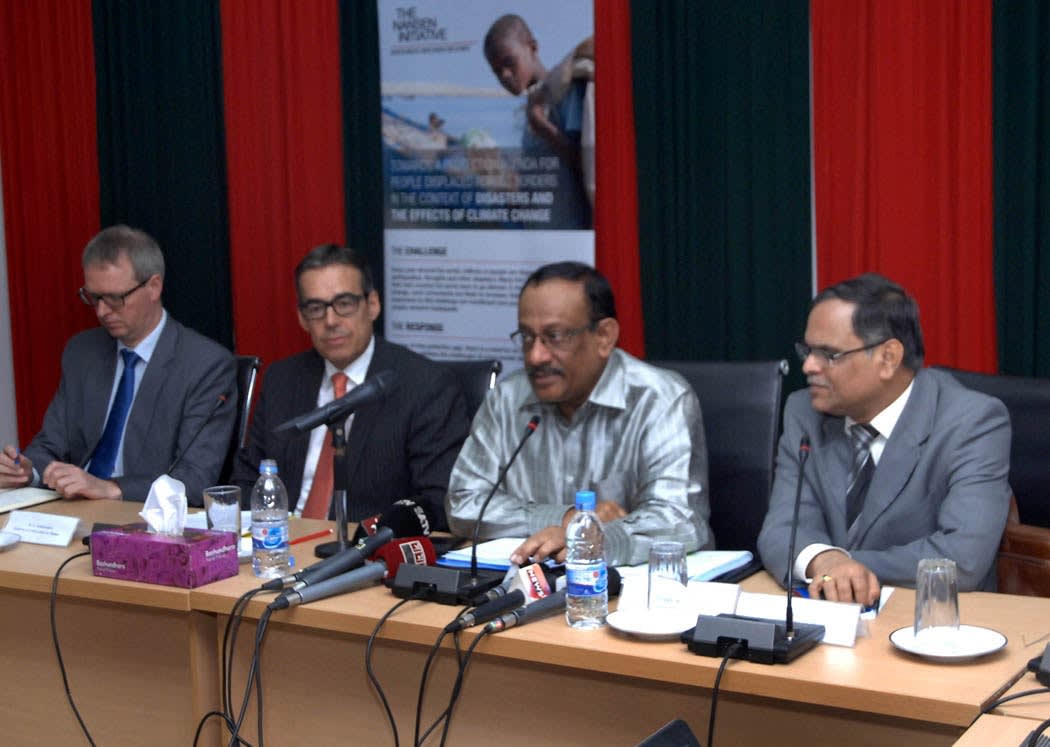
Dhaka diplomatic building Dhaka diplomatic building

Media Reaction and Public Sentiment

In Bangladesh, the story trended on Google with over 200,000 searches within 24 hours, reflecting widespread public anxiety. Social‑media platforms were awash with:

  • Hashtags like #JusticeForBangladeshiWorkers and #SaudiTransparency.
  • Personal testimonies from families of other migrant workers, amplifying fears of arbitrary detention.
  • Editorials in leading newspapers calling for a review of the bilateral labor pact.

Indian media also covered the story extensively, framing it within the larger narrative of Mideast labor rights and the geopolitical balancing act between Gulf states and South Asian labor exporters.

The legal maze is intricate:

  1. Consular Access: Under the Vienna Convention, Bangladesh is entitled to visit its nationals in detention. Saudi authorities have reportedly limited such visits, citing security concerns.
  2. Repatriation of Remains: The families are demanding the return of the bodies, a process that can be delayed by bureaucratic red‑tape and cultural protocols surrounding death in the kingdom.
  3. Potential Litigation: Human‑rights NGOs are exploring the possibility of filing complaints with the UN Human Rights Council, which could pressure Saudi Arabia to revisit its execution procedures.

Editorial Analysis & Future Outlook

The fallout from this episode is likely to reverberate for years:

  • Policy Recalibration: Bangladesh may renegotiate labor agreements, inserting stricter safeguards on legal representation and notification requirements.
  • Diplomatic Realignment: If Saudi Arabia remains inflexible, Bangladesh could diversify its Gulf partnerships, looking toward Kuwait, Qatar, or Oman for future labor placements.
  • Human‑Rights Advocacy: International watchdogs will intensify scrutiny on Saudi Arabia’s moral‑code prosecutions, potentially prompting reforms or at least greater transparency.
  • Public Pressure: Domestic outrage in Bangladesh could translate into parliamentary debates, compelling the government to adopt a tougher stance on protecting its diaspora.

In the long run, this incident could serve as a catalyst for systemic change—forcing Gulf states to confront the legal ambiguities that endanger migrant workers and urging sending nations to demand higher standards of consular protection. The balance between economic necessity and human dignity will remain at the heart of this evolving story.


This article is part of our ongoing coverage of South‑Asian labor migration and Middle‑East diplomatic dynamics.


Original Reporting & Source: Google Trends (India)

Discussion (0)

Sign in to join the discussion.

No comments yet. Be the first to start the conversation!

| |

Bangladesh Unaware of Saudi Executions: Diplomatic Shockwaves and Human Rights Fallout

By Umang Sisodia • 5 min read • 1 view

Key Takeaways

  • Bangladesh was caught off‑guard when Saudi Arabia executed two of its citizens without prior diplomatic notification.
  • The executions have ignited a diplomatic row, raising questions about consular access, transparency, and human‑rights standards.
  • Historical labor ties and the sizable Bangladeshi diaspora in Saudi Arabia add layers of complexity to the crisis.
  • The incident is reshaping public discourse in both nations and could influence future bilateral agreements.

The Incident: What Happened?

On June 18, 2024, Saudi Arabian authorities carried out the death sentences of two Bangladeshi nationals, citing "indecent acts" under the kingdom's strict moral code. The executions were swift and, according to multiple reports, Bangladesh was not informed beforehand—a breach of customary diplomatic protocol.

"We were shocked to learn of the executions through media reports. No official communication was received from Riyadh," Foreign Minister Shahriar Alam told reporters in Dhaka.

The two men, identified as Mohammad Ali and Saifur Rahman, were part of a larger community of Bangladeshi expatriates working in Saudi Arabia, primarily in construction and domestic work. Their families back home were left grappling with grief and a lack of clarity about the legal process that led to their deaths.

Diplomatic Fallout

The revelation has set off a chain reaction:

  • Bangladesh’s Ministry of Foreign Affairs issued a formal note of protest, demanding a detailed explanation and the return of the bodies for proper burial.
  • Saudi Arabia defended its actions, stating that the executions were carried out in accordance with its legal system and that the individuals were given due process.
  • Regional allies, including the United Arab Emirates and Oman, have called for calm while urging both governments to resolve the issue through diplomatic channels.

The incident underscores a gap in consular communication. International norms, as outlined by the Vienna Convention on Consular Relations, obligate a host country to notify the detainee’s home nation of any capital punishment. Saudi Arabia’s omission has raised eyebrows among human‑rights observers and foreign policy analysts alike.

Historical Context of Bangladesh‑Saudi Relations

Bangladesh and Saudi Arabia share a multifaceted relationship:

  • Labor Migration: Over 2.5 million Bangladeshi workers are employed in Saudi Arabia, contributing significantly to Bangladesh’s remittance inflows—about $5 billion annually.
  • Economic Aid: Saudi Arabia has historically been a donor for infrastructure projects in Bangladesh, including the construction of mosques and schools.
  • Cultural Ties: Religious pilgrimages (Hajj and Umrah) create strong people‑to‑people connections, reinforcing soft‑power links.

These deep‑rooted ties make the current diplomatic strain particularly sensitive. Any prolonged rift could jeopardize labor agreements, affect remittance flows, and destabilize the broader South‑South cooperation framework.

Human Rights Concerns

Human‑rights groups have seized upon the case:

  • Amnesty International condemned the lack of transparency, labeling the executions as potentially extrajudicial due to the absence of prior notification.
  • Human Rights Watch highlighted the broader pattern of severe punishments for moral offenses in Saudi Arabia, arguing that such statutes often lack clear legal definitions, leaving expatriates vulnerable.
  • The Bangladeshi diaspora has organized protests in Riyadh, demanding the right to consular access and the repatriation of the bodies.

The incident revives debates about the adequacy of labor‑migration agreements, which many argue should include explicit clauses guaranteeing legal protection and timely diplomatic communication.

Dhaka diplomatic building Dhaka diplomatic building

Media Reaction and Public Sentiment

In Bangladesh, the story trended on Google with over 200,000 searches within 24 hours, reflecting widespread public anxiety. Social‑media platforms were awash with:

  • Hashtags like #JusticeForBangladeshiWorkers and #SaudiTransparency.
  • Personal testimonies from families of other migrant workers, amplifying fears of arbitrary detention.
  • Editorials in leading newspapers calling for a review of the bilateral labor pact.

Indian media also covered the story extensively, framing it within the larger narrative of Mideast labor rights and the geopolitical balancing act between Gulf states and South Asian labor exporters.

The legal maze is intricate:

  1. Consular Access: Under the Vienna Convention, Bangladesh is entitled to visit its nationals in detention. Saudi authorities have reportedly limited such visits, citing security concerns.
  2. Repatriation of Remains: The families are demanding the return of the bodies, a process that can be delayed by bureaucratic red‑tape and cultural protocols surrounding death in the kingdom.
  3. Potential Litigation: Human‑rights NGOs are exploring the possibility of filing complaints with the UN Human Rights Council, which could pressure Saudi Arabia to revisit its execution procedures.

Editorial Analysis & Future Outlook

The fallout from this episode is likely to reverberate for years:

  • Policy Recalibration: Bangladesh may renegotiate labor agreements, inserting stricter safeguards on legal representation and notification requirements.
  • Diplomatic Realignment: If Saudi Arabia remains inflexible, Bangladesh could diversify its Gulf partnerships, looking toward Kuwait, Qatar, or Oman for future labor placements.
  • Human‑Rights Advocacy: International watchdogs will intensify scrutiny on Saudi Arabia’s moral‑code prosecutions, potentially prompting reforms or at least greater transparency.
  • Public Pressure: Domestic outrage in Bangladesh could translate into parliamentary debates, compelling the government to adopt a tougher stance on protecting its diaspora.

In the long run, this incident could serve as a catalyst for systemic change—forcing Gulf states to confront the legal ambiguities that endanger migrant workers and urging sending nations to demand higher standards of consular protection. The balance between economic necessity and human dignity will remain at the heart of this evolving story.


This article is part of our ongoing coverage of South‑Asian labor migration and Middle‑East diplomatic dynamics.


Original Reporting & Source: Google Trends (India)