Umang Sisodia • • 5 min read • 1 view
Dussehra Lunch Ideas: Homemade Chana Dal Khasta Poori & Paneer Gravy Beats Restaurant Fare

Key Takeaways
- Home‑cooked Dussehra meals like Chana Dal Khasta Poori and Paneer Gravy are trending as healthier, cost‑effective alternatives to restaurant orders.
- The recipe combines North‑Indian flavors with a crisp texture, making it perfect for festive family lunches.
- Google searches spiked after India Today highlighted the dish, reflecting a broader shift toward DIY festive cooking.
- Nutritional benefits, regional pride, and Instagram‑ready plating are driving the viral spread.
The Surge Behind the Trend
Dussehra, a major Hindu festival, traditionally sees families dining out or ordering lavish spreads. In 2024, a India Today feature titled "Dussehra Lunch Ideas: रेस्टोरेंट का खाना छोड़िए..." sparked a wave of searches for homemade alternatives. The article showcased a simple yet indulgent menu: Chana Dal Khasta Poori—a deep‑fried, flaky flatbread infused with spiced lentil batter—and a Paneer Gravy vegetable medley that balances richness with tang.
The surge can be attributed to three converging forces:
- Economic Sensibility – Post‑pandemic budgets encourage families to cook at home rather than splurge on restaurant bills.
- Health Consciousness – Home‑cooked meals allow control over oil, salt, and spices, aligning with the growing wellness movement.
- Social Media Amplification – Food bloggers and Instagram reels quickly replicated the recipe, turning it into a visual feast that fans love to share.
"When you bite into a perfectly crisp Khasta Poori, you feel the festival spirit more than any restaurant plate could offer," says culinary historian Dr. Meera Sharma.
Why Home‑Cooked Dussehra Meals Are Gaining Traction
Authentic Flavors, Modern Convenience
The dish marries traditional Rajasthani‑inspired lentil techniques with a pan‑Indian paneer gravy that can be prepared in under an hour. This hybrid appeals to both purists and modern cooks seeking convenience.
Cost‑Effectiveness
A kilogram of chana dal and a block of paneer cost a fraction of a restaurant’s Dussehra thali. Families can serve 8‑10 people for roughly ₹250–₹300, compared to ₹800–₹1,200 at upscale eateries.
Instagram‑Ready Presentation
The golden‑brown poori paired with the glossy, orange‑red paneer gravy makes for eye‑catching flat‑lay photography—perfect for the #DussehraFeast hashtag.
Step‑by‑Step Recipes
Chana Dal Khasta Poori – Ingredients & Method
- Ingredients:
- 1 cup chana dal (soaked 4 hrs)
- ½ cup rice flour
- ¼ cup wheat flour
- 1 tsp cumin seeds, ½ tsp ajwain
- 1‑2 green chilies, finely chopped
- Salt to taste, a pinch of turmeric
- Oil for deep frying
- Method:
- Drain soaked dal and grind to a coarse paste with minimal water.
- Mix in rice flour, wheat flour, spices, and salt to form a thick batter.
- Heat oil to 180°C; drop spoonfuls of batter, flatten gently with a slotted spoon, and fry until golden and crisp.
- Drain on paper towels; serve hot.
Paneer Gravy – Ingredients & Method
- Ingredients:
- 250 g paneer, cubed
- 1 large onion, pureed
- 2 tomatoes, pureed
- 1 tsp ginger‑garlic paste
- ½ tsp turmeric, 1 tsp coriander powder, ½ tsp garam masala
- 2 tbsp cream or cashew paste (optional)
- Fresh coriander leaves for garnish
- 2 tbsp oil, 1 tsp mustard seeds
- Method:
- Heat oil, temper mustard seeds, then add ginger‑garlic paste.
- Stir in onion puree; sauté until caramelized.
- Add tomato puree, spices, and cook till oil separates.
- Toss paneer cubes, simmer 5‑7 mins; finish with cream and garnish.
Pairing & Presentation Tips
- Accompaniments: Serve with a side of fresh cucumber‑mint raita and a tangy mango pickle.
- Plating: Arrange poori in a circular pattern, drizzle paneer gravy over the center, and sprinkle toasted sesame seeds for crunch.
- Beverage Pairing: A chilled jeera‑pudina lemonade balances the richness.
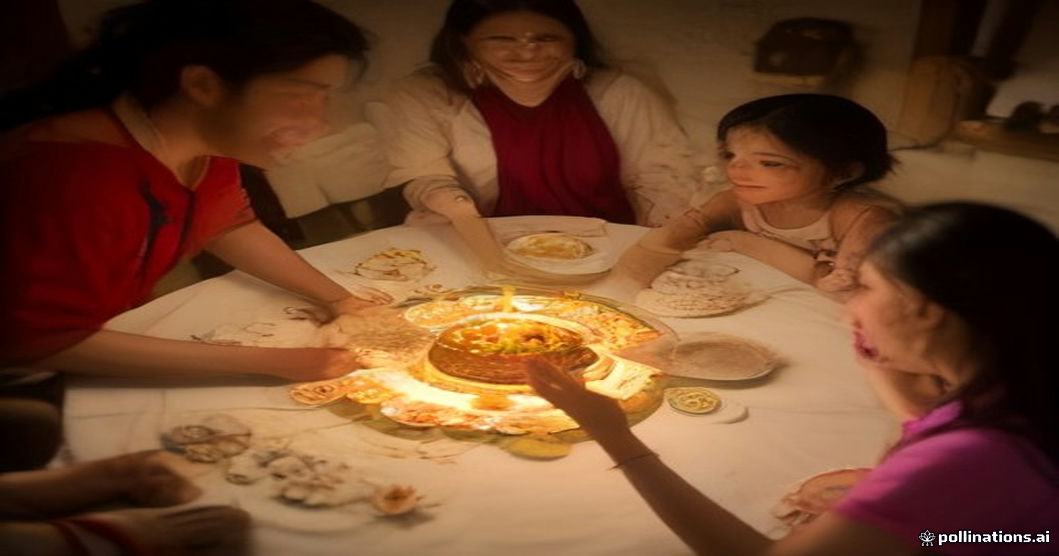 family kitchen Dussehra cooking
Cultural Resonance & Health Benefits
Beyond taste, the dish taps into regional identity. Chana dal, a staple in Rajasthan and Gujarat, symbolizes resilience—its crisp texture mirrors the triumph of good over evil celebrated on Dussehra. Paneer, a source of high‑quality protein, adds a nutrient boost: calcium for bone health and essential amino acids for muscle repair.
From a nutritional standpoint, a serving of Khasta Poori (≈80 g) provides ~200 kcal, 7 g protein, and 10 g fat—manageable within a festive spread. The paneer gravy contributes ~150 kcal and 12 g protein per cup, making the combo a balanced source of macro‑nutrients.
Editorial Analysis & Future Outlook
The Dussehra home‑cooking wave signals a lasting paradigm shift in Indian festive gastronomy. As families continue to prioritize health, cost, and creative expression, we can expect:
- Rise of Regional Fusion – Chefs will experiment with local grains (millet, sorghum) in poori batter, catering to gluten‑free audiences.
- Digital Recipe Ecosystems – Short‑form video platforms will host step‑by‑step tutorials, further accelerating adoption.
- Commercial Opportunities – FMCG brands may launch ready‑to‑cook Khasta Poori mixes, capitalizing on convenience while preserving authenticity.
In the long term, such trends could redefine festival economics, reducing reliance on high‑margin restaurant services and fostering a sustainable, home‑centric culinary culture. The celebration of Dussehra will increasingly be measured not just by the grandeur of the feast but by the joy of creating it together.
Stay tuned for more festive food insights and step‑by‑step guides from our editorial desk.
Original Reporting & Source: India Today Top Stories

Discussion (0)
Sign in to join the discussion.
No comments yet. Be the first to start the conversation!