Umang Sisodia • • 6 min read • 1 view

Smog Returns to Delhi: Is the Capital Bracing for Another Polluted Winter?
Listen to Article
Select a voice and press play
Smog Returns to Delhi: Is the Capital Bracing for Another Polluted Winter?

Key Takeaways

  • Delhi’s AQI has spiked above 400, reviving memories of the 2017‑2019 smog crises.
  • Weather patterns, vehicular emissions, and stalled policy measures are converging to create a perfect storm.
  • Authorities are rolling out emergency alerts, but public preparedness remains uneven.
  • Long‑term solutions demand a shift to cleaner transport, stricter industrial controls, and robust citizen engagement.

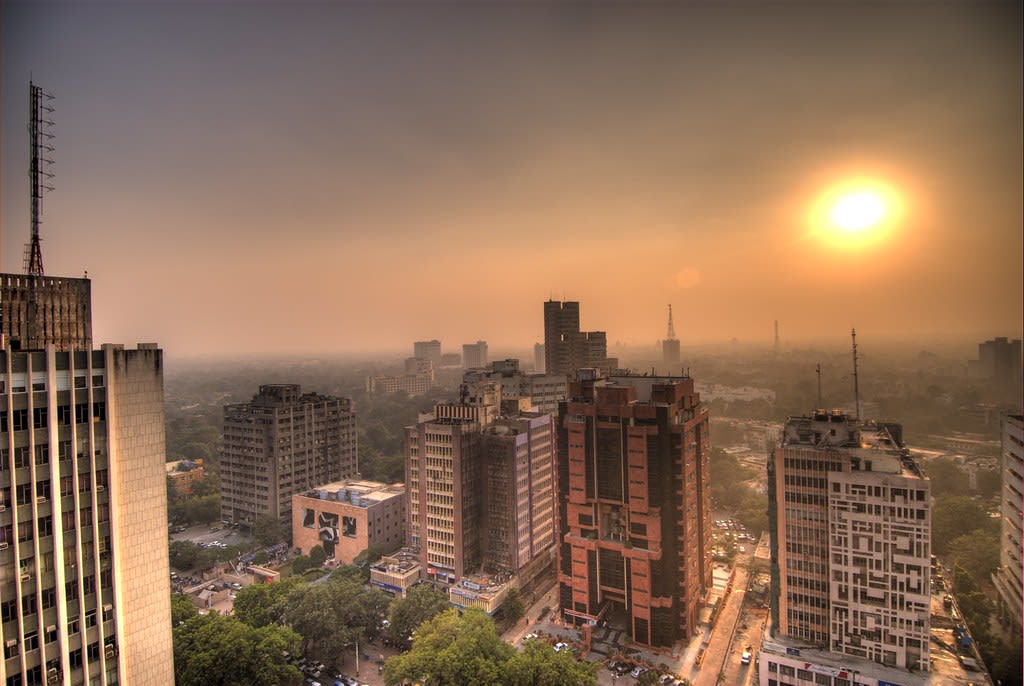
Delhi’s winter skies have once again turned a hazy, amber hue, prompting residents to wonder whether the city is on the brink of another severe smog episode. The latest data from the Central Pollution Control Board (CPCB) shows the Air Quality Index (AQI) hovering around 400‑450 in several monitoring stations across the National Capital Region (NCR). This resurgence mirrors the infamous smog events of 2017, 2018, and 2019 that forced schools to shut, hospitals to brace for a surge in respiratory cases, and the city’s image to take a global hit.

Why the Surge Now?

1. Meteorological Conditions Winter in the Indo‑Gangetic plains brings a confluence of cold air, low wind speeds, and temperature inversions that trap pollutants close to the ground. This year, an unusually prolonged cold front has stalled over Delhi, preventing the usual dispersion of airborne particles.

2. Vehicular Emissions Despite the rollout of BS‑VI fuel standards, the city’s traffic remains a major source of fine particulate matter (PM2.5). The surge in two‑wheelers and older diesel trucks, combined with frequent traffic snarls, creates a continuous plume of exhaust that feeds the smog.

3. Stagnant Industrial Output Industrial clusters in the adjoining states of Haryana and Uttar Pradesh continue to operate with lax emission norms. Brick kilns, thermal power plants, and small‑scale manufacturers release large quantities of sulfur dioxide (SO₂) and nitrogen oxides (NOₓ), which chemically transform into secondary aerosols under winter conditions.

4. Agricultural Residue Burning While the government’s “Pradhan Mantri Kisan Samman Nidhi” scheme aims to curb crop residue burning, satellite imagery still shows significant fire activity in Punjab and Haryana during the post‑harvest period. The smoke from these fires drifts eastward, adding another layer of pollutants to Delhi’s already compromised air.

"The air we breathe today feels like a thick blanket, and it’s not just an inconvenience—it’s a health emergency," says Dr. Anjali Mehta, a pulmonologist at AIIMS, Delhi.


Health Implications: A Growing Public Health Crisis

The health toll of smog is both immediate and long‑lasting. Short‑term effects include eye irritation, throat discomfort, and exacerbated asthma attacks. Long‑term exposure, especially to PM2.5, is linked to chronic respiratory diseases, cardiovascular complications, and even reduced life expectancy.

  • Vulnerable Groups: Children, the elderly, and those with pre‑existing conditions are most at risk.
  • Hospital Admissions: Data from Delhi’s top hospitals indicate a 30% rise in respiratory‑related admissions during peak smog days.
  • Economic Cost: The World Bank estimates that air pollution costs India $1.5 trillion annually in lost productivity and healthcare expenses.

Public health agencies have issued advisories urging citizens to limit outdoor activities, use N‑95 masks, and keep indoor spaces well‑ventilated. However, compliance is uneven, especially in low‑income neighborhoods where mask affordability and awareness are limited.
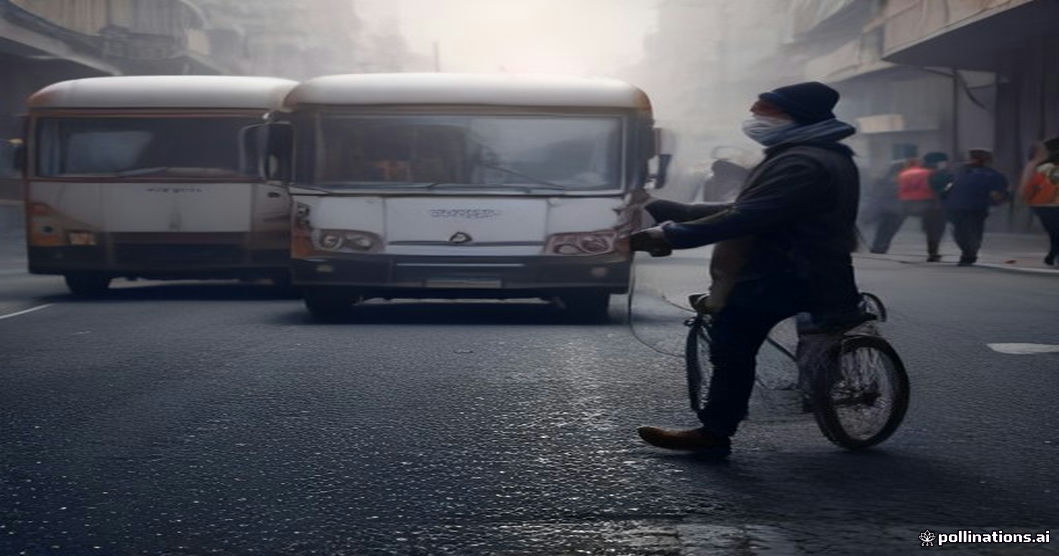
Delhi traffic jam smog Delhi traffic jam smog


Government Response: Reactive Measures vs. Proactive Planning

The Delhi government has activated its ‘Air Quality Management Plan’ (AQMP) for the winter season. Key actions include:

  • Temporary Closure of Brick Kilns: Around 1,200 kilns have been ordered to shut down for a fortnight.
  • Odd‑Even Vehicle Scheme: Re‑introduced for a three‑week period to reduce traffic density.
  • Free Distribution of N‑95 Masks: Over 5 million masks handed out at schools, hospitals, and community centers.
  • Real‑Time AQI Alerts: Mobile app notifications and city‑wide LED billboards now display live AQI readings.

While these steps provide short‑term relief, critics argue that they are reactive rather than preventive. The National Clean Air Programme (NCAP), launched in 2019 with a target to cut PM2.5 levels by 20‑30% by 2024, has struggled with implementation gaps, especially in inter‑state coordination.

The Role of Citizens and NGOs

Grassroots initiatives are emerging as crucial allies in the fight against Delhi’s smog:

  • Citizen Science Projects: Volunteers use low‑cost sensors to map micro‑level pollution hotspots, feeding data to platforms like OpenAQ.
  • Tree‑Planting Drives: NGOs such as Green Delhi aim to plant 2 million saplings across the city, focusing on native species that absorb pollutants.
  • Awareness Campaigns: Social media challenges encouraging people to share photos of masked commuters have amplified the conversation, making air quality a daily topic of discourse.

These community‑driven actions not only raise awareness but also create pressure on policymakers to accelerate structural reforms.


Economic Ripple Effects: From Markets to Mobility

The smog episode also reverberates through Delhi’s economy:

  • Retail Slowdown: Foot traffic in malls and street markets drops by an estimated 15‑20% during high‑AQI days.
  • Logistics Disruption: Freight movement slows, leading to higher delivery costs for e‑commerce platforms.
  • Tourism Hit: International visitors, often deterred by poor air quality, shorten their stays, affecting hospitality revenues.

On the flip side, the demand for air‑purification devices, mask manufacturers, and green technology startups has surged, creating niche market opportunities.


Looking Ahead: Is a Cleaner Delhi on the Horizon?

The recurring smog pattern underscores a stark reality: without systemic change, Delhi will continue to experience polluted winters. The path forward hinges on three interlinked pillars:

  1. Decarbonising Transport: Accelerating the shift to electric buses, expanding metro connectivity, and incentivising low‑emission vehicles.
  2. Industrial Regulation: Implementing stringent emission caps, mandating continuous emission monitoring systems (CEMS), and fostering cleaner production technologies.
  3. Regional Cooperation: Coordinated action with neighboring states to curb crop‑burning, share real‑time air‑quality data, and develop joint mitigation strategies.

If these measures gain momentum, Delhi could transform from a case study of chronic air‑pollution to a model for urban sustainability in emerging economies.


Editorial Analysis & Future Outlook

The resurgence of smog in Delhi is more than a seasonal inconvenience; it is a litmus test for India’s broader environmental governance. The city’s repeated exposure to hazardous AQI levels reflects gaps in policy execution, inter‑state coordination, and public engagement.

Strategically, the government must pivot from episodic emergency responses to a holistic, data‑driven framework. This includes scaling up the network of low‑cost sensors, integrating AI‑powered forecasting models, and establishing a transparent, publicly accessible air‑quality dashboard.

Technologically, the next five years could witness a boom in green mobility solutions—electric two‑wheelers, solar‑powered public transport, and smart traffic management systems that reduce congestion‑related emissions.

Socially, empowering citizens through education and affordable protective gear will be pivotal. When the populace internalises air quality as a shared responsibility, compliance with mask mandates and participation in tree‑planting drives become organic, not coercive.

In sum, Delhi’s battle against smog is emblematic of the climate‑justice challenges facing megacities worldwide. The city’s ability to turn crisis into catalyst will determine not only the health of its residents but also its standing as a resilient, future‑ready metropolis.


Original Reporting & Source: India Today Top Stories

Discussion (0)

Sign in to join the discussion.

No comments yet. Be the first to start the conversation!

| |

Smog Returns to Delhi: Is the Capital Bracing for Another Polluted Winter?

By Umang Sisodia • 6 min read • 1 view

Key Takeaways

  • Delhi’s AQI has spiked above 400, reviving memories of the 2017‑2019 smog crises.
  • Weather patterns, vehicular emissions, and stalled policy measures are converging to create a perfect storm.
  • Authorities are rolling out emergency alerts, but public preparedness remains uneven.
  • Long‑term solutions demand a shift to cleaner transport, stricter industrial controls, and robust citizen engagement.

Delhi’s winter skies have once again turned a hazy, amber hue, prompting residents to wonder whether the city is on the brink of another severe smog episode. The latest data from the Central Pollution Control Board (CPCB) shows the Air Quality Index (AQI) hovering around 400‑450 in several monitoring stations across the National Capital Region (NCR). This resurgence mirrors the infamous smog events of 2017, 2018, and 2019 that forced schools to shut, hospitals to brace for a surge in respiratory cases, and the city’s image to take a global hit.

Why the Surge Now?

1. Meteorological Conditions Winter in the Indo‑Gangetic plains brings a confluence of cold air, low wind speeds, and temperature inversions that trap pollutants close to the ground. This year, an unusually prolonged cold front has stalled over Delhi, preventing the usual dispersion of airborne particles.

2. Vehicular Emissions Despite the rollout of BS‑VI fuel standards, the city’s traffic remains a major source of fine particulate matter (PM2.5). The surge in two‑wheelers and older diesel trucks, combined with frequent traffic snarls, creates a continuous plume of exhaust that feeds the smog.

3. Stagnant Industrial Output Industrial clusters in the adjoining states of Haryana and Uttar Pradesh continue to operate with lax emission norms. Brick kilns, thermal power plants, and small‑scale manufacturers release large quantities of sulfur dioxide (SO₂) and nitrogen oxides (NOₓ), which chemically transform into secondary aerosols under winter conditions.

4. Agricultural Residue Burning While the government’s “Pradhan Mantri Kisan Samman Nidhi” scheme aims to curb crop residue burning, satellite imagery still shows significant fire activity in Punjab and Haryana during the post‑harvest period. The smoke from these fires drifts eastward, adding another layer of pollutants to Delhi’s already compromised air.

"The air we breathe today feels like a thick blanket, and it’s not just an inconvenience—it’s a health emergency," says Dr. Anjali Mehta, a pulmonologist at AIIMS, Delhi.


Health Implications: A Growing Public Health Crisis

The health toll of smog is both immediate and long‑lasting. Short‑term effects include eye irritation, throat discomfort, and exacerbated asthma attacks. Long‑term exposure, especially to PM2.5, is linked to chronic respiratory diseases, cardiovascular complications, and even reduced life expectancy.

  • Vulnerable Groups: Children, the elderly, and those with pre‑existing conditions are most at risk.
  • Hospital Admissions: Data from Delhi’s top hospitals indicate a 30% rise in respiratory‑related admissions during peak smog days.
  • Economic Cost: The World Bank estimates that air pollution costs India $1.5 trillion annually in lost productivity and healthcare expenses.

Public health agencies have issued advisories urging citizens to limit outdoor activities, use N‑95 masks, and keep indoor spaces well‑ventilated. However, compliance is uneven, especially in low‑income neighborhoods where mask affordability and awareness are limited.

Delhi traffic jam smog Delhi traffic jam smog


Government Response: Reactive Measures vs. Proactive Planning

The Delhi government has activated its ‘Air Quality Management Plan’ (AQMP) for the winter season. Key actions include:

  • Temporary Closure of Brick Kilns: Around 1,200 kilns have been ordered to shut down for a fortnight.
  • Odd‑Even Vehicle Scheme: Re‑introduced for a three‑week period to reduce traffic density.
  • Free Distribution of N‑95 Masks: Over 5 million masks handed out at schools, hospitals, and community centers.
  • Real‑Time AQI Alerts: Mobile app notifications and city‑wide LED billboards now display live AQI readings.

While these steps provide short‑term relief, critics argue that they are reactive rather than preventive. The National Clean Air Programme (NCAP), launched in 2019 with a target to cut PM2.5 levels by 20‑30% by 2024, has struggled with implementation gaps, especially in inter‑state coordination.

The Role of Citizens and NGOs

Grassroots initiatives are emerging as crucial allies in the fight against Delhi’s smog:

  • Citizen Science Projects: Volunteers use low‑cost sensors to map micro‑level pollution hotspots, feeding data to platforms like OpenAQ.
  • Tree‑Planting Drives: NGOs such as Green Delhi aim to plant 2 million saplings across the city, focusing on native species that absorb pollutants.
  • Awareness Campaigns: Social media challenges encouraging people to share photos of masked commuters have amplified the conversation, making air quality a daily topic of discourse.

These community‑driven actions not only raise awareness but also create pressure on policymakers to accelerate structural reforms.


Economic Ripple Effects: From Markets to Mobility

The smog episode also reverberates through Delhi’s economy:

  • Retail Slowdown: Foot traffic in malls and street markets drops by an estimated 15‑20% during high‑AQI days.
  • Logistics Disruption: Freight movement slows, leading to higher delivery costs for e‑commerce platforms.
  • Tourism Hit: International visitors, often deterred by poor air quality, shorten their stays, affecting hospitality revenues.

On the flip side, the demand for air‑purification devices, mask manufacturers, and green technology startups has surged, creating niche market opportunities.


Looking Ahead: Is a Cleaner Delhi on the Horizon?

The recurring smog pattern underscores a stark reality: without systemic change, Delhi will continue to experience polluted winters. The path forward hinges on three interlinked pillars:

  1. Decarbonising Transport: Accelerating the shift to electric buses, expanding metro connectivity, and incentivising low‑emission vehicles.
  2. Industrial Regulation: Implementing stringent emission caps, mandating continuous emission monitoring systems (CEMS), and fostering cleaner production technologies.
  3. Regional Cooperation: Coordinated action with neighboring states to curb crop‑burning, share real‑time air‑quality data, and develop joint mitigation strategies.

If these measures gain momentum, Delhi could transform from a case study of chronic air‑pollution to a model for urban sustainability in emerging economies.


Editorial Analysis & Future Outlook

The resurgence of smog in Delhi is more than a seasonal inconvenience; it is a litmus test for India’s broader environmental governance. The city’s repeated exposure to hazardous AQI levels reflects gaps in policy execution, inter‑state coordination, and public engagement.

Strategically, the government must pivot from episodic emergency responses to a holistic, data‑driven framework. This includes scaling up the network of low‑cost sensors, integrating AI‑powered forecasting models, and establishing a transparent, publicly accessible air‑quality dashboard.

Technologically, the next five years could witness a boom in green mobility solutions—electric two‑wheelers, solar‑powered public transport, and smart traffic management systems that reduce congestion‑related emissions.

Socially, empowering citizens through education and affordable protective gear will be pivotal. When the populace internalises air quality as a shared responsibility, compliance with mask mandates and participation in tree‑planting drives become organic, not coercive.

In sum, Delhi’s battle against smog is emblematic of the climate‑justice challenges facing megacities worldwide. The city’s ability to turn crisis into catalyst will determine not only the health of its residents but also its standing as a resilient, future‑ready metropolis.


Original Reporting & Source: India Today Top Stories