Umang Sisodia • • 4 min read • 1 view
AI-Manipulated Photo of ‘Pakistani Man’ Sparks Indian Democracy Debate
Key Takeaways
- A viral image claiming a Pakistani man was fighting for Indian democracy was proven to be AI‑manipulated.
- Fact‑check teams highlighted how deep‑fake tools can weaponise cross‑border tensions.
- The story surged on Google Trends due to its blend of politics, nationalism and tech intrigue.
- Long‑term, such manipulations threaten media credibility and could reshape Indo‑Pak diplomatic narratives.
The Image That Sparked a Storm
Origin and Initial Spread
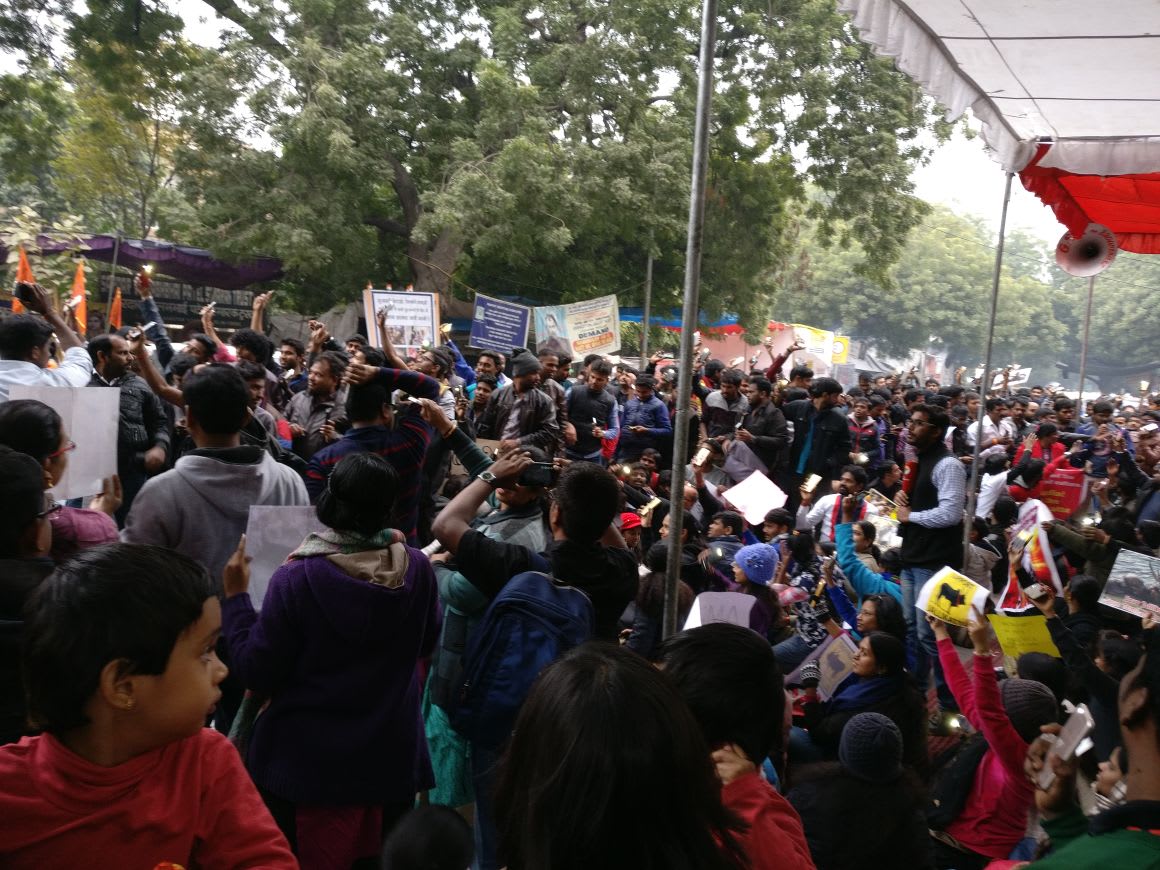
In early September 2024, a striking photograph began circulating on Twitter, Instagram and several Indian news portals. The picture showed a man, ostensibly of Pakistani origin, holding an Indian tricolor amidst a sea of protestors in New Delhi. Captions read: “Pakistani brother stands with us for Indian democracy!” The post quickly amassed millions of likes, shares and comments, fueling a wave of nationalistic fervour.
Fact‑Check Findings
The Quint’s investigative team, in collaboration with the Fact‑Check Unit of the Press Council of India, launched a forensic analysis. Using reverse‑image search, metadata inspection and AI‑artifact detection tools, they uncovered several red flags:
- The background skyline did not match any known Delhi location; pixel‑level inconsistencies suggested compositing.
- The subject’s facial features bore a striking resemblance to a well‑known Pakistani activist whose image had been taken from a 2022 interview.
- Noise patterns and lighting direction were inconsistent with the purported time of day. The conclusion was unequivocal: the image was a deep‑fake, stitched together from multiple sources using generative AI software.
Why the Story Went Viral
Role of AI Deepfakes
The rise of user‑friendly AI generators (e.g., Midjourney, Stable Diffusion) has lowered the barrier for creating convincing visual misinformation. In this case, the manipulators exploited two powerful narratives:
- Cross‑border solidarity – portraying a Pakistani citizen supporting Indian democratic values appealed to a broad audience seeking symbols of unity.
- Nationalist validation – the image reinforced the “India first” sentiment prevalent during the upcoming state elections.
Political Sensitivities
India and Pakistan share a fraught history, and any depiction of mutual goodwill is instantly magnified. Media outlets, eager for click‑bait, amplified the story without rigorous verification, allowing the misinformation to embed itself in public discourse.
 digital forensics lab
The Bigger Picture: Trust in Visual Media
Impact on Indo‑Pak Relations
While the image itself was harmless, its ripple effects were not. Pakistani officials issued a diplomatic protest, accusing Indian media of “fabricating evidence to malign Pakistan.” Indian opposition parties seized the moment to demand stricter regulation of AI‑generated content, citing national security concerns.
Implications for Election Discourse
The incident coincided with the run‑up to several key state elections. Political strategists warned that AI‑fabricated visuals could be weaponised to discredit opponents, manipulate voter sentiment, and even trigger communal unrest. The Election Commission of India has since announced a task force to monitor AI‑driven misinformation.
Editorial Analysis & Future Outlook
The rapid virality of the AI‑manipulated photo underscores a pivotal shift in the information ecosystem:
- Erosion of visual trust – Audiences are becoming increasingly sceptical of photographs, a medium once considered incontrovertible evidence.
- Regulatory lag – Legal frameworks struggle to keep pace with generative AI capabilities, creating a vacuum that malicious actors exploit.
- Technological arms race – As deep‑fake creation tools improve, forensic detection must evolve in tandem. Investment in AI‑driven verification platforms will become a strategic priority for newsrooms and governments alike.
Looking ahead, we can expect:
- Standardised metadata tagging for images to certify authenticity at the point of capture.
- Cross‑border collaborative fact‑checking mechanisms, especially between nations with shared media ecosystems.
- Public media literacy campaigns focusing on AI‑generated content, empowering citizens to discern fact from fabrication.
In the meantime, journalists must adopt a “trust‑but‑verify” mindset, treating every viral visual as a potential deep‑fake until proven otherwise. The stakes are high: the credibility of democratic discourse, the stability of fragile diplomatic ties, and the very fabric of truth in the digital age hang in the balance.
Original Reporting & Source: The Quint

Discussion (0)
Sign in to join the discussion.
No comments yet. Be the first to start the conversation!