Umang Sisodia • • 4 min read • 1 view

Elephant Rampage in Shivamogga: Bullock Cart Sparks Chaotic Dash
Listen to Article
Select a voice and press play
Elephant Rampage in Shivamogga: Bullock Cart Sparks Chaotic Dash

Key Takeaways

  • A stray bullock cart collided with an elephant during Shivamogga's Jamboo Savari, sending the animal into a frantic run.
  • Hundreds of locals pursued the elephant, turning a festive procession into a viral spectacle.
  • Authorities faced criticism for delayed response; the incident raises questions about crowd control at traditional festivals.
  • The video clip has amassed millions of views, igniting nationwide debate on wildlife management and public safety.

The Unfolding Chaos in Shivamogga

On a bright Saturday afternoon, the streets of Shivamogga were awash with colour, music, and the rhythmic thud of Jamboo Savari—the iconic elephant procession that marks the Dussehra celebrations in Karnataka. What began as a jubilant parade turned into a heart‑pounding chase when an ambari (bullock cart) suddenly veered into the elephant’s path.

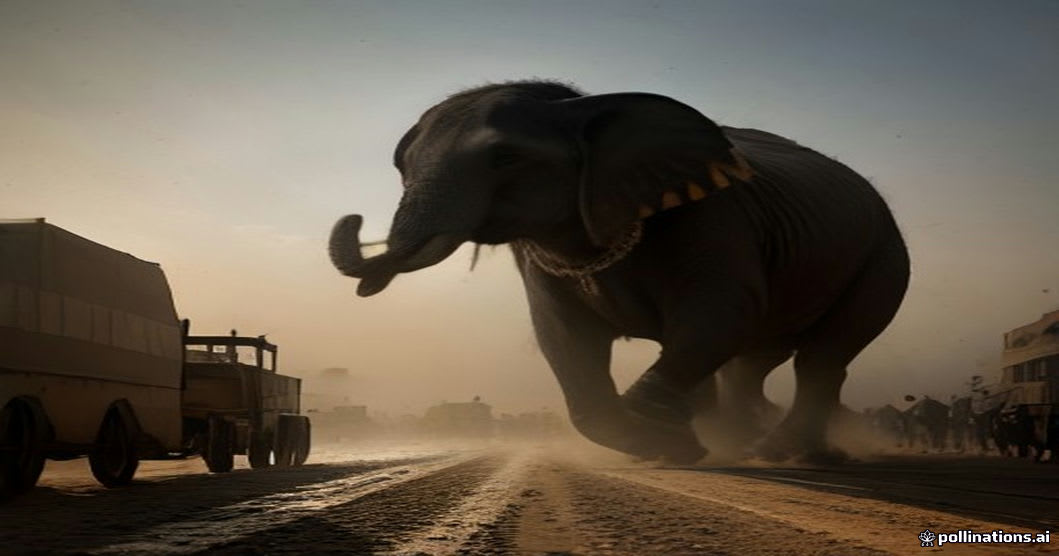
The massive pachyderm, startled by the sudden impact, broke free from its handlers and bolted down the main road, its massive feet kicking up clouds of dust. Witnesses describe the scene as a “living nightmare” as the animal barreled past shops, auto‑rickshaws, and a line of onlookers who instinctively turned into pursuers.

"I saw the elephant sprinting like a runaway train. People started shouting, some tried to block it, but most just ran after it with their phones out," – a local resident, quoted by Kannada Prabha.

What Sparked the Elephant’s Frenzy

Investigations point to a collision with an ambari—a traditional bullock‑driven cart used for transporting goods during the festival. The cart, apparently overloaded with silver‑plated ambari decorations, lost control on a slick stretch of the road and slammed into the elephant’s flank.

Veterinarians later explained that elephants are highly sensitive to sudden physical shocks, especially when they are already in a heightened state of arousal from the festival’s loud drums and fireworks. The impact likely triggered a classic flight response, causing the animal to run unchecked.

On‑Ground Reactions and Viral Video

The incident was captured on multiple smartphones, the most viral clip posted by a user named "Soman_Official" on social media platforms. Within hours, the video racked up over 5 million views, spawning memes, debates, and a flood of comments ranging from sympathy for the distressed animal to criticism of the crowd’s reckless pursuit.

Local authorities, including the Shivamogda Police and Forest Department, arrived on the scene after a noticeable delay. By the time they reached the elephant, it had already been cornered near a narrow alley, where it finally calmed down after being coaxed with large bunches of banana leaves—a traditional calming method for elephants.

The aftermath was equally dramatic: the ambari cart was completely smashed, several vehicles sustained minor damage, and a few pedestrians reported minor injuries from the chaos. The Shivamogga Municipal Corporation has since launched an inquiry into the safety protocols of the Jamboo Savari.

Authorities’ Response

  • Immediate actions: The police sealed off the main road, deployed animal handlers, and set up a temporary medical camp for injured civilians.
  • Long‑term measures: The Karnataka Forest Department announced a review of elephant handling guidelines during festivals, emphasizing the need for reinforced barriers and pre‑event risk assessments.
  • Public statements: Minister S. Somanna (Forest) expressed regret, stating, "We will ensure that such incidents do not repeat. The safety of both our wildlife and citizens is paramount."

Editorial Analysis & Future Outlook

The Shivamogga elephant incident is more than a sensational video; it is a symptom of systemic gaps in managing large‑scale cultural events that involve wildlife. Traditional festivals like Jamboo Savari are deeply rooted in regional identity, yet they often clash with modern urban infrastructure and crowd dynamics.

Key implications:

  1. Policy overhaul – State governments may need to draft stricter wildlife‑festival integration policies, mandating risk‑assessment committees and real‑time monitoring.
  2. Technology adoption – Deploying drones and AI‑powered crowd analytics could provide early warnings when an animal deviates from its path.
  3. Community education – Grassroots campaigns educating locals on how to respond calmly during animal emergencies can reduce panic‑driven pursuits that exacerbate the situation.
  4. Legal accountability – The incident could set precedents for holding event organizers legally liable for negligence, prompting a shift toward professional animal handlers rather than community volunteers.

In the broader picture, as India continues to urbanize, the human‑wildlife interface will become increasingly fraught. Incidents like Shivamogga’s serve as cautionary tales, urging policymakers, cultural custodians, and citizens to re‑imagine tradition through the lens of safety and sustainability. If the lessons are heeded, future Jamboo Savaris could emerge safer, preserving both the cultural vibrancy and the well‑being of the majestic elephants that symbolize it.


Original Reporting & Source: Google Trends (India)

Discussion (0)

Sign in to join the discussion.

No comments yet. Be the first to start the conversation!

| |

Elephant Rampage in Shivamogga: Bullock Cart Sparks Chaotic Dash

By Umang Sisodia • 4 min read • 1 view

Key Takeaways

  • A stray bullock cart collided with an elephant during Shivamogga's Jamboo Savari, sending the animal into a frantic run.
  • Hundreds of locals pursued the elephant, turning a festive procession into a viral spectacle.
  • Authorities faced criticism for delayed response; the incident raises questions about crowd control at traditional festivals.
  • The video clip has amassed millions of views, igniting nationwide debate on wildlife management and public safety.

The Unfolding Chaos in Shivamogga

On a bright Saturday afternoon, the streets of Shivamogga were awash with colour, music, and the rhythmic thud of Jamboo Savari—the iconic elephant procession that marks the Dussehra celebrations in Karnataka. What began as a jubilant parade turned into a heart‑pounding chase when an ambari (bullock cart) suddenly veered into the elephant’s path.

The massive pachyderm, startled by the sudden impact, broke free from its handlers and bolted down the main road, its massive feet kicking up clouds of dust. Witnesses describe the scene as a “living nightmare” as the animal barreled past shops, auto‑rickshaws, and a line of onlookers who instinctively turned into pursuers.

"I saw the elephant sprinting like a runaway train. People started shouting, some tried to block it, but most just ran after it with their phones out," – a local resident, quoted by Kannada Prabha.

What Sparked the Elephant’s Frenzy

Investigations point to a collision with an ambari—a traditional bullock‑driven cart used for transporting goods during the festival. The cart, apparently overloaded with silver‑plated ambari decorations, lost control on a slick stretch of the road and slammed into the elephant’s flank.

Veterinarians later explained that elephants are highly sensitive to sudden physical shocks, especially when they are already in a heightened state of arousal from the festival’s loud drums and fireworks. The impact likely triggered a classic flight response, causing the animal to run unchecked.

On‑Ground Reactions and Viral Video

The incident was captured on multiple smartphones, the most viral clip posted by a user named "Soman_Official" on social media platforms. Within hours, the video racked up over 5 million views, spawning memes, debates, and a flood of comments ranging from sympathy for the distressed animal to criticism of the crowd’s reckless pursuit.

Local authorities, including the Shivamogda Police and Forest Department, arrived on the scene after a noticeable delay. By the time they reached the elephant, it had already been cornered near a narrow alley, where it finally calmed down after being coaxed with large bunches of banana leaves—a traditional calming method for elephants.

The aftermath was equally dramatic: the ambari cart was completely smashed, several vehicles sustained minor damage, and a few pedestrians reported minor injuries from the chaos. The Shivamogga Municipal Corporation has since launched an inquiry into the safety protocols of the Jamboo Savari.

Authorities’ Response

  • Immediate actions: The police sealed off the main road, deployed animal handlers, and set up a temporary medical camp for injured civilians.
  • Long‑term measures: The Karnataka Forest Department announced a review of elephant handling guidelines during festivals, emphasizing the need for reinforced barriers and pre‑event risk assessments.
  • Public statements: Minister S. Somanna (Forest) expressed regret, stating, "We will ensure that such incidents do not repeat. The safety of both our wildlife and citizens is paramount."

Editorial Analysis & Future Outlook

The Shivamogga elephant incident is more than a sensational video; it is a symptom of systemic gaps in managing large‑scale cultural events that involve wildlife. Traditional festivals like Jamboo Savari are deeply rooted in regional identity, yet they often clash with modern urban infrastructure and crowd dynamics.

Key implications:

  1. Policy overhaul – State governments may need to draft stricter wildlife‑festival integration policies, mandating risk‑assessment committees and real‑time monitoring.
  2. Technology adoption – Deploying drones and AI‑powered crowd analytics could provide early warnings when an animal deviates from its path.
  3. Community education – Grassroots campaigns educating locals on how to respond calmly during animal emergencies can reduce panic‑driven pursuits that exacerbate the situation.
  4. Legal accountability – The incident could set precedents for holding event organizers legally liable for negligence, prompting a shift toward professional animal handlers rather than community volunteers.

In the broader picture, as India continues to urbanize, the human‑wildlife interface will become increasingly fraught. Incidents like Shivamogga’s serve as cautionary tales, urging policymakers, cultural custodians, and citizens to re‑imagine tradition through the lens of safety and sustainability. If the lessons are heeded, future Jamboo Savaris could emerge safer, preserving both the cultural vibrancy and the well‑being of the majestic elephants that symbolize it.


Original Reporting & Source: Google Trends (India)