Umang Sisodia • • 5 min read • 1 view
Supreme Court Blocks Trump’s Transgender Inmate Policy: What It Means for Prison Reform
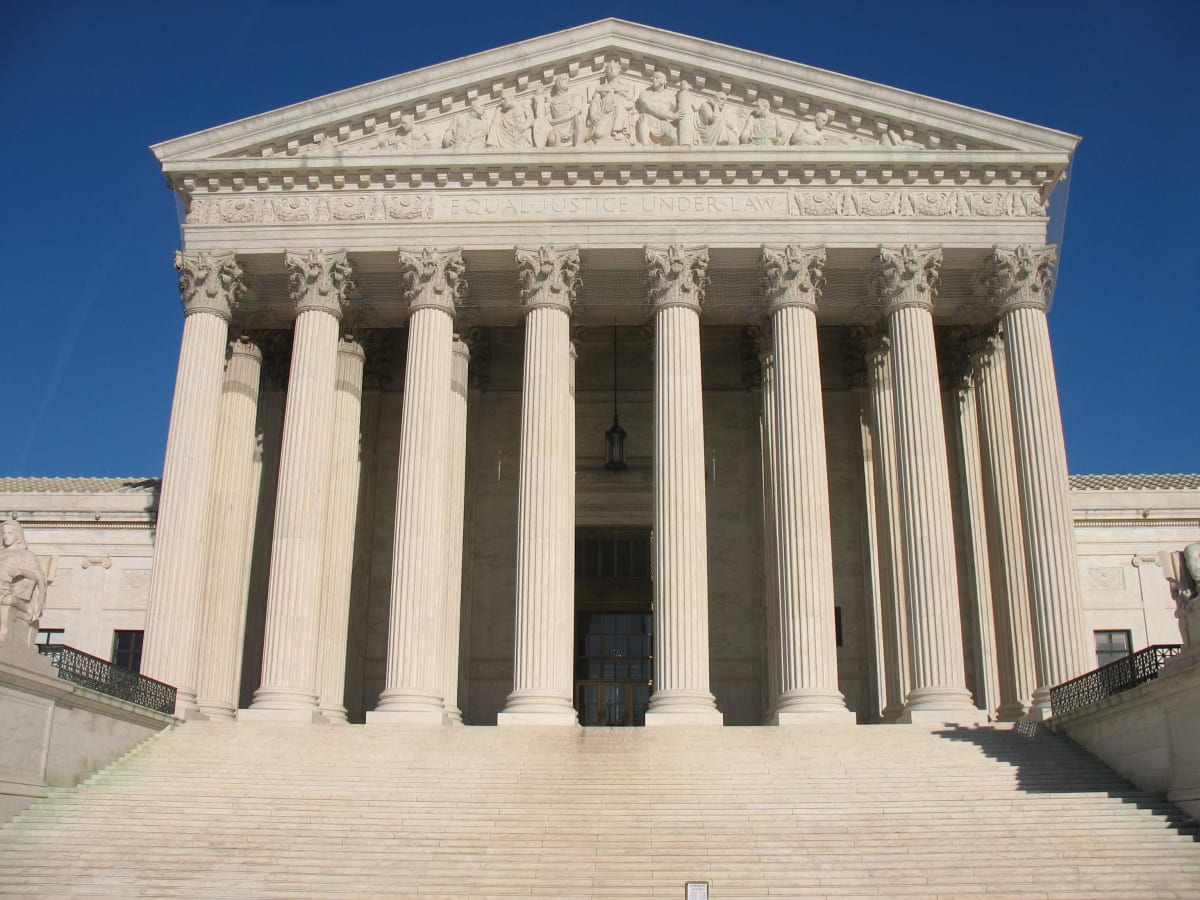
Key Takeaways
- The U.S. Supreme Court unanimously rejected the Trump administration’s attempt to impose stricter housing rules on transgender prisoners.
- The decision reaffirms lower‑court rulings that the policy violated the Constitution’s Due Process and Equal Protection clauses.
- Advocacy groups hail the ruling as a victory for LGBTQ+ rights, while conservative lawmakers vow to pursue legislative workarounds.
- The case sets a precedent that could shape future federal prison reforms and influence state‑level policies across the country.
The Ruling in Detail
On June 27, 2024, the United States Supreme Court issued a per curiam opinion denying the Trump administration’s petition to stay lower‑court orders that blocked its proposed restrictions on housing transgender inmates. The petition sought to allow prisons to place transgender women in male facilities based on “biological sex,” a move critics argued would increase safety risks for both transgender prisoners and the general inmate population.
The Court’s refusal to intervene effectively upheld the injunctions issued by the U.S. District Court for the Eastern District of California, which had found the policy to be unconstitutional. The justices did not provide a detailed opinion, but the unanimous denial signals that the Court found no compelling reason to overturn the lower courts’ analysis.
"The petition fails to demonstrate a substantial likelihood of success on the merits, nor does it show that the balance of harms tips in favor of the government," the Court’s order read.
Legal and Political Context
The Trump administration’s policy originated from a 2020 executive order aimed at curbing what it described as “security threats” posed by transgender inmates. The order instructed the Federal Bureau of Prisons (BOP) to adopt a biological‑sex‑based housing model, effectively mandating that transgender women be housed with male inmates unless a case‑by‑case assessment proved otherwise.
Civil‑rights organizations, including the ACLU and the National Center for Transgender Equality, swiftly challenged the rule, arguing that it violated:
- The Equal Protection Clause of the Fourteenth Amendment, by discriminating based on gender identity.
- Due Process rights, by denying transgender inmates the ability to seek individualized assessments.
Lower courts agreed, issuing nationwide injunctions that halted the policy’s implementation. The Supreme Court’s recent denial of the stay marks the final judicial hurdle for the policy’s enforcement, at least at the federal level.
Reactions Across the Spectrum
 federal prison interior
- LGBTQ+ Advocacy Groups: Celebrated the ruling as a reaffirmation of constitutional protections. ACLU spokesperson Maya Wiley said, “This decision underscores that discrimination under the guise of security has no place in our justice system.”
- Conservative Lawmakers: Decried the outcome, labeling it a “judicial overreach.” Senator Ted Cruz (R‑TX) announced plans to introduce a Federal Prison Safety Act that would codify housing standards irrespective of gender identity.
- Prison Administrators: Expressed relief that the policy’s uncertainty is resolved, allowing them to focus on evidence‑based safety protocols rather than politically driven mandates.
- Public Opinion: Polls conducted by Pew Research in the weeks following the decision show a 58% majority supporting the right of transgender individuals to be housed according to their gender identity, reflecting a gradual shift in societal attitudes.
Implications for Prison Policy
The ruling carries several immediate and long‑term implications:
- Policy Continuity: Federal prisons must continue to follow the case‑by‑case assessment model mandated by the BOP’s existing guidelines, which consider safety, medical needs, and inmate preferences.
- State‑Level Ripple Effects: Many states look to federal precedent when crafting their own prison policies. The decision is likely to influence state legislatures considering similar restrictions.
- Legal Precedent: By upholding lower‑court injunctions, the Court reinforces the principle that gender‑identity discrimination is subject to strict scrutiny under the Constitution.
- Resource Allocation: Prison systems will need to invest in training, counseling, and medical services tailored to transgender inmates, a cost some jurisdictions have previously resisted.
What’s Next for the Biden Administration?
President Joe Biden’s administration, which has championed LGBTQ+ rights, welcomed the decision. The White House Office of Public Engagement announced plans to:
- Expand funding for transgender health services in federal prisons.
- Launch a task force to develop best‑practice guidelines for safe housing arrangements.
- Coordinate with state officials to share federal insights and encourage uniform protections.
Meanwhile, congressional Republicans are expected to introduce bills aimed at limiting the executive branch’s authority over prison policy, setting the stage for a potential legislative showdown in the coming months.
Editorial Analysis & Future Outlook
The Supreme Court’s refusal to stay the injunction against the Trump‑era policy is more than a procedural win; it signals a judicial acknowledgment of evolving understandings of gender identity within the American legal framework. By siding with lower courts that applied heightened scrutiny, the Court has effectively placed constitutional safeguards around a vulnerable population that historically faced neglect and abuse.
Looking ahead, the decision could serve as a blueprint for future challenges involving LGBTQ+ rights in other institutional settings—schools, healthcare, and the military. It also underscores the importance of evidence‑based policy over ideologically driven mandates. As the Biden administration moves to codify protective measures, the interplay between the executive, legislative, and judicial branches will shape the trajectory of prison reform for years to come.
If Congress attempts to circumvent the ruling through new legislation, those statutes will inevitably be tested in courts, where the Supreme Court’s recent stance provides a strong precedent for upholding transgender inmates’ rights. The broader societal impact may be a gradual normalization of gender‑affirming policies, reducing stigma and improving safety for all incarcerated individuals.
In sum, the Supreme Court’s decision is a critical juncture—one that reaffirms constitutional protections, challenges entrenched biases, and sets the stage for a more humane, rights‑centered approach to corrections in the United States.
Original Reporting & Source: India Today Top Stories

Discussion (0)
Sign in to join the discussion.
No comments yet. Be the first to start the conversation!