Umang Sisodia • • 5 min read • 1 view
Tamil Nadu Braces for Heavy Rain on June 22: Chennai Leads the Surge
Key Takeaways
- A new low‑pressure system will trigger intense rain across several districts of Tamil Nadu on June 22, with Chennai at the epicenter.
- Google Trends shows a spike of 50,000+ searches for “சென்னை”, reflecting public anxiety over potential flooding.
- Meteorological experts warn the heavy downpour will persist until the 25th before gradually easing.
- Urban planning, drainage upgrades, and timely alerts are crucial to mitigate damage and protect vulnerable communities.
The Storm Brewing: What the Forecast Says
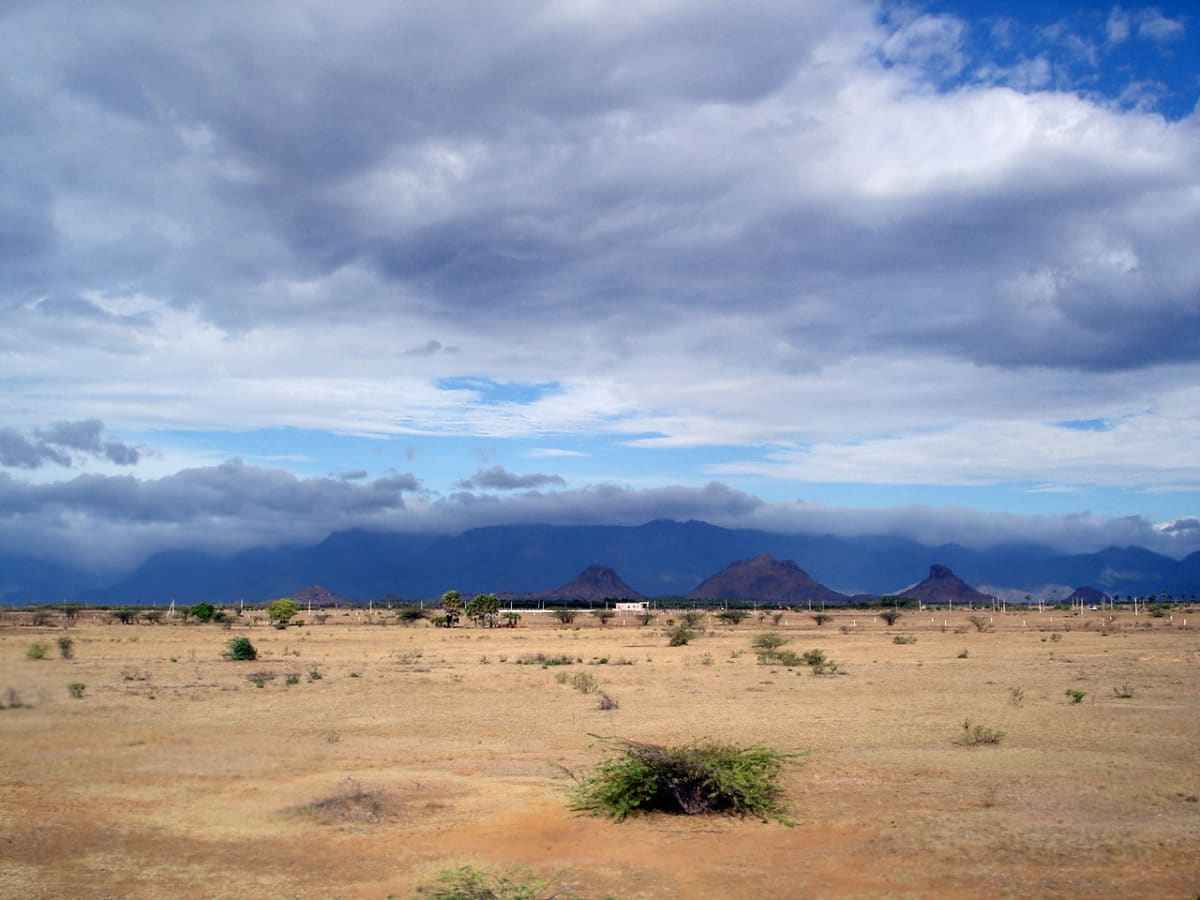
On June 22, the India Meteorological Department (IMD) has issued a “Severe Weather Alert” for Tamil Nadu, citing a deepening low‑pressure trough moving westward from the Bay of Bengal. The system is expected to dump 70‑100 mm of rain in a 24‑hour window across coastal districts, with Chennai, Kanchipuram, and Tiruvallur identified as the most exposed.
Why the Surge on Google Trends?
The query “சென்னை” exploded on Google Trends India, crossing the 50,000‑search threshold within hours of the IMD bulletin. Several factors fuel this surge:
- Recent Flood Memories – The 2015 Chennai floods remain fresh, prompting residents to seek real‑time updates.
- Social Media Amplification – Local news channels (Thanthi TV, Polimer News) posted live videos, driving traffic to search engines.
- Economic Stakes – Chennai’s port and IT corridors are economic lifelines; any disruption triggers immediate concern.
Ground Realities: District‑Wise Impact
| District | Expected Rainfall (mm) | Primary Risks |
|---|---|---|
| Chennai | 90‑110 | Urban flash floods, water‑logging, power outages |
| Kanchipuram | 70‑85 | River overflow, agricultural loss |
| Tiruvallur | 65‑80 | Road closures, landslides in hilly pockets |
| Chengalpattu | 55‑70 | Crop damage, livestock distress |
The IMD’s “Heavy Rain Warning” for these districts is complemented by the Chennai Weather Research Centre, which predicts a “rainfall intensity index” 1.8× higher than the seasonal average. The center’s spokesperson, Dr. R. Sundar, emphasized that “the convergence of sea‑borne moisture and a stationary low will sustain heavy showers for at least three consecutive days.”
"If drainage systems are not cleared, even moderate rain can turn streets into rivers," Dr. Sundar warned during a press briefing.
Public Response & Preparedness Measures
Local authorities have activated emergency response teams, pre‑positioned sandbags, and issued SMS alerts to residents. The Chennai Municipal Corporation (CMC) has also ordered the clearance of clogged storm‑water drains in high‑risk zones such as Mylapore, T. Nagar, and Adyar.
Community Initiatives
- Neighbourhood watch groups are using WhatsApp chains to share real‑time water‑level photos.
- NGOs like Thamarai are distributing waterproof tarpaulins to low‑income families.
- Schools have postponed outdoor activities and are conducting rain‑safety drills.
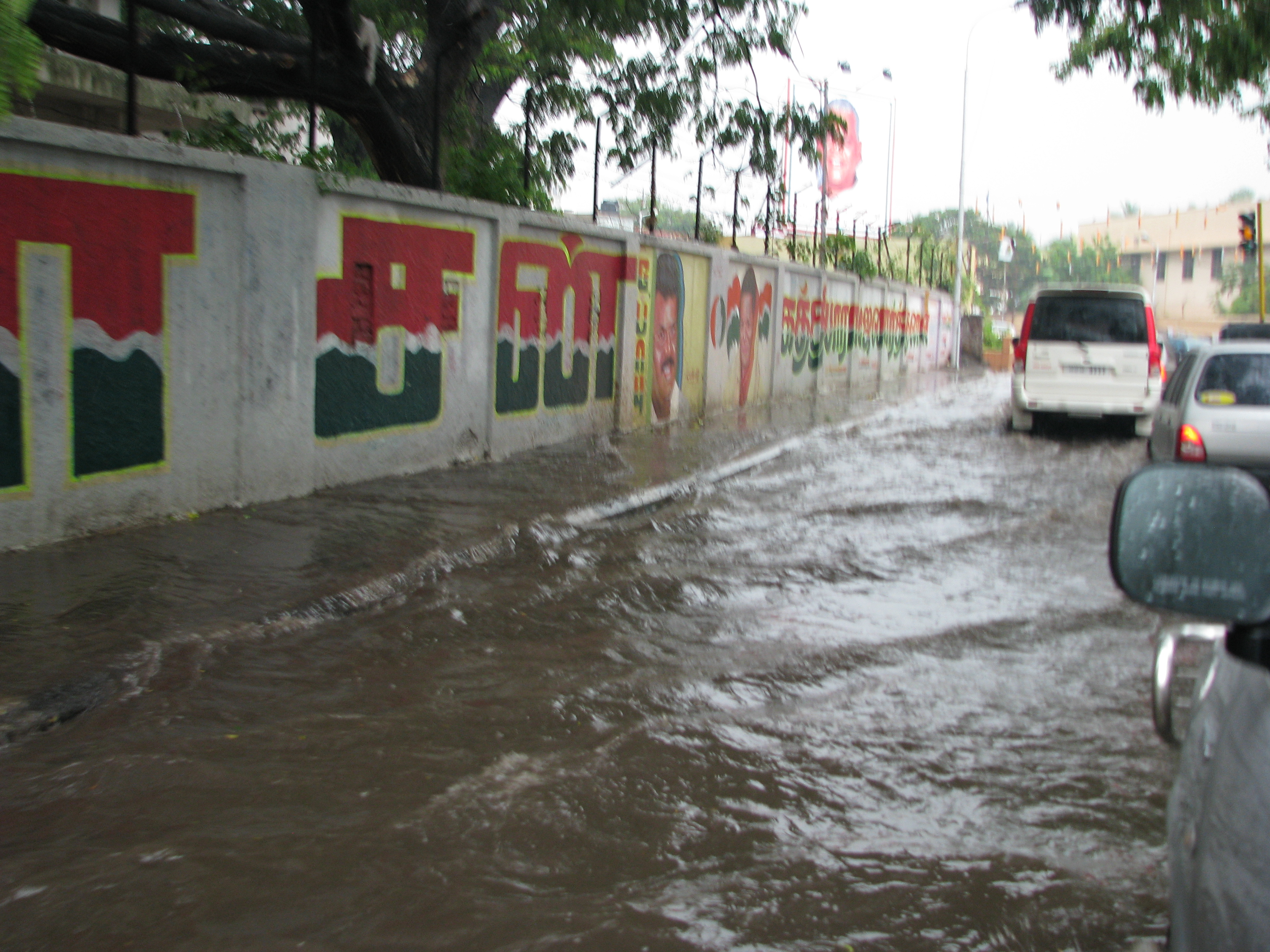 Chennai streets flood
Historical Context: Monsoon Patterns in Tamil Nadu
Tamil Nadu’s climate is dominated by the Southwest Monsoon (June‑September) and the Northeast Monsoon (October‑December). However, climate models indicate an increase in pre‑monsoon convective storms due to rising sea‑surface temperatures. A 2022 study by the Indian Institute of Climate Change noted a 12% rise in extreme rainfall events over the past decade, aligning with the current scenario.
Lessons from Past Floods
- 2015 Chennai Floods: Over 500 mm of rain in 48 hours led to 1,000+ deaths and $4 billion in damages.
- 2019 Coimbatore Deluge: Poor urban planning amplified runoff, causing widespread property loss.
These episodes underscore the need for integrated water‑resource management, including rain‑water harvesting, green corridors, and smart drainage sensors.
Economic Implications: From Ports to IT Parks
Chennai’s Maritime Board estimates that a 10‑day disruption could cost the state ₹3,000 crore in lost cargo handling. Moreover, IT parks in Guindy and OMR risk downtime, affecting both domestic and offshore projects. Small‑scale traders in Koyambedu Market also face inventory losses if stalls are inundated.
Insurance & Relief Funding
The General Insurance Council reports a surge in crop‑insurance claims in the affected districts, with an estimated ₹250 crore payout projected. State relief funds have been earmarked, but bureaucratic delays remain a concern.
Editorial Analysis & Future Outlook
The June 22 heavy‑rain episode is a microcosm of the broader climate‑risk challenge confronting Tamil Nadu. While the immediate focus is on life‑safety and flood mitigation, the longer‑term narrative demands structural reforms:
- Smart Urban Planning – Embedding permeable pavements, rain‑water harvesting tanks, and real‑time flood‑monitoring IoT sensors.
- Policy Coordination – Synchronising efforts between the IMD, state disaster management authority, and municipal bodies to ensure rapid alert dissemination.
- Community Resilience – Empowering citizen‑led monitoring networks and fostering public‑private partnerships for rapid response.
If Tamil Nadu can translate the heightened public attention—evident from the Google Trends spike—into sustained policy action, it could set a precedent for other Indian states grappling with intensified monsoon variability. The coming weeks will test not only the region’s infrastructure but also its capacity for adaptive governance in the face of a changing climate.
Stay tuned for live updates, expert interviews, and on‑ground footage as the situation evolves.
Original Reporting & Source: Google Trends (India)

Discussion (0)
Sign in to join the discussion.
No comments yet. Be the first to start the conversation!