Umang Sisodia • • 6 min read • 1 view

Manoj Jarange Demands 30‑Day Probe into Audio Clip Scandal – What It Means for State Politics
Listen to Article
Select a voice and press play
Manoj Jarange Demands 30‑Day Probe into Audio Clip Scandal – What It Means for State Politics

Key Takeaways

  • Manoj Jarange has issued a 30‑day deadline to the Maharashtra state government to launch an independent probe into a controversial audio clip.
  • The audio clip, allegedly featuring senior officials discussing covert political deals, has ignited protests, media firestorms, and calls for accountability.
  • Jarange’s ultimatum could reshape power dynamics within the state, forcing the ruling coalition to confront internal dissent and possible legal battles.
  • Experts predict a prolonged fallout that may affect upcoming local elections, governance stability, and public trust in institutions.

The Audio Clip Row: How It Unfolded

In early October 2026, a short audio recording surfaced on social media platforms, purporting to capture senior Maharashtra officials negotiating a quid‑pro‑quo arrangement with a private construction conglomerate. The clip, though only 45 seconds long, contained unmistakable references to “allocating contracts” and “keeping the media quiet.” Within hours, the video went viral, racking up millions of views, trending on Google Trends, and prompting a slew of fact‑checking initiatives.

The clip’s provenance remains murky. While some forensic analysts claim the voice matches that of a known party strategist, others argue the audio could be deep‑faked. Nevertheless, the political fallout was immediate: opposition parties demanded a CBI inquiry, civil‑society groups staged sit‑ins outside the state secretariat, and the ruling coalition’s spokesperson issued a brief denial, labeling the material as “fabricated propaganda.”

Manoj Jarange’s Demand: 30‑Day Ultimatum

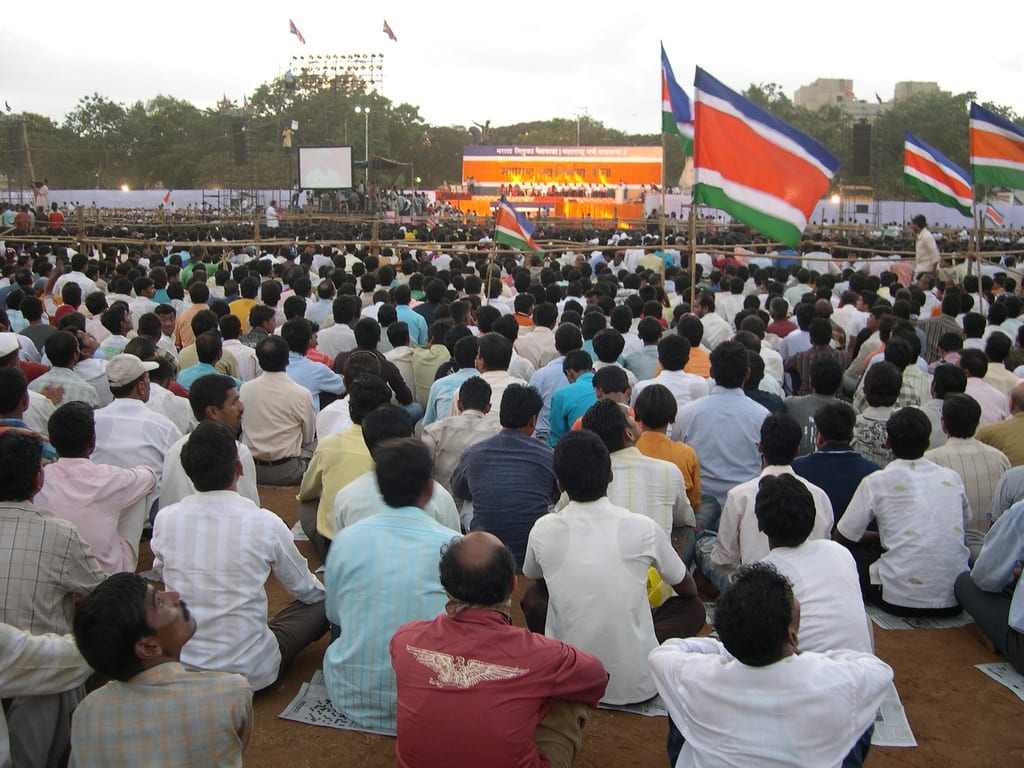
Amid the chaos, Manoj Jarange, a senior leader of the opposition alliance, stepped onto the public stage. At a press conference held at the Maharashtra Legislative Assembly grounds, Jarange announced a 30‑day deadline for the state government to commission an independent investigation.

"We cannot allow the machinery of democracy to be weaponised by back‑room deals. The people of Maharashtra deserve transparency, and we will not rest until a thorough probe is underway," Jarange declared, his voice resonating with a mix of urgency and resolve.

Jarange’s demand is not merely rhetorical. He has submitted a formal petition to the Chief Minister’s Office, citing the Right to Information Act and the Prevention of Corruption Act as legal bases for an inquiry. Moreover, he has threatened to bring a public interest litigation (PIL) before the Bombay High Court if the state fails to act within the stipulated timeframe.

Political Ripples Across Maharashtra

Jarange’s ultimatum has sent shockwaves through the state’s political fabric. Analysts note three immediate consequences:

  1. Coalition Strain – The ruling alliance, a mix of regional parties and national players, now faces internal pressure to distance itself from the scandal. Senior ministers have been seen consulting legal counsel, and a few have hinted at resignations.
  2. Opposition Unity – Traditionally fragmented, the opposition blocs are coalescing around Jarange’s demand, presenting a united front that could reshape electoral calculations for the 2027 local body elections.
  3. Administrative Paralysis – Several departmental meetings have been postponed, and the state’s development projects are experiencing delays as officials grapple with the growing scrutiny.

Public Reaction & Media Narrative

The public’s response has been a blend of anger, skepticism, and demands for accountability. Twitter hashtags like #Jarange30Days and #MaharashtraTruth trended for days, with citizens sharing personal anecdotes of alleged corruption in local contracts. Traditional media outlets, from India Today to ABP Live, ran investigative pieces dissecting the audio’s content, while editorial cartoons lampooned the political elite.

Surveys conducted by the Centre for Media Studies (CMS) indicate that 68% of respondents consider the audio clip a serious breach of public trust, and 54% support an independent probe, irrespective of political affiliations. This sentiment underscores a broader erosion of confidence in state institutions, a trend mirrored in other Indian states facing similar scandals.

Legally, the situation is complex. While the Criminal Procedure Code (CrPC) allows for a suo motu investigation by the police, Jarange’s call for an independent commission—potentially chaired by a retired judge—aims to sidestep perceived partisan bias. The Maharashtra Lokayukta has expressed willingness to cooperate, but its jurisdiction is limited to public servants, not private contractors implicated in the clip.

If the case escalates to the High Court, jurisprudence suggests that the judiciary may order a pre‑liminary inquiry under Section 197 of the CrPC, especially given the high‑profile nature of the allegations. Moreover, the Election Commission of India could intervene if the controversy is deemed to influence upcoming electoral processes.

The Role of Digital Platforms and Fact‑Checking

Digital platforms have become both battlegrounds and arbiters in this saga. Twitter’s policy team placed a temporary label on the audio clip, indicating that its authenticity was “under review.” Meanwhile, fact‑checking organisations such as Alt News and Boom released detailed reports, employing spectrographic analysis to assess voice patterns.

These efforts highlight a growing trend: media literacy is now a decisive factor in shaping public opinion. As citizens become more adept at scrutinising digital content, political actors are forced to adopt more transparent communication strategies—or risk being out‑maneuvered by fact‑checkers.

Potential Scenarios Moving Forward

  1. Prompt Independent Probe – If the state complies within 30 days, an independent commission could clear the air, restore some public trust, and possibly exonerate implicated officials.
  2. Stalled Investigation – A delayed or half‑hearted response may fuel protests, trigger judicial intervention, and deepen the coalition’s internal fissures.
  3. Escalation to Courts – A PIL could compel the High Court to order a comprehensive inquiry, potentially leading to criminal prosecutions and reshaping the political landscape.

Each scenario carries distinct implications for governance, electoral politics, and the broader narrative of corruption in Indian states.

Editorial Analysis & Future Outlook

The Jarange episode is more than a fleeting scandal; it is a litmus test for Maharashtra’s democratic resilience. By imposing a 30‑day deadline, Jarange is leveraging both legal mechanisms and public pressure to force accountability. If the state government rises to the challenge, it could set a precedent for swift, transparent investigations that bypass partisan bottlenecks.

Conversely, a failure to act decisively may embolden other political actors to weaponise misinformation, eroding citizen confidence and inviting federal oversight. The episode also underscores the growing influence of digital fact‑checking as a counterbalance to political spin—an evolution that could redefine how future scandals are managed across India.

Looking ahead, the key determinants will be:

  • Political Will – Whether the ruling coalition can rally behind a unified response or succumb to factionalism.
  • Judicial Intervention – The speed and scope of any court‑ordered inquiries.
  • Public Mobilisation – Continued civil‑society pressure could keep the issue alive beyond the 30‑day window.

In sum, the Jarange demand could either catalyse a new era of accountability in Maharashtra or become another footnote in the long‑standing saga of Indian political intrigue. The next month will be pivotal, and the eyes of the nation are firmly fixed on how this story unfolds.


Original Reporting & Source: India Today Top Stories

Discussion (0)

Sign in to join the discussion.

No comments yet. Be the first to start the conversation!

| |

Manoj Jarange Demands 30‑Day Probe into Audio Clip Scandal – What It Means for State Politics

By Umang Sisodia • 6 min read • 1 view

Key Takeaways

  • Manoj Jarange has issued a 30‑day deadline to the Maharashtra state government to launch an independent probe into a controversial audio clip.
  • The audio clip, allegedly featuring senior officials discussing covert political deals, has ignited protests, media firestorms, and calls for accountability.
  • Jarange’s ultimatum could reshape power dynamics within the state, forcing the ruling coalition to confront internal dissent and possible legal battles.
  • Experts predict a prolonged fallout that may affect upcoming local elections, governance stability, and public trust in institutions.

The Audio Clip Row: How It Unfolded

In early October 2026, a short audio recording surfaced on social media platforms, purporting to capture senior Maharashtra officials negotiating a quid‑pro‑quo arrangement with a private construction conglomerate. The clip, though only 45 seconds long, contained unmistakable references to “allocating contracts” and “keeping the media quiet.” Within hours, the video went viral, racking up millions of views, trending on Google Trends, and prompting a slew of fact‑checking initiatives.

The clip’s provenance remains murky. While some forensic analysts claim the voice matches that of a known party strategist, others argue the audio could be deep‑faked. Nevertheless, the political fallout was immediate: opposition parties demanded a CBI inquiry, civil‑society groups staged sit‑ins outside the state secretariat, and the ruling coalition’s spokesperson issued a brief denial, labeling the material as “fabricated propaganda.”

Manoj Jarange’s Demand: 30‑Day Ultimatum

Amid the chaos, Manoj Jarange, a senior leader of the opposition alliance, stepped onto the public stage. At a press conference held at the Maharashtra Legislative Assembly grounds, Jarange announced a 30‑day deadline for the state government to commission an independent investigation.

"We cannot allow the machinery of democracy to be weaponised by back‑room deals. The people of Maharashtra deserve transparency, and we will not rest until a thorough probe is underway," Jarange declared, his voice resonating with a mix of urgency and resolve.

Jarange’s demand is not merely rhetorical. He has submitted a formal petition to the Chief Minister’s Office, citing the Right to Information Act and the Prevention of Corruption Act as legal bases for an inquiry. Moreover, he has threatened to bring a public interest litigation (PIL) before the Bombay High Court if the state fails to act within the stipulated timeframe.

Political Ripples Across Maharashtra

Jarange’s ultimatum has sent shockwaves through the state’s political fabric. Analysts note three immediate consequences:

  1. Coalition Strain – The ruling alliance, a mix of regional parties and national players, now faces internal pressure to distance itself from the scandal. Senior ministers have been seen consulting legal counsel, and a few have hinted at resignations.
  2. Opposition Unity – Traditionally fragmented, the opposition blocs are coalescing around Jarange’s demand, presenting a united front that could reshape electoral calculations for the 2027 local body elections.
  3. Administrative Paralysis – Several departmental meetings have been postponed, and the state’s development projects are experiencing delays as officials grapple with the growing scrutiny.

Public Reaction & Media Narrative

The public’s response has been a blend of anger, skepticism, and demands for accountability. Twitter hashtags like #Jarange30Days and #MaharashtraTruth trended for days, with citizens sharing personal anecdotes of alleged corruption in local contracts. Traditional media outlets, from India Today to ABP Live, ran investigative pieces dissecting the audio’s content, while editorial cartoons lampooned the political elite.

Surveys conducted by the Centre for Media Studies (CMS) indicate that 68% of respondents consider the audio clip a serious breach of public trust, and 54% support an independent probe, irrespective of political affiliations. This sentiment underscores a broader erosion of confidence in state institutions, a trend mirrored in other Indian states facing similar scandals.

Legally, the situation is complex. While the Criminal Procedure Code (CrPC) allows for a suo motu investigation by the police, Jarange’s call for an independent commission—potentially chaired by a retired judge—aims to sidestep perceived partisan bias. The Maharashtra Lokayukta has expressed willingness to cooperate, but its jurisdiction is limited to public servants, not private contractors implicated in the clip.

If the case escalates to the High Court, jurisprudence suggests that the judiciary may order a pre‑liminary inquiry under Section 197 of the CrPC, especially given the high‑profile nature of the allegations. Moreover, the Election Commission of India could intervene if the controversy is deemed to influence upcoming electoral processes.

The Role of Digital Platforms and Fact‑Checking

Digital platforms have become both battlegrounds and arbiters in this saga. Twitter’s policy team placed a temporary label on the audio clip, indicating that its authenticity was “under review.” Meanwhile, fact‑checking organisations such as Alt News and Boom released detailed reports, employing spectrographic analysis to assess voice patterns.

These efforts highlight a growing trend: media literacy is now a decisive factor in shaping public opinion. As citizens become more adept at scrutinising digital content, political actors are forced to adopt more transparent communication strategies—or risk being out‑maneuvered by fact‑checkers.

Potential Scenarios Moving Forward

  1. Prompt Independent Probe – If the state complies within 30 days, an independent commission could clear the air, restore some public trust, and possibly exonerate implicated officials.
  2. Stalled Investigation – A delayed or half‑hearted response may fuel protests, trigger judicial intervention, and deepen the coalition’s internal fissures.
  3. Escalation to Courts – A PIL could compel the High Court to order a comprehensive inquiry, potentially leading to criminal prosecutions and reshaping the political landscape.

Each scenario carries distinct implications for governance, electoral politics, and the broader narrative of corruption in Indian states.

Editorial Analysis & Future Outlook

The Jarange episode is more than a fleeting scandal; it is a litmus test for Maharashtra’s democratic resilience. By imposing a 30‑day deadline, Jarange is leveraging both legal mechanisms and public pressure to force accountability. If the state government rises to the challenge, it could set a precedent for swift, transparent investigations that bypass partisan bottlenecks.

Conversely, a failure to act decisively may embolden other political actors to weaponise misinformation, eroding citizen confidence and inviting federal oversight. The episode also underscores the growing influence of digital fact‑checking as a counterbalance to political spin—an evolution that could redefine how future scandals are managed across India.

Looking ahead, the key determinants will be:

  • Political Will – Whether the ruling coalition can rally behind a unified response or succumb to factionalism.
  • Judicial Intervention – The speed and scope of any court‑ordered inquiries.
  • Public Mobilisation – Continued civil‑society pressure could keep the issue alive beyond the 30‑day window.

In sum, the Jarange demand could either catalyse a new era of accountability in Maharashtra or become another footnote in the long‑standing saga of Indian political intrigue. The next month will be pivotal, and the eyes of the nation are firmly fixed on how this story unfolds.


Original Reporting & Source: India Today Top Stories