Umang Sisodia • • 5 min read • 1 view

Kolkata Hospital Injection Mishap Sparks Protests and Police Clash
Listen to Article
Select a voice and press play
Kolkata Hospital Injection Mishap Sparks Protests and Police Clash

Key Takeaways

  • A 12‑year‑old boy died within 90 minutes of receiving an injection at a Kolkata medical college, igniting fierce protests from his family.
  • Demonstrators clashed with police outside the hospital, leading to arrests and heightened public scrutiny of medical safety protocols.
  • The incident has revived nationwide debate on emergency care standards, accountability of healthcare workers, and the role of law enforcement in civil unrest.
  • Authorities promise inquiries, but experts warn systemic reforms are needed to prevent repeat tragedies.

The Tragic Incident

On a seemingly ordinary afternoon in Kolkata, a young boy complaining of severe abdominal pain was rushed to a government‑run medical college. Within minutes of admission, he was administered an injection that, according to his family, was administered incorrectly. Within an hour and a half, the child suffered cardiac arrest and was declared dead.

The parents, already distraught, allege that the injection was given without proper verification of dosage or the child’s medical history. Hospital staff initially claimed the death was due to an underlying condition, but eyewitnesses and the family’s insistence that the injection was the trigger quickly turned the narrative into a public outcry.

Public Outcry and Police Response

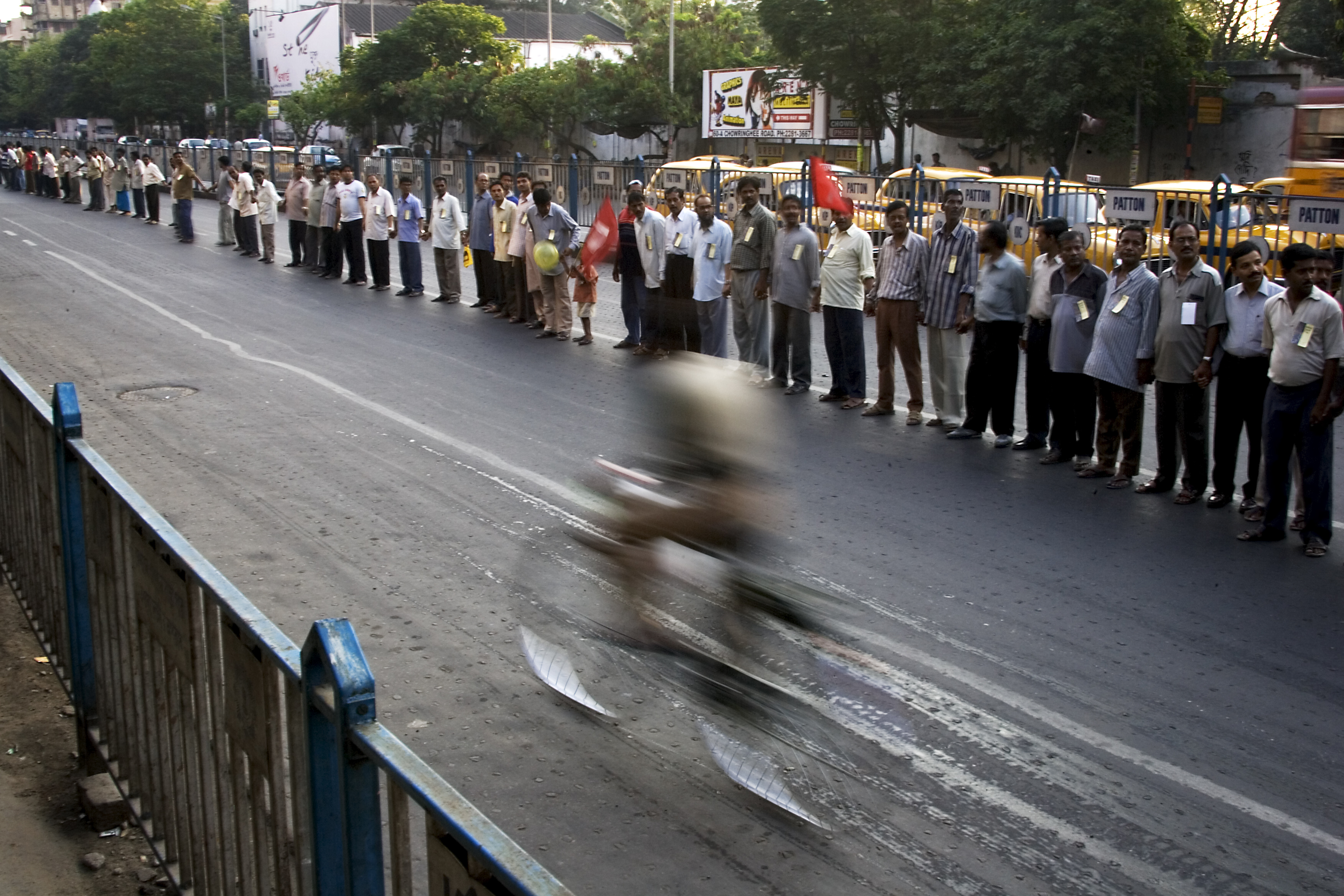
The family’s grief soon transformed into a protest that spilled onto the streets surrounding the medical college. Hundreds gathered, waving placards that read “মেডিক্যালে ভুল ইনজেকশন = মৃত্যু” (Wrong injection = death) and chanting slogans demanding justice.

Police units were dispatched to contain the crowd. What began as a peaceful sit‑in escalated when a few protestors attempted to breach the hospital gates. Law enforcement responded with tear‑gas canisters and baton charges, resulting in several injuries and a handful of arrests.

“আমাদের সন্তানকে রক্ষা করা উচিত ছিল, না যে তাকে মৃত্যুর পথে ধাক্কা দেওয়া হবে,” said the boy’s father, his voice trembling as he addressed the media.

The clash was captured on multiple live‑streams, amplifying the incident across social media platforms and pushing the story to the top of Google Trends in India, especially under the search term “কলকাতা”.
Kolkata street protest crowd Kolkata street protest crowd

In the immediate aftermath, the hospital’s administrative board announced an internal inquiry, promising to cooperate with the state health department and the forensic team. The forensic report, expected within a week, will determine whether the injection was administered incorrectly, whether the dosage was erroneous, or if there were underlying medical complications.

Legal experts point out that the Indian Penal Code (IPC) sections dealing with negligence (Section 304A) could be invoked if the medical staff’s actions are proven to be grossly negligent. However, they caution that establishing culpability in medical emergencies is often complex, requiring clear evidence of deviation from accepted standards of care.

Government Reaction

The West Bengal Health Minister convened an emergency meeting with senior officials, hospital administrators, and representatives from the Indian Medical Association (IMA). In a press conference, the minister promised a “transparent and swift investigation” and hinted at possible disciplinary action against the staff involved.

Opposition parties seized the moment, demanding a broader audit of emergency care across state hospitals. They argue that this tragedy is symptomatic of chronic understaffing, inadequate training, and insufficient oversight in public health institutions.

Broader Implications for Healthcare Safety

The incident has reignited a long‑standing debate about patient safety in India’s public healthcare system. According to a 2022 WHO report, medication errors remain one of the leading causes of preventable harm in hospitals worldwide, with low‑resource settings being particularly vulnerable.

Key concerns highlighted by healthcare analysts include:

  • Inadequate training: Many junior doctors and nurses receive limited hands‑on training for emergency procedures.
  • Overcrowded emergency departments: High patient loads increase the risk of rushed decisions.
  • Lack of standardized protocols: Absence of clear, enforceable guidelines for medication administration.

These systemic issues, compounded by the emotional intensity of a child’s death, create a fertile ground for public distrust and unrest.

Editorial Analysis & Future Outlook

The Kolkata injection tragedy is more than a singular medical mishap; it is a flashpoint exposing deep cracks in India’s public health infrastructure. While immediate investigations may hold individual practitioners accountable, lasting change will require structural reforms.

Policy Recommendations:

  1. Mandatory simulation‑based training for all emergency department staff, focusing on medication safety and rapid response.
  2. Implementation of electronic prescribing systems with built‑in dosage checks to minimize human error.
  3. Independent oversight bodies at the state level to audit emergency care practices regularly.
  4. Transparent incident reporting mechanisms that protect whistleblowers and encourage a culture of safety rather than blame.

If policymakers act decisively, this tragedy could serve as a catalyst for nationwide improvements in patient safety. Conversely, a superficial inquiry may erode public confidence further, leading to more protests and potential legal battles.

In the digital age, stories like this spread rapidly, shaping public perception and influencing policy agendas. As journalists, editors, and citizens, we must demand accountability while advocating for systemic solutions that safeguard the most vulnerable—especially children—against preventable medical errors.


This article is based on verified reports from Anandabazar Patrika, Sangbad Pratidin, and The Wall, supplemented by expert commentary and official statements.


Original Reporting & Source: Google Trends (India)

Discussion (0)

Sign in to join the discussion.

No comments yet. Be the first to start the conversation!

| |

Kolkata Hospital Injection Mishap Sparks Protests and Police Clash

By Umang Sisodia • 5 min read • 1 view

Key Takeaways

  • A 12‑year‑old boy died within 90 minutes of receiving an injection at a Kolkata medical college, igniting fierce protests from his family.
  • Demonstrators clashed with police outside the hospital, leading to arrests and heightened public scrutiny of medical safety protocols.
  • The incident has revived nationwide debate on emergency care standards, accountability of healthcare workers, and the role of law enforcement in civil unrest.
  • Authorities promise inquiries, but experts warn systemic reforms are needed to prevent repeat tragedies.

The Tragic Incident

On a seemingly ordinary afternoon in Kolkata, a young boy complaining of severe abdominal pain was rushed to a government‑run medical college. Within minutes of admission, he was administered an injection that, according to his family, was administered incorrectly. Within an hour and a half, the child suffered cardiac arrest and was declared dead.

The parents, already distraught, allege that the injection was given without proper verification of dosage or the child’s medical history. Hospital staff initially claimed the death was due to an underlying condition, but eyewitnesses and the family’s insistence that the injection was the trigger quickly turned the narrative into a public outcry.

Public Outcry and Police Response

The family’s grief soon transformed into a protest that spilled onto the streets surrounding the medical college. Hundreds gathered, waving placards that read “মেডিক্যালে ভুল ইনজেকশন = মৃত্যু” (Wrong injection = death) and chanting slogans demanding justice.

Police units were dispatched to contain the crowd. What began as a peaceful sit‑in escalated when a few protestors attempted to breach the hospital gates. Law enforcement responded with tear‑gas canisters and baton charges, resulting in several injuries and a handful of arrests.

“আমাদের সন্তানকে রক্ষা করা উচিত ছিল, না যে তাকে মৃত্যুর পথে ধাক্কা দেওয়া হবে,” said the boy’s father, his voice trembling as he addressed the media.

The clash was captured on multiple live‑streams, amplifying the incident across social media platforms and pushing the story to the top of Google Trends in India, especially under the search term “কলকাতা”.

Kolkata street protest crowd Kolkata street protest crowd

In the immediate aftermath, the hospital’s administrative board announced an internal inquiry, promising to cooperate with the state health department and the forensic team. The forensic report, expected within a week, will determine whether the injection was administered incorrectly, whether the dosage was erroneous, or if there were underlying medical complications.

Legal experts point out that the Indian Penal Code (IPC) sections dealing with negligence (Section 304A) could be invoked if the medical staff’s actions are proven to be grossly negligent. However, they caution that establishing culpability in medical emergencies is often complex, requiring clear evidence of deviation from accepted standards of care.

Government Reaction

The West Bengal Health Minister convened an emergency meeting with senior officials, hospital administrators, and representatives from the Indian Medical Association (IMA). In a press conference, the minister promised a “transparent and swift investigation” and hinted at possible disciplinary action against the staff involved.

Opposition parties seized the moment, demanding a broader audit of emergency care across state hospitals. They argue that this tragedy is symptomatic of chronic understaffing, inadequate training, and insufficient oversight in public health institutions.

Broader Implications for Healthcare Safety

The incident has reignited a long‑standing debate about patient safety in India’s public healthcare system. According to a 2022 WHO report, medication errors remain one of the leading causes of preventable harm in hospitals worldwide, with low‑resource settings being particularly vulnerable.

Key concerns highlighted by healthcare analysts include:

  • Inadequate training: Many junior doctors and nurses receive limited hands‑on training for emergency procedures.
  • Overcrowded emergency departments: High patient loads increase the risk of rushed decisions.
  • Lack of standardized protocols: Absence of clear, enforceable guidelines for medication administration.

These systemic issues, compounded by the emotional intensity of a child’s death, create a fertile ground for public distrust and unrest.

Editorial Analysis & Future Outlook

The Kolkata injection tragedy is more than a singular medical mishap; it is a flashpoint exposing deep cracks in India’s public health infrastructure. While immediate investigations may hold individual practitioners accountable, lasting change will require structural reforms.

Policy Recommendations:

  1. Mandatory simulation‑based training for all emergency department staff, focusing on medication safety and rapid response.
  2. Implementation of electronic prescribing systems with built‑in dosage checks to minimize human error.
  3. Independent oversight bodies at the state level to audit emergency care practices regularly.
  4. Transparent incident reporting mechanisms that protect whistleblowers and encourage a culture of safety rather than blame.

If policymakers act decisively, this tragedy could serve as a catalyst for nationwide improvements in patient safety. Conversely, a superficial inquiry may erode public confidence further, leading to more protests and potential legal battles.

In the digital age, stories like this spread rapidly, shaping public perception and influencing policy agendas. As journalists, editors, and citizens, we must demand accountability while advocating for systemic solutions that safeguard the most vulnerable—especially children—against preventable medical errors.


This article is based on verified reports from Anandabazar Patrika, Sangbad Pratidin, and The Wall, supplemented by expert commentary and official statements.


Original Reporting & Source: Google Trends (India)