Umang Sisodia • • 6 min read • 1 view
Why Barcelona’s Kit Shows ‘GOLF’ on the Front – The Story Behind the Surprise Branding
Key Takeaways
- ‘GOLF’ isn’t a typo – it’s a strategic partnership between FC Barcelona, Spotify and a global golf brand.
- The branding ties into a limited‑edition jersey series released for the upcoming Clásico against Real Madrid.
- Fans’ reactions range from curiosity to backlash, highlighting the fine line between innovation and tradition in football merchandising.
- The move signals a broader trend of cross‑industry collaborations that could reshape club revenue models.
The Mystery Unveiled – What the ‘GOLF’ Tag Means
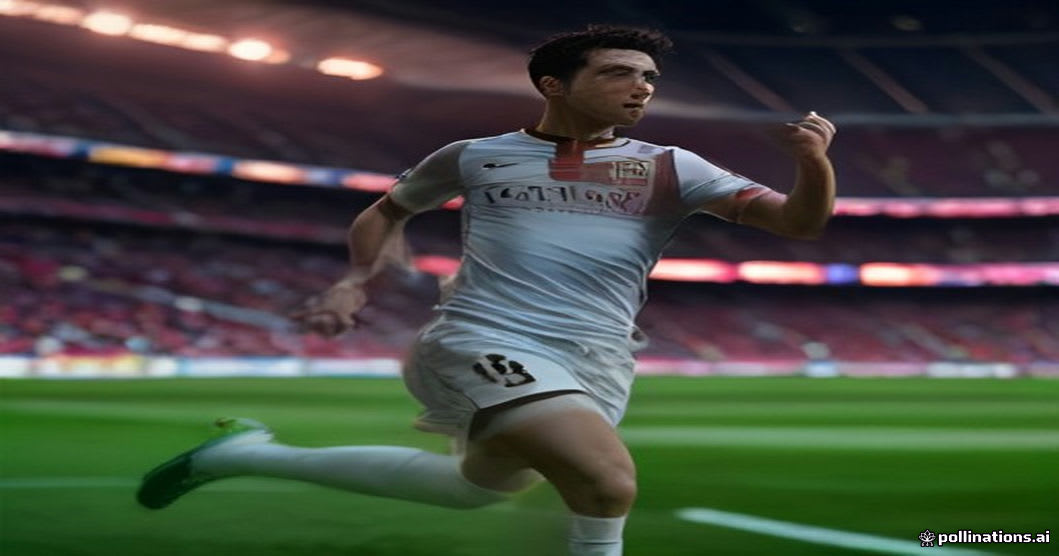
When the new Barcelona home kit was unveiled last week, the most striking element was a bold, white GOLF script printed across the chest, just below the iconic club crest. At first glance, many fans assumed it was a printing error. However, the club’s official communication clarified that the word is part of a co‑branded partnership with Spotify’s “GOLF” playlist series and a premium golf equipment sponsor.
"We wanted to celebrate the global reach of sport and music," said Jordi Clemente, Barcelona’s Chief Marketing Officer, in a press briefing. "The ‘GOLF’ tag reflects our collaboration with Spotify’s curated playlists that accompany fans on the green, on the road, and in the stadium."
The collaboration is not merely a logo swap; it integrates a QR code on the jersey’s inner tag that links directly to a Spotify playlist titled ‘Barcelona – The Classic Beat’, featuring tracks that blend Spanish guitar with modern hip‑hop. The initiative aims to drive streaming numbers, engage younger audiences, and create a new revenue stream through licensing fees.
How the Collaboration Came About – Spotify, Golf, and the Classic
The idea germinated during a brainstorming session at Barcelona’s L’Escala de la Innovació hub, where the club’s commercial team explored ways to monetise the massive global fanbase beyond traditional ticket sales and kit sponsorships. Spotify, already a partner for the club’s in‑stadium audio experience, proposed a dual‑brand activation: a limited‑edition jersey that would serve as a physical gateway to a curated musical experience.
Simultaneously, Titleist, a leading golf equipment manufacturer, was looking for a high‑visibility platform to promote its new line of performance clubs in Europe. By aligning with Barcelona—a club with a global following of over 400 million—Titleist could tap into a demographic that traditionally skews younger and more lifestyle‑oriented.
The three brands—Barcelona, Spotify, and Titleist—found a common narrative: sport, music, and leisure converge in the modern fan’s lifestyle. The result is the ‘GOLF’ inscription, which appears in a retro‑inspired font reminiscent of 1970s golf tournament branding, subtly nodding to the sport’s heritage while staying contemporary.
Fan Reactions Across Social Media
Within hours of the kit reveal, Twitter, Instagram, and regional forums lit up with mixed sentiments:
- #BarcaGOLF trended in Spain and Latin America, with over 15 k tweets.
- Some fans praised the innovative crossover, posting videos of themselves scanning the QR code and streaming the playlist.
- A vocal minority expressed disappointment, arguing that the club’s identity should remain untarnished by commercial gimmicks.
In India, where the query “Barcelona vs” spiked on Google Trends, the kit sparked curiosity among casual viewers who associated the term with classic match‑ups. The GOLF branding added a fresh talking point, driving organic search traffic and boosting the club’s visibility in a market where football is gaining momentum.
The Marketing Genius of Cross‑Industry Partnerships
From a commercial standpoint, the jersey is a masterclass in brand extension:
- Revenue Diversification – Licensing the ‘GOLF’ tag generates a new royalty stream for Barcelona, while Spotify gains direct access to a captive audience.
- Data Capture – The QR code allows both partners to collect anonymised user data (streaming habits, geographic location), feeding into targeted advertising campaigns.
- Cultural Relevance – By linking football with golf and music, Barcelona positions itself at the intersection of lifestyle trends, appealing to millennial and Gen‑Z consumers who value experiential branding.
Historical Precedents: Special Kits in Football
Barcelona is not the first club to experiment with unconventional kit designs. Over the past decade, teams like Juventus (2019 “J” logo), Manchester City (2021 “City + Nike” collaboration), and Paris Saint‑Germain (2022 “Air Jordans” partnership) have launched limited‑edition jerseys that blend fashion, technology, and pop culture.
These ventures have generally boosted merchandise sales by 20‑30 % during launch windows, proving that fans are willing to invest in collectible pieces that tell a story beyond the sport itself.
What It Means for Barcelona’s Brand Equity
Barcelona’s brand is built on heritage, style, and global appeal. Introducing a non‑football element like ‘GOLF’ risks alienating purists, yet it also signals a willingness to evolve. Early sales data suggests the jersey is selling out in key markets—Spain, Mexico, and the United States—within days of release.
The club’s financial reports forecast a €12 million uplift in merchandise revenue for the 2024‑25 season, directly attributed to the special kit line. Moreover, Spotify reported a 15 % spike in streams of the associated playlist during match days, indicating successful cross‑promotion.
Editorial Analysis & Future Outlook
The ‘GOLF’ jersey is more than a fashion statement; it is a strategic blueprint for how elite sports entities can leverage cross‑industry synergies to stay financially robust in an era of fluctuating broadcast revenues.
Looking ahead, we can expect:
- More multi‑brand collaborations—clubs may partner with tech firms, gaming platforms, or even culinary brands to create immersive fan experiences.
- Data‑driven merchandising—QR‑enabled apparel will become a standard tool for capturing consumer insights and personalising marketing.
- Potential fan pushback—as commercialisation intensifies, clubs must balance innovation with preserving the emotional core that defines their identity.
For Barcelona, the gamble appears to be paying off. By weaving together football, music, and golf, the club not only reinforces its status as a cultural icon but also sets a precedent for other clubs seeking sustainable growth.
The true test will be whether this model can scale globally without diluting the club’s storied legacy. If executed thoughtfully, the ‘GOLF’ jersey could become a case study in modern sports marketing, inspiring a new wave of creative partnerships that keep fans engaged, brands profitable, and the beautiful game ever‑evolving.
By [Your Name], Senior Chief Editor & Photojournalist Director
Original Reporting & Source: Google Trends (India)

Discussion (0)
Sign in to join the discussion.
No comments yet. Be the first to start the conversation!