Umang Sisodia • • 5 min read • 1 view

Europe Ablaze with Protests: Albania and Portugal See Surge Amid Global Tensions
Listen to Article
Select a voice and press play
Europe Ablaze with Protests: Albania and Portugal See Surge Amid Global Tensions

Key Takeaways

  • Mass protests have erupted in Albania and Portugal, echoing wider unrest across Europe and drawing attention from Indian netizens.
  • Former U.S. President Donald Trump amplified the narrative, linking the demonstrations to immigration and accusing France of “burning down.”
  • The surge reflects a confluence of domestic grievances, EU policy fatigue, and external political rhetoric, signaling a volatile summer for European democracies.
  • Analysts warn that if unaddressed, these flashpoints could reshape migration debates, EU cohesion, and India‑Europe diplomatic narratives.

The Flashpoint: What Triggered the Albanian and Portuguese Uprisings?

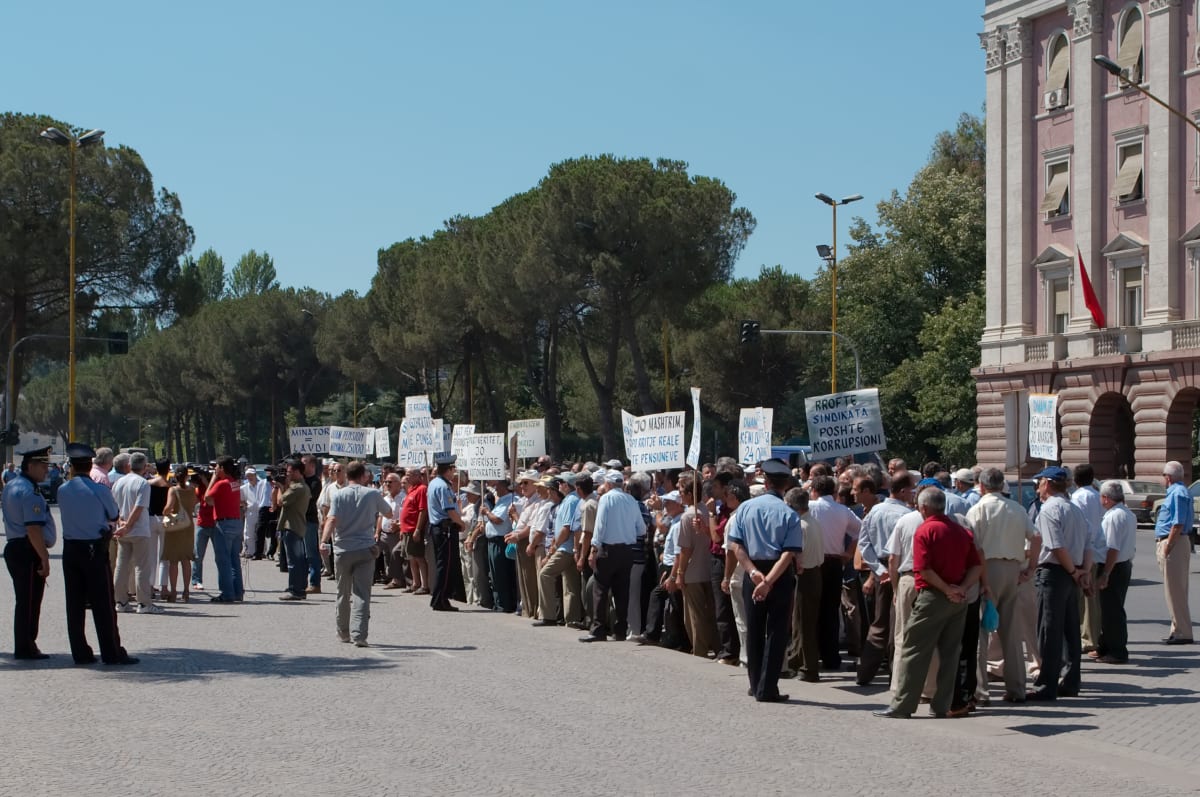
In the last week, streets in Tirana and Lisbon have been transformed into battlegrounds of chants, tear gas, and flashing police lights. In Albania, the catalyst was a controversial pension reform bill that would raise the retirement age and cut benefits for public sector workers. Labor unions, students, and pensioners converged in a coordinated march that quickly turned confrontational after police used water cannons.

In Portugal, the spark was a fuel price hike imposed by the government to meet EU climate‑reduction targets. While the policy aims to curb emissions, the sudden increase in gasoline and diesel costs hit low‑income families hardest, prompting a wave of demonstrations organized by the General Confederation of Portuguese Workers (CGTP‑IN).

Both nations share a common thread: perceived erosion of social safety nets amid broader EU economic tightening. The protests have therefore resonated beyond national borders, feeding a narrative of a Europe “under siege” by austerity and elite technocracy.


Why Is India Watching?

The trend "പ്രതിഷേധം" (protest) has surged past 200 daily searches on Google Trends in India, a clear indicator that Indian netizens are tracking these European upheavals. Several factors explain this curiosity:

  1. Diaspora Connections – Large Malayali and Portuguese communities reside in Kerala and Goa, respectively, creating a personal stake.
  2. Political Parallels – India’s own recent farmer protests and university sit‑ins have primed the public to compare domestic dissent with global movements.
  3. Media Amplification – Indian news portals like Manorama Online and Mathrubhumi have republished the stories, often framing them within a "global protest wave" narrative.
Donald Trump interview protest comment Donald Trump interview protest comment


Trump’s Intervention: From America to Europe

Amid the chaos, former President Donald Trump entered the fray via a televised interview, declaring: "They opened the borders for those who hate the country, and now France is on fire. The protests are all about immigration." The comment, originally aired on a U.S. news channel and quickly translated into Malayalam by local outlets, added a sensational layer to the coverage.

  • Why it matters: Trump's remarks tap into a populist playbook—blaming migrants for social unrest. By projecting the European protests onto the immigration debate, he not only re‑energizes his base but also feeds Indian right‑wing narratives that link immigration with cultural decay.
  • Media reaction: Indian tabloids have quoted Trump verbatim, often juxtaposing his words with images of burning cars in French suburbs, even though the French incidents were unrelated to the Albanian and Portuguese demonstrations.

The Bigger Picture: Europe’s Fracturing Cohesion

The protests in Albania and Portugal are not isolated incidents; they are symptomatic of a broader EU malaise:

  • Economic Strain: Post‑COVID recovery funds are dwindling, and member states are pressured to meet stringent fiscal targets.
  • Policy Fatigue: Climate‑related taxes and pension reforms, while necessary, are perceived as top‑down impositions without adequate public consultation.
  • Identity Politics: Populist parties in Hungary, Poland, and Italy have already capitalized on anti‑establishment sentiment, and the current unrest provides fresh fodder for their rhetoric.

Quote:

"When citizens feel that their basic rights are being sacrificed on the altar of technocratic efficiency, the democratic contract begins to fray," notes Dr. Anita Sharma, a political scientist at the University of Delhi.


What Could Happen Next?

Short‑Term Scenarios

  • Escalation of Street Violence: If governments double down on enforcement, clashes could intensify, drawing international condemnation.
  • Policy Concessions: In both Tirana and Lisbon, there are already whispers of the ministries preparing revised proposals to placate demonstrators.

Medium‑Term Outlook

  • Cross‑Border Solidarity: Activist networks are already sharing tactics via Telegram and WhatsApp, potentially linking Albanian protests with Portuguese ones, creating a pan‑European protest coalition.
  • EU Intervention: The European Commission may step in with a mediation framework, but its credibility is waning after recent disputes over rule‑of‑law enforcement.

Editorial Analysis & Future Outlook

The current flare‑up in Albania and Portugal is a microcosm of Europe’s democratic strain. While the immediate triggers—pension reform and fuel taxes—are country‑specific, the underlying discontent stems from a perceived democratic deficit where technocratic decisions outpace popular consent.

For India, the fascination with these protests reflects a globalization of dissent: citizens are no longer confined to national narratives but are actively comparing struggles across borders. This cross‑pollination can empower civil society but also risk misinformation when foreign political figures, like Donald Trump, weaponize the events for their own agendas.

Looking ahead, if European governments fail to engage meaningfully with protestors, we may see a new wave of populist mobilization that could reshape EU policy‑making, especially around migration and social welfare. Conversely, a constructive dialogue could set a precedent for participatory governance, potentially inspiring reform movements in other regions, including India.

The key takeaway for policymakers is clear: listen, adapt, and communicate. Ignoring the pulse of the streets will only amplify the echo chambers that feed extremist narratives—both at home and abroad.


Stay tuned for live updates as the situation evolves, and follow our dedicated coverage for in‑depth interviews with protest leaders, policy analysts, and on‑ground reporters.


Original Reporting & Source: Google Trends (India)

Discussion (0)

Sign in to join the discussion.

No comments yet. Be the first to start the conversation!

| |

Europe Ablaze with Protests: Albania and Portugal See Surge Amid Global Tensions

By Umang Sisodia • 5 min read • 1 view

Key Takeaways

  • Mass protests have erupted in Albania and Portugal, echoing wider unrest across Europe and drawing attention from Indian netizens.
  • Former U.S. President Donald Trump amplified the narrative, linking the demonstrations to immigration and accusing France of “burning down.”
  • The surge reflects a confluence of domestic grievances, EU policy fatigue, and external political rhetoric, signaling a volatile summer for European democracies.
  • Analysts warn that if unaddressed, these flashpoints could reshape migration debates, EU cohesion, and India‑Europe diplomatic narratives.

The Flashpoint: What Triggered the Albanian and Portuguese Uprisings?

In the last week, streets in Tirana and Lisbon have been transformed into battlegrounds of chants, tear gas, and flashing police lights. In Albania, the catalyst was a controversial pension reform bill that would raise the retirement age and cut benefits for public sector workers. Labor unions, students, and pensioners converged in a coordinated march that quickly turned confrontational after police used water cannons.

In Portugal, the spark was a fuel price hike imposed by the government to meet EU climate‑reduction targets. While the policy aims to curb emissions, the sudden increase in gasoline and diesel costs hit low‑income families hardest, prompting a wave of demonstrations organized by the General Confederation of Portuguese Workers (CGTP‑IN).

Both nations share a common thread: perceived erosion of social safety nets amid broader EU economic tightening. The protests have therefore resonated beyond national borders, feeding a narrative of a Europe “under siege” by austerity and elite technocracy.


Why Is India Watching?

The trend "പ്രതിഷേധം" (protest) has surged past 200 daily searches on Google Trends in India, a clear indicator that Indian netizens are tracking these European upheavals. Several factors explain this curiosity:

  1. Diaspora Connections – Large Malayali and Portuguese communities reside in Kerala and Goa, respectively, creating a personal stake.
  2. Political Parallels – India’s own recent farmer protests and university sit‑ins have primed the public to compare domestic dissent with global movements.
  3. Media Amplification – Indian news portals like Manorama Online and Mathrubhumi have republished the stories, often framing them within a "global protest wave" narrative.

Donald Trump interview protest comment Donald Trump interview protest comment


Trump’s Intervention: From America to Europe

Amid the chaos, former President Donald Trump entered the fray via a televised interview, declaring: "They opened the borders for those who hate the country, and now France is on fire. The protests are all about immigration." The comment, originally aired on a U.S. news channel and quickly translated into Malayalam by local outlets, added a sensational layer to the coverage.

  • Why it matters: Trump's remarks tap into a populist playbook—blaming migrants for social unrest. By projecting the European protests onto the immigration debate, he not only re‑energizes his base but also feeds Indian right‑wing narratives that link immigration with cultural decay.
  • Media reaction: Indian tabloids have quoted Trump verbatim, often juxtaposing his words with images of burning cars in French suburbs, even though the French incidents were unrelated to the Albanian and Portuguese demonstrations.

The Bigger Picture: Europe’s Fracturing Cohesion

The protests in Albania and Portugal are not isolated incidents; they are symptomatic of a broader EU malaise:

  • Economic Strain: Post‑COVID recovery funds are dwindling, and member states are pressured to meet stringent fiscal targets.
  • Policy Fatigue: Climate‑related taxes and pension reforms, while necessary, are perceived as top‑down impositions without adequate public consultation.
  • Identity Politics: Populist parties in Hungary, Poland, and Italy have already capitalized on anti‑establishment sentiment, and the current unrest provides fresh fodder for their rhetoric.

Quote:

"When citizens feel that their basic rights are being sacrificed on the altar of technocratic efficiency, the democratic contract begins to fray," notes Dr. Anita Sharma, a political scientist at the University of Delhi.


What Could Happen Next?

Short‑Term Scenarios

  • Escalation of Street Violence: If governments double down on enforcement, clashes could intensify, drawing international condemnation.
  • Policy Concessions: In both Tirana and Lisbon, there are already whispers of the ministries preparing revised proposals to placate demonstrators.

Medium‑Term Outlook

  • Cross‑Border Solidarity: Activist networks are already sharing tactics via Telegram and WhatsApp, potentially linking Albanian protests with Portuguese ones, creating a pan‑European protest coalition.
  • EU Intervention: The European Commission may step in with a mediation framework, but its credibility is waning after recent disputes over rule‑of‑law enforcement.

Editorial Analysis & Future Outlook

The current flare‑up in Albania and Portugal is a microcosm of Europe’s democratic strain. While the immediate triggers—pension reform and fuel taxes—are country‑specific, the underlying discontent stems from a perceived democratic deficit where technocratic decisions outpace popular consent.

For India, the fascination with these protests reflects a globalization of dissent: citizens are no longer confined to national narratives but are actively comparing struggles across borders. This cross‑pollination can empower civil society but also risk misinformation when foreign political figures, like Donald Trump, weaponize the events for their own agendas.

Looking ahead, if European governments fail to engage meaningfully with protestors, we may see a new wave of populist mobilization that could reshape EU policy‑making, especially around migration and social welfare. Conversely, a constructive dialogue could set a precedent for participatory governance, potentially inspiring reform movements in other regions, including India.

The key takeaway for policymakers is clear: listen, adapt, and communicate. Ignoring the pulse of the streets will only amplify the echo chambers that feed extremist narratives—both at home and abroad.


Stay tuned for live updates as the situation evolves, and follow our dedicated coverage for in‑depth interviews with protest leaders, policy analysts, and on‑ground reporters.


Original Reporting & Source: Google Trends (India)