Umang Sisodia • • 5 min read • 1 view

Lula’s 4.4 Million‑Vote Victory: What It Signals for Brazil, BRICS and India
Listen to Article
Select a voice and press play
Lula’s 4.4 Million‑Vote Victory: What It Signals for Brazil, BRICS and India

Key Takeaways

  • Luiz Inácio Lula da Silva clinches Brazil’s presidential race with a 4.4 million‑vote margin, reaffirming his left‑wing resurgence.
  • The win reshapes Brazil’s stance in BRICS, pushing the bloc toward deeper South‑South cooperation and a more assertive global agenda.
  • India stands to gain from Brazil’s renewed focus on trade diversification, climate collaboration, and a shared vision of a multipolar world.
  • Short‑term challenges include Brazil’s economic slowdown, inflationary pressures, and political polarization that could temper Lula’s ambitions.

Lula’s Resounding Victory

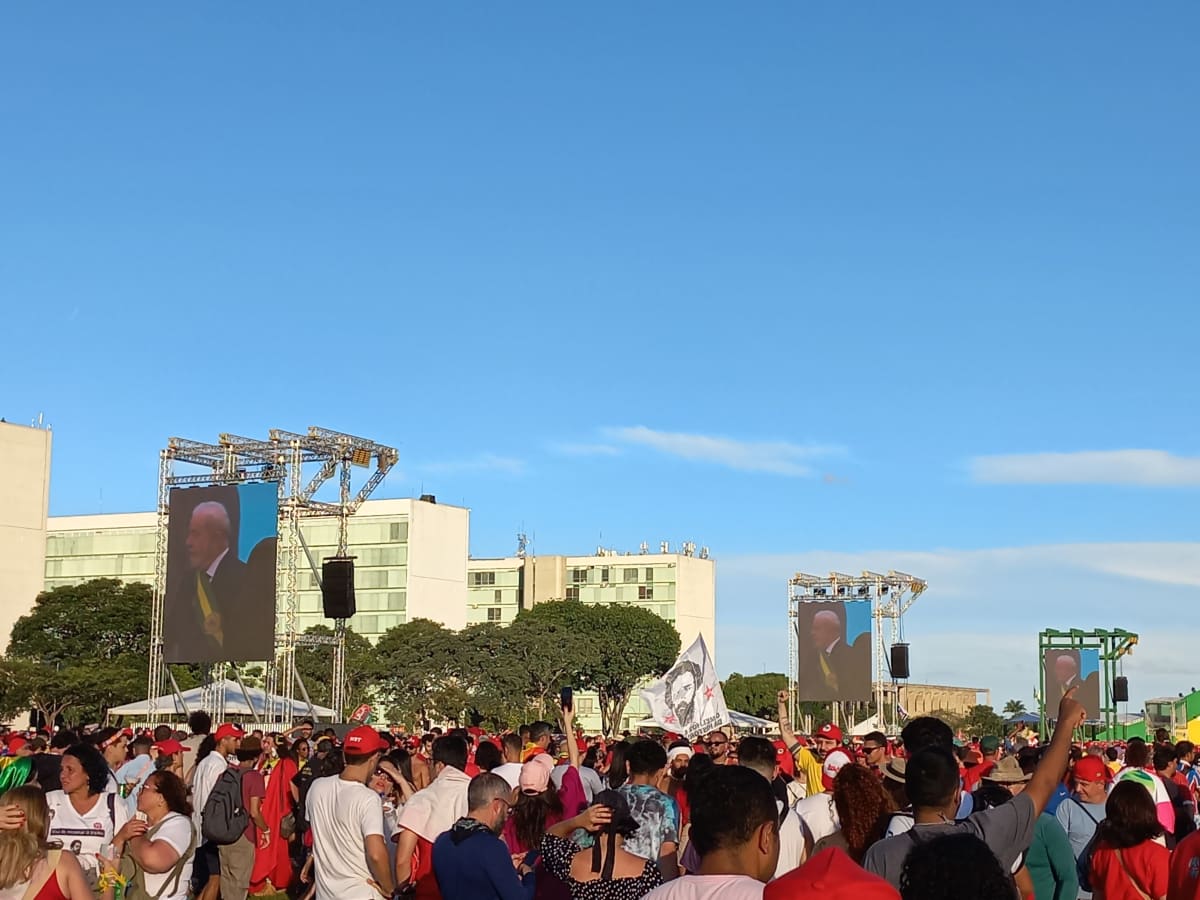
The 2022 Brazilian presidential election concluded with former president Luiz Inácio Lula da Silva defeating incumbent Jair Bolsonaro by a 4.4 million‑vote margin. Lula secured 50.9 % of the popular vote, translating to roughly 60 million ballots cast in his favor. This decisive win marks a dramatic reversal from the 2018 election, where Bolsonaro’s populist wave had eclipsed Lula’s left‑leaning platform.

Vote Count and Regional Turnout

Lula’s support surged across the traditional strongholds of the Northeast, the Amazon basin, and urban centers like São Paulo and Rio de Janeiro. In contrast, Bolsonaro retained pockets of loyalty in the South and parts of the Midwest. Voter turnout hit a record 79 %, reflecting heightened public engagement after years of political turbulence and pandemic‑related uncertainty.

Domestic Policy Implications

Lula’s second term promises a return to progressive policies: revitalising social welfare programs, renegotiating Brazil’s debt, and pursuing aggressive climate commitments to protect the Amazon. However, his administration inherits a staggering inflation rate of 5.8 % and a GDP contraction of 2.9 % in 2023, demanding swift economic stabilization measures.

"Brazil’s future hinges on balancing social justice with fiscal responsibility," noted economist Mariana Silva of the Getúlio Vargas Foundation.

Brazil’s Role in BRICS Post‑Election

BRICS—Brazil, Russia, India, China, and South Africa—has been positioning itself as an alternative pole to Western‑led institutions. Lula’s victory injects fresh energy into the bloc, especially as Beijing and Moscow navigate their own geopolitical recalibrations.

Economic Alignment

Lula has pledged to strengthen intra‑BRICS trade, targeting a 15 % rise in bilateral commerce by 2026. Brazil’s agribusiness, mining, and renewable‑energy sectors are poised to complement India’s technology and pharmaceuticals, creating a diversified supply chain less vulnerable to Western sanctions.

Geopolitical Shifts

The new Brazilian administration is expected to advocate for reform of the World Bank and IMF, echoing long‑standing BRICS demands for greater representation of emerging economies. Lula’s diplomatic style—favoring multilateral dialogue over confrontation—could temper the bloc’s more hawkish voices, fostering a cohesive stance on issues like climate finance and digital governance.

What It Means for India

India’s strategic calculus has long recognised Brazil as a bridge to Latin America. Lula’s win re‑opens avenues for deeper collaboration across trade, technology, and geopolitics.

Trade & Investment

  • Agricultural Exchange: Brazil’s expertise in soy, coffee and biofuels aligns with India’s growing demand for sustainable inputs.
  • Tech Partnerships: Joint ventures in fintech, AI‑driven agritech, and renewable‑energy grids could accelerate India’s “Make in India” agenda.
  • Investment Flows: Brazilian sovereign wealth funds have signalled interest in Indian infrastructure projects, especially in ports and railways.

Strategic Partnerships

Both nations share a vision of a multipolar world order, seeking to reduce dependence on the US dollar and Western financial architecture. Lula’s emphasis on climate leadership dovetails with India’s commitments under the Paris Agreement, paving the way for joint initiatives in Amazon‑Amazon basin conservation and renewable‑energy research.
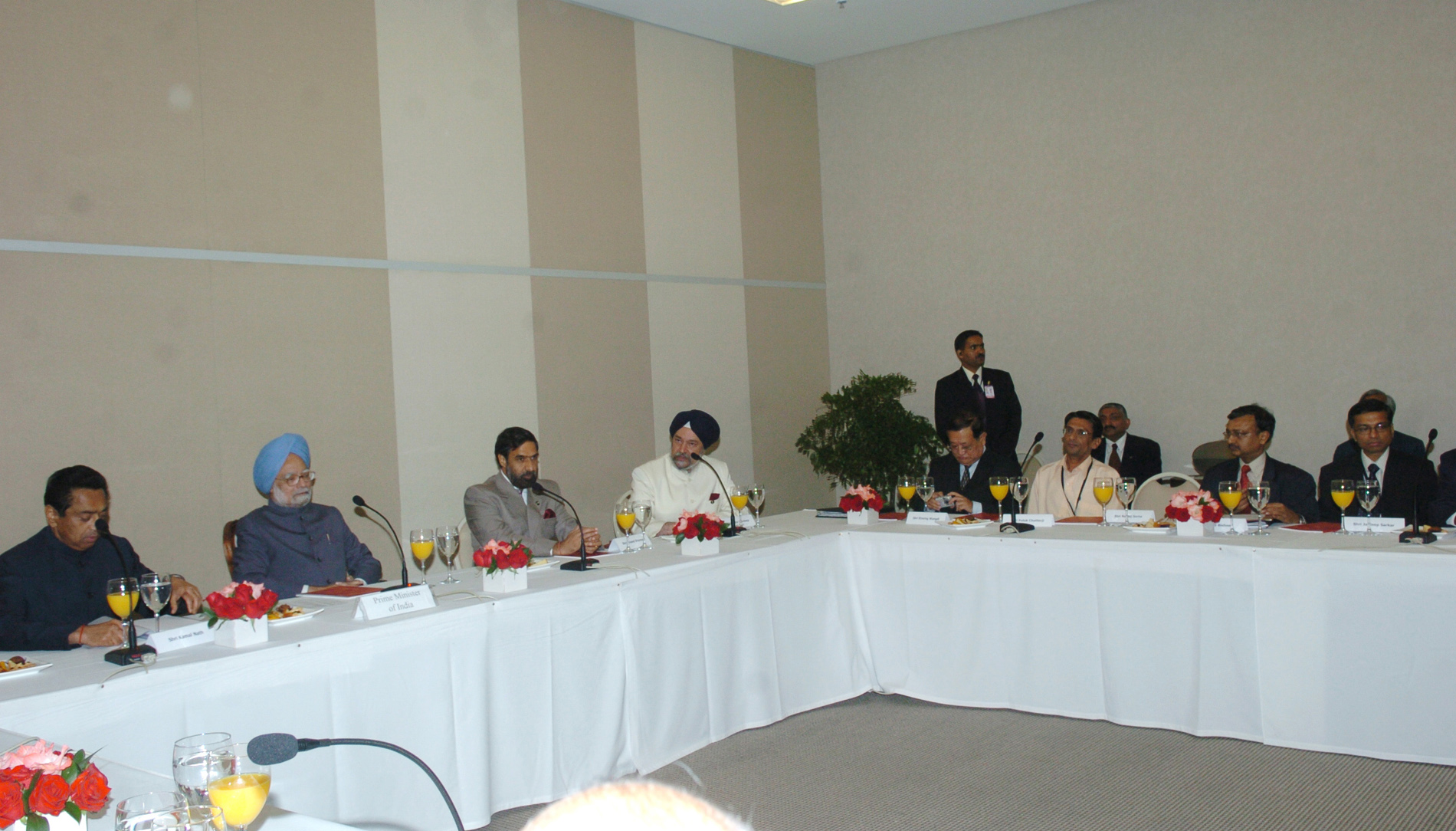
BRICS summit Mumbai 2024 BRICS summit Mumbai 2024

Editorial Analysis & Future Outlook

Lula’s decisive victory is more than a domestic political reset; it is a geostrategic catalyst for BRICS and the broader Global South. In the short term, Brazil must navigate a fragile economy, high inflation, and a polarized congress that could stall reform. Success will depend on Lula’s ability to craft a pragmatic fiscal agenda while delivering on his social promises.

On the BRICS front, Brazil’s renewed vigor could tip the balance toward a more coordinated bloc, especially as China and Russia seek to offset Western pressure. A cohesive BRICS could push for new development banks, alternative trade financing mechanisms, and a shared digital standards framework, reshaping global governance.

For India, the partnership horizon widens. By leveraging Brazil’s agricultural surplus, renewable‑energy expertise, and diplomatic clout, India can diversify its trade basket, deepen climate cooperation, and reinforce its stance in multilateral forums. The synergy could also serve as a counterweight to geopolitical frictions with China, offering India a reliable partner in the Western Hemisphere.

Looking ahead, the Lula‑India‑BRICS triangle may evolve into a cornerstone of a re‑balanced international system. If Brazil can stabilise its economy and deliver on climate pledges, it will emerge as a linchpin for South‑South cooperation, inviting further engagement from other emerging markets. Conversely, any domestic misstep could dampen momentum, leaving BRICS aspirations fragmented and India to recalibrate its outreach.

In essence, Lula’s 4.4 million‑vote triumph is a signal flare—illuminating Brazil’s intent to re‑assert itself on the world stage, reshape BRICS dynamics, and forge a deeper, mutually beneficial partnership with India. The coming years will reveal whether this promise translates into tangible policy outcomes, but the strategic undercurrents are unmistakably set in motion.


Original Reporting & Source: India Today Top Stories

Discussion (0)

Sign in to join the discussion.

No comments yet. Be the first to start the conversation!

| |

Lula’s 4.4 Million‑Vote Victory: What It Signals for Brazil, BRICS and India

By Umang Sisodia • 5 min read • 1 view

Key Takeaways

  • Luiz Inácio Lula da Silva clinches Brazil’s presidential race with a 4.4 million‑vote margin, reaffirming his left‑wing resurgence.
  • The win reshapes Brazil’s stance in BRICS, pushing the bloc toward deeper South‑South cooperation and a more assertive global agenda.
  • India stands to gain from Brazil’s renewed focus on trade diversification, climate collaboration, and a shared vision of a multipolar world.
  • Short‑term challenges include Brazil’s economic slowdown, inflationary pressures, and political polarization that could temper Lula’s ambitions.

Lula’s Resounding Victory

The 2022 Brazilian presidential election concluded with former president Luiz Inácio Lula da Silva defeating incumbent Jair Bolsonaro by a 4.4 million‑vote margin. Lula secured 50.9 % of the popular vote, translating to roughly 60 million ballots cast in his favor. This decisive win marks a dramatic reversal from the 2018 election, where Bolsonaro’s populist wave had eclipsed Lula’s left‑leaning platform.

Vote Count and Regional Turnout

Lula’s support surged across the traditional strongholds of the Northeast, the Amazon basin, and urban centers like São Paulo and Rio de Janeiro. In contrast, Bolsonaro retained pockets of loyalty in the South and parts of the Midwest. Voter turnout hit a record 79 %, reflecting heightened public engagement after years of political turbulence and pandemic‑related uncertainty.

Domestic Policy Implications

Lula’s second term promises a return to progressive policies: revitalising social welfare programs, renegotiating Brazil’s debt, and pursuing aggressive climate commitments to protect the Amazon. However, his administration inherits a staggering inflation rate of 5.8 % and a GDP contraction of 2.9 % in 2023, demanding swift economic stabilization measures.

"Brazil’s future hinges on balancing social justice with fiscal responsibility," noted economist Mariana Silva of the Getúlio Vargas Foundation.

Brazil’s Role in BRICS Post‑Election

BRICS—Brazil, Russia, India, China, and South Africa—has been positioning itself as an alternative pole to Western‑led institutions. Lula’s victory injects fresh energy into the bloc, especially as Beijing and Moscow navigate their own geopolitical recalibrations.

Economic Alignment

Lula has pledged to strengthen intra‑BRICS trade, targeting a 15 % rise in bilateral commerce by 2026. Brazil’s agribusiness, mining, and renewable‑energy sectors are poised to complement India’s technology and pharmaceuticals, creating a diversified supply chain less vulnerable to Western sanctions.

Geopolitical Shifts

The new Brazilian administration is expected to advocate for reform of the World Bank and IMF, echoing long‑standing BRICS demands for greater representation of emerging economies. Lula’s diplomatic style—favoring multilateral dialogue over confrontation—could temper the bloc’s more hawkish voices, fostering a cohesive stance on issues like climate finance and digital governance.

What It Means for India

India’s strategic calculus has long recognised Brazil as a bridge to Latin America. Lula’s win re‑opens avenues for deeper collaboration across trade, technology, and geopolitics.

Trade & Investment

  • Agricultural Exchange: Brazil’s expertise in soy, coffee and biofuels aligns with India’s growing demand for sustainable inputs.
  • Tech Partnerships: Joint ventures in fintech, AI‑driven agritech, and renewable‑energy grids could accelerate India’s “Make in India” agenda.
  • Investment Flows: Brazilian sovereign wealth funds have signalled interest in Indian infrastructure projects, especially in ports and railways.

Strategic Partnerships

Both nations share a vision of a multipolar world order, seeking to reduce dependence on the US dollar and Western financial architecture. Lula’s emphasis on climate leadership dovetails with India’s commitments under the Paris Agreement, paving the way for joint initiatives in Amazon‑Amazon basin conservation and renewable‑energy research.

BRICS summit Mumbai 2024 BRICS summit Mumbai 2024

Editorial Analysis & Future Outlook

Lula’s decisive victory is more than a domestic political reset; it is a geostrategic catalyst for BRICS and the broader Global South. In the short term, Brazil must navigate a fragile economy, high inflation, and a polarized congress that could stall reform. Success will depend on Lula’s ability to craft a pragmatic fiscal agenda while delivering on his social promises.

On the BRICS front, Brazil’s renewed vigor could tip the balance toward a more coordinated bloc, especially as China and Russia seek to offset Western pressure. A cohesive BRICS could push for new development banks, alternative trade financing mechanisms, and a shared digital standards framework, reshaping global governance.

For India, the partnership horizon widens. By leveraging Brazil’s agricultural surplus, renewable‑energy expertise, and diplomatic clout, India can diversify its trade basket, deepen climate cooperation, and reinforce its stance in multilateral forums. The synergy could also serve as a counterweight to geopolitical frictions with China, offering India a reliable partner in the Western Hemisphere.

Looking ahead, the Lula‑India‑BRICS triangle may evolve into a cornerstone of a re‑balanced international system. If Brazil can stabilise its economy and deliver on climate pledges, it will emerge as a linchpin for South‑South cooperation, inviting further engagement from other emerging markets. Conversely, any domestic misstep could dampen momentum, leaving BRICS aspirations fragmented and India to recalibrate its outreach.

In essence, Lula’s 4.4 million‑vote triumph is a signal flare—illuminating Brazil’s intent to re‑assert itself on the world stage, reshape BRICS dynamics, and forge a deeper, mutually beneficial partnership with India. The coming years will reveal whether this promise translates into tangible policy outcomes, but the strategic undercurrents are unmistakably set in motion.


Original Reporting & Source: India Today Top Stories