Umang Sisodia • • 5 min read • 1 view
Cyclone Arnab Forces School Closures in Andhra Pradesh & Odisha: Safety, Disruption, and Long‑Term Lessons

Key Takeaways
- Andhra Pradesh and Odisha have ordered a statewide shutdown of schools on Thursday, prioritising student safety as Cyclone Arnab looms.
- The cyclone, forecast to deliver winds up to 120 km/h and torrential rain, threatens coastal districts, prompting massive evacuations and relief mobilisations.
- Closure impacts more than 12 million students, disrupting academic calendars but allowing authorities to channel resources toward emergency response and infrastructure protection.
- Experts warn that rising cyclone intensity, linked to climate change, will make such disruptions more frequent, urging a rethink of school infrastructure and disaster‑ready curricula.
The Meteorological Backdrop: Cyclone Arnab's Trajectory
Cyclone Arnab, the latest system to emerge from the Bay of Bengal, was classified as a Very Severe Cyclonic Storm by the India Meteorological Department (IMD) on Wednesday night. Satellite imagery showed a well‑defined eye, with wind speeds peaking at 120 km/h and sea‑surface temperatures hovering around 30 °C—ideal conditions for rapid intensification.
The storm’s projected path slices across the Srikakulam and Vizianagaram districts of Andhra Pradesh before veering northwest toward the Ganjam and Puri districts of Odisha. Heavy rainfall forecasts (exceeding 250 mm in some pockets) have already triggered flash‑flood warnings, prompting the state disaster management authorities to activate Level‑3 emergency protocols.
"Our primary responsibility is to safeguard lives, especially the most vulnerable—children. Closing schools is a precautionary step, not a disruption," said Dr. K. S. Raju, Director of the Andhra Pradesh Disaster Management Authority, in a press briefing.
Immediate Impact on Education
The decision to shut schools was announced late Wednesday evening by the education departments of both states. In Andhra Pradesh, 9,845 government schools and 2,130 private institutions will remain closed until at least Friday, while Odisha has ordered a 48‑hour closure across 12,300 schools.
Numbers at a Glance
- Andhra Pradesh: ~7.2 million students affected
- Odisha: ~5.1 million students affected
- Total: >12 million learners facing a sudden academic pause
The closures affect not only regular classes but also mid‑term examinations, board exam preparations, and school‑based health programs. Many districts have already shifted to online learning modules, but connectivity gaps in rural pockets pose a serious challenge.
Community Response & Relief Operations
 Odisha school closure cyclone
Local authorities have turned school premises into temporary shelters and distribution points for relief material. In the coastal town of Kalingapatnam, Andhra Pradesh, a government school’s playground now hosts 15,000 evacuees under tarpaulin canopies, while teachers coordinate first‑aid kits and sandbag distribution.
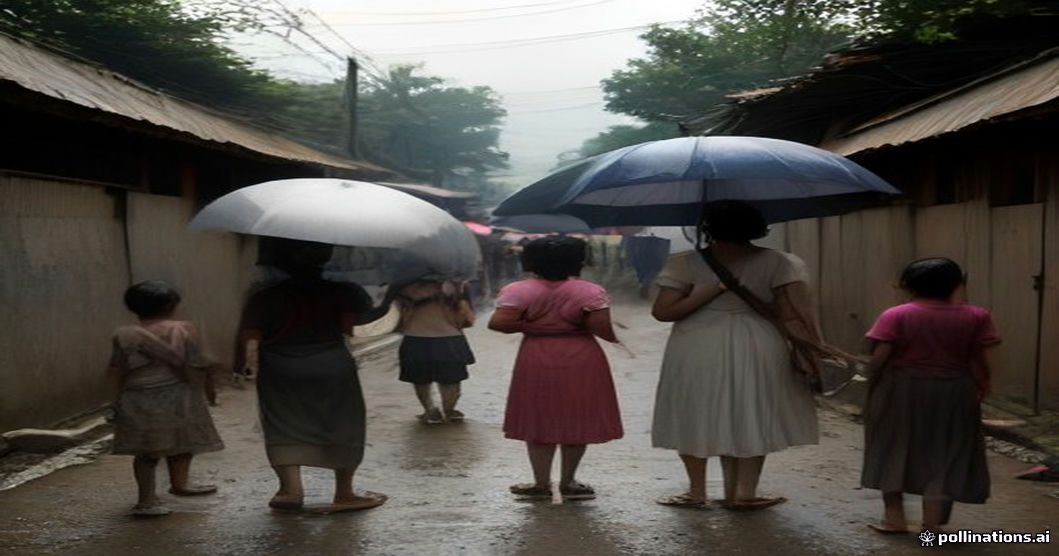
In Odisha’s Ganjam district, school principals, clad in rain‑coats, stand outside closed gates with umbrellas, reassuring anxious parents. Volunteers from the National Disaster Response Force (NDRF) and local NGOs have set up mobile medical units and food kitchens adjacent to school compounds.
Economic & Social Ripple Effects
Beyond the immediate safety concerns, the school closures ripple through the local economy. Daily‑wage workers who rely on school‑based canteens for meals see a sudden loss of income. Small vendors near school corridors report a 30‑40% drop in sales.
Psychologically, prolonged disruptions can affect children’s sense of routine and security. Child psychologists warn of increased anxiety levels, especially among those who have experienced previous cyclones.
Government Measures & Policy Response
Both state governments have rolled out a suite of measures:
- Emergency Funding: Andhra Pradesh allocated ₹250 crore for cyclone‑related relief; Odisha earmarked ₹180 crore.
- Education Continuity Plans: Fast‑track digital learning kits for 2.5 million students lacking internet access; mobile radio‑based lessons in remote villages.
- Infrastructure Audits: The School Safety Committee will inspect roofs, electrical wiring, and emergency exits of all public schools post‑storm.
- Curriculum Revision: The National Council of Educational Research and Training (NCERT) is drafting a Disaster Management module to be integrated into the Class 6 syllabus nationwide.
These steps reflect a broader shift toward resilience‑focused education, acknowledging that climate‑driven events are becoming part of everyday risk calculus.
Editorial Analysis & Future Outlook
Cyclone Arnab’s rapid escalation underscores a stark reality: climate change is reshaping India’s disaster landscape. The sheer scale of school closures—affecting over 12 million children—signals that educational continuity plans must evolve from optional add‑ons to core policy pillars.
Long‑Term Implications
- Infrastructure Upgrades: Schools in coastal belts will need storm‑proof designs—reinforced roofs, elevated classrooms, and solar‑powered backup generators—to remain functional during extreme weather.
- Hybrid Learning Ecosystems: Reliance on offline digital platforms is insufficient. A resilient system will blend radio, television, and community‑based learning hubs to bridge the digital divide.
- Policy Integration: Disaster risk reduction must be embedded in state education budgets, with clear metrics for school readiness and post‑event recovery.
- Community Empowerment: Training teachers and local volunteers in first aid, evacuation protocols, and psychological first‑aid can transform schools from mere shelters to lifelines.
As cyclones grow more intense and frequent, the cost of inaction will far outweigh the investment in preparedness. The Arnab episode, while disruptive, offers a crucial learning window: policymakers, educators, and civil society must collaborate to future‑proof India’s schools, ensuring that the next storm meets a system ready to protect, educate, and recover without missing a beat.
For real‑time updates on Cyclone Arnab and its impact on education, stay tuned to India Today Top Stories.
Original Reporting & Source: India Today Top Stories

Discussion (0)
Sign in to join the discussion.
No comments yet. Be the first to start the conversation!