Umang Sisodia • • 6 min read • 1 view
UP CM Yogi Adityanath Laughs at Harsh Gujral’s Banana Cart Joke – Why It Went Viral
Key Takeaways
- A stand‑up clip of comedian Harsh Gujral joking that even criminals in Uttar Pradesh are selling bananas on carts sparked a viral video of CM Yogi Adityanath laughing.
- The moment tapped into broader narratives: law‑and‑order politics, the rise of humor in Indian political discourse, and the power of short‑form video platforms.
- Media outlets, from India Today to regional channels, amplified the clip, turning a light‑hearted exchange into a talking point about governance, populist messaging, and the CM’s public image.
- Experts predict that politicians will increasingly use humor to humanise themselves, but the line between levity and policy distraction remains contentious.
The Viral Clip That Set Social Media Ablaze
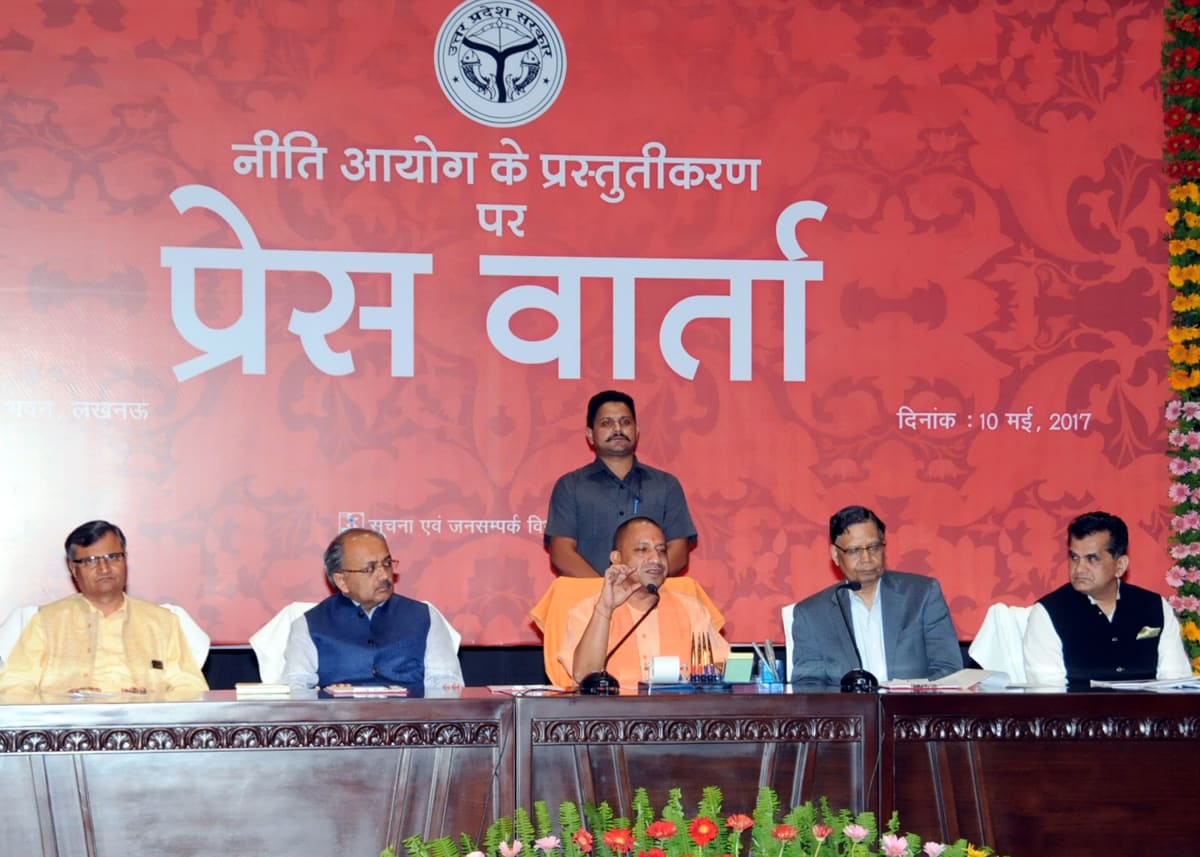
In early October 2024, a 45‑second video posted on India Today’s YouTube channel captured Uttar Pradesh Chief Minister Yogi Adityanath chuckling at a punchline delivered by popular stand‑up comedian Harsh Gujral. The joke went:
"Even criminals in UP are now selling bananas on carts. If they’re that honest, maybe they’ll stop stealing and just become fruit vendors!"
Yogi’s hearty laugh, captured on a press‑conference backdrop, instantly resonated with millions of viewers. Within hours, the clip amassed 2.3 million views on YouTube, over 1 million shares across WhatsApp, Instagram Reels, and TikTok, and trended on Google Trends under the Hindi query "योगी हँसे".
Why the Clip Exploded
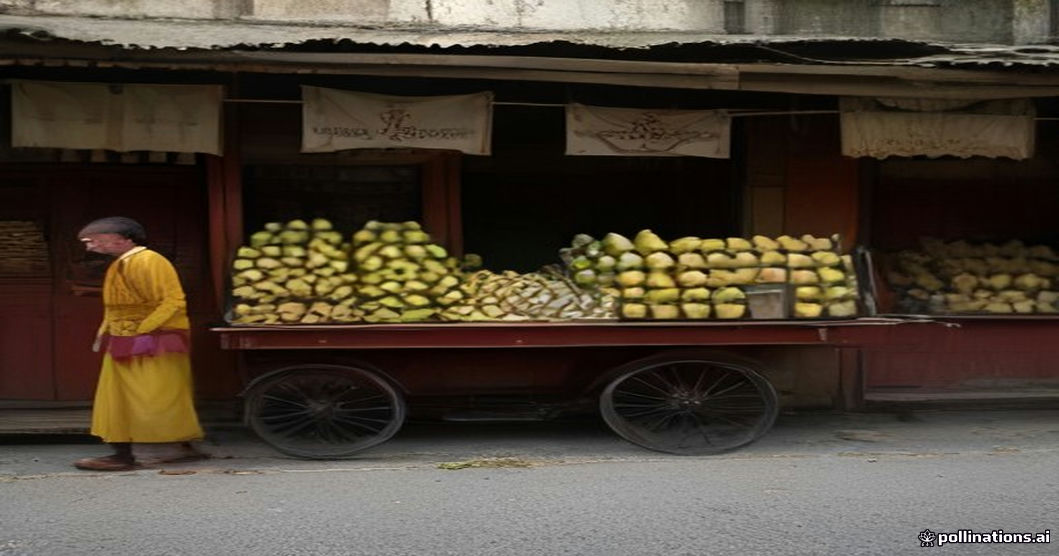
- Relatability: The image of a banana cart is a ubiquitous sight on UP’s streets, instantly recognizable to the state’s 240 million residents.
- Humor Meets Power: Seeing a stern law‑and‑order chief minister laugh at a joke humanises a figure often portrayed as austere.
- Platform Amplification: India Today’s cross‑platform push (YouTube, Facebook, X) ensured the video reached both urban and rural audiences.
The Joke’s Anatomy: From Crime to Comedy
Harsh Gujral, known for his satirical takes on Indian politics, crafted the joke by juxtaposing two familiar tropes:
- Criminality in UP – Historically, Uttar Pradesh has grappled with high crime rates, a narrative frequently leveraged by political parties.
- Street‑side Banana Vendors – A symbol of the informal economy, the banana cart is a daily fixture in markets from Lucknow to Varanasi.
By suggesting that even crooks are now honest enough to sell fruit, Gujral subtly highlighted the state’s push for ‘clean’ governance under Yogi’s administration while delivering a punchline that feels both absurd and oddly hopeful.
Political Calculus: Why Yogi’s Laughter Matters
Yogi Adityanath’s public persona is built on discipline, discipline, discipline – a narrative cultivated since his first term in 2017. Yet, his reaction to Gujral’s joke signals a strategic shift:
- Humanising the Leader: A genuine laugh softens the image of an unyielding administrator, potentially broadening his appeal among younger, urban voters.
- Deflecting Criticism: By joining the joke, Yogi sidesteps direct engagement with the underlying criticism about crime, turning the conversation toward a lighter tone.
- Media Control: The CM’s office promptly released the clip, framing it as a moment of "light‑hearted interaction", thereby steering the narrative away from policy debates.
Political analysts note that this mirrors a global trend where leaders "own" humor to appear relatable – from Emmanuel Macron’s TikTok dance to Narendra Modi’s cricket banter.
Public Reaction & Media Framing
The clip ignited a kaleidoscope of reactions across the Indian digital landscape:
- Supportive Voices: Many praised Yogi for showing a lighter side, with comments like "Even the CM needs a break – good to see him laugh!" trending on X.
- Critical Commentary: Others argued the laughter masked deeper governance issues, posting memes that read "Bananas for criminals? What about the 30 % crime rise?"
- Satirical Spin‑offs: Content creators produced parody videos, re‑editing the clip with cartoon bananas raining down on the CM’s podium.
Traditional media outlets, such as The Hindu, Times of India, and ABP Live, published opinion pieces dissecting the moment, ranging from "A Strategic Soft‑Power Play" to "Comedy as a Distraction".
 UP banana cart street vendor
The Broader Narrative: Humor, Populism, and Governance
Harsh Gujral’s joke and Yogi’s laugh sit at the intersection of populist politics and digital media culture. Several themes emerge:
- Populist Symbolism – By referencing a street vendor, the joke taps into the everyday struggles of the common man, a hallmark of populist rhetoric.
- Digital Amplification – Short‑form video platforms have democratized political commentary, allowing comedians to influence public discourse directly.
- Policy vs. Persona – While humor can humanise leaders, it also risks overshadowing substantive policy discussions, especially in a state where law‑and‑order remains a top voter concern.
Scholars from the Indian Institute of Mass Communication argue that such moments could re‑calibrate the power dynamics between political elites and the citizenry, granting comedians a quasi‑political platform.
Editorial Analysis & Future Outlook
The Yogi‑Gujral episode is more than a viral chuckle; it is a cultural barometer of how Indian politics is evolving in the age of instant media. The CM’s willingness to laugh publicly may herald a new playbook for Indian leaders:
- Strategic Levity: Future campaigns might embed humor into rallies, press conferences, and even policy announcements to capture the fragmented attention spans of digital natives.
- Comedic Gatekeeping: As comedians gain influence, politicians may seek to court them, blurring lines between satire and political endorsement.
- Risk of Dilution: Over‑reliance on humor could erode public expectations of accountability, especially if leaders use jokes to sidestep tough questions on crime, unemployment, or infrastructure.
In the coming months, we can anticipate:
- Increased collaboration between political communication teams and comedy writers.
- More viral moments where opposition leaders are caught reacting to jokes, turning humor into a battlefield for political legitimacy.
- A pushback from civil‑society groups demanding that serious issues not be reduced to punchlines.
Ultimately, the banana‑cart joke underscores a paradigm shift: Indian politics is no longer confined to podiums and press releases; it lives in the memes, reels, and laughs that shape public perception. How leaders balance this new reality with governance will define their legacy in the digital age.
Original Reporting & Source: India Today Top Stories

Discussion (0)
Sign in to join the discussion.
No comments yet. Be the first to start the conversation!