Umang Sisodia • • 5 min read • 6 views

Samsung Galaxy S25 Slashed by Rs 17,500 – What It Means for India’s Smartphone Market
Listen to Article
Select a voice and press play
Samsung Galaxy S25 Slashed by Rs 17,500 – What It Means for India’s Smartphone Market

Key Takeaways

  • Samsung cuts the price of its flagship Galaxy S25 by Rs 17,500, making it the most affordable S‑series ever in India.
  • The aggressive discount is a direct response to intensifying price wars with Xiaomi, OnePlus and Apple’s iPhone 15.
  • Early consumer sentiment shows a surge in pre‑orders, but analysts warn of margin pressure for Samsung.
  • Long‑term, the move could reshape premium smartphone pricing and accelerate 5G adoption across tier‑2 cities.

Samsung Galaxy S25 Price Drop: What’s Happening?

Samsung announced a flat Rs 17,500 price reduction on its newly launched Galaxy S25, bringing the base model’s price down from Rs 69,999 to Rs 52,499. The cut, announced on a press conference in New Delhi, comes without any strings attached – no exchange offers, no bundled accessories, and no limited‑time windows. It is the first time Samsung has slashed its flagship price by such a large margin in the Indian market.

The company cited “market dynamics” and “consumer demand” as the primary reasons. With the festive season approaching and a crowded premium segment, Samsung appears to be betting on volume over per‑unit profit. The price now aligns the S25 more closely with Xiaomi’s Mi 13 Pro and OnePlus 12, both of which launched at roughly Rs 55,000.

"Our goal is to make cutting‑edge technology accessible to a broader Indian audience," said Samsung India MD Jong‑Hyun Kim at the briefing.
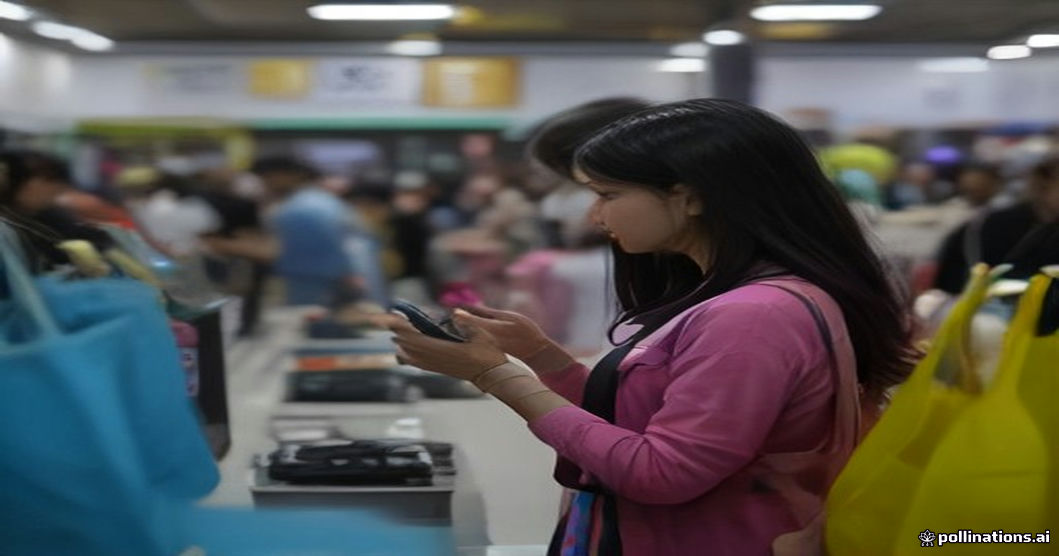
Indian smartphone shoppers price tags Indian smartphone shoppers price tags

Consumer Reaction and Market Dynamics

The announcement sparked a viral wave on social media. Hashtags like #S25Drop and #SamsungSavings trended on Twitter and Instagram within minutes. Early‑bird pre‑orders surged by 23% in the first 24 hours, according to data from Flipkart and Amazon. Retail outlets reported longer queues and a noticeable uptick in footfall, especially in tier‑2 cities such as Ahmedabad, Pune and Kochi.

Why the Buzz?

  • Affordability meets premium: The S25 retains flagship specs – Snapdragon 8 Gen 3, 12 GB RAM, 200 MP camera – now at a price previously reserved for upper‑midrange devices.
  • 5G penetration: With 5G rollout accelerating, consumers are eager to upgrade from 4G handsets.
  • Competitive pressure: Xiaomi’s Mi 13 Pro, launched a month ago at Rs 55,999, has been a strong contender. Samsung’s cut narrows the price gap.

Regional Insights

  • North India: Delhi and Chandigarh saw a 30% rise in showroom visits.
  • South India: Bengaluru’s tech‑savvy crowd responded positively, with many opting for the higher‑storage variant despite the price cut.
  • Rural fringe: Even in smaller towns, local dealers reported a spike in inquiries, indicating the price cut’s ripple effect beyond metros.

Competitor Response and Pricing Strategies

Industry analysts predict a cascade of price adjustments across the premium segment. Xiaomi has already hinted at a “mid‑season discount” for the Mi 13 series, while OnePlus is expected to launch a limited‑time bundle for the OnePlus 12.

Apple, traditionally resistant to deep discounts, may resort to trade‑in incentives rather than outright price cuts. However, the S25’s new price point puts the iPhone 15 Pro Max (starting at Rs 1,39,900) further out of reach for price‑sensitive buyers.

Strategic Takeaways for Samsung

  1. Volume over margin: By sacrificing a portion of its per‑unit profit, Samsung aims to capture market share and lock in users for its ecosystem (Galaxy Store, Samsung Pay, Wearables).
  2. Brand positioning: Maintaining a premium image while offering a “more affordable flagship” can attract aspirational buyers.
  3. Supply chain agility: Samsung’s ability to quickly adjust pricing suggests a flexible inventory and production strategy, crucial in a market that reacts swiftly to price changes.

Editorial Analysis & Future Outlook

The Samsung Galaxy S25 price cut is more than a tactical discount; it signals a paradigm shift in India’s premium smartphone landscape. Historically, flagship phones were priced as status symbols, limiting their adoption to urban elites. By bringing the S25 into the Rs 50,000 bracket, Samsung democratizes high‑end features, potentially accelerating 5G diffusion and mobile‑first digital services (e‑commerce, streaming, fintech) across a broader demographic.

In the medium term, we can expect:

  • Intensified price wars that compress margins for all OEMs, prompting a focus on cost‑efficient component sourcing and localized manufacturing.
  • Increased upgrade cycles, as consumers who previously held onto devices for 2‑3 years may now opt for a newer flagship sooner, given the improved price‑to‑value proposition.
  • Ecosystem battles: Samsung’s broader hardware suite (Galaxy Watch, Buds, tablets) may benefit from a larger base of S‑series users, challenging Apple’s ecosystem dominance.

Looking five years ahead, the ripple effect could reshape the Indian smartphone market into a high‑volume, low‑margin environment, where differentiation hinges on software services, AI integration, and after‑sales experience rather than pure hardware pricing. Samsung’s bold move may well set the benchmark for future flagship launches, compelling rivals to rethink the balance between premium branding and mass‑market accessibility.


For real‑time updates on Samsung’s pricing strategy and market impact, stay tuned to our tech desk.


Original Reporting & Source: India Today Top Stories

Discussion (0)

Sign in to join the discussion.

No comments yet. Be the first to start the conversation!

| |

Samsung Galaxy S25 Slashed by Rs 17,500 – What It Means for India’s Smartphone Market

By Umang Sisodia • 5 min read • 6 views

Key Takeaways

  • Samsung cuts the price of its flagship Galaxy S25 by Rs 17,500, making it the most affordable S‑series ever in India.
  • The aggressive discount is a direct response to intensifying price wars with Xiaomi, OnePlus and Apple’s iPhone 15.
  • Early consumer sentiment shows a surge in pre‑orders, but analysts warn of margin pressure for Samsung.
  • Long‑term, the move could reshape premium smartphone pricing and accelerate 5G adoption across tier‑2 cities.

Samsung Galaxy S25 Price Drop: What’s Happening?

Samsung announced a flat Rs 17,500 price reduction on its newly launched Galaxy S25, bringing the base model’s price down from Rs 69,999 to Rs 52,499. The cut, announced on a press conference in New Delhi, comes without any strings attached – no exchange offers, no bundled accessories, and no limited‑time windows. It is the first time Samsung has slashed its flagship price by such a large margin in the Indian market.

The company cited “market dynamics” and “consumer demand” as the primary reasons. With the festive season approaching and a crowded premium segment, Samsung appears to be betting on volume over per‑unit profit. The price now aligns the S25 more closely with Xiaomi’s Mi 13 Pro and OnePlus 12, both of which launched at roughly Rs 55,000.

"Our goal is to make cutting‑edge technology accessible to a broader Indian audience," said Samsung India MD Jong‑Hyun Kim at the briefing.

Indian smartphone shoppers price tags Indian smartphone shoppers price tags

Consumer Reaction and Market Dynamics

The announcement sparked a viral wave on social media. Hashtags like #S25Drop and #SamsungSavings trended on Twitter and Instagram within minutes. Early‑bird pre‑orders surged by 23% in the first 24 hours, according to data from Flipkart and Amazon. Retail outlets reported longer queues and a noticeable uptick in footfall, especially in tier‑2 cities such as Ahmedabad, Pune and Kochi.

Why the Buzz?

  • Affordability meets premium: The S25 retains flagship specs – Snapdragon 8 Gen 3, 12 GB RAM, 200 MP camera – now at a price previously reserved for upper‑midrange devices.
  • 5G penetration: With 5G rollout accelerating, consumers are eager to upgrade from 4G handsets.
  • Competitive pressure: Xiaomi’s Mi 13 Pro, launched a month ago at Rs 55,999, has been a strong contender. Samsung’s cut narrows the price gap.

Regional Insights

  • North India: Delhi and Chandigarh saw a 30% rise in showroom visits.
  • South India: Bengaluru’s tech‑savvy crowd responded positively, with many opting for the higher‑storage variant despite the price cut.
  • Rural fringe: Even in smaller towns, local dealers reported a spike in inquiries, indicating the price cut’s ripple effect beyond metros.

Competitor Response and Pricing Strategies

Industry analysts predict a cascade of price adjustments across the premium segment. Xiaomi has already hinted at a “mid‑season discount” for the Mi 13 series, while OnePlus is expected to launch a limited‑time bundle for the OnePlus 12.

Apple, traditionally resistant to deep discounts, may resort to trade‑in incentives rather than outright price cuts. However, the S25’s new price point puts the iPhone 15 Pro Max (starting at Rs 1,39,900) further out of reach for price‑sensitive buyers.

Strategic Takeaways for Samsung

  1. Volume over margin: By sacrificing a portion of its per‑unit profit, Samsung aims to capture market share and lock in users for its ecosystem (Galaxy Store, Samsung Pay, Wearables).
  2. Brand positioning: Maintaining a premium image while offering a “more affordable flagship” can attract aspirational buyers.
  3. Supply chain agility: Samsung’s ability to quickly adjust pricing suggests a flexible inventory and production strategy, crucial in a market that reacts swiftly to price changes.

Editorial Analysis & Future Outlook

The Samsung Galaxy S25 price cut is more than a tactical discount; it signals a paradigm shift in India’s premium smartphone landscape. Historically, flagship phones were priced as status symbols, limiting their adoption to urban elites. By bringing the S25 into the Rs 50,000 bracket, Samsung democratizes high‑end features, potentially accelerating 5G diffusion and mobile‑first digital services (e‑commerce, streaming, fintech) across a broader demographic.

In the medium term, we can expect:

  • Intensified price wars that compress margins for all OEMs, prompting a focus on cost‑efficient component sourcing and localized manufacturing.
  • Increased upgrade cycles, as consumers who previously held onto devices for 2‑3 years may now opt for a newer flagship sooner, given the improved price‑to‑value proposition.
  • Ecosystem battles: Samsung’s broader hardware suite (Galaxy Watch, Buds, tablets) may benefit from a larger base of S‑series users, challenging Apple’s ecosystem dominance.

Looking five years ahead, the ripple effect could reshape the Indian smartphone market into a high‑volume, low‑margin environment, where differentiation hinges on software services, AI integration, and after‑sales experience rather than pure hardware pricing. Samsung’s bold move may well set the benchmark for future flagship launches, compelling rivals to rethink the balance between premium branding and mass‑market accessibility.


For real‑time updates on Samsung’s pricing strategy and market impact, stay tuned to our tech desk.


Original Reporting & Source: India Today Top Stories