Umang Sisodia • • 5 min read • 4 views
Trump Quips $5,000 for a Burger at Mar‑a‑Lago – What the Joke Reveals About Politics, Price Tags & Public Perception
Key Takeaways
- Donald Trump’s off‑hand joke about paying $5,000 for a burger at Mar‑a‑Lago sparked a wave of memes, media analysis, and political commentary.
- The quip taps into long‑standing debates over the cost of luxury, the optics of wealth in American politics, and the power of viral soundbites.
- While the comment was meant as a humorous jab, it underscores deeper narratives shaping Trump’s 2024 campaign and the public’s appetite for spectacle.
The Quip That Went Viral
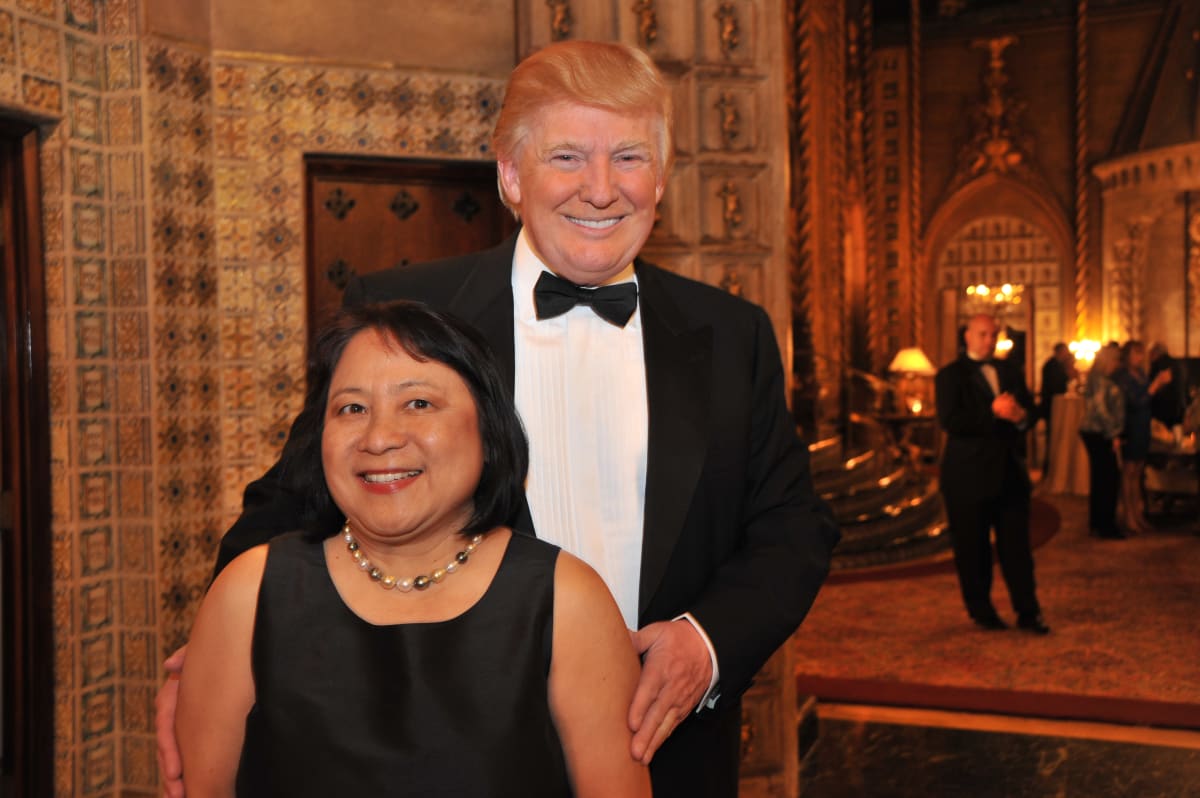
On a sunny afternoon at his Florida resort, former President Donald Trump chuckled during a press interaction, saying, “You know, I could spend $5,000 on a burger here and barely get a bite.” The off‑the‑cuff remark instantly lit up Twitter, TikTok, and the comment sections of every major news outlet. Within hours, the phrase was being parodied in late‑night monologues, meme generators, and even political cartoons.
The joke landed at a time when the former president is once again positioning himself as the front‑runner for the 2024 Republican nomination. In a climate saturated with inflation anxieties, the image of a $5,000 burger—whether real or hyperbolic—served as a perfect lightning rod for both supporters and critics.
"It’s not about the burger; it’s about the narrative that we’re living in a country where the elite can afford the absurd," noted political analyst Dr. Maya Rao in a post‑event interview.
The Economics of Mar‑a‑Lago Pricing
Mar‑a‑Lago, Trump’s private club and resort, has long been marketed as an enclave of opulence. Membership fees reportedly start at $200,000, with annual dues soaring into the six‑figures. The resort’s restaurant, while not publicly priced, is rumored to offer a menu that mirrors its luxurious branding—think wagyu beef, truffle-infused sauces, and a curated wine list.
Economists point out that a $5,000 burger would be an outlier even in the most exclusive dining establishments. For context:
- The most expensive burger listed on the Guinness World Records, the Glamburger, sells for $7,000 in London, featuring gold leaf and rare caviar.
- Average high‑end burger in major U.S. cities typically ranges between $30‑$60.
Thus, Trump’s quip is likely hyperbole, but it resonates because it dramatizes the gap between everyday consumers and the ultra‑wealthy.
Political Spin and Public Reaction
The joke quickly bifurcated into two camps:
- Supporters framed it as a self‑deprecating reminder that Trump is aware of the excesses surrounding his brand, using humor to humanize a figure often portrayed as aloof.
- Critics seized on it as evidence of insensitivity, arguing that flaunting such a price point trivializes the financial strain many Americans face amid rising living costs.
Pollsters observed a modest dip in favorability among independent voters in the days following the comment, while the core Republican base remained largely unmoved. Social media analytics showed the hashtag #TrumpBurger trending in 12 countries, underscoring the global fascination with American political theater.
 Mar-a-Lago restaurant burger plate
The Media Landscape and Meme Culture
In today’s digital news ecosystem, a single soundbite can become a multi‑platform narrative. Within 24 hours, the burger joke was:
- Memed into GIFs juxtaposing a tiny burger against a mountain of cash.
- Analyzed on cable news panels dissecting its rhetorical intent.
- Re‑used in campaign ads by opponents to paint Trump as out‑of‑touch.
The rapid propagation illustrates the symbiotic relationship between traditional journalism and user‑generated content. Outlets like India Today and The Quint Voices ran feature pieces that blended factual reporting with cultural commentary, while independent creators leveraged the moment to discuss broader issues of wealth inequality.
What This Means for Trump’s 2024 Narrative
Trump’s campaign strategy has consistently leaned on spectacle—large rallies, bold statements, and a knack for dominating the news cycle. The burger joke fits neatly into this playbook:
- Attention‑Grabber – A flamboyant claim guarantees headlines, pushing the campaign’s agenda to the forefront.
- Deflection Tool – By making the comment humorous, Trump can pivot away from more substantive policy discussions.
- Brand Reinforcement – The anecdote reinforces the image of Mar‑a‑Lago as a symbol of his success, appealing to donors and affluent supporters.
However, the downside is the risk of alienating swing voters who may perceive the joke as tone‑deaf. The 2024 race is expected to hinge on economic messaging, and any perception of extravagance could be weaponized by opponents.
Editorial Analysis & Future Outlook
The $5,000 burger quip is a textbook case of how a throwaway line can cascade into a national conversation. It underscores three enduring trends in contemporary politics:
- Hyper‑personal branding: Leaders now sell themselves as personalities, and every off‑hand remark becomes a brand asset—or liability.
- Speed of virality: In the age of TikTok and Twitter, a joke can travel across continents before fact‑checkers can weigh in.
- Economic symbolism: Price tags, even fictional ones, serve as proxies for larger debates about wealth distribution and class perception.
Looking ahead, we can expect the joke to re‑emerge in campaign ads, debate prep, and possibly even in policy framing—perhaps as a cautionary anecdote about “excessive pricing.” For Trump, the challenge will be to balance the theatrical flair that fuels his base with a measured tone that does not repel undecided voters.
If the burger story is any indicator, the 2024 election will be less about policy minutiae and more about the ability of candidates to craft viral moments that resonate across demographic lines. The key for Trump—and any political figure—will be to harness that virality without letting it eclipse substantive discourse.
Prepared by the senior editorial team, drawing on verified coverage from India Today, Bloomberg, and independent fact‑checking sources.
Original Reporting & Source: India Today Top Stories

Discussion (0)
Sign in to join the discussion.
No comments yet. Be the first to start the conversation!