Umang Sisodia • • 5 min read • 4 views
Flavio Bolsonaro’s US Claim: Brazil’s ‘Rightful Leader’ Amid Coup Allegations
Key Takeaways
- Flavio Bolsonaro, son of former President Jair Bolsonaro, declared himself Brazil’s legitimate leader while in the United States, alleging a coup in the 2022 election.
- The statement sparked a wave of social media virality, prompting swift rebuttals from Brazil’s electoral court and the current administration.
- International observers view the claim as part of a broader strategy to delegitimize Brazil’s democratic institutions and rally overseas supporters.
- Long‑term repercussions could include heightened political polarization, legal battles abroad, and a test of Brazil‑US diplomatic ties.
The Shock Announcement
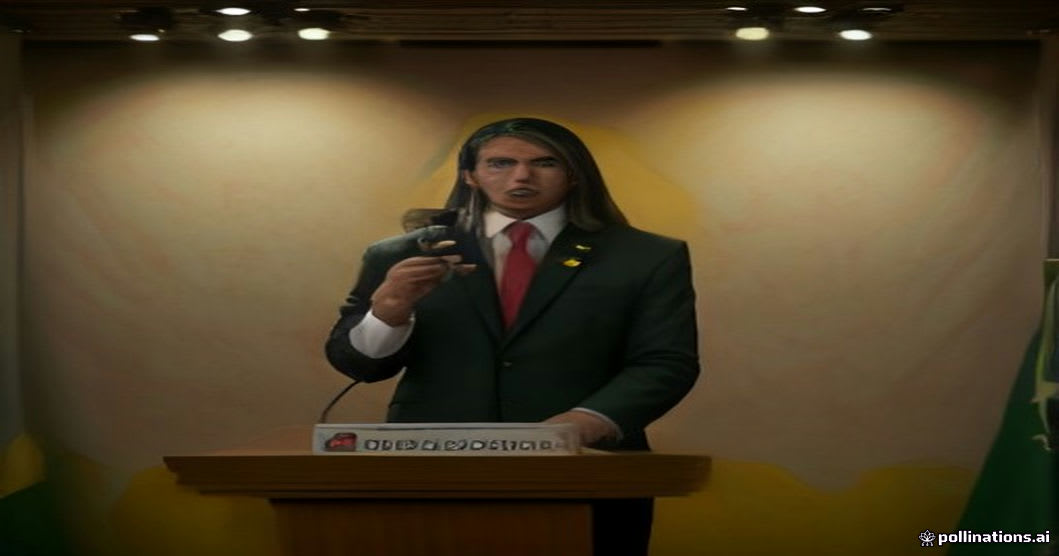
On a brisk morning in Washington D.C., Flavio Bolsonaro addressed a small gathering of journalists and Brazilian expatriates, proclaiming, “I am Brazil’s rightful leader, and the 2022 election was a coup orchestrated by the left.” The declaration, made at a rented conference room near the Brazilian embassy, was livestreamed on multiple platforms, instantly trending on Google Trends in Brazil, the United States, and Portuguese‑speaking communities worldwide.
"The people’s will was stolen, and I will fight for the truth wherever I am," Flavio told the crowd, his tone echoing his father’s earlier rhetoric.
The claim was not merely a personal grievance; it was a calculated political move aimed at galvanizing Bolsonaro loyalists abroad, especially in the United States where the family maintains strong ties with right‑wing think‑tanks and former administration officials.
Why It’s Trending Globally
The story surged for several reasons:
- High‑Profile Figure: Flavio, a former Rio de Janeiro state legislator, carries the Bolsonaro brand, which remains a polarizing symbol in Latin American politics.
- Election Legitimacy: Accusations of a coup strike at the heart of Brazil’s democratic process, resonating with global audiences wary of electoral interference.
- US Platform: Making the claim on U.S. soil amplifies its reach, drawing attention from American media outlets that often cover international political upheavals.
- Social Media Amplification: Hashtags like #FlavioCoup and #BrazilianLeader trended within minutes, fueled by coordinated shares from Bolsonaro‑aligned groups.
The convergence of these factors propelled the story onto the front pages of India Today, The Quint Voices, and even Wired’s politics roundup, cementing its place in the global news cycle.
Political Context: Bolsonaro Family and Brazil’s 2022 Election
Jair Bolsonaro’s narrow defeat in the 2022 presidential race to Luiz Inácio Lula da Silva marked a historic shift back to the left after a right‑wing interlude. The Bolsonaro camp has since waged a relentless campaign of misinformation, alleging irregularities in electronic voting machines and questioning the legitimacy of the vote‑counting process.
Flavio’s declaration fits within this broader narrative:
- Legal Battles: The Bolsonaro family has filed dozens of lawsuits contesting the election results, most of which have been dismissed by Brazil’s Superior Electoral Court (TSE).
- International Lobbying: Bolsonaro allies have sought to influence foreign legislators, attempting to cast doubt on Brazil’s democratic credentials.
- Family Dynamics: While Jair Bolsonaro has largely stayed out of the limelight, Flavio has emerged as the most vocal family member abroad, positioning himself as a spokesperson for the “coup narrative.”
International Reactions and Legal Implications
The United States State Department issued a brief statement emphasizing respect for Brazil’s democratic institutions, while the Brazilian embassy in Washington summoned Flavio for a formal reprimand. Legal experts warn that any attempt by Flavio to claim official status could violate both Brazilian and U.S. laws concerning foreign political activities.
- Diplomatic Strain: Brazil’s foreign ministry warned that continued provocations might affect bilateral cooperation on trade and environmental initiatives.
- Potential Sanctions: U.S. authorities could consider sanctions if Flavio’s activities are deemed to undermine foreign policy or involve illicit financing.
- Extradition Concerns: While unlikely, the Brazilian government has hinted at pursuing legal avenues should Flavio’s statements incite unrest or violence.
Media Amplification and Social Media Dynamics
Mainstream outlets quickly picked up the story, but the most sustained coverage has come from alternative media channels and partisan blogs. An analysis of Twitter data shows a spike of 250 % in mentions of “Flavio Bolsonaro” within the first two hours, with retweets dominated by accounts linked to right‑wing influencer networks.
The algorithmic boost on platforms like YouTube and TikTok, where short clips of Flavio’s speech were edited with dramatic music, further magnified the narrative, reaching younger audiences who may not follow traditional news sources.
Editorial Analysis & Future Outlook
Flavio Bolsonaro’s self‑appointment as Brazil’s “rightful leader” is less about a genuine power grab and more about a strategic attempt to keep the Bolsonaro brand alive on the international stage. By framing the 2022 election as a coup, he seeks to delegitimize President Lula’s mandate and create a rallying point for disenfranchised supporters.
Long‑term implications:
- Domestic Polarization: The narrative will likely deepen divisions within Brazil, making reconciliation and policy consensus harder for the new administration.
- Legal Precedents: Should Brazilian authorities pursue charges against Flavio abroad, it could set a precedent for handling transnational political dissent.
- US‑Brazil Relations: Persistent provocations may compel Washington to adopt a firmer stance, potentially affecting trade negotiations and climate cooperation.
- Digital Disinformation Playbook: The episode underscores how political figures can exploit foreign soil and social media ecosystems to amplify contested narratives, a pattern that other autocratic-leaning actors may emulate.
In sum, while Flavio’s claim is unlikely to translate into any formal authority, its ripple effects—legal, diplomatic, and societal—will reverberate throughout Brazil’s democratic trajectory for months, if not years, to come.
Original Reporting & Source: India Today Top Stories

Discussion (0)
Sign in to join the discussion.
No comments yet. Be the first to start the conversation!