Umang Sisodia • • 5 min read • 5 views
UNESCO Warns Global Secondary School Completion May Not Reach 95% Until 2105
Key Takeaways
- UNESCO projects that achieving 95% secondary school completion worldwide could be delayed until the year 2105.
- Funding shortfalls, demographic surges, and climate‑driven displacement are the primary culprits.
- While some regions are closing the gap, Sub‑Saharan Africa and South Asia remain far behind the 2030 Sustainable Development Goal.
- Policy innovation, digital learning, and targeted cash‑transfer schemes could accelerate progress, but coordinated global effort is essential.
The Alarming Forecast
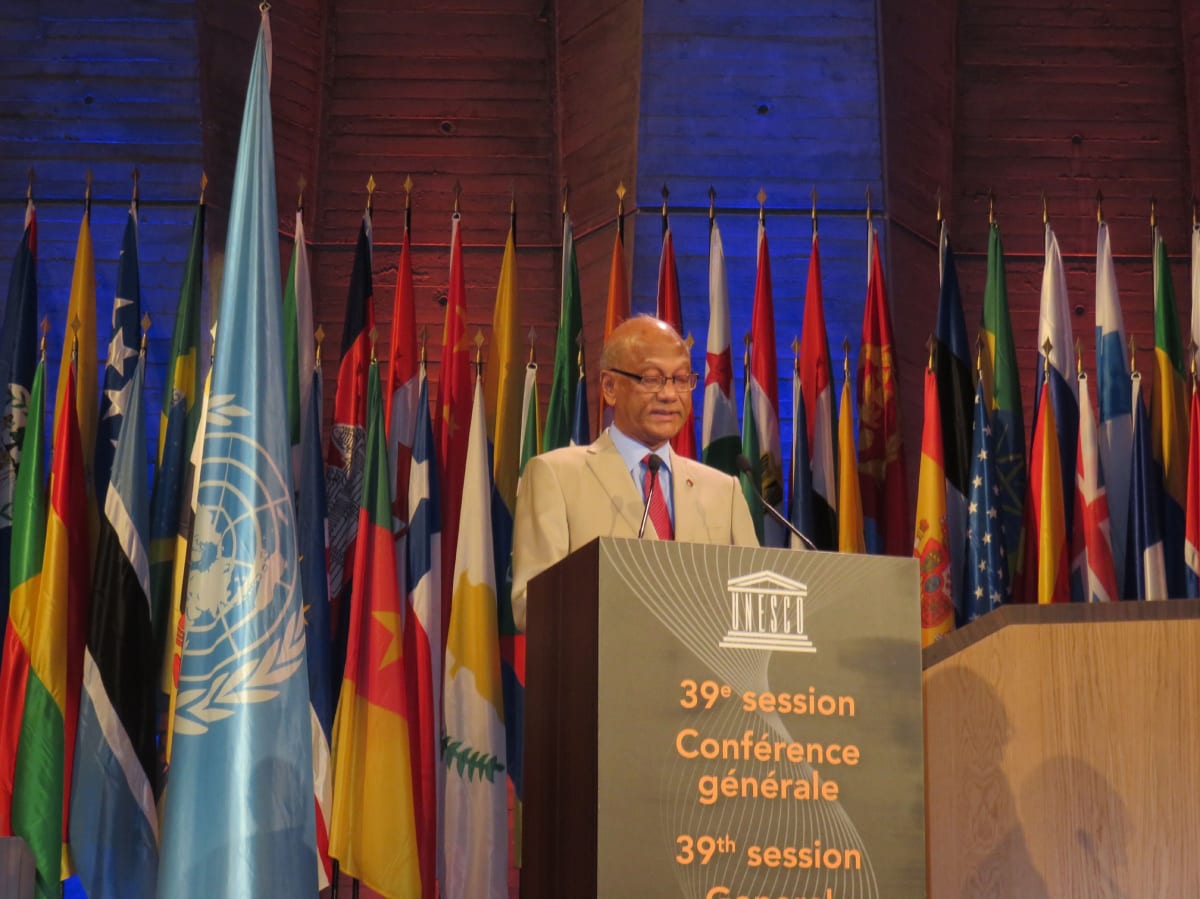
UNESCO’s latest education outlook, released in March 2026, paints a stark picture: the world’s secondary school completion rate—the proportion of adolescents who finish lower secondary education—may not hit the 95% mark until 2105. This projection is a dramatic shift from the 2030 target set under the Sustainable Development Goals (SDGs).
UNESCO’s Data and Methodology
The agency combined enrollment data from UNESCO‑Institute for Statistics (UIS), World Bank school‑age population estimates, and longitudinal surveys from 195 countries. Using a weighted regression model that accounts for GDP per capita, gender parity indices, and conflict exposure, the forecast extrapolates current trends forward.
"If the current trajectory continues, we risk leaving a generation of youth without the basic skills needed for the modern economy," UNESCO Director‑General Audrey Azoulay warned at a press briefing in Paris.
Current Global Completion Rates
- 2025: 84% global secondary completion (up from 78% in 2015).
- Regional averages: 92% in Europe & Central Asia, 88% in East Asia & Pacific, 71% in Sub‑Saharan Africa, 73% in South Asia.
- Gender gap: Female completion lags male rates by 4% in low‑income regions.
These numbers reveal a widening chasm between high‑income nations that are on track for the 2030 goal and low‑income regions that are falling further behind.
Why the Goal is Slipping
Funding Gaps
Global education spending has plateaued at roughly 4.5% of GDP in high‑income countries but remains under 2% in many low‑income economies. The UNESCO report flags a $150 billion annual shortfall needed to bridge infrastructure, teacher training, and learning material deficits.
Demographic Pressures
The world’s youth population is projected to peak at 1.9 billion by 2030, driven largely by high fertility rates in Sub‑Saharan Africa and South Asia. More students mean stretched classroom capacity and teacher shortages.
Conflict and Climate
Armed conflict disrupts schooling for an estimated 75 million children annually. Simultaneously, climate‑related displacement—especially in the Sahel, Central America, and South‑East Asia—forces schools to operate in temporary shelters, compromising attendance and learning outcomes.
The Race to 2030: Missed Milestones
Between 2015 and 2025, the world added 12 percentage points to the global completion rate, yet the pace needed to meet the 2030 SDG target would require an additional 11 points in just five years. The shortfall is most acute in regions where poverty, gender bias, and infrastructural neglect intersect.
 remote classroom children studying under lantern
Regional Spotlights
Sub‑Saharan Africa
Despite impressive gains in primary enrollment, secondary transition remains weak. Only 57% of children who finish primary school enroll in secondary education, largely due to tuition fees, long travel distances, and limited secondary school capacity.
South Asia
India and Pakistan have launched ambitious schemes—such as the ‘Saakshar Bharat’ program—to subsidize secondary education for girls, yet dropout rates hover around 30% because of child labor and early marriage.
Latin America
Chile and Uruguay have achieved near‑universal secondary completion, showcasing the impact of robust public financing and universal curricula. However, inequality persists in rural indigenous communities.
Policy Levers and Success Stories
- Cash‑Transfer Programs: Brazil’s Bolsa Família and Kenya’s Inua Jamii have demonstrated that conditional cash transfers tied to school attendance boost completion rates by up to 15%.
- Digital Learning Platforms: Rwanda’s Kigali Learning Hub leverages low‑cost tablets and offline content, expanding reach to remote schools.
- Teacher Incentives: Thailand’s merit‑pay system for secondary teachers correlates with higher student pass rates.
These interventions underline that financial incentives, technology, and teacher empowerment can generate measurable gains when tailored to local contexts.
Editorial Analysis & Future Outlook
The UNESCO projection is not a deterministic prophecy; it is a warning bell. If the world continues on its current path, a generation of youth will be denied the socioeconomic mobility that secondary education confers—fueling cycles of poverty, underemployment, and social unrest.
Strategic imperatives:
- Scale up financing through innovative mechanisms such as education bonds and blended public‑private partnerships, targeting the $150 billion gap.
- Prioritize gender‑responsive policies that address early marriage, menstrual hygiene, and safety, especially in South Asia and Sub‑Saharan Africa.
- Integrate climate resilience into school infrastructure, ensuring that schools can remain operational during extreme weather events.
- Leverage data: Real‑time monitoring of enrollment, attendance, and learning outcomes can enable rapid policy adjustments.
In the long term, achieving 95% secondary completion by 2105 may still be considered a success if the world can re‑engineer education systems to be inclusive, adaptable, and future‑ready. The next decade will be decisive: concerted global action now can compress the timeline dramatically, turning the 2105 horizon into a nearer‑term reality.
By [Your Name], Senior Chief Editor & Photojournalist Director
Original Reporting & Source: India Today Top Stories

Discussion (0)
Sign in to join the discussion.
No comments yet. Be the first to start the conversation!