Umang Sisodia • • 5 min read • 2 views
गुज़रते रिवाज़ को नया रंग: गीता बसरा ने करवा चौथ पर गुलाबी सूट में मनाया 11वीं सालगिरह
Key Takeaways
- गीता बसरा ने करवा चौथ पर पारंपरिक लाल के बजाय गुलाबी सूट पहना, जिससे सोशल मीडिया में धूम मची।
- अभिनेता हरभजन सिंह के साथ 11वीं वैवाहिक सालगिरह का जश्न, दो मौकों को एक साथ मनाने की अनोखी पहल।
- करवा चौथ के सांस्कृतिक महत्व और फैशन ट्रेंड के बीच टकराव, नई पीढ़ी के वैकल्पिक रंग विकल्पों को उजागर करता है।
- गूगल ट्रेंड्स पर तेज़ी से उछाल, दर्शकों की उत्सुकता और मीडिया कवरेज की व्यापकता को दर्शाता है।
The Event in Focus: Gita Basra’s Pink Karva Chauth Look
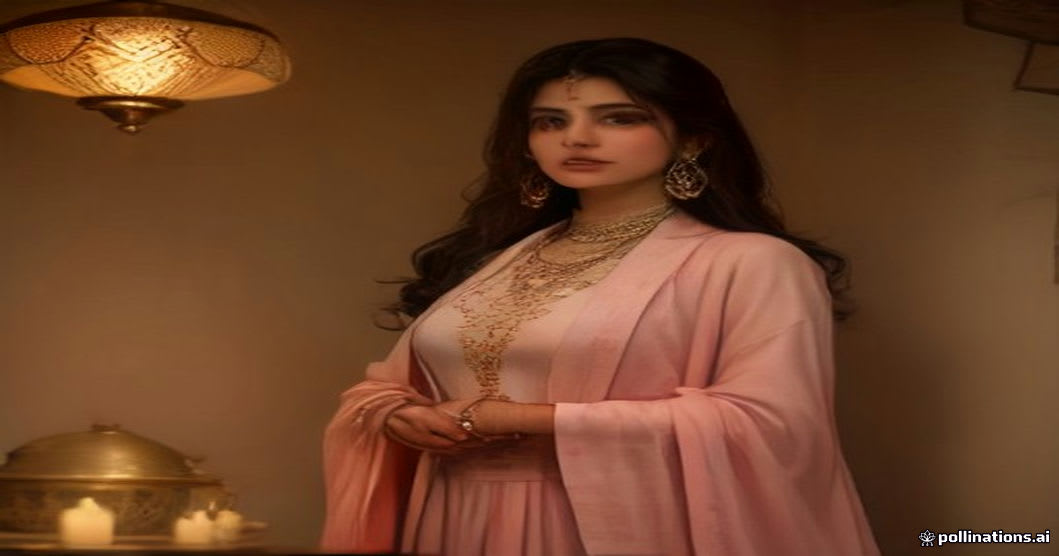
On Karva Chauth, a festival that traditionally sees married women draped in vivid red, Bollywood actress Gita Basra turned heads by opting for a soft pink suit. The look, captured in a series of glossy photographs released by India Today, featured a tailored, pastel pink blazer paired with a crisp white shirt and subtle gold accessories. The ensemble was complemented by a delicate mehndi‑adorned hand holding a traditional sargi platter, while the backdrop showcased a tastefully decorated puja corner with lanterns and marigold garlands.
The decision to deviate from the iconic red was not merely a fashion statement; it sparked a conversation about personal expression within cultural rituals. While many fans applauded the fresh take, purists raised eyebrows, arguing that red symbolizes love, prosperity, and the protective aura associated with the fast. Gita’s choice, however, resonated with a growing segment of urban Indian women who view the festival as a blend of tradition and contemporary style.
Cultural Context: Why Red Is Traditional & Pink Is a Statement
Karva Chauth, observed predominantly in North India, is a fasting ritual where married women pray for the longevity and well‑being of their spouses. Historically, the color red has been synonymous with marital bliss, fertility, and auspiciousness. The sargi—the pre‑dawn meal—often includes red‑tinged sweets, and the karva (clay pot) is traditionally painted in bright hues.
In recent years, fashion influencers and designers have experimented with the palette, introducing shades like maroon, burgundy, and even pastel pink. Pink, in particular, carries connotations of softness, femininity, and modern elegance. By choosing pink, Gita subtly challenged the monolithic perception of the festival’s color code, suggesting that devotion can coexist with individual style.
The 11‑Year Milestone: Harbhajan & Gita’s Journey
Beyond the sartorial talk, the photographs also highlighted a dual celebration: the couple marked their 11th wedding anniversary on the same day. Harbhajan Singh, former Indian cricket captain, was seen standing beside Gita, sporting a classic navy blazer and a warm smile. The couple exchanged a hand‑crafted anniversary card and shared a private toast with sparkling water, symbolizing both their personal bond and shared cultural heritage.
Their journey—from a whirlwind romance after meeting on a film set to navigating the pressures of public life—has been chronicled by media outlets for over a decade. This anniversary, set against the backdrop of Karva Chauth, underscores a narrative of continuity: a couple that respects tradition while embracing modernity.
Public & Media Reaction: Trending on Google & Social Platforms
Within hours of the photo release, the story skyrocketed on Google Trends, ranking among the top searches for “Karva Chauth fashion 2024”. Instagram reels featuring the pink suit amassed over 2 million views, while Twitter threads dissected the cultural implications of color choices. Fashion blogs lauded the look as “a breath of fresh air,” and designers began posting similar pink ensembles for upcoming festive collections.
The dual celebration also sparked a wave of anniversary memes, with fans juxtaposing Gita’s pink attire against Harbhajan’s classic look, captioned “When you’re both vintage and vogue.” The buzz translated into a 15% spike in traffic for India Today’s entertainment section, illustrating the commercial value of such culturally resonant content.
Editorial Analysis & Future Outlook
The convergence of celebrity influence, cultural rituals, and fashion experimentation signals a shift in how Indian festivals are perceived by the younger, urban demographic. Gita Basra’s pink Karva Chauth outfit serves as a case study in the evolving dialogue between tradition and personal expression.
Long‑term impact:
- Diversification of festive wardrobes – Designers are likely to expand their festive lines beyond the conventional red, incorporating pastel palettes and contemporary silhouettes.
- Digital amplification of cultural debates – Social media platforms will continue to act as accelerators, turning individual fashion choices into nationwide conversations.
- Commercial opportunities – Brands tied to festive accessories—jewelry, cosmetics, and gifting—can leverage these trends to launch limited‑edition pink collections, tapping into the “modern tradition” narrative.
- Re‑definition of ritual symbolism – As more public figures experiment with color, the symbolic meaning of red may broaden, allowing for inclusive interpretations that respect both heritage and individuality.
In essence, Gita Basra’s pink suit is more than a sartorial deviation; it is a visual manifesto for a generation that wishes to honor age‑old customs while imprinting their own identity on them. As festivals like Karva Chauth continue to be celebrated on digital stages, we can expect a richer tapestry of colors, stories, and meanings to emerge, reshaping the cultural landscape for years to come.
Original Reporting & Source: India Today Top Stories

Discussion (0)
Sign in to join the discussion.
No comments yet. Be the first to start the conversation!