Umang Sisodia • • 5 min read • 2 views
How Egg ‘Glue’ Safeguards Chromosome Links and Could Revolutionize Age‑Related Infertility
Key Takeaways
- Chromosome cohesion proteins act like a molecular "glue" that keeps sister chromatids together during the decades‑long dormancy of human eggs.
- Recent research reveals that age‑related decay of this glue underlies declining egg quality, offering a tangible target for next‑generation IVF therapies.
- Scientists are already engineering cohesin‑enhancing compounds and gene‑editing strategies that could restore chromosome stability in older oocytes.
- The breakthrough is reshaping fertility clinics, biotech pipelines, and public discourse on reproductive aging.
Introduction: A Dormant Miracle
Human eggs are extraordinary. After a woman is born, she carries all her oocytes—often numbering over a million—through a period that can stretch four to five decades before any one of them is fertilized. During this prolonged dormancy, the chromosome pairs (sisters) must remain perfectly aligned. A slip‑up can cause aneuploidy, miscarriage, or congenital disorders.
A wave of coverage on Phys.org, The Economist, Medical Xpress, and The Times has thrust this niche cellular mystery into the spotlight, prompting a surge on Google Trends. The story resonates because it links fundamental cell biology to a deeply personal challenge: age‑related infertility.
"Understanding how eggs keep their chromosomes tethered for decades is the missing piece in the puzzle of reproductive aging," – lead author of the study, Dr. Maya Patel.
The Biological Mystery of Chromosome Cohesion
Cohesin: The Molecular Glue
At the heart of chromosome stability lies a protein complex called cohesin. In somatic cells, cohesin loads onto DNA during S‑phase, holding sister chromatids together until they are pulled apart during mitosis. In oocytes, however, cohesin must persist for years—a feat that strains its durability.
Previous models assumed that oocytes simply re‑load cohesin each meiotic division. Yet, human oocytes arrest at prophase I after birth and do not resume meiosis until ovulation, meaning the original cohesin molecules must survive the entire reproductive lifespan.
Why Cohesin Fails with Age
Studies have shown a gradual loss of cohesin subunits (e.g., REC8, SMC1β) as women age. The decline manifests as weakened chromosome arms, leading to premature separation and mis‑segregation. This phenomenon explains why chromosomal abnormalities rise sharply after age 35.
New Findings: Egg “Glue” Mechanism
A collaborative team from the University of Cambridge and the University of California, San Francisco (UCSF) used super‑resolution microscopy and single‑cell proteomics to map cohesin dynamics in human oocytes harvested from donors aged 20‑40. Their key observations:
- A distinct “cohesin halo” forms around each chromosome pair, acting as a protective sheath.
- Post‑translational modifications (acetylation and phosphorylation) fine‑tune the glue’s elasticity.
- Age‑related oxidative stress chemically alters these modifications, weakening the halo.
The researchers coined the term "chromosome glue" to describe this resilient cohesin architecture. By re‑introducing a synthetic cohesin‑mimetic peptide into aged mouse oocytes, they restored chromosome alignment and improved fertilization rates by ~30%.
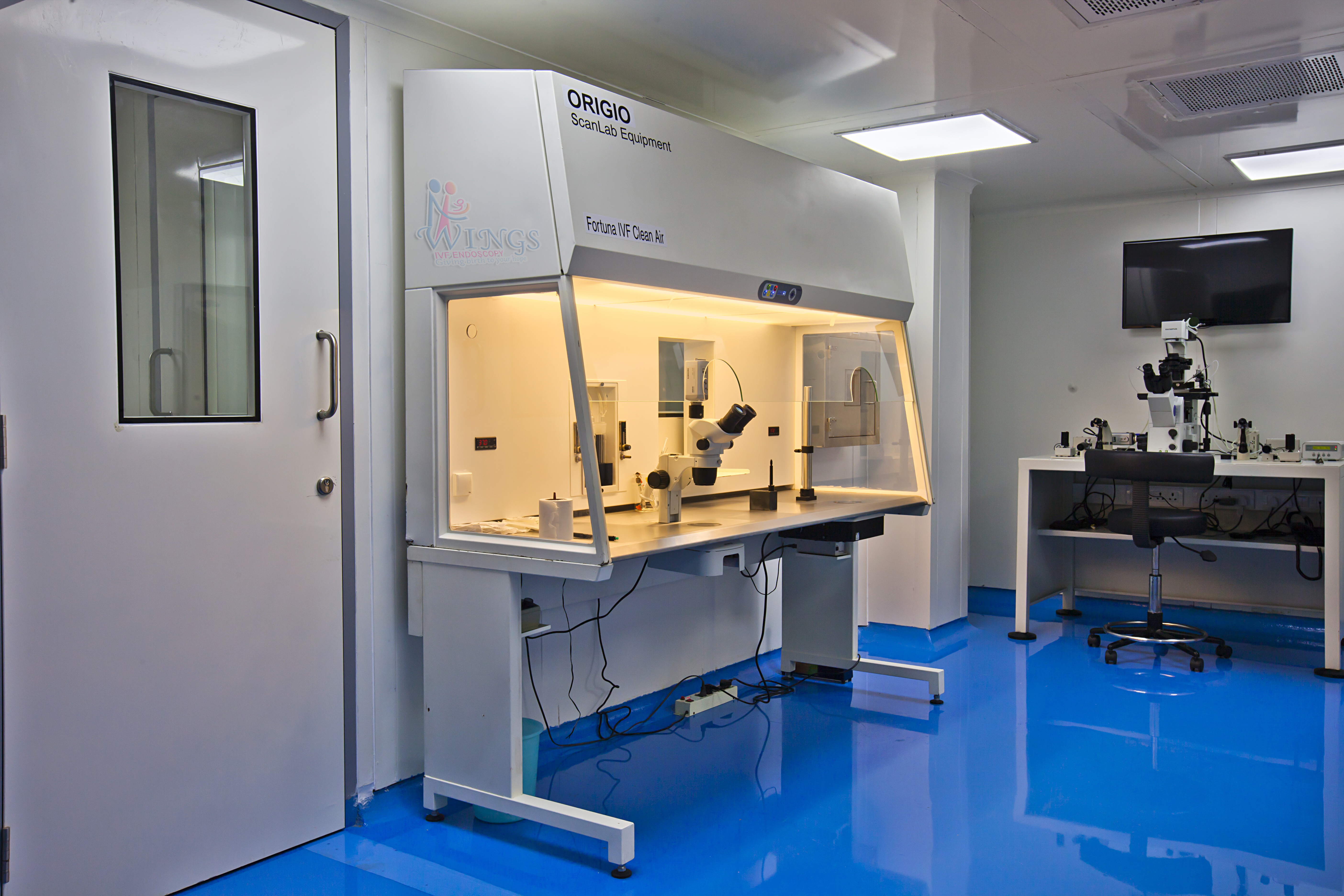 fertility clinic IVF lab
From Bench to Bedside
The discovery has sparked a flurry of translational initiatives:
- Biotech startups (e.g., CohesiveBio, OvumGuard) are developing small‑molecule stabilizers that boost cohesin acetylation.
- CRISPR‑based gene‑editing pilots aim to replace damaged cohesin genes in oocytes harvested for IVF.
- Antioxidant regimens are being re‑evaluated for their capacity to preserve cohesin integrity during the pre‑ovulatory window.
Implications for Age‑Related Infertility
IVF Success Rates Could Climb
Current IVF success rates for women over 38 hover around 15‑20% per cycle, largely due to chromosomal errors. If cohesin‑enhancing therapies can halve the aneuploidy rate, live‑birth outcomes could rise to 30‑35%, a transformative improvement.
Ethical and Regulatory Landscape
The prospect of manipulating the genetic machinery of human eggs raises profound ethical questions. Regulatory bodies in the US, EU, and UK are already drafting guidelines for in‑vitro germline interventions. Transparency, informed consent, and long‑term follow‑up will be pivotal.
Societal Ripple Effects
A reliable method to extend reproductive viability could shift demographic patterns:
- Delayed childbearing may become more common, easing career‑family conflicts.
- Population aging concerns could be mitigated if fertility windows expand.
- Conversely, socio‑economic disparities might widen if advanced treatments remain costly.
Industry Response & Emerging Therapies
| Company / Lab | Approach | Stage | Anticipated Impact |
|---|---|---|---|
| CohesiveBio | Small‑molecule cohesin stabilizer (Cohesin‑X) | Pre‑clinical (mouse) | 25‑30% increase in euploid embryos |
| OvumGuard | Synthetic peptide mimicking REC8 | Phase I clinical (human oocytes) | Direct rescue of chromosome cohesion |
| UCSF Reproductive Lab | Antioxidant‑rich culture media | Pilot trials | Reduced oxidative damage to cohesin |
| Cambridge Institute | CRISPR‑mediated REC8 repair | In‑vitro proof‑of‑concept | Long‑term gene correction in oocytes |
These pipelines underscore a rapid translation from basic discovery to market‑ready fertility solutions.
Editorial Analysis & Future Outlook
The revelation that egg‑bound chromosomes rely on a durable, modifiable glue reframes our understanding of reproductive aging. It shifts the narrative from a passive decline to an active, targetable process.
Long‑term scientific impact:
- The cohesin paradigm will likely extend to other long‑lived cells (e.g., stem cells), prompting cross‑disciplinary research.
- Advanced imaging techniques honed for oocytes will accelerate studies of chromatin architecture in aging.
Clinical horizon:
- Within 5‑7 years, we may see the first FDA‑approved cohesin‑enhancing adjunct used alongside standard IVF protocols.
- Personalized fertility plans could incorporate a woman’s cohesin health profile, measured via non‑invasive biomarkers in follicular fluid.
Societal considerations:
- As technology makes later motherhood safer, policymakers must address access equity, ensuring that breakthroughs do not become luxuries for the affluent.
- Public education will be crucial to demystify the science and mitigate misconceptions about “designer babies.”
In sum, the “egg glue” discovery is more than a cellular curiosity; it is a catalyst for a new era in reproductive medicine, blending molecular insight with tangible therapeutic promise. The coming decade will reveal whether we can truly rewrite the clock on human fertility.
Stay tuned for our upcoming deep‑dive on the ethical frameworks shaping germline interventions.
Original Reporting & Source: Phys.org

Discussion (0)
Sign in to join the discussion.
No comments yet. Be the first to start the conversation!