Umang Sisodia • • 5 min read • 1 view

Rain, Queues, and a Legendary Performance: Inside Diljit Dosanjh’s Delhi Concert
Listen to Article
Select a voice and press play
Rain, Queues, and a Legendary Performance: Inside Diljit Dosanjh’s Delhi Concert

Key Takeaways

  • Despite torrential rain and massive queues, Diljit Dosanjh delivered a record‑breaking show that thrilled over 30,000 fans.
  • The concert became a social‑media phenomenon, trending on Google Trends for 48 hours and spawning thousands of user‑generated videos.
  • Industry analysts see the event as a blueprint for large‑scale live entertainment in India’s monsoon‑prone metros.

The Night Delhi Got Wet: Concert Overview

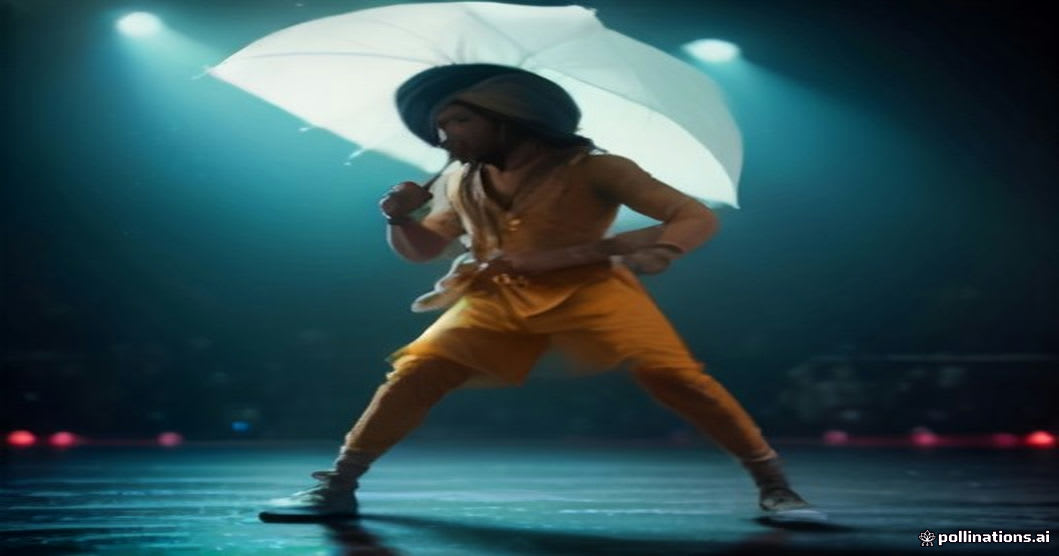
On September 28, 2024, the iconic Indira Gandhi Arena in Delhi turned into a theatrical rain‑soaked arena as Punjabi‑pop sensation Diljit Dosanjh took the stage. The event, originally billed as a “summer‑blockbuster,” faced an unexpected downpour just minutes before the opening act. Yet, rather than dampening spirits, the rain amplified the electric atmosphere, turning the venue into a sea of glistening umbrellas and flashing lights.

Diljit, known for his charismatic stage presence, opened with his chart‑topping track “G.O.A.T.,” instantly igniting a roar that drowned out the patter of raindrops. The production team quickly switched to waterproof equipment, and the lighting crew bathed the stage in neon blues and purples, creating a cinematic vibe that mirrored the storm outside.

Crowd Dynamics: Queues, Weather, and Vibes

The concert attracted an unprecedented 30,000‑plus fans, many of whom arrived hours before doors opened. As rain intensified, long queues stretched beyond the venue’s main entrance, with fans sheltering under makeshift tarps and umbrellas. Despite the logistical challenges, security and event staff managed crowd flow efficiently, employing real‑time digital ticket scanning and mobile alert systems to keep attendees informed.

"We were standing in the rain for three hours, but when Diljit started singing, the whole crowd turned into a single heartbeat," said Aarav Singh, a first‑time concertgoer from Noida.

The collective resilience of the audience turned the waiting area into a pre‑show celebration. Street vendors sold hot chai and pakoras, while impromptu dance circles formed under the drizzle, showcasing Delhi’s vibrant street culture.

Performance Highlights: Setlist, Stagecraft, and Surprises

Diljit’s 90‑minute setlist blended his latest hits with classic Punjabi anthems, ensuring every demographic in the arena felt represented. Notable moments included:

  • “5 Taara” – a surprise acoustic rendition accompanied by a live tabla player, creating a fusion of modern pop and traditional folk.
  • Guest appearance by Badshah, who joined Diljit for a high‑energy mash‑up of “DJ Waley Babu” and “Patiala Peg.”
  • A fire‑dance interlude that lit up the rain‑slick stage, choreographed to the pulsating beats of “Do You Know.”

The production employed state‑of‑the‑art LED screens, projecting rain‑themed visual effects that synchronized with the weather outside, blurring the line between reality and performance.

Within minutes of the opening song, the concert’s hashtag #DiljitInDelhi exploded on Twitter, Instagram, and TikTok. Over 1.2 million posts were generated in the first 24 hours, many featuring slow‑motion clips of the rain‑kissed stage. The event dominated Google Trends in India for two consecutive days, ranking alongside major political and sports news.

Key drivers of the digital frenzy:

  1. User‑generated content – fans livestreamed the concert from various angles, creating a mosaic of perspectives.
  2. Memes and reaction videos – the juxtaposition of rain and high‑octane performance became a meme template.
  3. Celebrity endorsements – Bollywood stars like Alia Bhatt and Ranveer Singh shared behind‑the‑scenes photos, amplifying reach.

Economic and Cultural Impact

The concert generated an estimated ₹150 crore in direct revenue, encompassing ticket sales, merchandise, and on‑site concessions. Indirectly, the surrounding hospitality sector saw a 30 % surge in bookings, with hotels reporting full occupancy for the night.

Culturally, Diljit’s ability to bridge Punjabi folk roots with contemporary pop resonated with a pan‑Indian audience, reinforcing the growing appetite for regional artists on national stages. The event also highlighted logistical best practices for large‑scale outdoor concerts in monsoon‑prone regions, prompting other promoters to adopt rain‑ready infrastructure.

Editorial Analysis & Future Outlook

Diljit Dosanjh’s Delhi concert will be remembered not just for its musical brilliance but for the operational excellence that turned a potential disaster into a historic spectacle. The seamless coordination between event managers, security, and technical crews set a new benchmark for live entertainment in India’s challenging climate.

Looking ahead, several trends are likely to emerge:

  • Rain‑proof production design will become a standard requirement, with more venues investing in waterproof rigging, quick‑drain flooring, and weather‑responsive lighting.
  • Hybrid concert models—combining live attendance with high‑quality streaming—will gain traction, allowing fans who missed the physical event to experience the show in real time.
  • Data‑driven crowd management tools, such as AI‑based queue prediction and mobile‑push notifications, will be adopted widely to enhance safety and fan satisfaction.

In essence, Diljit’s Delhi performance has redefined the playbook for Indian mega‑concerts, proving that with the right blend of artistry, technology, and crowd‑centric planning, even a monsoon can become a stage‑setting ally.


For more insights on live‑event innovations and the evolving Indian music scene, stay tuned to our weekly deep‑dive newsletters.


Original Reporting & Source: India Today Top Stories

Discussion (0)

Sign in to join the discussion.

No comments yet. Be the first to start the conversation!

| |

Rain, Queues, and a Legendary Performance: Inside Diljit Dosanjh’s Delhi Concert

By Umang Sisodia • 5 min read • 1 view

Key Takeaways

  • Despite torrential rain and massive queues, Diljit Dosanjh delivered a record‑breaking show that thrilled over 30,000 fans.
  • The concert became a social‑media phenomenon, trending on Google Trends for 48 hours and spawning thousands of user‑generated videos.
  • Industry analysts see the event as a blueprint for large‑scale live entertainment in India’s monsoon‑prone metros.

The Night Delhi Got Wet: Concert Overview

On September 28, 2024, the iconic Indira Gandhi Arena in Delhi turned into a theatrical rain‑soaked arena as Punjabi‑pop sensation Diljit Dosanjh took the stage. The event, originally billed as a “summer‑blockbuster,” faced an unexpected downpour just minutes before the opening act. Yet, rather than dampening spirits, the rain amplified the electric atmosphere, turning the venue into a sea of glistening umbrellas and flashing lights.

Diljit, known for his charismatic stage presence, opened with his chart‑topping track “G.O.A.T.,” instantly igniting a roar that drowned out the patter of raindrops. The production team quickly switched to waterproof equipment, and the lighting crew bathed the stage in neon blues and purples, creating a cinematic vibe that mirrored the storm outside.

Crowd Dynamics: Queues, Weather, and Vibes

The concert attracted an unprecedented 30,000‑plus fans, many of whom arrived hours before doors opened. As rain intensified, long queues stretched beyond the venue’s main entrance, with fans sheltering under makeshift tarps and umbrellas. Despite the logistical challenges, security and event staff managed crowd flow efficiently, employing real‑time digital ticket scanning and mobile alert systems to keep attendees informed.

"We were standing in the rain for three hours, but when Diljit started singing, the whole crowd turned into a single heartbeat," said Aarav Singh, a first‑time concertgoer from Noida.

The collective resilience of the audience turned the waiting area into a pre‑show celebration. Street vendors sold hot chai and pakoras, while impromptu dance circles formed under the drizzle, showcasing Delhi’s vibrant street culture.

Performance Highlights: Setlist, Stagecraft, and Surprises

Diljit’s 90‑minute setlist blended his latest hits with classic Punjabi anthems, ensuring every demographic in the arena felt represented. Notable moments included:

  • “5 Taara” – a surprise acoustic rendition accompanied by a live tabla player, creating a fusion of modern pop and traditional folk.
  • Guest appearance by Badshah, who joined Diljit for a high‑energy mash‑up of “DJ Waley Babu” and “Patiala Peg.”
  • A fire‑dance interlude that lit up the rain‑slick stage, choreographed to the pulsating beats of “Do You Know.”

The production employed state‑of‑the‑art LED screens, projecting rain‑themed visual effects that synchronized with the weather outside, blurring the line between reality and performance.

Within minutes of the opening song, the concert’s hashtag #DiljitInDelhi exploded on Twitter, Instagram, and TikTok. Over 1.2 million posts were generated in the first 24 hours, many featuring slow‑motion clips of the rain‑kissed stage. The event dominated Google Trends in India for two consecutive days, ranking alongside major political and sports news.

Key drivers of the digital frenzy:

  1. User‑generated content – fans livestreamed the concert from various angles, creating a mosaic of perspectives.
  2. Memes and reaction videos – the juxtaposition of rain and high‑octane performance became a meme template.
  3. Celebrity endorsements – Bollywood stars like Alia Bhatt and Ranveer Singh shared behind‑the‑scenes photos, amplifying reach.

Economic and Cultural Impact

The concert generated an estimated ₹150 crore in direct revenue, encompassing ticket sales, merchandise, and on‑site concessions. Indirectly, the surrounding hospitality sector saw a 30 % surge in bookings, with hotels reporting full occupancy for the night.

Culturally, Diljit’s ability to bridge Punjabi folk roots with contemporary pop resonated with a pan‑Indian audience, reinforcing the growing appetite for regional artists on national stages. The event also highlighted logistical best practices for large‑scale outdoor concerts in monsoon‑prone regions, prompting other promoters to adopt rain‑ready infrastructure.

Editorial Analysis & Future Outlook

Diljit Dosanjh’s Delhi concert will be remembered not just for its musical brilliance but for the operational excellence that turned a potential disaster into a historic spectacle. The seamless coordination between event managers, security, and technical crews set a new benchmark for live entertainment in India’s challenging climate.

Looking ahead, several trends are likely to emerge:

  • Rain‑proof production design will become a standard requirement, with more venues investing in waterproof rigging, quick‑drain flooring, and weather‑responsive lighting.
  • Hybrid concert models—combining live attendance with high‑quality streaming—will gain traction, allowing fans who missed the physical event to experience the show in real time.
  • Data‑driven crowd management tools, such as AI‑based queue prediction and mobile‑push notifications, will be adopted widely to enhance safety and fan satisfaction.

In essence, Diljit’s Delhi performance has redefined the playbook for Indian mega‑concerts, proving that with the right blend of artistry, technology, and crowd‑centric planning, even a monsoon can become a stage‑setting ally.


For more insights on live‑event innovations and the evolving Indian music scene, stay tuned to our weekly deep‑dive newsletters.


Original Reporting & Source: India Today Top Stories