Umang Sisodia • • 6 min read • 1 view

UP Chief Electoral Officer Cautions DEOs Over Voter List Lapses – What It Means for India’s Biggest State
Listen to Article
Select a voice and press play
UP Chief Electoral Officer Cautions DEOs Over Voter List Lapses – What It Means for India’s Biggest State

Key Takeaways

  • The Uttar Pradesh Chief Electoral Officer (CEO) has issued a stern warning to District Electoral Officers (DEOs) for repeated lapses in updating and maintaining voter lists.
  • The directive comes amid a surge in complaints about missing or duplicate entries, especially ahead of the 2024 Lok Sabha polls.
  • Failure to comply may result in administrative action, including suspension, which underscores the Election Commission’s push for cleaner electoral rolls.
  • Experts warn that unchecked errors could undermine voter confidence and affect the outcome in a state that contributes over 80 seats to the Lok Sabha.

The Growing Concern Over Voter List Accuracy

Uttar Pradesh, home to more than 240 million people, holds the lion's share of India's electoral power. With 80 Lok Sabha seats and 400+ Vidhan Sabha seats, the integrity of its voter rolls is a national priority. Over the past year, a series of high‑profile grievances have surfaced:

  • Missing voters: Residents in both urban corridors like Lucknow and rural blocks of Gorakhpur reported being unable to locate their names during the 2022 state elections.
  • Duplicate entries: Election data analysts uncovered multiple instances where a single voter appeared twice, potentially inflating the electorate count.
  • Outdated addresses: Rapid urbanisation and migration have left many entries stuck to old addresses, complicating the verification process.

These issues were amplified on social media, where hashtags like #UPVoterList trended on Twitter and WhatsApp groups, prompting the Election Commission of India (ECI) to intervene.

CEO’s Directive: A Zero‑Tolerance Stance

On 30 September 2024, the Uttar Pradesh Chief Electoral Officer, Anupam Singh, convened an emergency press conference at the state’s Election Commission office. In a recorded statement, he warned:

"Any District Electoral Officer found negligent in updating the electoral roll will be held fully accountable. Administrative action, including suspension, will be taken without hesitation."

The CEO outlined a three‑point action plan:

  1. Immediate audit of all district voter lists within 15 days, using the E‑Rolls digital platform.
  2. Weekly progress reports submitted directly to the state CEO’s office.
  3. Mandatory training for DEO staff on the latest verification tools, including biometric cross‑checking.

The directive also mandated that all pending voter registration applications be processed within 48 hours, a move designed to clear the backlog before the upcoming general elections.

The story surged on Google Trends for several reasons:

  • Electoral stakes: With the 2024 Lok Sabha polls just months away, any hint of electoral roll tampering can swing public opinion.
  • Human interest angle: Voters sharing personal anecdotes of being denied the right to vote resonated widely, driving organic searches.
  • Political ramifications: Opposition parties have already pledged to file petitions in the Supreme Court if the rolls are not corrected, adding a legal dimension.

Major outlets—including India Today, The Quint, and ABP Live—picked up the story, each highlighting the potential for administrative shake‑ups in the state’s election machinery.
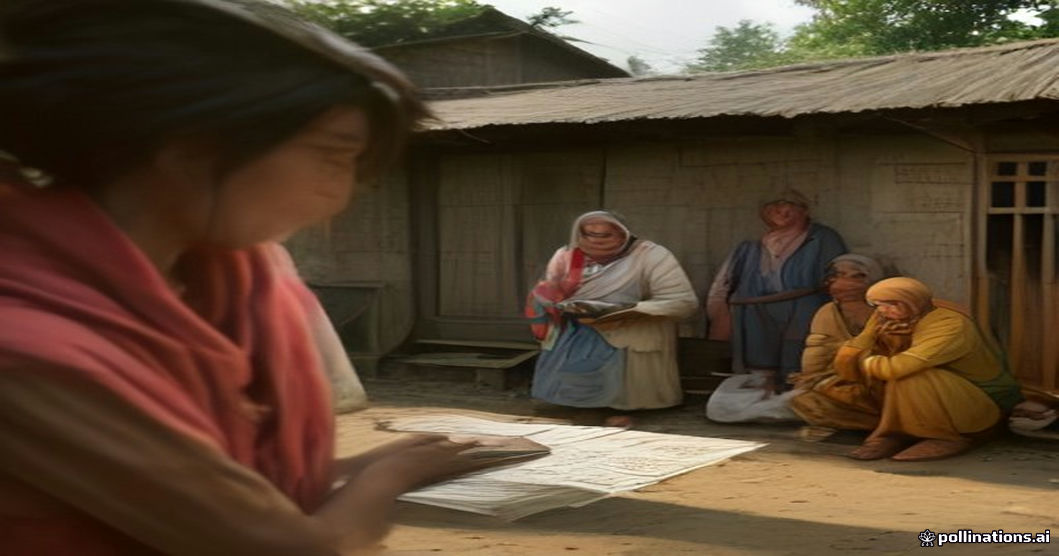
District Electoral Officer reviewing voter rolls District Electoral Officer reviewing voter rolls

The Immediate Fallout: Reactions From the Ground

DEOs Respond

Several District Electoral Officers released statements asserting their commitment to the new timelines. Rohit Sharma, DEO of Kanpur, said:

"We have already begun a ground‑level verification drive, deploying over 500 volunteers to cross‑check the rolls with local ward offices."

However, insiders reveal that many DEOs are grappling with resource constraints, especially in remote districts where internet connectivity hampers real‑time data updates.

Political Parties Weigh In

  • BJP: The ruling party’s state unit praised the CEO’s “firm stance,” arguing it will safeguard the sanctity of the electoral process.
  • SP and BSP: Opposition leaders accused the administration of politicising the voter list issue, demanding an independent audit by the Supreme Court.

Civil Society and NGOs

Election watchdogs like Association for Democratic Reforms (ADR) have welcomed the move, urging the state to adopt open‑source verification tools to increase transparency.

Historical Context: Voter List Challenges in UP

Uttar Pradesh has a long‑standing history of voter list controversies:

  • 2009 General Elections: Reports of inflated rolls in Lucknow led to a Supreme Court directive for a comprehensive audit.
  • 2017 Vidhan Sabha Elections: The ECI introduced the ‘E‑Rolls’ system, but implementation lagged in several districts.
  • 2022 State Elections: A post‑poll analysis by Vox highlighted a 0.7% discrepancy in the final roll, prompting calls for reform.

Each episode underscored the logistical nightmare of maintaining accurate rolls in a state where migration, illiteracy, and rapid urbanisation intersect.

The Technological Edge: Digital Tools at Play

The CEO’s plan leans heavily on technology:

  • E‑Rolls Platform: An online portal that integrates Aadhaar biometric data with voter information, allowing real‑time updates.
  • Mobile Verification Units: Equipped with tablets and biometric scanners, these units travel to villages to capture fresh data.
  • AI‑Driven Duplicate Detection: Machine‑learning algorithms flag potential duplicate entries based on name, address, and photo similarity.

While promising, experts caution that data privacy concerns and digital divide issues could hamper full adoption.

Editorial Analysis & Future Outlook

The Uttar Pradesh CEO’s crackdown marks a critical inflection point for India’s electoral ecosystem. By holding DEOs personally accountable, the state sends a clear signal that administrative inertia will no longer be tolerated. If executed effectively, the move could:

  • Boost voter confidence ahead of the 2024 Lok Sabha polls, potentially increasing turnout in a state where voter apathy has been a concern.
  • Set a precedent for other high‑population states like Maharashtra and Bihar, prompting a nationwide push for cleaner rolls.
  • Catalyse tech‑driven reforms, accelerating the adoption of AI and biometric tools across the Election Commission’s workflow.

However, the success of this initiative hinges on resource allocation, training, and political goodwill. Persistent gaps—especially in remote districts—could still leave millions disenfranchised. Moreover, the spectre of political interference looms; any perception of bias could fuel legal challenges that delay implementation.

In the long run, a robust, transparent voter list is indispensable for the health of Indian democracy. Uttar Pradesh’s decisive stance could be the catalyst that finally aligns administrative practice with the constitutional promise of universal adult suffrage.


For continuous updates on electoral reforms and ground‑level reporting, stay tuned to our newsroom.


Original Reporting & Source: India Today Top Stories

Discussion (0)

Sign in to join the discussion.

No comments yet. Be the first to start the conversation!

| |

UP Chief Electoral Officer Cautions DEOs Over Voter List Lapses – What It Means for India’s Biggest State

By Umang Sisodia • 6 min read • 1 view

Key Takeaways

  • The Uttar Pradesh Chief Electoral Officer (CEO) has issued a stern warning to District Electoral Officers (DEOs) for repeated lapses in updating and maintaining voter lists.
  • The directive comes amid a surge in complaints about missing or duplicate entries, especially ahead of the 2024 Lok Sabha polls.
  • Failure to comply may result in administrative action, including suspension, which underscores the Election Commission’s push for cleaner electoral rolls.
  • Experts warn that unchecked errors could undermine voter confidence and affect the outcome in a state that contributes over 80 seats to the Lok Sabha.

The Growing Concern Over Voter List Accuracy

Uttar Pradesh, home to more than 240 million people, holds the lion's share of India's electoral power. With 80 Lok Sabha seats and 400+ Vidhan Sabha seats, the integrity of its voter rolls is a national priority. Over the past year, a series of high‑profile grievances have surfaced:

  • Missing voters: Residents in both urban corridors like Lucknow and rural blocks of Gorakhpur reported being unable to locate their names during the 2022 state elections.
  • Duplicate entries: Election data analysts uncovered multiple instances where a single voter appeared twice, potentially inflating the electorate count.
  • Outdated addresses: Rapid urbanisation and migration have left many entries stuck to old addresses, complicating the verification process.

These issues were amplified on social media, where hashtags like #UPVoterList trended on Twitter and WhatsApp groups, prompting the Election Commission of India (ECI) to intervene.

CEO’s Directive: A Zero‑Tolerance Stance

On 30 September 2024, the Uttar Pradesh Chief Electoral Officer, Anupam Singh, convened an emergency press conference at the state’s Election Commission office. In a recorded statement, he warned:

"Any District Electoral Officer found negligent in updating the electoral roll will be held fully accountable. Administrative action, including suspension, will be taken without hesitation."

The CEO outlined a three‑point action plan:

  1. Immediate audit of all district voter lists within 15 days, using the E‑Rolls digital platform.
  2. Weekly progress reports submitted directly to the state CEO’s office.
  3. Mandatory training for DEO staff on the latest verification tools, including biometric cross‑checking.

The directive also mandated that all pending voter registration applications be processed within 48 hours, a move designed to clear the backlog before the upcoming general elections.

The story surged on Google Trends for several reasons:

  • Electoral stakes: With the 2024 Lok Sabha polls just months away, any hint of electoral roll tampering can swing public opinion.
  • Human interest angle: Voters sharing personal anecdotes of being denied the right to vote resonated widely, driving organic searches.
  • Political ramifications: Opposition parties have already pledged to file petitions in the Supreme Court if the rolls are not corrected, adding a legal dimension.

Major outlets—including India Today, The Quint, and ABP Live—picked up the story, each highlighting the potential for administrative shake‑ups in the state’s election machinery.

District Electoral Officer reviewing voter rolls District Electoral Officer reviewing voter rolls

The Immediate Fallout: Reactions From the Ground

DEOs Respond

Several District Electoral Officers released statements asserting their commitment to the new timelines. Rohit Sharma, DEO of Kanpur, said:

"We have already begun a ground‑level verification drive, deploying over 500 volunteers to cross‑check the rolls with local ward offices."

However, insiders reveal that many DEOs are grappling with resource constraints, especially in remote districts where internet connectivity hampers real‑time data updates.

Political Parties Weigh In

  • BJP: The ruling party’s state unit praised the CEO’s “firm stance,” arguing it will safeguard the sanctity of the electoral process.
  • SP and BSP: Opposition leaders accused the administration of politicising the voter list issue, demanding an independent audit by the Supreme Court.

Civil Society and NGOs

Election watchdogs like Association for Democratic Reforms (ADR) have welcomed the move, urging the state to adopt open‑source verification tools to increase transparency.

Historical Context: Voter List Challenges in UP

Uttar Pradesh has a long‑standing history of voter list controversies:

  • 2009 General Elections: Reports of inflated rolls in Lucknow led to a Supreme Court directive for a comprehensive audit.
  • 2017 Vidhan Sabha Elections: The ECI introduced the ‘E‑Rolls’ system, but implementation lagged in several districts.
  • 2022 State Elections: A post‑poll analysis by Vox highlighted a 0.7% discrepancy in the final roll, prompting calls for reform.

Each episode underscored the logistical nightmare of maintaining accurate rolls in a state where migration, illiteracy, and rapid urbanisation intersect.

The Technological Edge: Digital Tools at Play

The CEO’s plan leans heavily on technology:

  • E‑Rolls Platform: An online portal that integrates Aadhaar biometric data with voter information, allowing real‑time updates.
  • Mobile Verification Units: Equipped with tablets and biometric scanners, these units travel to villages to capture fresh data.
  • AI‑Driven Duplicate Detection: Machine‑learning algorithms flag potential duplicate entries based on name, address, and photo similarity.

While promising, experts caution that data privacy concerns and digital divide issues could hamper full adoption.

Editorial Analysis & Future Outlook

The Uttar Pradesh CEO’s crackdown marks a critical inflection point for India’s electoral ecosystem. By holding DEOs personally accountable, the state sends a clear signal that administrative inertia will no longer be tolerated. If executed effectively, the move could:

  • Boost voter confidence ahead of the 2024 Lok Sabha polls, potentially increasing turnout in a state where voter apathy has been a concern.
  • Set a precedent for other high‑population states like Maharashtra and Bihar, prompting a nationwide push for cleaner rolls.
  • Catalyse tech‑driven reforms, accelerating the adoption of AI and biometric tools across the Election Commission’s workflow.

However, the success of this initiative hinges on resource allocation, training, and political goodwill. Persistent gaps—especially in remote districts—could still leave millions disenfranchised. Moreover, the spectre of political interference looms; any perception of bias could fuel legal challenges that delay implementation.

In the long run, a robust, transparent voter list is indispensable for the health of Indian democracy. Uttar Pradesh’s decisive stance could be the catalyst that finally aligns administrative practice with the constitutional promise of universal adult suffrage.


For continuous updates on electoral reforms and ground‑level reporting, stay tuned to our newsroom.


Original Reporting & Source: India Today Top Stories