Umang Sisodia • • 6 min read • 1 view
Jaishankar Calls on G20 to Safeguard Energy Markets from Sanctions and Chokepoints

Key Takeaways
- India’s External Affairs Minister S. Jaishankar urges the G20 to create a collective shield for global energy markets against sanctions and supply‑chain chokepoints.
- The plea comes amid heightened geopolitical tension, Russia‑Ukraine war fallout, and rising protectionist rhetoric in major economies.
- A coordinated G20 response could stabilise prices, ensure energy security for developing nations, and curb the politicisation of energy supplies.
- Long‑term, the move may accelerate a shift towards diversified, renewable‑focused energy strategies within the G20 framework.
The G20 Energy Dialogue: Stakes and Setting
At the recent G20 summit in New Delhi, the energy agenda dominated the sidelines of diplomatic negotiations. With the world still grappling with the aftershocks of the Russia‑Ukraine conflict, energy markets have become a geopolitical chessboard where sanctions, supply chain disruptions, and price volatility intersect.
India, the world’s third‑largest oil consumer, has positioned itself as a bridge between the West’s demand for accountability and the Global South’s need for affordable energy. Minister Subrahmanyam Jaishankar used his platform to argue that unilateral sanctions and strategic chokepoints—such as the Strait of Hormuz or the Suez Canal—pose systemic risks that no single nation can mitigate alone.
"Energy is the lifeblood of economies. When it is weaponised, the whole world feels the pinch. The G20 must act as a collective guardian, not a fragmented chorus of national interests," Jaishankar said during the press briefing.
His remarks resonated on social media, spiking on Google Trends as policymakers, analysts, and industry leaders searched for “G20 energy security”, “energy sanctions impact”, and “Jaishankar G20 speech”. The surge reflects a broader anxiety: how can the global community keep the lights on while navigating an increasingly fractured geopolitical landscape?
Why the Call is Resonating Globally
1. Sanctions as Double‑Edged Swords
Western sanctions on Russia’s energy exports have succeeded in curbing revenue streams for Moscow, but they have also forced many importing nations to scramble for alternative supplies. The resulting price spikes have hit emerging economies hardest, eroding growth prospects and inflating fiscal deficits.
2. Chokepoints Under Strain
Geopolitical flashpoints—particularly the Persian Gulf’s Strait of Hormuz—remain vulnerable to disruption. Recent naval drills and diplomatic tussles have reminded the world that a single incident can reverberate across continents, causing oil price shocks that ripple through every supply chain.
3. Renewable Transition Lag
While the global energy transition accelerates, the immediate reality is that fossil fuels still account for over 80% of primary energy consumption. Developing nations, including India, lack the storage capacity and grid resilience to rely solely on renewables today.
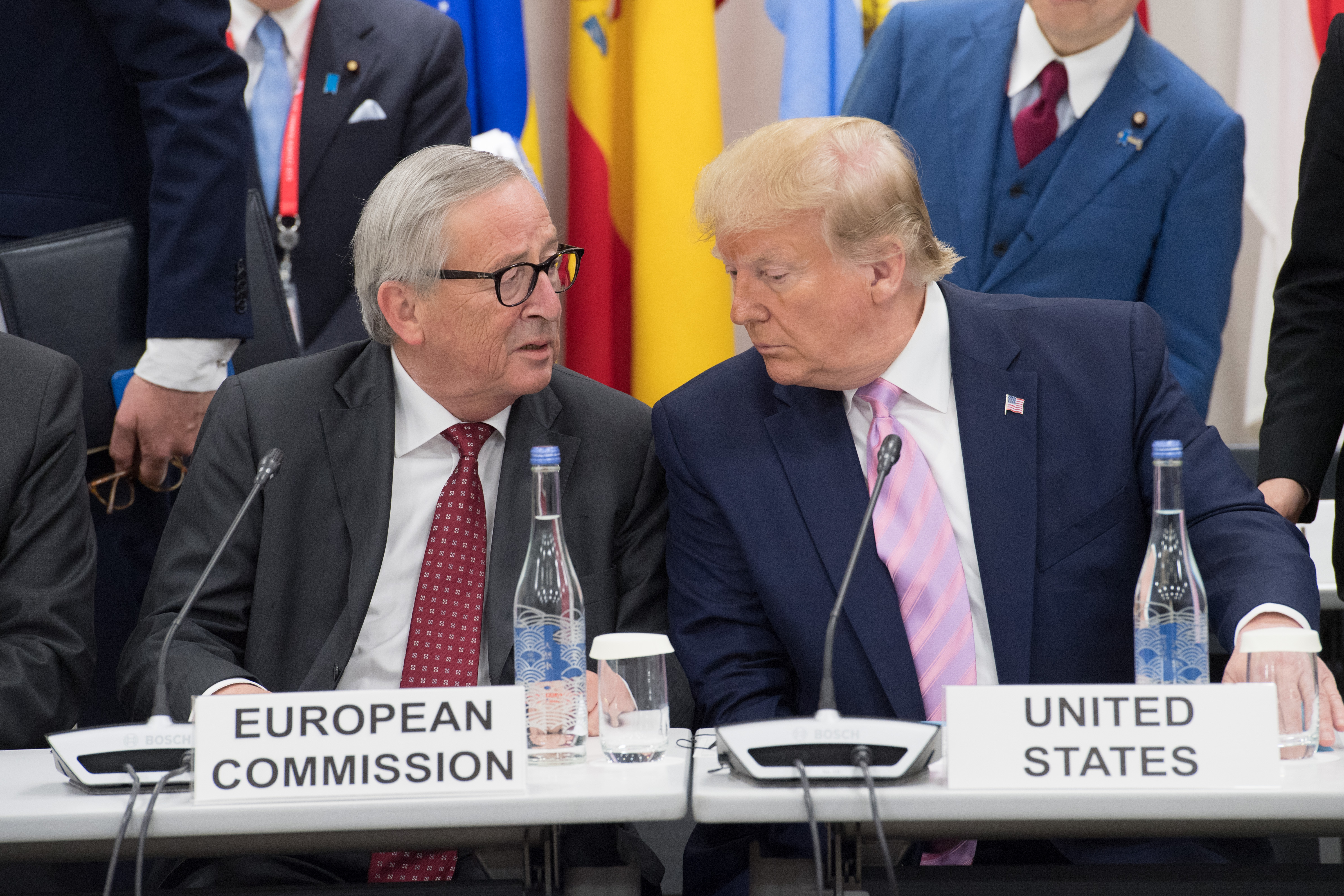 G20 energy market discussion
The Blueprint for a G20 Shield
Jaishankar outlined a three‑pronged framework that could serve as the foundation for a coordinated G20 response:
- Strategic Reserves Pooling – Create a shared reserve of critical fuels that can be released in case of supply shocks, akin to the International Energy Agency’s emergency oil stockpile but with broader participation.
- Sanctions Coordination Mechanism – Establish a transparent, multilateral process to assess the humanitarian impact of energy sanctions before they are imposed, ensuring that essential energy needs are exempted.
- Infrastructure Diversification Fund – Mobilise G20 resources to finance alternative routes (e.g., pipelines bypassing chokepoints) and to accelerate renewable integration in vulnerable economies.
These proposals echo earlier calls from the European Union for a “global energy resilience pact,” but Jaishankar’s emphasis on inclusive decision‑making—giving voice to the Global South—adds a diplomatic nuance that could make the plan politically viable.
Domestic Implications for India
India stands to gain on multiple fronts:
- Price Stability – By participating in a collective reserve, India can buffer against sudden oil price spikes, protecting its fragile balance‑of‑payments.
- Strategic Leverage – Acting as a facilitator enhances India’s diplomatic clout, positioning New Delhi as a responsible stakeholder in global governance.
- Renewable Acceleration – The proposed fund can dovetail with India’s ambitious 450 GW renewable target by 2030, ensuring that the transition is not hampered by short‑term supply crises.
International Reactions
The United States and the European Union have expressed cautious optimism, noting that any G20 initiative must respect existing sanction regimes while avoiding unintended humanitarian fallout. Conversely, Russia has warned that any collective “shield” could undermine the effectiveness of sanctions aimed at curbing its geopolitical aggression.
China, a major energy consumer and exporter, has remained non‑committal but signalled willingness to discuss “energy security cooperation” within multilateral forums, hinting at possible alignment with India’s vision.
Editorial Analysis & Future Outlook
Jaishankar’s appeal is more than a diplomatic footnote; it is a litmus test for the G20’s relevance in a world where energy is both a commodity and a weapon. If the G20 can coalesce around a shared shield, it would mark a paradigm shift from reactive, unilateral measures to proactive, collaborative governance.
In the short term, we can expect intense negotiations over the design of the strategic reserves pool and the sanctions coordination mechanism. The real challenge will be implementation—ensuring that commitments translate into tangible stockpiles, transparent reporting, and rapid response capabilities.
Looking ahead, a successful G20 shield could catalyse several longer‑term trends:
- De‑politicisation of Energy – By decoupling energy supply from geopolitical coercion, markets may stabilise, encouraging investment in both conventional and renewable sectors.
- Accelerated Energy Transition – Predictable markets lower financing risks for renewable projects, aligning with climate goals under the Paris Agreement.
- Enhanced South‑North Dialogue – India's leadership could bridge the divide between developed and developing economies, fostering a more equitable energy architecture.
However, failure to reach consensus could reinforce the narrative that multilateral institutions are ill‑equipped to manage 21st‑century crises, pushing nations toward bilateral deals and further fragmenting the global energy order.
The coming months will reveal whether Jaishankar’s call becomes a catalyst for collective action or a rhetorical footnote in an increasingly fractured geopolitical arena. One thing is clear: energy security will remain a decisive factor in shaping global politics, economic stability, and the climate agenda.
Original Reporting & Source: India Today Top Stories

Discussion (0)
Sign in to join the discussion.
No comments yet. Be the first to start the conversation!