Umang Sisodia • • 5 min read • 2 views

Piyush Goyal Flags Surge of Chinese Goods in Indian Markets: Implications and Outlook
Listen to Article
Select a voice and press play
Piyush Goyal Flags Surge of Chinese Goods in Indian Markets: Implications and Outlook

Key Takeaways

  • Piyush Goyal warned that an influx of Chinese products is crowding Indian retail shelves, raising concerns for domestic manufacturers.
  • The issue has surged on Google Trends after a high‑profile press conference and subsequent media coverage.
  • Trade data shows a 30% rise in Chinese imports of consumer goods over the past 12 months, pressuring local pricing and employment.
  • Policy responses could range from tighter customs checks to strategic incentives for Made‑in‑India alternatives.

The Spark: Goyal’s Warning

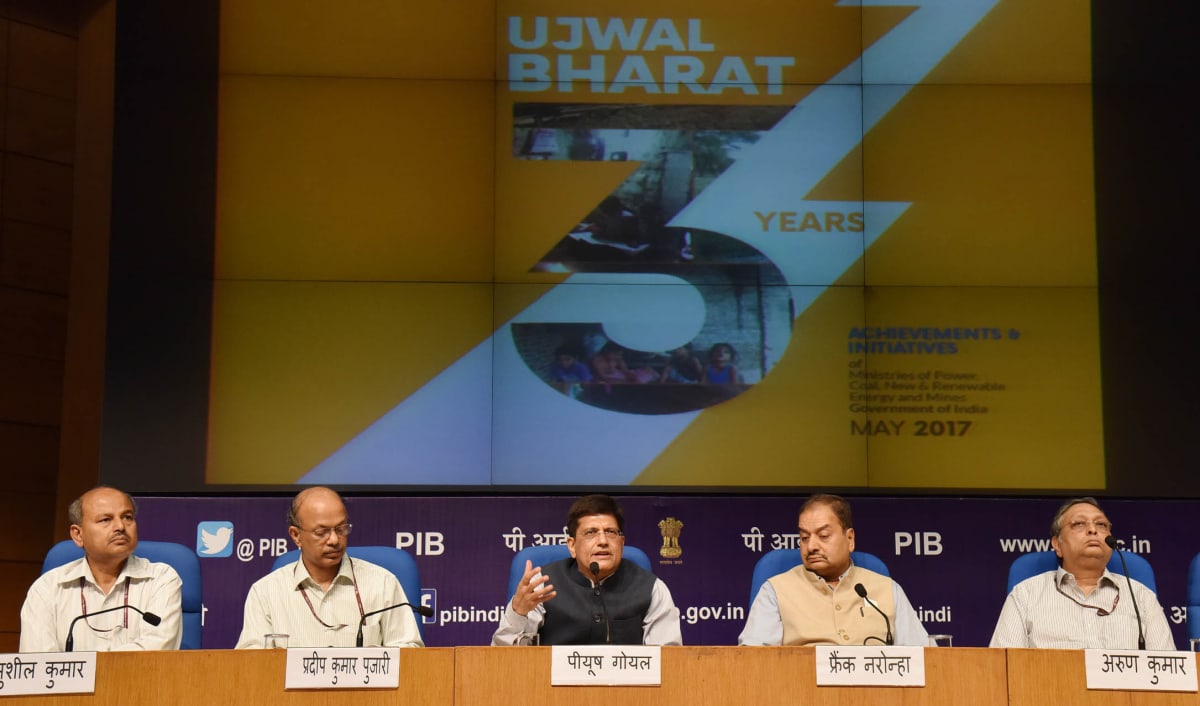
On April 28, 2024, Union Minister Piyush Goyal, who heads the Ministry of Commerce & Industry, addressed a press conference in New Delhi, declaring that "Chinese goods are flooding Indian markets at an unprecedented pace, squeezing our home‑grown manufacturers and hurting the consumer psyche." The statement was captured on live television and quickly amplified across social media platforms, propelling the topic to the top of Google Trends in India.

"We cannot allow a scenario where Indian consumers are forced to choose between cheap imports and quality domestic products," Goyal asserted, urging the government to act swiftly.

The timing of the remark coincided with a series of high‑profile incidents: a spike in counterfeit electronics, a surge in low‑cost apparel from Chinese factories, and growing political pressure from opposition parties demanding a tougher stance on China.

How Chinese Goods Are Saturating Indian Shelves

1. Volume of Imports

  • Electronics & Mobile Accessories: Imports rose from $2.4 bn in FY2022 to $3.1 bn in FY2024.
  • Apparel & Textiles: Chinese garment shipments increased by 28%, accounting for 15% of total apparel imports.
  • Consumer Durables: Items such as kitchen appliances and home décor saw a 22% jump.

2. Distribution Channels

  • E‑commerce Platforms: Marketplaces like Amazon India and Flipkart host thousands of Chinese sellers, often offering products at 30‑50% lower prices than Indian brands.
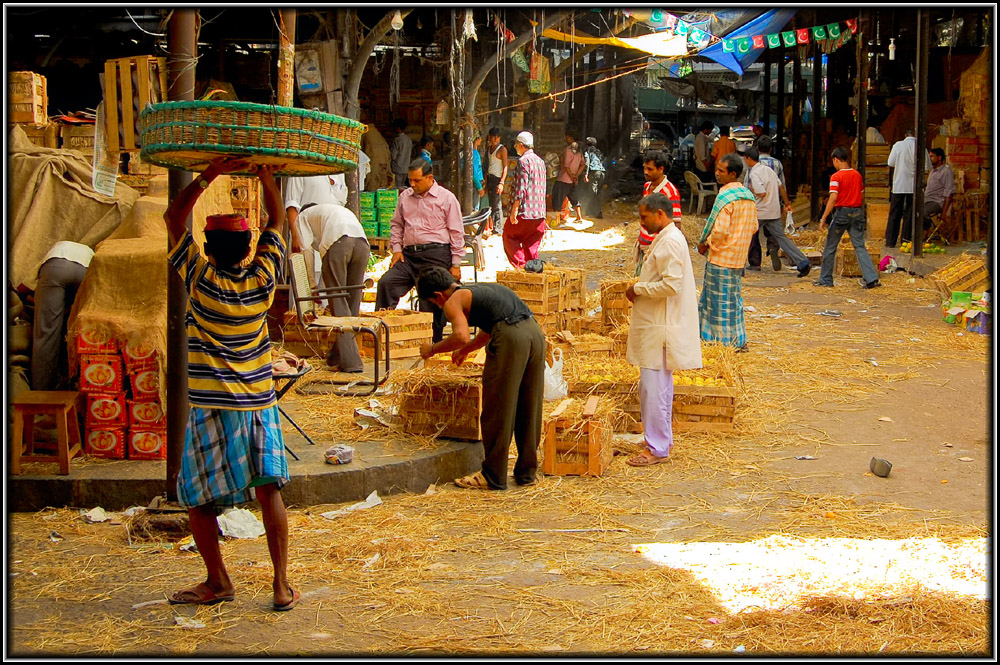
  • Traditional Wholesale Markets: Cities such as Mumbai’s Crawford Market and Kolkata’s Burrabazar have become hubs for bulk Chinese merchandise, sold to small retailers across the country.

3. Pricing Dynamics

The aggressive pricing strategy of Chinese manufacturers, backed by economies of scale and government subsidies, has forced Indian retailers to either lower margins or source directly from China, eroding the competitiveness of local producers.
Chinese products on Indian retail shelves Chinese products on Indian retail shelves

Economic and Political Underpinnings

Trade Imbalance

India’s trade deficit with China widened to $15 bn in the last fiscal year, driven largely by consumer goods rather than raw materials. While strategic imports like pharmaceuticals remain essential, the surge in low‑margin items is viewed as a structural vulnerability.

Geopolitical Tensions

  • Border Standoffs: Recent skirmishes along the Line of Actual Control (LAC) have heightened nationalist sentiments, prompting calls for “self‑reliance” (Atmanirbhar Bharat).
  • Policy Shifts: The Foreign Trade (Promotion & Facilitation) Amendment Bill 2024 is under parliamentary debate, aiming to tighten customs inspections for goods from countries with which India has security concerns.

Consumer Sentiment and Domestic Industry

Surveys conducted by the Centre for Monitoring Indian Economy (CMIE) reveal that 62% of Indian shoppers are aware of the Chinese origin of many low‑priced goods, yet 48% still prioritize cost over provenance. However, a growing middle class is increasingly demanding quality, safety, and ethical sourcing, providing an opening for Indian brands to differentiate.

Impact on Local Manufacturers

  • Loss of Market Share: Small‑scale textile units in Tamil Nadu reported a 12% decline in orders during Q1‑2024.
  • Employment Concerns: The Confederation of Indian Industry (CII) estimates that the current import surge could jeopardize ~250,000 jobs in the consumer goods sector if left unchecked.

Policy Responses and Trade Measures

Immediate Actions

  1. Enhanced Customs Scrutiny: The Ministry of Commerce announced a 30‑day pilot of AI‑driven risk profiling for Chinese shipments.
  2. Labeling Mandate: A proposal to enforce "Made in India" labeling for all domestically produced goods, similar to the EU’s origin labeling rules.

Long‑Term Strategies

  • Incentivising Domestic Production: Tax rebates and subsidised credit for manufacturers adopting Make in India initiatives.
  • Diversifying Supply Chains: Encouraging imports from alternative Asian economies (Vietnam, Bangladesh) to reduce over‑reliance on China.

Global Context

India is not alone in grappling with Chinese market dominance. The U.S., EU, and Japan have all introduced measures—ranging from tariffs to stricter safety standards—to protect domestic industries. India’s approach, however, must balance consumer affordability with strategic autonomy, a tightrope that policymakers are navigating amid domestic political pressures.

Editorial Analysis & Future Outlook

The influx of Chinese goods into Indian markets is more than a commercial anomaly; it is a litmus test for India’s economic sovereignty and industrial resilience. If left unchecked, the trend could deepen the trade deficit, erode the viability of small‑scale manufacturers, and fuel political backlash.

Strategic Recommendations:

  • Accelerate the Make in India agenda by streamlining land acquisition, improving logistics, and fostering R&D collaborations with global partners.
  • Leverage digital platforms to create a curated marketplace for Indian‑made products, offering price parity through economies of scale.
  • Implement targeted anti‑dumping duties on categories where Chinese pricing is demonstrably below production cost, while avoiding broad‑brush protectionism that could raise consumer prices.

In the medium term, we can anticipate gradual policy tightening coupled with government‑backed incentives for domestic players. The consumer base, increasingly conscious of product origin and quality, will likely reward Indian brands that can deliver competitive pricing without compromising standards. The narrative set by Piyush Goyal could thus catalyse a re‑balancing of India’s trade ecosystem, fostering a more self‑reliant yet globally integrated economy.

The coming months will reveal whether India can transform this challenge into an opportunity for industrial up‑skilling, job creation, and sustainable growth.


Original Reporting & Source: India Today Top Stories

Discussion (0)

Sign in to join the discussion.

No comments yet. Be the first to start the conversation!

| |

Piyush Goyal Flags Surge of Chinese Goods in Indian Markets: Implications and Outlook

By Umang Sisodia • 5 min read • 2 views

Key Takeaways

  • Piyush Goyal warned that an influx of Chinese products is crowding Indian retail shelves, raising concerns for domestic manufacturers.
  • The issue has surged on Google Trends after a high‑profile press conference and subsequent media coverage.
  • Trade data shows a 30% rise in Chinese imports of consumer goods over the past 12 months, pressuring local pricing and employment.
  • Policy responses could range from tighter customs checks to strategic incentives for Made‑in‑India alternatives.

The Spark: Goyal’s Warning

On April 28, 2024, Union Minister Piyush Goyal, who heads the Ministry of Commerce & Industry, addressed a press conference in New Delhi, declaring that "Chinese goods are flooding Indian markets at an unprecedented pace, squeezing our home‑grown manufacturers and hurting the consumer psyche." The statement was captured on live television and quickly amplified across social media platforms, propelling the topic to the top of Google Trends in India.

"We cannot allow a scenario where Indian consumers are forced to choose between cheap imports and quality domestic products," Goyal asserted, urging the government to act swiftly.

The timing of the remark coincided with a series of high‑profile incidents: a spike in counterfeit electronics, a surge in low‑cost apparel from Chinese factories, and growing political pressure from opposition parties demanding a tougher stance on China.

How Chinese Goods Are Saturating Indian Shelves

1. Volume of Imports

  • Electronics & Mobile Accessories: Imports rose from $2.4 bn in FY2022 to $3.1 bn in FY2024.
  • Apparel & Textiles: Chinese garment shipments increased by 28%, accounting for 15% of total apparel imports.
  • Consumer Durables: Items such as kitchen appliances and home décor saw a 22% jump.

2. Distribution Channels

  • E‑commerce Platforms: Marketplaces like Amazon India and Flipkart host thousands of Chinese sellers, often offering products at 30‑50% lower prices than Indian brands.
  • Traditional Wholesale Markets: Cities such as Mumbai’s Crawford Market and Kolkata’s Burrabazar have become hubs for bulk Chinese merchandise, sold to small retailers across the country.

3. Pricing Dynamics

The aggressive pricing strategy of Chinese manufacturers, backed by economies of scale and government subsidies, has forced Indian retailers to either lower margins or source directly from China, eroding the competitiveness of local producers.

Chinese products on Indian retail shelves Chinese products on Indian retail shelves

Economic and Political Underpinnings

Trade Imbalance

India’s trade deficit with China widened to $15 bn in the last fiscal year, driven largely by consumer goods rather than raw materials. While strategic imports like pharmaceuticals remain essential, the surge in low‑margin items is viewed as a structural vulnerability.

Geopolitical Tensions

  • Border Standoffs: Recent skirmishes along the Line of Actual Control (LAC) have heightened nationalist sentiments, prompting calls for “self‑reliance” (Atmanirbhar Bharat).
  • Policy Shifts: The Foreign Trade (Promotion & Facilitation) Amendment Bill 2024 is under parliamentary debate, aiming to tighten customs inspections for goods from countries with which India has security concerns.

Consumer Sentiment and Domestic Industry

Surveys conducted by the Centre for Monitoring Indian Economy (CMIE) reveal that 62% of Indian shoppers are aware of the Chinese origin of many low‑priced goods, yet 48% still prioritize cost over provenance. However, a growing middle class is increasingly demanding quality, safety, and ethical sourcing, providing an opening for Indian brands to differentiate.

Impact on Local Manufacturers

  • Loss of Market Share: Small‑scale textile units in Tamil Nadu reported a 12% decline in orders during Q1‑2024.
  • Employment Concerns: The Confederation of Indian Industry (CII) estimates that the current import surge could jeopardize ~250,000 jobs in the consumer goods sector if left unchecked.

Policy Responses and Trade Measures

Immediate Actions

  1. Enhanced Customs Scrutiny: The Ministry of Commerce announced a 30‑day pilot of AI‑driven risk profiling for Chinese shipments.
  2. Labeling Mandate: A proposal to enforce "Made in India" labeling for all domestically produced goods, similar to the EU’s origin labeling rules.

Long‑Term Strategies

  • Incentivising Domestic Production: Tax rebates and subsidised credit for manufacturers adopting Make in India initiatives.
  • Diversifying Supply Chains: Encouraging imports from alternative Asian economies (Vietnam, Bangladesh) to reduce over‑reliance on China.

Global Context

India is not alone in grappling with Chinese market dominance. The U.S., EU, and Japan have all introduced measures—ranging from tariffs to stricter safety standards—to protect domestic industries. India’s approach, however, must balance consumer affordability with strategic autonomy, a tightrope that policymakers are navigating amid domestic political pressures.

Editorial Analysis & Future Outlook

The influx of Chinese goods into Indian markets is more than a commercial anomaly; it is a litmus test for India’s economic sovereignty and industrial resilience. If left unchecked, the trend could deepen the trade deficit, erode the viability of small‑scale manufacturers, and fuel political backlash.

Strategic Recommendations:

  • Accelerate the Make in India agenda by streamlining land acquisition, improving logistics, and fostering R&D collaborations with global partners.
  • Leverage digital platforms to create a curated marketplace for Indian‑made products, offering price parity through economies of scale.
  • Implement targeted anti‑dumping duties on categories where Chinese pricing is demonstrably below production cost, while avoiding broad‑brush protectionism that could raise consumer prices.

In the medium term, we can anticipate gradual policy tightening coupled with government‑backed incentives for domestic players. The consumer base, increasingly conscious of product origin and quality, will likely reward Indian brands that can deliver competitive pricing without compromising standards. The narrative set by Piyush Goyal could thus catalyse a re‑balancing of India’s trade ecosystem, fostering a more self‑reliant yet globally integrated economy.

The coming months will reveal whether India can transform this challenge into an opportunity for industrial up‑skilling, job creation, and sustainable growth.


Original Reporting & Source: India Today Top Stories