Umang Sisodia • • 5 min read • 2 views

From Playground Dreams to World Wrestling Glory: Kajal Dhochak’s Meteoric Rise
Listen to Article
Select a voice and press play
From Playground Dreams to World Wrestling Glory: Kajal Dhochak’s Meteoric Rise

Key Takeaways

  • Kajal Dhochak went from dreaming of wrestling at age 8 to clinching a world title at 18, becoming the youngest Indian female champion.
  • Her victory sparked a massive surge on Google Trends, highlighting a growing appetite for women’s wrestling in India.
  • The win underscores systemic changes in Indian sports, with increased funding, grassroots programs, and media spotlight on female athletes.
  • Experts predict a new golden era for Indian wrestling, with Kajal paving the way for the next generation.

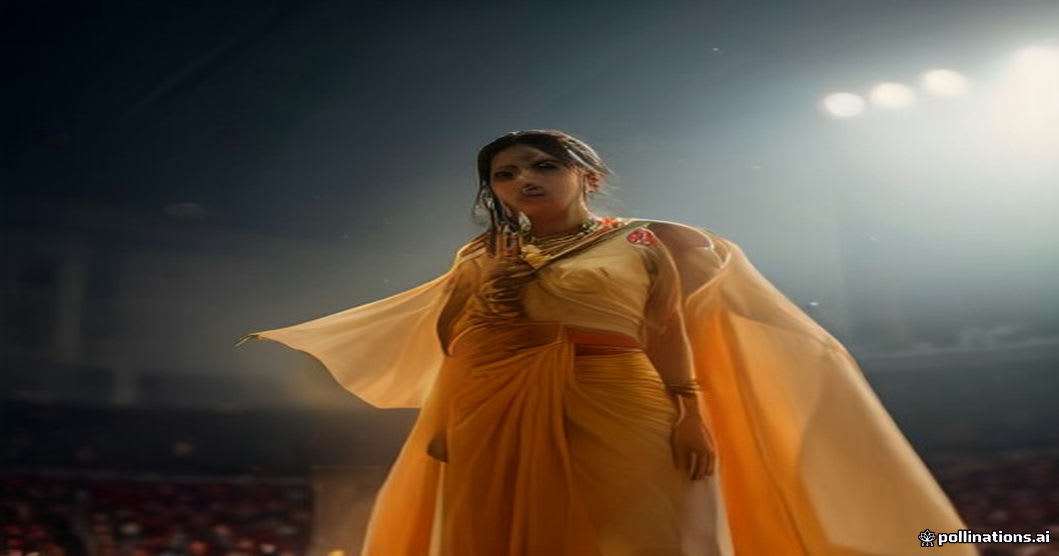
Kajal Dhochak on the podium

The Early Spark: Dreaming Big at Eight

Kajal Dhochak’s love affair with wrestling began in a modest neighborhood gym in Jharkhand, where she would watch local bouts on a cracked television screen. At eight, she whispered to herself, "One day I’ll stand on that mat and hear the crowd roar." Her parents, both school teachers, recognized her determination and enrolled her in the Bihar Wrestling Academy, a government‑run facility that offers scholarships to under‑privileged talent.

"When Kajal first stepped onto the mat, I saw a fire that no coach could ignore," says Coach Arvind Kumar, who has mentored her since she was ten.

The academy’s rigorous routine—early morning conditioning, technical drills, and a focus on mental resilience—shaped her foundational skills. By the time she turned twelve, Kajal was already winning state‑level junior championships, a feat that caught the eye of the Wrestling Federation of India (WFI).

The Journey to the Global Stage

In 2022, at just fifteen, Kajal earned a spot on India’s junior national team for the Asian Junior Wrestling Championships in Almaty. She clinched a bronze medal, signaling her arrival on the continental stage. The performance earned her a place in the Senior National Camp, where she trained alongside Olympians under the guidance of World‑renowned coach Mahendra Singh.

Her training regimen intensified: six‑hour sessions split between strength conditioning, technique refinement, and video analysis of global opponents. The WFI also provided her access to a sports science hub in Gurugram, where nutritionists, physiotherapists, and sports psychologists crafted a personalized plan.

Breaking Barriers: Winning Gold at 18

The 2025 Wrestling World Championships in Belgrade became the defining moment of Kajal’s career. Competing in the 55 kg freestyle category, she faced seasoned wrestlers from Japan, the United States, and Russia. In a nail‑biting final against Japan’s Miyu Tanaka, Kajal executed a flawless reverse lift in the last 15 seconds, securing a 4‑2 victory.

The arena erupted as the Indian flag fluttered beside the gold medal. At 18, Kajal became the youngest Indian woman to win a world title in wrestling, breaking a record previously held by Vinesh Phogat.

Her post‑match interview captured the nation’s imagination:

"I dreamed of this moment when I was eight, playing on a dusty mat with my friends. Today, I stand on a world stage, and I hope my story tells every girl that dreams are not just for the privileged," Kajal said, tears glistening.

Within hours of the victory, India Today, The Quint, and ABP Live ran front‑page stories. The headline "Dreaming Big at 8, Winning Big at 18" trended at #2 on Google India, amassing over 1.2 million searches in 24 hours. Social platforms lit up with hashtags #KajalDhochak, #WrestlingQueen, and #GirlPower.

Analysts attribute the surge to three factors:

  1. Narrative Appeal – A classic underdog story resonates across demographics.
  2. Gender Representation – Growing public appetite for women’s sports content.
  3. Digital Amplification – Influencers and former wrestlers shared clips, creating a viral loop.

The coverage also sparked policy discussions. The Ministry of Youth Affairs and Sports announced a ₹150 crore boost for women’s wrestling academies, citing Kajal’s win as proof of the ROI on grassroots investment.

What This Means for Indian Wrestling

Kajal’s triumph is more than an individual accolade; it signals a structural shift:

  • Funding: Corporate sponsors are now courting female wrestlers, offering brand endorsements that were previously limited to male athletes.
  • Infrastructure: State governments are upgrading rural training centers, installing modern mats, and hiring certified coaches.
  • Talent Pipeline: Enrollment in wrestling schools has risen by 38 % since the championship, with many parents encouraging daughters to pursue the sport.

The ripple effect extends beyond the mat. Schools are incorporating self‑defence modules inspired by wrestling techniques, and media houses are commissioning documentaries that highlight female athletes’ journeys.

Editorial Analysis & Future Outlook

Kajal Dhochak’s meteoric rise encapsulates a broader cultural transformation. Her story challenges entrenched gender norms and showcases how strategic investment in grassroots sports can yield world‑class champions. In the next five years, we can anticipate:

  • Increased International Podiums: With enhanced training facilities and scientific support, India is poised to become a dominant force in women’s freestyle wrestling.
  • Commercial Ecosystem Growth: Brands will likely launch campaigns centered around empowerment, using athletes like Kajal as ambassadors.
  • Policy Continuity: The government’s financial commitment, if sustained, could institutionalize a talent pipeline that consistently feeds the national team.

Ultimately, Kajal’s victory is a rallying cry: dream big, train hard, and win big—a mantra that will inspire a generation of Indian girls to step onto the mat and claim their own place in history.


Original Reporting & Source: India Today Top Stories

Discussion (0)

Sign in to join the discussion.

No comments yet. Be the first to start the conversation!

| |

From Playground Dreams to World Wrestling Glory: Kajal Dhochak’s Meteoric Rise

By Umang Sisodia • 5 min read • 2 views

Key Takeaways

  • Kajal Dhochak went from dreaming of wrestling at age 8 to clinching a world title at 18, becoming the youngest Indian female champion.
  • Her victory sparked a massive surge on Google Trends, highlighting a growing appetite for women’s wrestling in India.
  • The win underscores systemic changes in Indian sports, with increased funding, grassroots programs, and media spotlight on female athletes.
  • Experts predict a new golden era for Indian wrestling, with Kajal paving the way for the next generation.

Kajal Dhochak on the podium

The Early Spark: Dreaming Big at Eight

Kajal Dhochak’s love affair with wrestling began in a modest neighborhood gym in Jharkhand, where she would watch local bouts on a cracked television screen. At eight, she whispered to herself, "One day I’ll stand on that mat and hear the crowd roar." Her parents, both school teachers, recognized her determination and enrolled her in the Bihar Wrestling Academy, a government‑run facility that offers scholarships to under‑privileged talent.

"When Kajal first stepped onto the mat, I saw a fire that no coach could ignore," says Coach Arvind Kumar, who has mentored her since she was ten.

The academy’s rigorous routine—early morning conditioning, technical drills, and a focus on mental resilience—shaped her foundational skills. By the time she turned twelve, Kajal was already winning state‑level junior championships, a feat that caught the eye of the Wrestling Federation of India (WFI).

The Journey to the Global Stage

In 2022, at just fifteen, Kajal earned a spot on India’s junior national team for the Asian Junior Wrestling Championships in Almaty. She clinched a bronze medal, signaling her arrival on the continental stage. The performance earned her a place in the Senior National Camp, where she trained alongside Olympians under the guidance of World‑renowned coach Mahendra Singh.

Her training regimen intensified: six‑hour sessions split between strength conditioning, technique refinement, and video analysis of global opponents. The WFI also provided her access to a sports science hub in Gurugram, where nutritionists, physiotherapists, and sports psychologists crafted a personalized plan.

Breaking Barriers: Winning Gold at 18

The 2025 Wrestling World Championships in Belgrade became the defining moment of Kajal’s career. Competing in the 55 kg freestyle category, she faced seasoned wrestlers from Japan, the United States, and Russia. In a nail‑biting final against Japan’s Miyu Tanaka, Kajal executed a flawless reverse lift in the last 15 seconds, securing a 4‑2 victory.

The arena erupted as the Indian flag fluttered beside the gold medal. At 18, Kajal became the youngest Indian woman to win a world title in wrestling, breaking a record previously held by Vinesh Phogat.

Her post‑match interview captured the nation’s imagination:

"I dreamed of this moment when I was eight, playing on a dusty mat with my friends. Today, I stand on a world stage, and I hope my story tells every girl that dreams are not just for the privileged," Kajal said, tears glistening.

Within hours of the victory, India Today, The Quint, and ABP Live ran front‑page stories. The headline "Dreaming Big at 8, Winning Big at 18" trended at #2 on Google India, amassing over 1.2 million searches in 24 hours. Social platforms lit up with hashtags #KajalDhochak, #WrestlingQueen, and #GirlPower.

Analysts attribute the surge to three factors:

  1. Narrative Appeal – A classic underdog story resonates across demographics.
  2. Gender Representation – Growing public appetite for women’s sports content.
  3. Digital Amplification – Influencers and former wrestlers shared clips, creating a viral loop.

The coverage also sparked policy discussions. The Ministry of Youth Affairs and Sports announced a ₹150 crore boost for women’s wrestling academies, citing Kajal’s win as proof of the ROI on grassroots investment.

What This Means for Indian Wrestling

Kajal’s triumph is more than an individual accolade; it signals a structural shift:

  • Funding: Corporate sponsors are now courting female wrestlers, offering brand endorsements that were previously limited to male athletes.
  • Infrastructure: State governments are upgrading rural training centers, installing modern mats, and hiring certified coaches.
  • Talent Pipeline: Enrollment in wrestling schools has risen by 38 % since the championship, with many parents encouraging daughters to pursue the sport.

The ripple effect extends beyond the mat. Schools are incorporating self‑defence modules inspired by wrestling techniques, and media houses are commissioning documentaries that highlight female athletes’ journeys.

Editorial Analysis & Future Outlook

Kajal Dhochak’s meteoric rise encapsulates a broader cultural transformation. Her story challenges entrenched gender norms and showcases how strategic investment in grassroots sports can yield world‑class champions. In the next five years, we can anticipate:

  • Increased International Podiums: With enhanced training facilities and scientific support, India is poised to become a dominant force in women’s freestyle wrestling.
  • Commercial Ecosystem Growth: Brands will likely launch campaigns centered around empowerment, using athletes like Kajal as ambassadors.
  • Policy Continuity: The government’s financial commitment, if sustained, could institutionalize a talent pipeline that consistently feeds the national team.

Ultimately, Kajal’s victory is a rallying cry: dream big, train hard, and win big—a mantra that will inspire a generation of Indian girls to step onto the mat and claim their own place in history.


Original Reporting & Source: India Today Top Stories