Umang Sisodia • • 5 min read • 1 view

Khalistani Slogans Target Diljit Dosanjh in Delhi Metro: Arrests, Reactions & the Wider Debate
Listen to Article
Select a voice and press play
Khalistani Slogans Target Diljit Dosanjh in Delhi Metro: Arrests, Reactions & the Wider Debate

Key Takeaways

  • Three suspects were detained after Khalistani slogans targeting singer‑actor Diljit Dosanjh were discovered on Delhi Metro walls.
  • The incident has reignited political and communal tensions around the Khalistan movement and freedom of expression in India.
  • Delhi Metro and police have tightened surveillance, promising swift legal action while civil society calls for a balanced response.
  • Experts warn that unchecked hate‑filled graffiti could escalate communal discord and impact public transport safety.

The Incident Unfolds: Slogans, Arrests, and Immediate Response

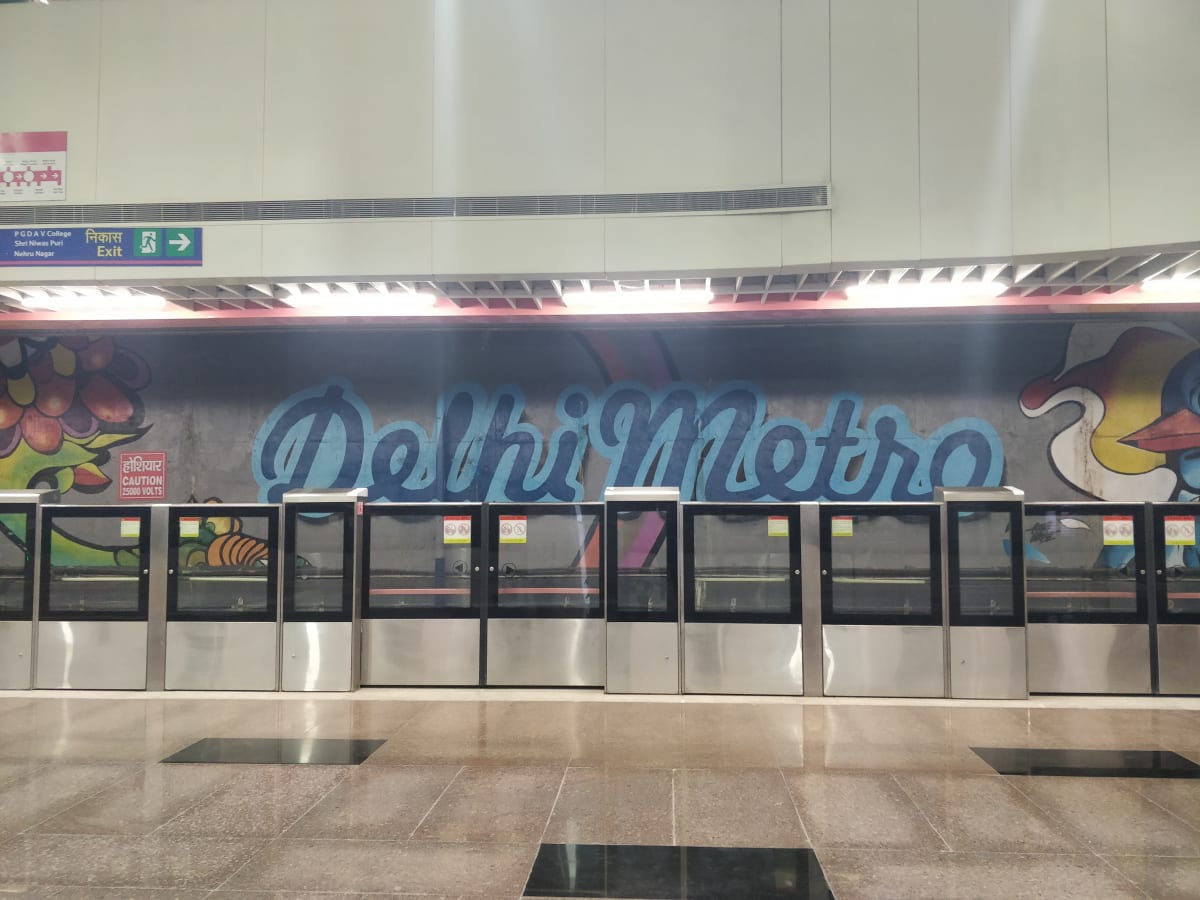
On April 28, 2024, commuters on the Yellow Line of Delhi Metro reported graffiti bearing the words "Khalistan Zindabad" alongside a direct insult to Punjabi star Diljit Dosanjh. The slogans, scrawled in bold Hindi and Punjabi script, read:

"Diljit Dosanjh, teraa naam kithon aaya? Khalistan nu vi chhad de!"

Within hours, Delhi Police launched a joint operation with the Metro’s security wing. Three individuals—identified as **Rajveer Singh (23), Simran Kaur (21) and Harpreet Dhillon (25)**—were arrested near the Rajiv Chowk station after CCTV footage linked them to the act.

"We will not tolerate any attempt to weaponise public spaces for communal hate. The perpetrators will face the full force of the law," said Delhi Police Commissioner Rakesh Asthana in a press briefing.

The arrests were swift, but the incident sparked a media frenzy, with trending hashtags #DiljitMetro, #KhalistanSlogans, and #MetroSafety dominating Indian Twitter.


Historical Context: Khalistan Movement and Its Resurgence

The Khalistan separatist movement—which seeks an independent Sikh homeland in Punjab—peaked in the 1980s, culminating in the 1984 anti‑Sikh riots and Operation Blue Star. Although largely dormant for decades, the movement has seen a digital revival through social media, diaspora networks, and occasional street activism.

  • 2000s‑2010s: Fringe groups used online forums to disseminate propaganda.
  • Post‑2020: The COVID‑19 pandemic provided a vacuum for extremist narratives to flourish, especially on encrypted messaging apps.
  • 2023‑2024: A series of pro‑Khalistan rallies in Canada and the UK reignited debates in Indian political corridors.

The Delhi Metro incident is part of a broader pattern where extremist slogans appear on public infrastructure—ranging from railway stations in Punjab to bus shelters in Haryana—signalling a tactical shift from overt protests to covert vandalism.


Diljit Dosanjh: Cultural Icon and Political Target

Diljit Dosanjh, a global Punjabi music star and Bollywood actor, has become a symbolic bridge between India’s Sikh community and mainstream pop culture. His recent foray into political commentary—including a tweet urging peace after the 2023 Punjab farmer protests—has drawn both admiration and ire.

  • Why Diljit? His massive fan base (over 30 million Instagram followers) makes him a high‑visibility target for groups seeking to send a message.
  • Previous incidents: In 2022, a hate tweet falsely accusing him of anti‑national sentiments went viral, prompting a police FIR.
  • Current impact: The slogans not only attack his persona but also attempt to intimidate the broader Sikh diaspora that looks up to him.

The Delhi Metro Rail Corporation (DMRC) has issued a statement promising a zero‑tolerance policy for vandalism and hate speech:

"All stations will undergo enhanced CCTV monitoring, and any graffiti will be removed within 24 hours. Offenders will be prosecuted under the Indian Penal Code (Sections 153A, 295A) and the Prevention of Damage to Public Property Act."

Key security upgrades include:

  • Real‑time AI‑driven video analytics to flag suspicious activity.
  • Increased patrolling during peak hours, especially on high‑traffic lines.
  • Collaboration with cyber‑crime cells to trace digital footprints of perpetrators.

Legal experts note that Section 295A (deliberate and malicious acts intended to outrage religious feelings) could be invoked, though proving intent behind graffiti remains challenging.


Public and Political Reactions

The incident has polarized public opinion:

  • Opposition parties (e.g., AAP, Congress) have condemned the slogans as dangerous hate speech, demanding stricter enforcement.
  • BJP leaders framed the act as a foreign‑backed conspiracy aimed at destabilising Delhi’s law‑and‑order image.
  • Civil‑society groups like the Human Rights Commission of India called for balanced action, warning against over‑criminalisation that could curb legitimate dissent.

Social media users posted mixed reactions—some defended Diljit, while others argued that targeting any individual fuels a culture of intimidation.


Editorial Analysis & Future Outlook

The Delhi Metro graffiti episode is a micro‑cosm of a larger ideological battle playing out across India’s public spaces. While the swift arrests demonstrate an effective law‑enforcement response, the incident underscores several longer‑term challenges:

  1. Digital Radicalisation: The ease of sharing extremist content online means that offline vandalism may become a symptomatic expression of an online narrative. Counter‑radicalisation programs must therefore integrate digital literacy with community outreach.
  2. Balancing Free Speech & Hate Law: India’s legal framework must tread carefully to protect expression while curbing hate. Over‑reliance on punitive measures could backfire, driving extremist sentiment underground.
  3. Infrastructure Vulnerability: Public transport hubs are high‑visibility targets. Investing in smart surveillance and rapid response teams will be crucial, but authorities should also engage local communities to act as watchdogs.
  4. Political Weaponisation: Parties may exploit such incidents to score political points, potentially inflaming communal rhetoric. A non‑partisan investigative committee could help depoliticise the discourse.

Looking ahead, if Delhi Metro and law‑enforcement agencies sustain a proactive stance—combining technology, community policing, and transparent legal processes—the city can set a precedent for handling hate‑driven vandalism. However, failure to address the root digital ecosystems that fuel such acts may see a rise in similar incidents across other metros, airports, and public venues.

In essence, the Diljit‑targeted slogans are more than a fleeting act of graffiti; they are a bellwether for how India will manage the intersection of culture, politics, and security in an increasingly connected world.


Stay tuned for updates as the legal proceedings unfold and as Delhi Metro rolls out its next‑generation safety protocols.


Original Reporting & Source: India Today Top Stories

Discussion (0)

Sign in to join the discussion.

No comments yet. Be the first to start the conversation!

| |

Khalistani Slogans Target Diljit Dosanjh in Delhi Metro: Arrests, Reactions & the Wider Debate

By Umang Sisodia • 5 min read • 1 view

Key Takeaways

  • Three suspects were detained after Khalistani slogans targeting singer‑actor Diljit Dosanjh were discovered on Delhi Metro walls.
  • The incident has reignited political and communal tensions around the Khalistan movement and freedom of expression in India.
  • Delhi Metro and police have tightened surveillance, promising swift legal action while civil society calls for a balanced response.
  • Experts warn that unchecked hate‑filled graffiti could escalate communal discord and impact public transport safety.

The Incident Unfolds: Slogans, Arrests, and Immediate Response

On April 28, 2024, commuters on the Yellow Line of Delhi Metro reported graffiti bearing the words "Khalistan Zindabad" alongside a direct insult to Punjabi star Diljit Dosanjh. The slogans, scrawled in bold Hindi and Punjabi script, read:

"Diljit Dosanjh, teraa naam kithon aaya? Khalistan nu vi chhad de!"

Within hours, Delhi Police launched a joint operation with the Metro’s security wing. Three individuals—identified as **Rajveer Singh (23), Simran Kaur (21) and Harpreet Dhillon (25)**—were arrested near the Rajiv Chowk station after CCTV footage linked them to the act.

"We will not tolerate any attempt to weaponise public spaces for communal hate. The perpetrators will face the full force of the law," said Delhi Police Commissioner Rakesh Asthana in a press briefing.

The arrests were swift, but the incident sparked a media frenzy, with trending hashtags #DiljitMetro, #KhalistanSlogans, and #MetroSafety dominating Indian Twitter.


Historical Context: Khalistan Movement and Its Resurgence

The Khalistan separatist movement—which seeks an independent Sikh homeland in Punjab—peaked in the 1980s, culminating in the 1984 anti‑Sikh riots and Operation Blue Star. Although largely dormant for decades, the movement has seen a digital revival through social media, diaspora networks, and occasional street activism.

  • 2000s‑2010s: Fringe groups used online forums to disseminate propaganda.
  • Post‑2020: The COVID‑19 pandemic provided a vacuum for extremist narratives to flourish, especially on encrypted messaging apps.
  • 2023‑2024: A series of pro‑Khalistan rallies in Canada and the UK reignited debates in Indian political corridors.

The Delhi Metro incident is part of a broader pattern where extremist slogans appear on public infrastructure—ranging from railway stations in Punjab to bus shelters in Haryana—signalling a tactical shift from overt protests to covert vandalism.


Diljit Dosanjh: Cultural Icon and Political Target

Diljit Dosanjh, a global Punjabi music star and Bollywood actor, has become a symbolic bridge between India’s Sikh community and mainstream pop culture. His recent foray into political commentary—including a tweet urging peace after the 2023 Punjab farmer protests—has drawn both admiration and ire.

  • Why Diljit? His massive fan base (over 30 million Instagram followers) makes him a high‑visibility target for groups seeking to send a message.
  • Previous incidents: In 2022, a hate tweet falsely accusing him of anti‑national sentiments went viral, prompting a police FIR.
  • Current impact: The slogans not only attack his persona but also attempt to intimidate the broader Sikh diaspora that looks up to him.

The Delhi Metro Rail Corporation (DMRC) has issued a statement promising a zero‑tolerance policy for vandalism and hate speech:

"All stations will undergo enhanced CCTV monitoring, and any graffiti will be removed within 24 hours. Offenders will be prosecuted under the Indian Penal Code (Sections 153A, 295A) and the Prevention of Damage to Public Property Act."

Key security upgrades include:

  • Real‑time AI‑driven video analytics to flag suspicious activity.
  • Increased patrolling during peak hours, especially on high‑traffic lines.
  • Collaboration with cyber‑crime cells to trace digital footprints of perpetrators.

Legal experts note that Section 295A (deliberate and malicious acts intended to outrage religious feelings) could be invoked, though proving intent behind graffiti remains challenging.


Public and Political Reactions

The incident has polarized public opinion:

  • Opposition parties (e.g., AAP, Congress) have condemned the slogans as dangerous hate speech, demanding stricter enforcement.
  • BJP leaders framed the act as a foreign‑backed conspiracy aimed at destabilising Delhi’s law‑and‑order image.
  • Civil‑society groups like the Human Rights Commission of India called for balanced action, warning against over‑criminalisation that could curb legitimate dissent.

Social media users posted mixed reactions—some defended Diljit, while others argued that targeting any individual fuels a culture of intimidation.


Editorial Analysis & Future Outlook

The Delhi Metro graffiti episode is a micro‑cosm of a larger ideological battle playing out across India’s public spaces. While the swift arrests demonstrate an effective law‑enforcement response, the incident underscores several longer‑term challenges:

  1. Digital Radicalisation: The ease of sharing extremist content online means that offline vandalism may become a symptomatic expression of an online narrative. Counter‑radicalisation programs must therefore integrate digital literacy with community outreach.
  2. Balancing Free Speech & Hate Law: India’s legal framework must tread carefully to protect expression while curbing hate. Over‑reliance on punitive measures could backfire, driving extremist sentiment underground.
  3. Infrastructure Vulnerability: Public transport hubs are high‑visibility targets. Investing in smart surveillance and rapid response teams will be crucial, but authorities should also engage local communities to act as watchdogs.
  4. Political Weaponisation: Parties may exploit such incidents to score political points, potentially inflaming communal rhetoric. A non‑partisan investigative committee could help depoliticise the discourse.

Looking ahead, if Delhi Metro and law‑enforcement agencies sustain a proactive stance—combining technology, community policing, and transparent legal processes—the city can set a precedent for handling hate‑driven vandalism. However, failure to address the root digital ecosystems that fuel such acts may see a rise in similar incidents across other metros, airports, and public venues.

In essence, the Diljit‑targeted slogans are more than a fleeting act of graffiti; they are a bellwether for how India will manage the intersection of culture, politics, and security in an increasingly connected world.


Stay tuned for updates as the legal proceedings unfold and as Delhi Metro rolls out its next‑generation safety protocols.


Original Reporting & Source: India Today Top Stories