Umang Sisodia • • 6 min read • 1 view
America’s Gulf Allies Brace for New Strikes on Iran – Risks, Reactions, and Ripple Effects
Key Takeaways
- Gulf states are coordinating a fresh wave of limited strikes against Iranian targets, citing escalating proxy attacks.
- The move has sparked intense political debate in Washington and Jerusalem, with former presidents and media pundits fanning nuclear war anxieties.
- Regional economies and global oil markets are already feeling pressure, while diplomatic channels scramble to prevent a broader conflagration.
- Long‑term fallout could reshape US‑Middle East alliances, redefine Iran’s deterrence posture, and alter the strategic calculus of nuclear‑armed neighbors.
The Geopolitical Flashpoint: Why Iran Is Back on the Radar
In the past six months, Iran has intensified its missile and drone campaigns against US‑linked facilities in Iraq and the Gulf, prompting a sharp escalation in rhetoric from Washington. The latest series of attacks on oil tankers and the alleged involvement of the Islamic Revolutionary Guard Corps (IRGC) have forced Gulf Cooperation Council (GCC) members—Saudi Arabia, the United Arab Emirates, and Qatar—to reconsider their security posture.
The Wall Street Journal’s headline, America’s Gulf Allies Prepare for New Round of Strikes on Iran—and the Blowback, captures the urgency: these nations are not merely reacting; they are actively planning coordinated kinetic actions. The surge in Google searches for “Iran” in India reflects a global appetite for understanding how a regional clash could reverberate across energy markets, diaspora communities, and geopolitical fault lines.
Gulf Allies Mobilize: The New Round of Strikes
From Planning Rooms to the Sea
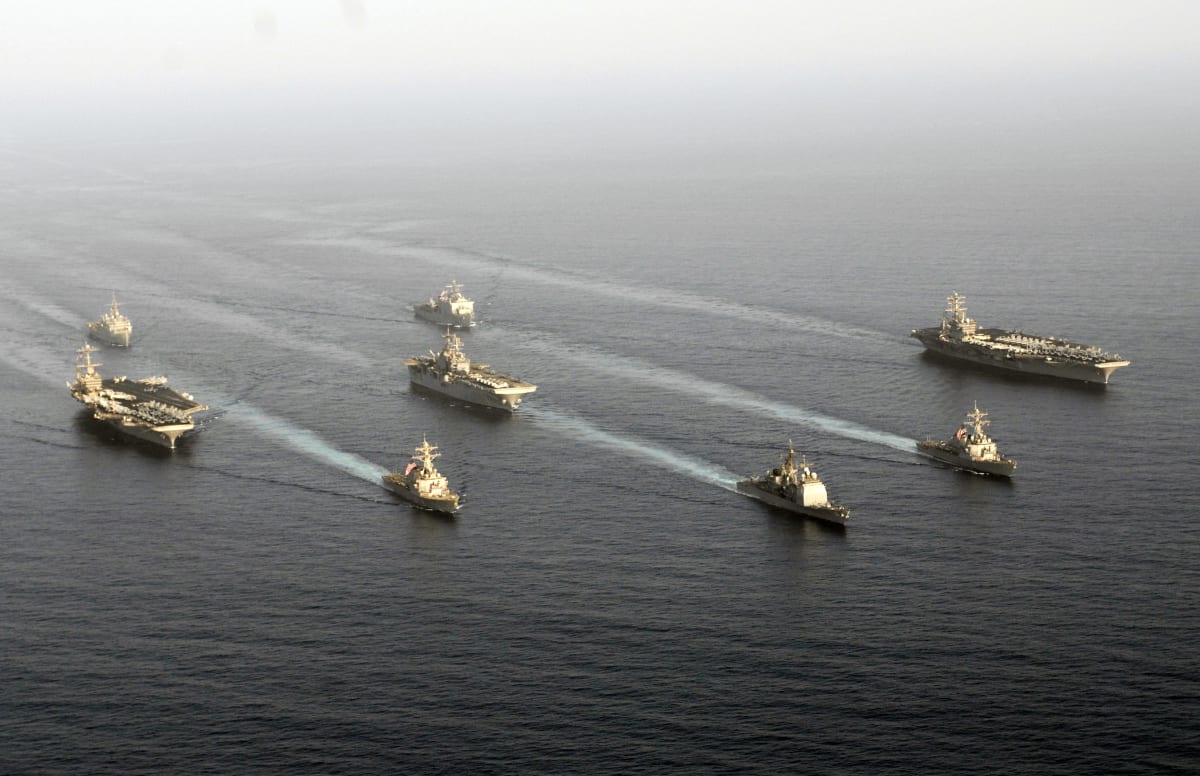
Intelligence reports indicate that Saudi and Emirati air forces have been conducting joint exercises with US Fifth Fleet warships in the Persian Gulf. Simulated strike runs on Iranian air defense sites, command‑and‑control hubs, and missile depots have been rehearsed under the watchful eye of US advisors.
“Our objective is to degrade Iran’s ability to launch asymmetric attacks while avoiding civilian casualties,” a senior Saudi defense official told reporters under anonymity.
The Tactical Playbook
The planned strikes are expected to be limited, precision‑guided, and focused on high‑value targets such as the IRGC’s airbase at Ahvaz and the naval facility at Bandar Abbas. The aim is to send a calibrated signal that Tehran’s proxy network—particularly the Houthi rebels in Yemen—must be curtailed.
Risks of Escalation
Even a narrowly scoped operation carries the danger of miscalculation. Iran’s doctrine of “asymmetric retaliation” could involve a swarm of ballistic missiles aimed at Gulf oil terminals, or a sudden escalation through its proxy militias. The regional calculus is further complicated by the presence of Russian naval vessels and Chinese commercial shipping in the same waters.
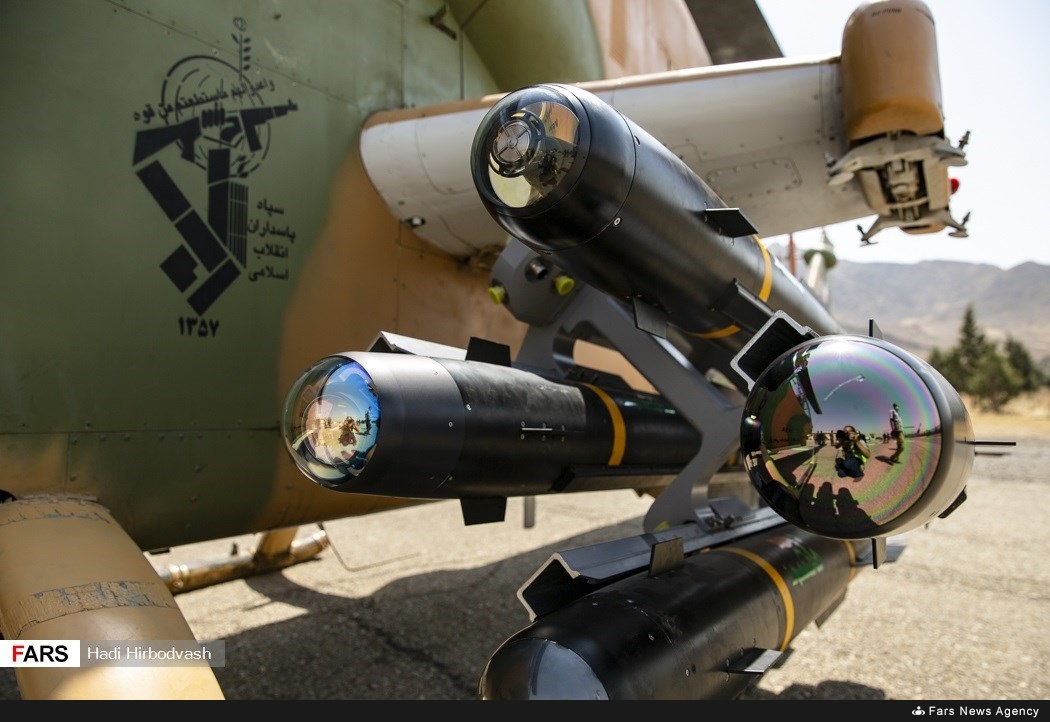 Iranian Revolutionary Guard missile launch
Domestic Reverberations: Political Fallout in the US and Israel
The US Political Landscape
Former President Donald Trump’s recent call with Israeli Prime Minister Benjamin Netanyahu, reported by The Hindu, underscores how the Iran question is being weaponized in domestic politics. Trump’s intervention was framed as a personal effort to “prevent a war that would hurt American interests,” echoing a broader narrative among right‑leaning commentators that the administration must adopt a tougher stance.
Meanwhile, progressive lawmakers in Congress are warning that any strike could trigger a humanitarian crisis and push Iran closer to its nuclear ambitions. The debate has spilled over into primetime cable, where Tucker Carlson’s segment—titled Nukes, Netanyahu, and November—stoked alarmist speculation about a nuclear showdown, further polarizing public opinion.
Israeli Calculus
Israel, already engaged in a shadow war with Iran’s nuclear program, views the Gulf allies’ readiness as a potential force multiplier. Netanyahu’s public statements have oscillated between urging restraint to avoid a regional conflagration and advocating a decisive pre‑emptive strike on Iran’s nuclear facilities. The internal Israeli debate mirrors the broader strategic tension: balance between deterrence and the risk of opening a second front.
Global Ripple Effects: How the World Reacts
Energy Markets in Turmoil
Within hours of the WSJ report, Brent crude futures spiked by 3.5 %, reflecting investor anxiety over possible supply disruptions. Gulf oil exporters, while publicly supporting the strike plan, are simultaneously issuing statements to reassure global markets that their production capacity remains intact.
Diplomatic Maneuvering
European capitals—Berlin, Paris, and London—have called for an emergency UN Security Council meeting, urging restraint and emphasizing the need for a diplomatic solution. Russia, a long‑standing ally of Tehran, warned that any unilateral action could “destabilize the entire region.” China, whose Belt and Road projects crisscross the Gulf, has offered to mediate, positioning itself as a neutral broker.
Public Sentiment Across Borders
In India, the surge in “Iran” searches is mirrored by street protests in Mumbai and Delhi, where diaspora communities demand clarity on how a Gulf conflict could affect Indian workers in the Middle East and the nation’s oil imports. Social media platforms are awash with hashtags like #NoWarInGulf and #EnergyStability, indicating a broad public concern beyond the immediate combatants.
Editorial Analysis & Future Outlook
The current flashpoint is more than a tactical showdown; it is a litmus test for the evolving architecture of Middle Eastern security. If the Gulf allies execute a limited strike and achieve a swift, contained outcome, it could reinforce the credibility of US‑led deterrence and embolden regional powers to take a harder line against Tehran.
Conversely, a misstep—whether a civilian casualty, an Iranian missile barrage on Saudi oil infrastructure, or a retaliatory drone attack on US bases—could ignite a spiral of escalation that draws in global powers and potentially pushes Iran toward a more aggressive nuclear posture. The political theater in Washington, amplified by former presidents and polarizing media voices, risks translating strategic ambiguity into policy volatility.
Looking ahead, three scenarios loom:
- Controlled Containment – A precise, limited strike degrades Iran’s proxy capabilities, leading to a renewed diplomatic push for a nuclear agreement.
- Escalation Spiral – Iran retaliates with missile strikes on Gulf oil terminals, prompting broader coalition responses and a possible regional war.
- Diplomatic De‑escalation – International pressure forces all parties back to the negotiating table, resulting in a renewed, albeit fragile, cease‑fire arrangement.
Stakeholders—from energy traders to diaspora communities—must prepare for heightened volatility. Governments should prioritize clear communication channels, maintain open diplomatic back‑channels, and develop contingency plans for energy supply disruptions. The world is watching how a cluster of Gulf states, backed by US firepower, navigates the razor‑thin line between deterrence and war.
Bottom line: The next few weeks will determine whether the Gulf allies’ readiness translates into a measured, strategic blow or a cascade of unintended consequences that reshapes the geopolitical landscape of the Middle East for years to come.
Original Reporting & Source: Google Trends (India)

Discussion (0)
Sign in to join the discussion.
No comments yet. Be the first to start the conversation!