Umang Sisodia • • 6 min read • 4 views

Indian Railways Strips Jan Shatabdi Trains of Superfast Tag: Slower Speeds and Lower Fares Ahead
Listen to Article
Select a voice and press play
Indian Railways Strips Jan Shatabdi Trains of Superfast Tag: Slower Speeds and Lower Fares Ahead

Key Takeaways

  • From Jan 1, 2024, Jan Shatabdi Expresses will lose their Superfast status, capping average speed at 55 km/h.
  • The downgrade triggers an automatic fare reduction across all affected routes, benefitting price‑sensitive travelers.
  • The move is a response to chronic track‑maintenance bottlenecks and a broader push to rationalise train classifications.
  • While commuters welcome cheaper tickets, logistics firms and time‑critical passengers fear longer journey times.

The Indian railway network, often described as the nation’s lifeline, is undergoing a subtle yet consequential shift. Over the past week, the query "ടിക്കറ്റ്" (Malayalam for “ticket”) has spiked on Google Trends in Kerala and the broader South Indian region. The surge is directly linked to a series of headlines in regional dailies—Mathrubhumi, Thejas News, and Manorama Online—announcing that Jan Shatabdi Express trains will no longer enjoy the coveted Superfast tag.

This editorial unpacks the why, what, and how of the decision, examines its immediate ripple effects on commuters, and projects the long‑term implications for India’s rail strategy.


What Are Jan Shatabdi Trains?

Jan Shatabdi Expresses, introduced in 2002, were conceived as a budget-friendly counterpart to the premium Shatabdi services. They operate on day‑time schedules, offering air‑conditioned and non‑AC seating, and historically carried the Superfast label, meaning they maintained an average speed of ≥55 km/h and attracted a superfast surcharge on tickets.

Key characteristics:

  • Short‑haul focus – typically under 600 km.
  • High‑frequency – multiple runs per day on busy corridors.
  • Affordable comfort – lower fare than full‑fledged Shatabdi but higher than ordinary express trains.

The Decision to Strip the Superfast Tag

Why the Speed Cap?

According to a statement released by the Railway Board (via a press conference in New Delhi), the primary catalyst is infrastructure fatigue. Decades of heavy freight traffic, coupled with limited track‑renewal budgets, have forced the board to re‑classify certain services to align with realistic operational speeds. The official line reads:

"Maintaining a 55 km/h average on the Jan Shatabdi corridors is no longer feasible without compromising safety. We are therefore adjusting the classification to reflect ground realities."

How the Change Is Implemented

  • Speed Reduction: Trains will now run at an average of 55 km/h instead of the previous 65‑70 km/h.
  • Fare Adjustment: The superfast surcharge (typically 10‑15 % of the base fare) is removed, translating to ₹30‑₹70 savings per ticket depending on distance.
  • Timetable Revision: Arrival and departure times are being nudged by 5‑10 minutes per segment to accommodate the slower pace.

Immediate Impact on Passengers
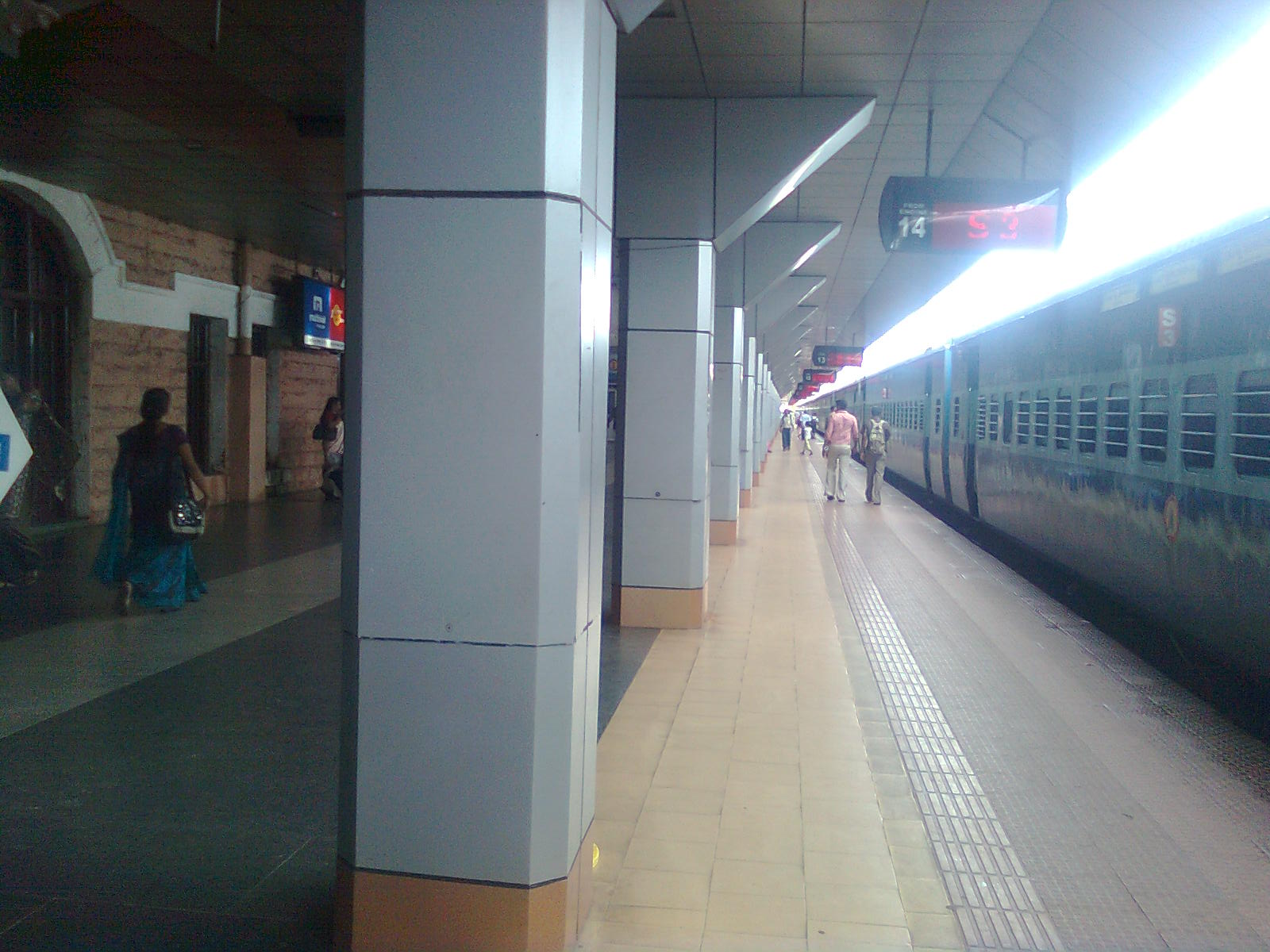
Kerala railway station interior Kerala railway station interior

Positive Reactions

  • Cost‑conscious commuters in Kerala, Tamil Nadu, and Karnataka have welcomed the move, especially daily wage earners who rely on Jan Shatabdi for inter‑city travel.
  • Student groups have organised petitions highlighting the financial relief, citing the ₹500‑₹800 monthly savings for regular travelers.

Concerns and Criticisms

  • Business travelers and logistics partners argue that the extra travel time erodes the competitive edge of rail over road transport on short corridors.
  • Railway unions fear that the downgrade may set a precedent for further de‑classification, potentially affecting the morale of staff who pride themselves on operating premium services.

Real‑World Example

On the Kochi–Thiruvananthapuram Jan Shatabdi, the journey time has been extended from 3 hours 15 minutes to 3 hours 45 minutes. While the fare fell from ₹550 to ₹485, commuters reported a mixed sentiment: “Saving a little money is good, but the extra 30 minutes feels like a penalty during rush hour,” said Anita R, a regular passenger.


Why This Story Is Trending on Google

  1. Ticket‑Related Searches: The term "ടിക്കറ്റ്" spiked as travelers rushed to verify new pricing before booking.
  2. Regional Media Amplification: Malayalam newspapers and TV channels ran extensive coverage, feeding the algorithmic loop on Google Trends.
  3. Social Media Echo: Platforms like Twitter and WhatsApp groups in Kerala shared screenshots of the revised fare tables, further amplifying the query volume.

Background: The Larger Rail Reform Narrative

The Jan Shatabdi downgrade is not an isolated event. It fits into a broader Railway Modernisation Programme announced in 2023, which includes:

  • Dedicated freight corridors to de‑congest passenger routes.
  • Electrification of 70 % of the network by 2027.
  • Dynamic pricing models aimed at balancing demand and capacity.

By re‑classifying slower services, the railways hope to free up slots for faster, high‑priority trains—particularly the upcoming Vande Bharat semi‑high‑speed services.


Government and Stakeholder Responses

  • Minister of Railways Piyush Goyal, in a parliamentary answer, affirmed that the fare cut is a “people‑first” measure, while promising accelerated track‑renewal works.
  • Kerala State Transport Department issued a brief urging commuters to plan ahead and consider alternative timings to avoid peak‑hour crowding.
  • Railway Employees Union (RPF) lodged a formal objection, demanding that the salary‑linked allowances tied to the Superfast designation be preserved.

Future Outlook: What Lies Ahead?

Short‑Term Adjustments

  • Booking Platforms (IRCTC, Paytm) will update fare matrices within 24‑48 hours.
  • Travel agencies are likely to promote alternative routes (e.g., regular Express trains) that may offer comparable travel times at similar price points.

Mid‑Term Scenarios

  1. Re‑classification Cascade: If infrastructure upgrades lag, other mid‑range services (e.g., Intercity Express) might also lose the Superfast tag.
  2. Passenger Behaviour Shift: A segment of travelers may switch to bus services or private car‑pooling, especially on routes where the time penalty becomes significant.
  3. Policy Re‑calibration: The railways could introduce dynamic speed zones—allowing higher speeds on well‑maintained stretches while imposing stricter limits elsewhere.

Editorial Analysis & Future Outlook

The removal of the Superfast status from Jan Shatabdi trains is a symptom of a deeper infrastructural strain that has long plagued Indian Railways. While the immediate fare cut offers tangible relief to price‑sensitive commuters, the underlying issue—track capacity and maintenance backlog—remains unresolved.

In the long run, the decision could act as a catalyst for accelerated capital investment in track renewal and signalling upgrades, especially if passenger dissatisfaction translates into measurable revenue dips. Moreover, the move underscores a strategic pivot: prioritising high‑speed corridors (like Vande Bharat routes) over legacy services that were never designed for today’s traffic density.

For policymakers, the key will be to balance affordability with efficiency. A phased approach—combining fare adjustments with transparent timelines for infrastructure upgrades—could mitigate the risk of eroding public confidence. Meanwhile, travelers should stay agile, leveraging digital platforms to compare real‑time fares and travel times across modes.

Ultimately, the Jan Shatabdi downgrade is a micro‑cosm of the broader challenges facing India’s rail ecosystem: modernising a massive, legacy network while keeping it accessible to the millions who depend on it daily. How the railways navigate this crossroads will shape the future of inter‑city mobility in the subcontinent.


Original Reporting & Source: Google Trends (India)

Discussion (0)

Sign in to join the discussion.

No comments yet. Be the first to start the conversation!

| |

Indian Railways Strips Jan Shatabdi Trains of Superfast Tag: Slower Speeds and Lower Fares Ahead

By Umang Sisodia • 6 min read • 4 views

Key Takeaways

  • From Jan 1, 2024, Jan Shatabdi Expresses will lose their Superfast status, capping average speed at 55 km/h.
  • The downgrade triggers an automatic fare reduction across all affected routes, benefitting price‑sensitive travelers.
  • The move is a response to chronic track‑maintenance bottlenecks and a broader push to rationalise train classifications.
  • While commuters welcome cheaper tickets, logistics firms and time‑critical passengers fear longer journey times.

The Indian railway network, often described as the nation’s lifeline, is undergoing a subtle yet consequential shift. Over the past week, the query "ടിക്കറ്റ്" (Malayalam for “ticket”) has spiked on Google Trends in Kerala and the broader South Indian region. The surge is directly linked to a series of headlines in regional dailies—Mathrubhumi, Thejas News, and Manorama Online—announcing that Jan Shatabdi Express trains will no longer enjoy the coveted Superfast tag.

This editorial unpacks the why, what, and how of the decision, examines its immediate ripple effects on commuters, and projects the long‑term implications for India’s rail strategy.


What Are Jan Shatabdi Trains?

Jan Shatabdi Expresses, introduced in 2002, were conceived as a budget-friendly counterpart to the premium Shatabdi services. They operate on day‑time schedules, offering air‑conditioned and non‑AC seating, and historically carried the Superfast label, meaning they maintained an average speed of ≥55 km/h and attracted a superfast surcharge on tickets.

Key characteristics:

  • Short‑haul focus – typically under 600 km.
  • High‑frequency – multiple runs per day on busy corridors.
  • Affordable comfort – lower fare than full‑fledged Shatabdi but higher than ordinary express trains.

The Decision to Strip the Superfast Tag

Why the Speed Cap?

According to a statement released by the Railway Board (via a press conference in New Delhi), the primary catalyst is infrastructure fatigue. Decades of heavy freight traffic, coupled with limited track‑renewal budgets, have forced the board to re‑classify certain services to align with realistic operational speeds. The official line reads:

"Maintaining a 55 km/h average on the Jan Shatabdi corridors is no longer feasible without compromising safety. We are therefore adjusting the classification to reflect ground realities."

How the Change Is Implemented

  • Speed Reduction: Trains will now run at an average of 55 km/h instead of the previous 65‑70 km/h.
  • Fare Adjustment: The superfast surcharge (typically 10‑15 % of the base fare) is removed, translating to ₹30‑₹70 savings per ticket depending on distance.
  • Timetable Revision: Arrival and departure times are being nudged by 5‑10 minutes per segment to accommodate the slower pace.

Immediate Impact on Passengers

Kerala railway station interior Kerala railway station interior

Positive Reactions

  • Cost‑conscious commuters in Kerala, Tamil Nadu, and Karnataka have welcomed the move, especially daily wage earners who rely on Jan Shatabdi for inter‑city travel.
  • Student groups have organised petitions highlighting the financial relief, citing the ₹500‑₹800 monthly savings for regular travelers.

Concerns and Criticisms

  • Business travelers and logistics partners argue that the extra travel time erodes the competitive edge of rail over road transport on short corridors.
  • Railway unions fear that the downgrade may set a precedent for further de‑classification, potentially affecting the morale of staff who pride themselves on operating premium services.

Real‑World Example

On the Kochi–Thiruvananthapuram Jan Shatabdi, the journey time has been extended from 3 hours 15 minutes to 3 hours 45 minutes. While the fare fell from ₹550 to ₹485, commuters reported a mixed sentiment: “Saving a little money is good, but the extra 30 minutes feels like a penalty during rush hour,” said Anita R, a regular passenger.


Why This Story Is Trending on Google

  1. Ticket‑Related Searches: The term "ടിക്കറ്റ്" spiked as travelers rushed to verify new pricing before booking.
  2. Regional Media Amplification: Malayalam newspapers and TV channels ran extensive coverage, feeding the algorithmic loop on Google Trends.
  3. Social Media Echo: Platforms like Twitter and WhatsApp groups in Kerala shared screenshots of the revised fare tables, further amplifying the query volume.

Background: The Larger Rail Reform Narrative

The Jan Shatabdi downgrade is not an isolated event. It fits into a broader Railway Modernisation Programme announced in 2023, which includes:

  • Dedicated freight corridors to de‑congest passenger routes.
  • Electrification of 70 % of the network by 2027.
  • Dynamic pricing models aimed at balancing demand and capacity.

By re‑classifying slower services, the railways hope to free up slots for faster, high‑priority trains—particularly the upcoming Vande Bharat semi‑high‑speed services.


Government and Stakeholder Responses

  • Minister of Railways Piyush Goyal, in a parliamentary answer, affirmed that the fare cut is a “people‑first” measure, while promising accelerated track‑renewal works.
  • Kerala State Transport Department issued a brief urging commuters to plan ahead and consider alternative timings to avoid peak‑hour crowding.
  • Railway Employees Union (RPF) lodged a formal objection, demanding that the salary‑linked allowances tied to the Superfast designation be preserved.

Future Outlook: What Lies Ahead?

Short‑Term Adjustments

  • Booking Platforms (IRCTC, Paytm) will update fare matrices within 24‑48 hours.
  • Travel agencies are likely to promote alternative routes (e.g., regular Express trains) that may offer comparable travel times at similar price points.

Mid‑Term Scenarios

  1. Re‑classification Cascade: If infrastructure upgrades lag, other mid‑range services (e.g., Intercity Express) might also lose the Superfast tag.
  2. Passenger Behaviour Shift: A segment of travelers may switch to bus services or private car‑pooling, especially on routes where the time penalty becomes significant.
  3. Policy Re‑calibration: The railways could introduce dynamic speed zones—allowing higher speeds on well‑maintained stretches while imposing stricter limits elsewhere.

Editorial Analysis & Future Outlook

The removal of the Superfast status from Jan Shatabdi trains is a symptom of a deeper infrastructural strain that has long plagued Indian Railways. While the immediate fare cut offers tangible relief to price‑sensitive commuters, the underlying issue—track capacity and maintenance backlog—remains unresolved.

In the long run, the decision could act as a catalyst for accelerated capital investment in track renewal and signalling upgrades, especially if passenger dissatisfaction translates into measurable revenue dips. Moreover, the move underscores a strategic pivot: prioritising high‑speed corridors (like Vande Bharat routes) over legacy services that were never designed for today’s traffic density.

For policymakers, the key will be to balance affordability with efficiency. A phased approach—combining fare adjustments with transparent timelines for infrastructure upgrades—could mitigate the risk of eroding public confidence. Meanwhile, travelers should stay agile, leveraging digital platforms to compare real‑time fares and travel times across modes.

Ultimately, the Jan Shatabdi downgrade is a micro‑cosm of the broader challenges facing India’s rail ecosystem: modernising a massive, legacy network while keeping it accessible to the millions who depend on it daily. How the railways navigate this crossroads will shape the future of inter‑city mobility in the subcontinent.


Original Reporting & Source: Google Trends (India)