Umang Sisodia • • 6 min read • 4 views
Cabinet Approves 63% Dearness Allowance & Relief: What It Means for Employees and Pensioners
Key Takeaways
- The Union Cabinet has raised Dearness Allowance (DA) for central government employees to 63%, aligning it with the latest inflation metrics.
- A Dearness Relief (DR) of 63% is also extended to pensioners, translating to an additional ₹900 per month for a ₹30,000 pension.
- The move aims to cushion the impact of soaring food and fuel prices, but fiscal pressures and regional disparities raise questions about sustainability.
- Political parties, economists, and the public are dissecting the announcement, signaling a potential shift in welfare policy ahead of the upcoming election cycle.
Background: Inflation’s Grip on Public Servants
India’s consumer price index (CPI) has been on a relentless upward trajectory since early 2023, driven by volatile food prices, global commodity shocks, and a depreciating rupee. The Retail Inflation Rate hovered around 5.7% in August 2024, well above the Reserve Bank of India’s 4% target. Government employees and pensioners, who receive a fixed salary or pension, are the most vulnerable to such price spikes because their earnings do not automatically adjust with market dynamics.
Historically, the **Dearness Allowance (DA)**—a cost‑of‑living adjustment—has been revised semi‑annually, while Dearness Relief (DR) for pensioners is a more recent instrument introduced to provide a direct cash infusion during high‑inflation periods. The latest Cabinet decision marks the first time that both DA and DR have been set at 63%, a figure that mirrors the current inflation trend and the government’s intent to protect its workforce.
What the Cabinet Decided
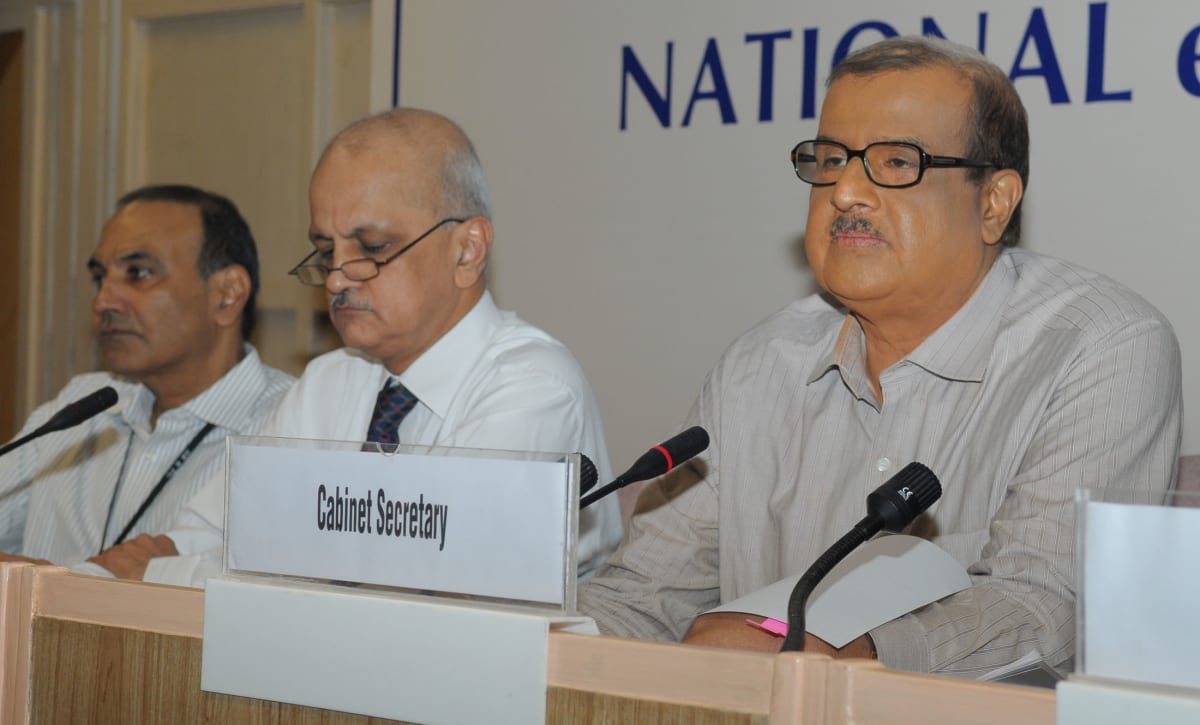
On September 25, 2024, the Union Cabinet, chaired by the Prime Minister, approved the following:
- Dearness Allowance (DA) for all central government employees will be increased from 60% to 63% of the basic pay.
- Dearness Relief (DR) for pensioners will also be set at 63%, delivering an extra ₹900 per month for those drawing a ₹30,000 pension.
- The decision applies immediately and will be reflected in the next payroll cycle for employees and the next pension disbursement for retirees.
The announcement was accompanied by a press note stating that the increase is “necessary to safeguard the purchasing power of our civil servants and senior citizens amidst unprecedented price pressures.”
Impact on Central Government Employees
Salary Structure and Take‑Home Pay
The DA hike adds ₹1,800 per month for an employee with a ₹30,000 basic salary (63% of 30,000 = 18,900 vs. 60% = 18,000). While this seems modest, it is significant for lower‑grade staff whose entire compensation package heavily depends on DA.
Morale and Retention
Employee unions have welcomed the move, citing it as a “timely relief” that could curb attrition in critical departments such as health, education, and public administration. The government’s ability to swiftly adjust DA also signals a responsive welfare stance, potentially improving morale ahead of the 2025 general elections.
Fiscal Implications
According to the Ministry of Finance, the DA increase will cost the exchequer an additional ₹12,000 crore annually. While manageable in the short term, sustained high DA rates could strain the fiscal deficit, especially if inflation remains entrenched.
Impact on Pensioners
Direct Cash Benefit
For a pensioner receiving ₹30,000, the 63% DR translates to an extra ₹900 per month, raising the total to ₹30,900. The Economic Times highlighted that this increment could cover approximately 10% of the average monthly food basket cost for a senior citizen.
Regional Disparities
States like Tamil Nadu have already aligned their own DA to 63% for state employees, but pension relief varies across states. The central DR will standardize the relief at the national level, reducing intra‑country inequities.
Long‑Term Sustainability
Pensioners form a growing demographic, with over 70 million receiving central government pensions. Extending DR at 63% could add ₹6,300 crore to annual outlays. Critics argue that without a parallel increase in pension fund returns, the scheme may become unsustainable.
 central government office interior
Political and Economic Reactions
- Opposition parties have praised the move as a “necessary step” but warned that it could be a political ploy ahead of elections.
- Economists from the Indian Council for Research on International Economic Relations (ICRIER) caution that repeated DA hikes could fuel wage‑price spirals, undermining inflation control efforts.
- The Reserve Bank of India reiterated its commitment to a 4% inflation target, noting that fiscal measures like DA/DR must be balanced with monetary policy.
Public Sentiment and Social Media Buzz
Google Trends data shows a 200+ search spike for “pension” in India within 24 hours of the announcement. Twitter threads and WhatsApp forwards have amplified the news, with many retirees sharing personal relief stories. However, some netizens question whether the ₹900 increase truly offsets the ₹2,500‑₹3,000 rise in essential commodities.
Editorial Analysis & Future Outlook
The Cabinet’s decision to set both Dearness Allowance and Dearness Relief at 63% reflects a dual‑track approach: immediate cash relief for vulnerable groups and a political signal of welfare sensitivity. In the short term, the move will stabilize consumer sentiment among government employees and pensioners, potentially dampening inflation‑driven unrest.
Long‑term considerations revolve around fiscal sustainability. If inflation persists, the government may be compelled to repeat or even raise DA/DR, compounding the fiscal deficit. This could trigger a re‑evaluation of pension reforms, pushing policymakers toward indexation mechanisms that automatically adjust benefits based on CPI, reducing ad‑hoc fiscal shocks.
Moreover, the decision may set a precedent for state governments to harmonize their own DA/DR rates, fostering greater uniformity across the federation. However, regional fiscal health varies, and less‑resourced states might struggle to match the central benchmark, potentially widening inter‑state disparities.
From a political lens, the timing—just months before the 2025 general elections—suggests that welfare measures are being leveraged to solidify the ruling party’s voter base among the sizable government employee and pensioner demographics. Whether this translates into electoral gains will depend on how effectively the relief is perceived against the backdrop of broader economic challenges such as job creation, rural distress, and energy prices.
In conclusion, while the 63% DA and DR provide tangible short‑term relief, they also raise critical questions about fiscal prudence, policy design, and the need for systemic reforms that can sustainably protect the purchasing power of India’s public servants and retirees.
Original Reporting & Source: Google Trends (India)

Discussion (0)
Sign in to join the discussion.
No comments yet. Be the first to start the conversation!