Umang Sisodia • • 6 min read • 4 views
Karnataka Sugarcane Surge to ₹5,500: Farmers’ Fury, Policy Push & What Lies Ahead

Key Takeaways
- Karnataka’s state‑run sugarcane price has jumped to ₹5,500 per quintal, sparking massive farmer protests across the state.
- Growers are demanding a dedicated insurance scheme, guaranteed minimum price, and immediate implementation of pending arrears.
- The state government has announced a special compensation package, but activists warn it may be a stop‑gap without structural reforms.
- Long‑term impacts could reshape Karnataka’s agrarian economy, influencing sugar‑industry investments and food‑price inflation nationwide.
Background of the Sugarcane Crisis
Sugarcane, known locally as ಕಬ್ಬು, has been a staple cash crop for Karnataka’s rural heartland for decades. The crop’s water‑intensive nature, coupled with volatile global sugar prices, has left farmers vulnerable to market swings. Over the past three years, delayed payments from sugar mills, erratic procurement policies, and a series of droughts have eroded farmer incomes, prompting a wave of unrest that culminated in the recent price hike.
According to the Karnataka Department of Agriculture, the average production cost for a quintal of sugarcane stands at roughly ₹4,200. Prior to the latest announcement, the state‑mandated Minimum Support Price (MSP) lingered around ₹4,800, barely covering input costs. The new ceiling of ₹5,500—a 15% increase—was unveiled after weeks of sit‑ins at district headquarters and a coordinated social media campaign under the hashtag #KabbuRally.
"We are not asking for charity; we are demanding a fair price that reflects our labor and risk," said Ramesh Gowda, a third‑generation sugarcane farmer from Mandya, during a live‑streamed protest.
The ₹5,500 Surge: What It Means
The price surge is more than a numeric adjustment; it signals a shift in the power dynamics between farmers, mill owners, and the state. By raising the ceiling, the Karnataka government hopes to:
- Curb the ongoing farmer exodus to urban centers.
- Stabilize the regional sugar supply chain, preventing a shortfall that could affect downstream industries such as ethanol production.
- Pre‑empt a potential political backlash ahead of the upcoming state assembly elections.
However, critics argue that a ceiling without a floor price leaves room for mills to negotiate lower rates, effectively neutralising the intended benefit. Moreover, the ₹5,500 figure still falls short of the ₹6,000–₹6,500 range that many growers claim as the true cost of cultivation when factoring in irrigation, labor, and fertilizer spikes.
Farmer Demands & Protests
Beyond the price hike, the protest movement has crystallised around four core demands:
- Dedicated Crop Insurance: A state‑backed scheme that covers crop loss due to floods, pest attacks, or market failures.
- Guaranteed Minimum Price: A legally enforceable floor price that cannot be undercut by private mills.
- Immediate Settlement of Arrears: Over ₹12,000 crore in pending payments to sugarcane growers across Karnataka.
- Transparent Procurement Process: Real‑time digital tracking of procurement rates to eliminate opacity.
The protests have taken on a pan‑state character, with rallies in Mandya, Mysore, Belagavi, and Bengaluru. Farmers have organized bandhs (shutdowns), blocked major highways, and even staged sit‑ins at the Karnataka State Secretariat. Video footage circulating on social media shows thousands of farmers chanting “**ಬೇಡಿಕೆ! ಬೆಲೆ! ಭರವಸೆ!**” (Demand! Price! Assurance!).
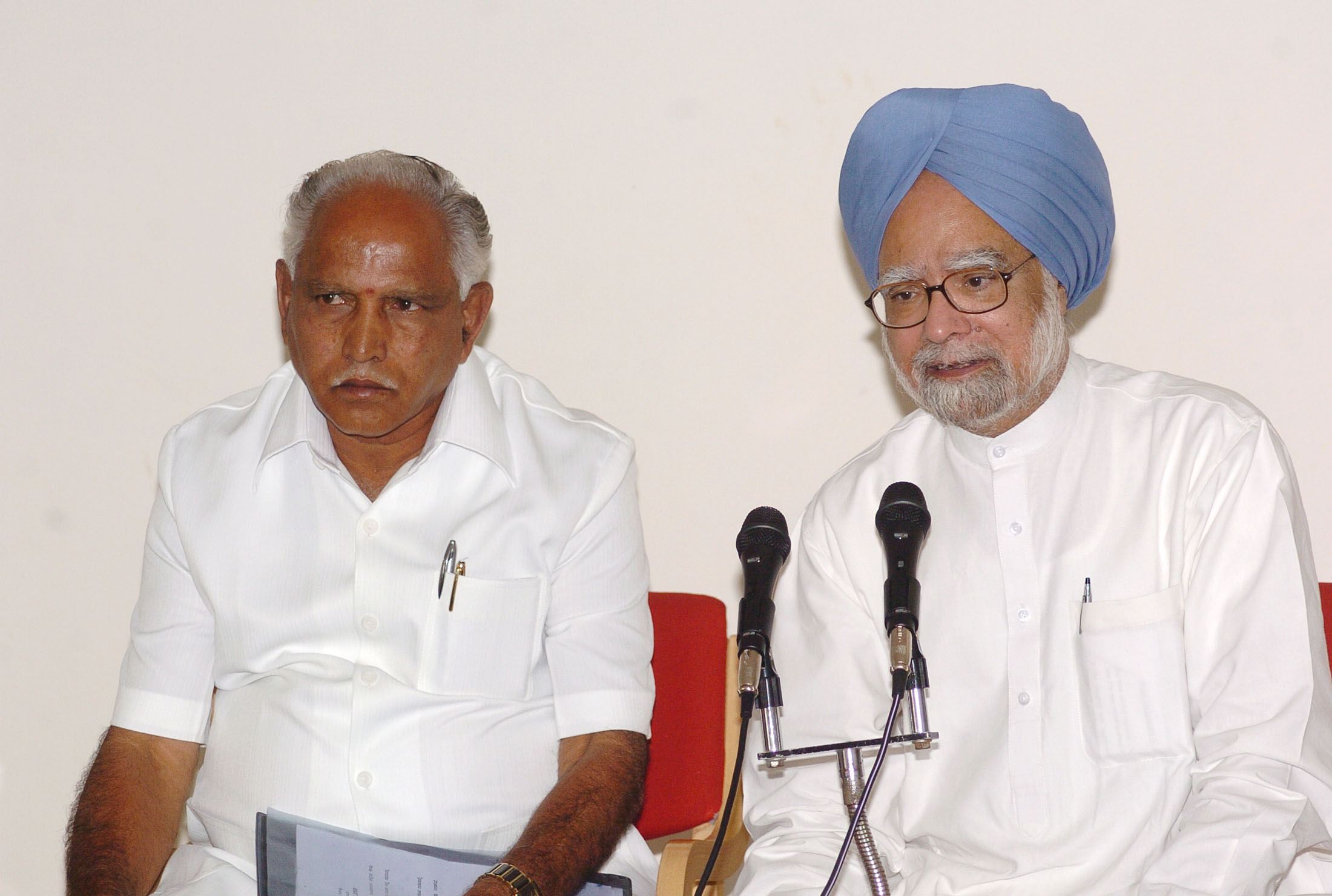 Karnataka government press conference
Government Response & Policy Proposals
In response, the Karnataka government, led by Chief Minister Basavaraj Bommai, convened an emergency meeting with farmer leaders, sugar mill executives, and the state agriculture department. The official communiqué outlined a ₹2,000 crore relief package, which includes:
- Immediate cash assistance of ₹1,200 per quintal for farmers who harvested before the price announcement.
- Launch of a pilot crop‑insurance model in the districts of Mandya, Mysore, and Tumkur, covering up to 80% of loss.
- Formation of a ‘Sugarcane Pricing Committee’ comprising farmer representatives, economists, and mill owners to review MSP quarterly.
While the package has been welcomed as a step forward, farmer unions maintain that it is insufficient without structural reforms. The Karnataka Sugarcane Growers Association (KSGA) has threatened a statewide ‘Bharat bandh’ if the demands are not met within a fortnight.
Economic Implications for Karnataka
The sugarcane sector contributes approximately 12% of Karnataka’s agricultural GDP and provides livelihoods for over 2 million people. A sustained price increase could have several ripple effects:
- Higher Rural Disposable Income: More spending power may boost local markets, potentially revitalising rural retail and services.
- Inflationary Pressure on Sugar‑Based Products: Consumers could see a modest rise in the price of sugar, jaggery, and related confectioneries.
- Investment Shifts: Private sugar mills may accelerate mechanisation to offset higher procurement costs, possibly leading to job displacement in manual harvesting.
- Policy Precedent: Karnataka’s move may prompt neighboring states—Maharashtra and Tamil Nadu—to revisit their own sugarcane pricing frameworks, sparking a regional pricing race.
Editorial Analysis & Future Outlook
The ₹5,500 ceiling marks a pivotal moment in Karnataka’s agrarian politics. It reflects an acknowledgement by the state that the traditional, laissez‑faire approach to crop pricing is untenable in the face of mounting farmer distress and political risk. However, the absence of a binding floor price and the reliance on ad‑hoc relief measures expose the policy’s fragility.
Looking ahead, the sustainability of Karnataka’s sugarcane sector hinges on three strategic pillars:
- Comprehensive Insurance & Risk‑Sharing: A robust, state‑subsidised insurance model will be essential to protect growers from climate volatility and market shocks.
- Transparent, Data‑Driven Procurement: Leveraging digital platforms for real‑time price dissemination can curb exploitation and build trust among stakeholders.
- Diversification & Value‑Addition: Encouraging farmers to adopt inter‑cropping, bio‑energy projects, and organic sugarcane varieties could reduce dependency on a single commodity and open new revenue streams.
If Karnataka can translate the current momentum into legislative reforms, it may set a benchmark for farmer‑centric agriculture policy across India. Conversely, a failure to address the core grievances could reignite protests, destabilise the state’s fiscal health, and erode confidence in the agricultural sector.
The coming weeks will be decisive. Stakeholders—from farmers and mill owners to policymakers and investors—must engage in constructive dialogue to transform this crisis into an opportunity for long‑term resilience.
Sources
- Asianet News Kannada, “ಕಬ್ಬಿಗೆ ₹5500 ಪಟ್ಟು: ರೈತರ ಬಗ್ಗೆ ಭಾಷಣ ಬೇಡ, ದರ ಘೋಷಿಸಿ, ಭುಗಿಲೆದ್ದ ಅನ್ನದಾತರ ಆಕ್ರೋಶ!”
- Kannada Prabha Online, “ಡಿ.ಕೆ ಶಿವಕುಮಾರ್ ರೋಡ್ ಗೆ ಬರಲೇ ಬೇಕು” ಎಂದು ಕೂಗು: ಕಬ್ಬು ಬೆಳೆಗಾರರ ಹೋರಾಟ ತೀವ್ರ; ರಾಜ್ಯಾದ್ಯಂತ ಬಂದ್ಗೆ ಕರೆ; Video
- ಈ ದಿನ.ಕಾಮ್, “ಕಬ್ಬು ಬೆಳೆಗಾರರ ರಕ್ಷಣೆಗೆ ಪ್ರತ್ಯೇಕ ವಿಮೆ, ನ್ಯಾಯಯುತ ಬೆಲೆ ಸೇರಿದಂತೆ 12 ಬೇಡಿಕೆ”
Editorial Analysis & Future Outlook
The sugarcane price surge is a symptom of deeper systemic gaps—from inadequate risk mitigation to opaque market mechanisms. While the immediate price hike offers temporary relief, the real test lies in institutionalising fair, transparent, and resilient frameworks that can weather future shocks. Karnataka’s response will likely influence national discourse on agricultural pricing reforms, making this a watershed moment for India’s broader food security agenda.
Original Reporting & Source: Google Trends (India)

Discussion (0)
Sign in to join the discussion.
No comments yet. Be the first to start the conversation!