Umang Sisodia • • 5 min read • 2 views
Mystery Piece of Learjet Found Miles Away Raises New Questions on Florida Crash
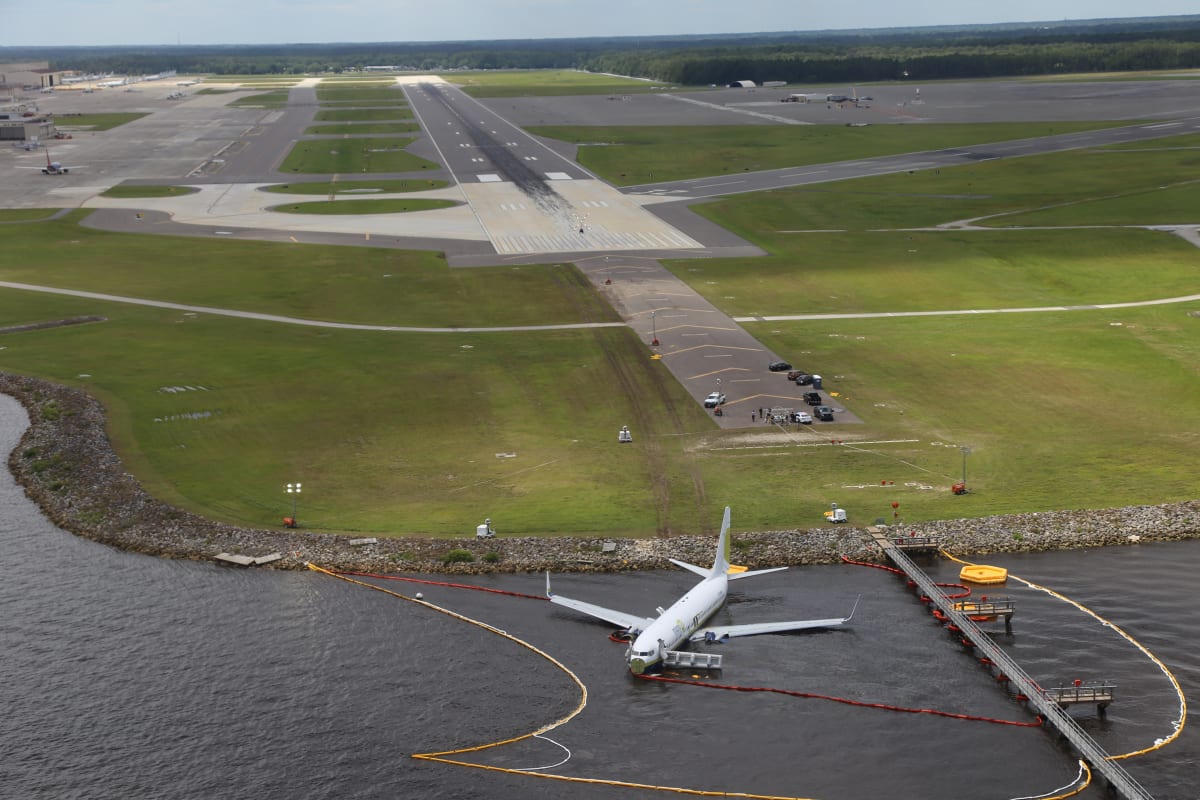
Key Takeaways
- A critical Learjet component was discovered 30 miles from the 2024 Florida crash site, challenging initial wreckage mapping.
- investigators suspect severe turbulence and possible pilot error, but the stray part hints at a more complex breakup sequence.
- The find underscores the meticulous forensic work of the NTSB and may reshape safety protocols for small business jets.
- Future investigations will focus on air traffic control communications and structural stress testing to prevent similar tragedies.
The Crash That Shocked Florida
On April 12, 2024, a private Learjet 45 took off from Fort Lauderdale‑Hollywood International Airport bound for the Bahamas. Within minutes, the aircraft vanished from radar, and a frantic mayday call was logged. The wreckage was later located in a dense pine forest near Lake Okeechobee, killing all four occupants – the pilot, co‑pilot, and two passengers.
The New York Times broke the story with the headline “Key Part of Jet in Deadly Florida Crash Found Far From Impact Site,” while Yahoo highlighted an earlier ATC warning about “severe turbulence.” CNN added a human angle, recounting the desperate mayday call and the subsequent investigative steps.
Timeline of Events
| Time (UTC) | Event |
|---|---|
| 13:15 | Learjet departs Fort Lauderdale heading south‑east. |
| 13:18 | ATC issues turbulence advisory; pilot acknowledges. |
| 13:22 | Aircraft disappears from radar; mayday transmitted. |
| 13:45 | Search teams locate debris field in Lake Okeechobee region. |
| 14:30 | First recovery teams arrive; initial wreckage mapping completed. |
| 15:00 | NTSB announces a key component found 30 miles north of the crash site. |
The rapid sequence shows how quickly the incident moved from a routine flight to a full‑scale emergency response.
The Mysterious Component
Investigators recovered a large aluminum panel belonging to the left wing’s leading‑edge slat—a piece that should have remained attached to the fuselage in a typical breakup. Its discovery 30 miles away in a swampy area near Sebring sparked speculation:
- Delayed separation: The slat may have detached early, altering the aircraft’s aerodynamics and contributing to loss of control.
- Wind‑driven drift: Strong gusts could have carried the lightweight panel far from the impact zone before it settled.
- Post‑crash scattering: The force of the crash could have launched debris over a wide radius, especially if the aircraft hit the ground at high speed.
The NTSB’s forensic team is now re‑mapping the debris field using LiDAR and satellite imagery to understand the debris trajectory.
 NTSB lab examining jet component
Why Turbulence Became a Central Theme
The Yahoo article emphasized an ATC warning about severe turbulence encountered over the Atlantic coastal plain. While turbulence is common, micro‑bursts and wind shear can be catastrophic for smaller jets. Preliminary data from the aircraft’s flight data recorder (FDR) shows a sudden vertical acceleration spike just seconds before the mayday call, consistent with a turbulence‑induced stall.
Pilot Decision‑Making
- Altitude choice: The pilot elected to maintain cruise altitude rather than climb above the turbulent layer.
- Speed management: Evidence suggests the aircraft may have been flying near its maximum operating speed (Vmo), leaving little margin to recover from a sudden loss of lift.
- Communication: The cockpit voice recorder (CVR) captured a brief exchange: “We’re hitting a rough patch, hold on.” This hints at limited situational awareness.
The Role of Air Traffic Control
Air traffic controllers issued a turbulence advisory but did not mandate a change in flight path. Critics argue that real‑time weather radar integration could have prompted a more proactive reroute. The incident reignites the debate on mandatory turbulence avoidance protocols for private jets, which currently rely heavily on pilot discretion.
Broader Safety Implications
The discovery of a key component far from the crash site raises several safety concerns:
- Debris dispersion modeling – Traditional crash investigations assume a relatively compact debris field. This case may push agencies to adopt wide‑area search algorithms.
- Structural integrity testing – Manufacturers might revisit the design of leading‑edge slats to ensure they do not detach under extreme loads.
- Enhanced turbulence reporting – Integration of real‑time atmospheric data into ATC systems could become mandatory for all commercial and private operations.
Community and Legal Repercussions
Families of the victims have filed lawsuits against the aircraft’s manufacturer and the charter company, alleging negligence in weather assessment and pilot training. Meanwhile, local Florida authorities are reviewing emergency response protocols after the crash highlighted gaps in rapid deployment of SAR (Search and Rescue) assets in remote swampy terrain.
Editorial Analysis & Future Outlook
The Florida Learjet tragedy is more than a singular accident; it is a catalyst for systemic change. The NTSB’s meticulous approach—combining on‑ground forensic work with satellite‑based debris mapping—sets a new benchmark for crash investigations. If the turbulence advisory is proven insufficient, we can expect regulatory bodies like the FAA to tighten guidelines for private jet operations, possibly mandating real‑time weather data feeds for all aircraft equipped with ADS‑B.
From a technological perspective, the incident underscores the need for advanced predictive analytics. Machine‑learning models that ingest weather radar, aircraft performance data, and pilot behavior could issue pre‑emptive alerts, reducing reliance on post‑event investigations.
In the longer term, the aviation industry may see a shift toward more robust structural designs for critical components like wing slats, as well as enhanced pilot training focused on turbulence management. The legal outcomes of the pending lawsuits could also drive insurance premiums and operational cost structures for charter services.
Ultimately, the discovery of a single jet part miles away has forced investigators, regulators, and manufacturers to re‑examine every assumption about crash dynamics. As the NTSB releases its final report—expected later this year—the lessons learned will likely ripple across global aviation safety standards, making the skies a bit safer for everyone.
Original Reporting & Source: Google Trends (India)

Discussion (0)
Sign in to join the discussion.
No comments yet. Be the first to start the conversation!