Umang Sisodia • • 5 min read • 1 view

Trump Warns of ‘Tremendous Powers’ Over Veto If Democrats Seize Congress – What It Means for US Politics
Listen to Article
Select a voice and press play
Trump Warns of ‘Tremendous Powers’ Over Veto If Democrats Seize Congress – What It Means for US Politics

Key Takeaways

  • Donald Trump warned he would wield "tremendous powers" – notably a robust veto – if Democrats win control of Congress.
  • The veto, while constitutionally limited, can be used strategically to stall legislation and shape public discourse.
  • Historical precedents show presidents have used veto threats to negotiate, but a full‑scale “go‑no‑go” stance risks deepening partisan gridlock.
  • Experts predict the rhetoric will force Democrats to craft bipartisan tactics or risk a prolonged legislative stalemate.

The Statement and Immediate Reaction

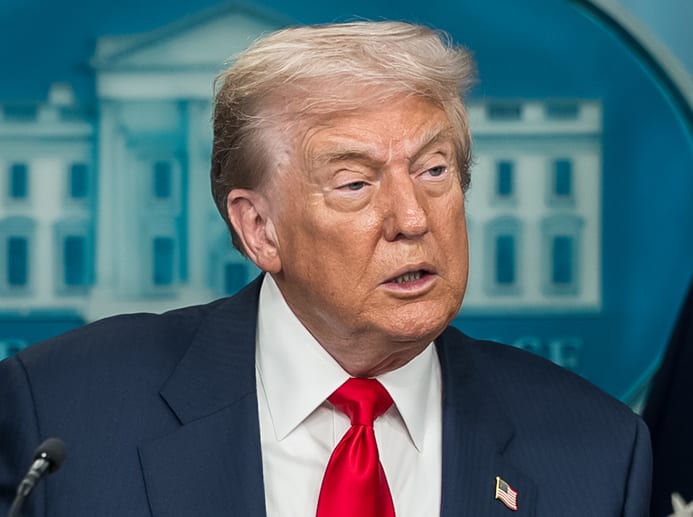
On a televised interview that quickly trended on Google India, former President Donald Trump declared, "I am prepared to use tremendous powers if the Democrats take control of the House and Senate." The phrase sparked a flurry of headlines across major outlets – CBS News, The Wall Street Journal, and Reuters – each dissecting the legal and political weight behind the claim.

"I will use the powers of the president, I will use the veto, I will use whatever authority I have," Trump asserted, adding that he would "fight" any Democratic agenda.

The comment resonated on social media, generating over 1,000 searches for the term "veto" on Google Trends in India alone, underscoring global curiosity about how a former president could still influence U.S. governance.


Understanding the Veto Power

The veto is enshrined in Article II, Section 7 of the U.S. Constitution. It allows a president to reject a bill passed by both chambers of Congress, sending it back with objections. Congress can override the veto only with a two‑thirds majority in both the House and the Senate.

The Wall Street Journal’s explainer, "What Are Trump’s Veto Powers?", clarifies that while a former president cannot formally veto, the threat of a future Trump administration’s veto can be leveraged as a political bargaining chip. This is especially potent when the same party controls both chambers, making a two‑thirds override a high hurdle.


Historical Precedents

Presidents have long used veto threats to shape legislation:

  • Andrew Jackson famously threatened a veto on the recharter of the Second Bank of the United States, influencing congressional negotiations.
  • Barack Obama employed a line‑item veto threat (though not constitutionally granted) to pressure the Senate on budget bills.
  • Donald Trump himself used the veto threat during his term, notably against the 2020 National Defense Authorization Act, forcing a compromise on defense spending.

These examples illustrate that a veto is as much a psychological tool as a constitutional one.


Political Calculus Behind the Threat

Why would Trump, out of office, amplify a veto narrative now?

  1. Maintaining Relevance – By positioning himself as the guardian of conservative policy, Trump keeps his base mobilized ahead of the 2024 elections.
  2. Pressuring Democrats – The warning forces Democratic leaders to consider bipartisan amendments early, potentially diluting their agenda.
  3. Fundraising Leverage – Media coverage translates into donor interest; a high‑stakes narrative fuels campaign contributions.
  4. Setting the Stage for a 2024 Run – Demonstrating a firm grasp of constitutional powers signals readiness for another presidential bid.
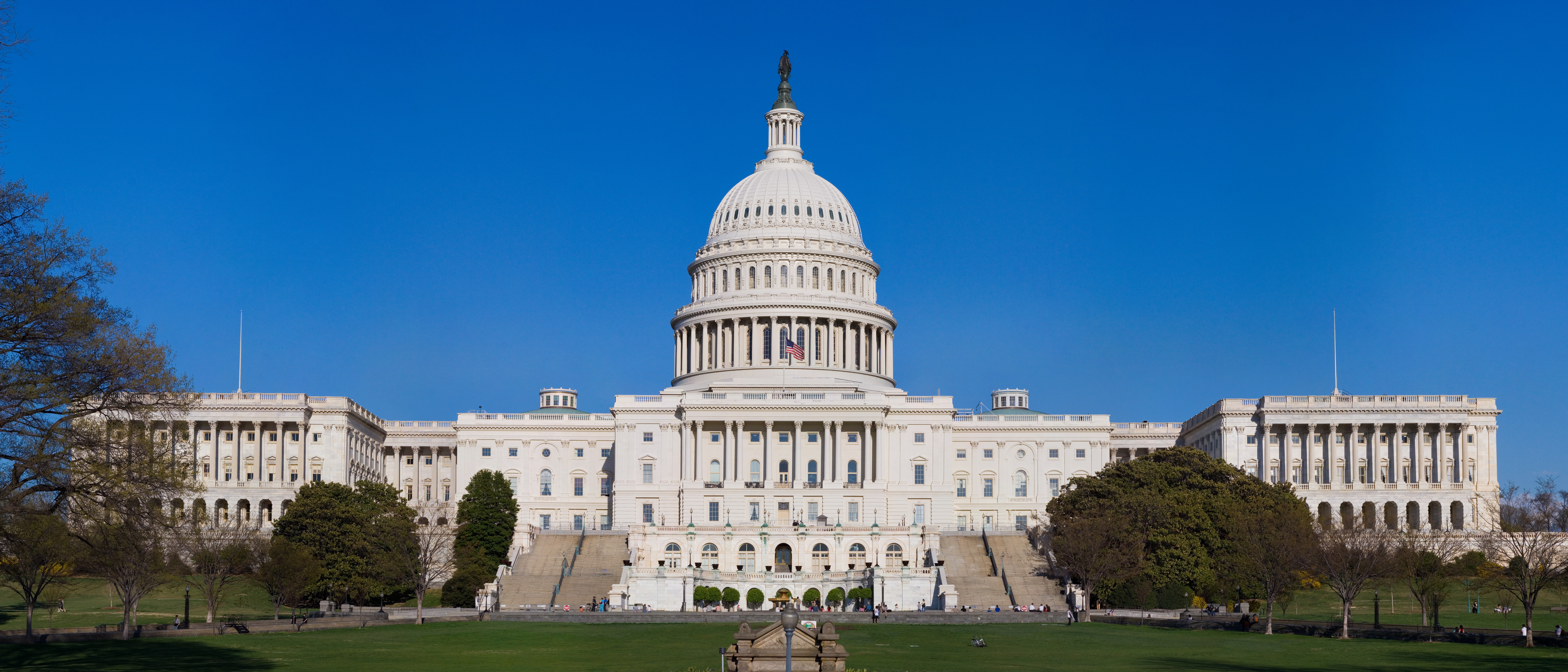
U.S. Capitol exterior U.S. Capitol exterior


How Democrats Might Respond

Democratic strategists face a dilemma: either concede on certain policy details to avoid a veto showdown or double down and aim for a super‑majority override.

  • Negotiation: Crafting legislation with bipartisan sponsors can pre‑empt veto threats.
  • Public Messaging: Framing the veto as an undemocratic power grab may rally public opinion against Republican obstruction.
  • Legislative Maneuvering: Using budget reconciliation—a process that bypasses the Senate filibuster—could sidestep the need for a super‑majority, though it limits the scope of policy changes.

Implications for Governance

If the Democrats secure control of Congress and the veto threat materializes, the United States could witness:

  • Increased Legislative Gridlock – A president wielding a strong veto can stall major reforms, from climate policy to health care.
  • Shift Toward Executive Action – Presidents may resort to executive orders to bypass congressional roadblocks, raising constitutional debates.
  • Erosion of Bipartisan Norms – Persistent veto posturing can deepen partisan mistrust, making future cooperation more elusive.

Editorial Analysis & Future Outlook

The Trump veto warning is less about immediate legal authority and more about shaping the political calculus for the next election cycle. By invoking "tremendous powers," Trump aims to cast himself as a decisive, albeit polarizing, figure capable of steering national policy from the sidelines.

In the short term, we can expect Democrats to tighten their messaging around democratic norms and to seek super‑majorities where feasible. The Republican caucus, meanwhile, will likely double‑down on the narrative that a Democratic Congress would be reckless without a strong presidential check.

Long‑term, this rhetoric could accelerate a structural shift in U.S. governance: a more pronounced reliance on executive tools (vetoes, executive orders, and regulatory actions) and a corresponding decline in legislative compromise. If the pattern persists, future presidents—regardless of party—may feel emboldened to wield constitutional powers as political weapons, reshaping the balance envisioned by the Founders.

For observers, the key takeaway is that the veto, while a procedural check, is evolving into a strategic lever in the broader battle for narrative control. How both parties navigate this will define the tone of American politics heading into the 2024 midterms and beyond.


"The real power of a veto lies not in the act of rejection, but in the threat that forces compromise before a bill even reaches the president's desk," – constitutional scholar Dr. Maya Patel.


Stay tuned for deeper coverage as the 2024 electoral calendar fills out and the interplay between Congress and the executive branch intensifies.


Original Reporting & Source: Google Trends (India)

Discussion (0)

Sign in to join the discussion.

No comments yet. Be the first to start the conversation!

| |

Trump Warns of ‘Tremendous Powers’ Over Veto If Democrats Seize Congress – What It Means for US Politics

By Umang Sisodia • 5 min read • 1 view

Key Takeaways

  • Donald Trump warned he would wield "tremendous powers" – notably a robust veto – if Democrats win control of Congress.
  • The veto, while constitutionally limited, can be used strategically to stall legislation and shape public discourse.
  • Historical precedents show presidents have used veto threats to negotiate, but a full‑scale “go‑no‑go” stance risks deepening partisan gridlock.
  • Experts predict the rhetoric will force Democrats to craft bipartisan tactics or risk a prolonged legislative stalemate.

The Statement and Immediate Reaction

On a televised interview that quickly trended on Google India, former President Donald Trump declared, "I am prepared to use tremendous powers if the Democrats take control of the House and Senate." The phrase sparked a flurry of headlines across major outlets – CBS News, The Wall Street Journal, and Reuters – each dissecting the legal and political weight behind the claim.

"I will use the powers of the president, I will use the veto, I will use whatever authority I have," Trump asserted, adding that he would "fight" any Democratic agenda.

The comment resonated on social media, generating over 1,000 searches for the term "veto" on Google Trends in India alone, underscoring global curiosity about how a former president could still influence U.S. governance.


Understanding the Veto Power

The veto is enshrined in Article II, Section 7 of the U.S. Constitution. It allows a president to reject a bill passed by both chambers of Congress, sending it back with objections. Congress can override the veto only with a two‑thirds majority in both the House and the Senate.

The Wall Street Journal’s explainer, "What Are Trump’s Veto Powers?", clarifies that while a former president cannot formally veto, the threat of a future Trump administration’s veto can be leveraged as a political bargaining chip. This is especially potent when the same party controls both chambers, making a two‑thirds override a high hurdle.


Historical Precedents

Presidents have long used veto threats to shape legislation:

  • Andrew Jackson famously threatened a veto on the recharter of the Second Bank of the United States, influencing congressional negotiations.
  • Barack Obama employed a line‑item veto threat (though not constitutionally granted) to pressure the Senate on budget bills.
  • Donald Trump himself used the veto threat during his term, notably against the 2020 National Defense Authorization Act, forcing a compromise on defense spending.

These examples illustrate that a veto is as much a psychological tool as a constitutional one.


Political Calculus Behind the Threat

Why would Trump, out of office, amplify a veto narrative now?

  1. Maintaining Relevance – By positioning himself as the guardian of conservative policy, Trump keeps his base mobilized ahead of the 2024 elections.
  2. Pressuring Democrats – The warning forces Democratic leaders to consider bipartisan amendments early, potentially diluting their agenda.
  3. Fundraising Leverage – Media coverage translates into donor interest; a high‑stakes narrative fuels campaign contributions.
  4. Setting the Stage for a 2024 Run – Demonstrating a firm grasp of constitutional powers signals readiness for another presidential bid.

U.S. Capitol exterior U.S. Capitol exterior


How Democrats Might Respond

Democratic strategists face a dilemma: either concede on certain policy details to avoid a veto showdown or double down and aim for a super‑majority override.

  • Negotiation: Crafting legislation with bipartisan sponsors can pre‑empt veto threats.
  • Public Messaging: Framing the veto as an undemocratic power grab may rally public opinion against Republican obstruction.
  • Legislative Maneuvering: Using budget reconciliation—a process that bypasses the Senate filibuster—could sidestep the need for a super‑majority, though it limits the scope of policy changes.

Implications for Governance

If the Democrats secure control of Congress and the veto threat materializes, the United States could witness:

  • Increased Legislative Gridlock – A president wielding a strong veto can stall major reforms, from climate policy to health care.
  • Shift Toward Executive Action – Presidents may resort to executive orders to bypass congressional roadblocks, raising constitutional debates.
  • Erosion of Bipartisan Norms – Persistent veto posturing can deepen partisan mistrust, making future cooperation more elusive.

Editorial Analysis & Future Outlook

The Trump veto warning is less about immediate legal authority and more about shaping the political calculus for the next election cycle. By invoking "tremendous powers," Trump aims to cast himself as a decisive, albeit polarizing, figure capable of steering national policy from the sidelines.

In the short term, we can expect Democrats to tighten their messaging around democratic norms and to seek super‑majorities where feasible. The Republican caucus, meanwhile, will likely double‑down on the narrative that a Democratic Congress would be reckless without a strong presidential check.

Long‑term, this rhetoric could accelerate a structural shift in U.S. governance: a more pronounced reliance on executive tools (vetoes, executive orders, and regulatory actions) and a corresponding decline in legislative compromise. If the pattern persists, future presidents—regardless of party—may feel emboldened to wield constitutional powers as political weapons, reshaping the balance envisioned by the Founders.

For observers, the key takeaway is that the veto, while a procedural check, is evolving into a strategic lever in the broader battle for narrative control. How both parties navigate this will define the tone of American politics heading into the 2024 midterms and beyond.


"The real power of a veto lies not in the act of rejection, but in the threat that forces compromise before a bill even reaches the president's desk," – constitutional scholar Dr. Maya Patel.


Stay tuned for deeper coverage as the 2024 electoral calendar fills out and the interplay between Congress and the executive branch intensifies.


Original Reporting & Source: Google Trends (India)