Umang Sisodia • • 4 min read • 1 view

എല്‍നിനോ ആഘാതം: ജലശേഖരം കുറയുന്നു, കരുതലില്‍ ആശങ്ക – ഇന്ത്യയുടെ കാലാവസ്ഥാ ഭാവി

Listen to Article
Select a voice and press play
എല്‍നിനോ ആഘാതം: ജലശേഖരം കുറയുന്നു, കരുതലില്‍ ആശങ്ക – ഇന്ത്യയുടെ കാലാവസ്ഥാ ഭാവി

Key Takeaways

  • എല്‍നിനോ 2024‑25 മോണ്‍സൂണ്‍ സീസണില്‍ ശക്തമായ പ്രഭാവം ചെലുത്തി, കേരളം ഉള്‍പ്പെടെയുള്ള ദക്ഷിണഭാഗങ്ങളില്‍ ജലശേഖര നില കുറയുന്നു.
  • വിതരണ‑കൃഷി‑വാസസ്ഥല മേഖലയില്‍ ജലക്കുറവ്, ചൂട്‑വെള്ളപ്പൊക്കം, വിളവു നഷ്ടം തുടങ്ങിയവയുടെ ഭീഷണി ഉയരുന്നു.
  • മന്ത്രിസഭയുടെ അടിയന്തര നടപടികള്‍: ജലസംരക്ഷണ പദ്ധതികള്‍, സ്മാര്‍ട്ട്‑വാട്ടര്‍ മാനേജ്മെന്റ്, പ്രാദേശിക സമൂഹങ്ങളുമായി കൂട്ടായ്മ.
  • ഭാവി പ്രവചനം: വിദഗ്ധര്‍ 2027‑ല്‍ അടുത്ത എല്‍നിനോ ചക്രം വരാന്‍ സാധ്യതയെന്ന് സൂചിപ്പിക്കുന്നു, അതിനാല്‍ ദീര്‍ഘകാലം ദൃഢമായ കാലാവസ്ഥ‑നയതന്ത്രം ആവശ്യമാണ്.

What is El Niño?

El Niño is a periodic warming of the central and eastern Pacific Ocean that disrupts global weather patterns. While the phenomenon originates thousands of kilometres away from the Indian sub‑continent, its teleconnections influence the Indian monsoon, the lifeline of agriculture and water supply. Historically, strong El Niño events have led to below‑normal rainfall in South‑India, delayed monsoon onset, and heightened temperature extremes.

Current Situation in India (2024‑25)

Since June 2024, satellite data and the Indian Meteorological Department (IMD) have flagged an “El Niño‑like” sea‑surface temperature anomaly exceeding +1.5 °C. The anomaly aligns with a “La Niña‑like” cooling in the western Pacific, creating a classic dipole that suppresses the southwest monsoon over the Indian peninsula. Kerala, Tamil Nadu, and Karnataka have reported a 10‑15 % drop in rainfall compared to the 1991‑2020 climatology.

Impact on Water Reservoirs

The most tangible manifestation of the El Niño impact is the rapid depletion of major reservoirs:

  • Idukki Dam – currently at 38 % of its live storage, down from 62 % a month ago.
  • Mullaperiyar – hovering around 41 %, prompting concerns over downstream irrigation.
  • Kallanai (Grand Anicut) – reduced inflow threatens the Cauvery delta’s water security.

These numbers are not merely statistics; they translate into water rationing, reduced hydro‑electric generation, and heightened competition among agricultural, industrial, and domestic users.

Agricultural & Socio‑economic Concerns

Kerala’s paddy fields, traditionally dependent on monsoon-fed tanks, are experiencing soil moisture deficits. Small‑holder farmers in Alappuzha and Kottayam report delayed sowing and lower germination rates. The horticulture sector, especially spice plantations (pepper, cardamom), faces flower drop due to erratic temperature spikes.

Beyond crops, the tourism sector—a major revenue earner—feels the pinch as water‑intensive attractions (houseboats, backwater cruises) grapple with lower water levels. Public health officials also warn of heat‑related illnesses and vector‑borne disease proliferation in stagnant water bodies.

Government Response

The Kerala State Disaster Management Authority (KSDMA) has rolled out a four‑point action plan:

  1. Emergency water tankers to supply drought‑prone villages.
  2. Accelerated rain‑water harvesting projects in schools and community centres.
  3. Smart irrigation incentives for farmers adopting drip and sprinkler systems.
  4. Public awareness campaigns on water conservation, leveraging Malayalam media outlets.

The central government, through the Ministry of Water Resources, has also approved ₹2,500 crore for inter‑state water‑sharing projects and the “National Drought Resilience Fund”.
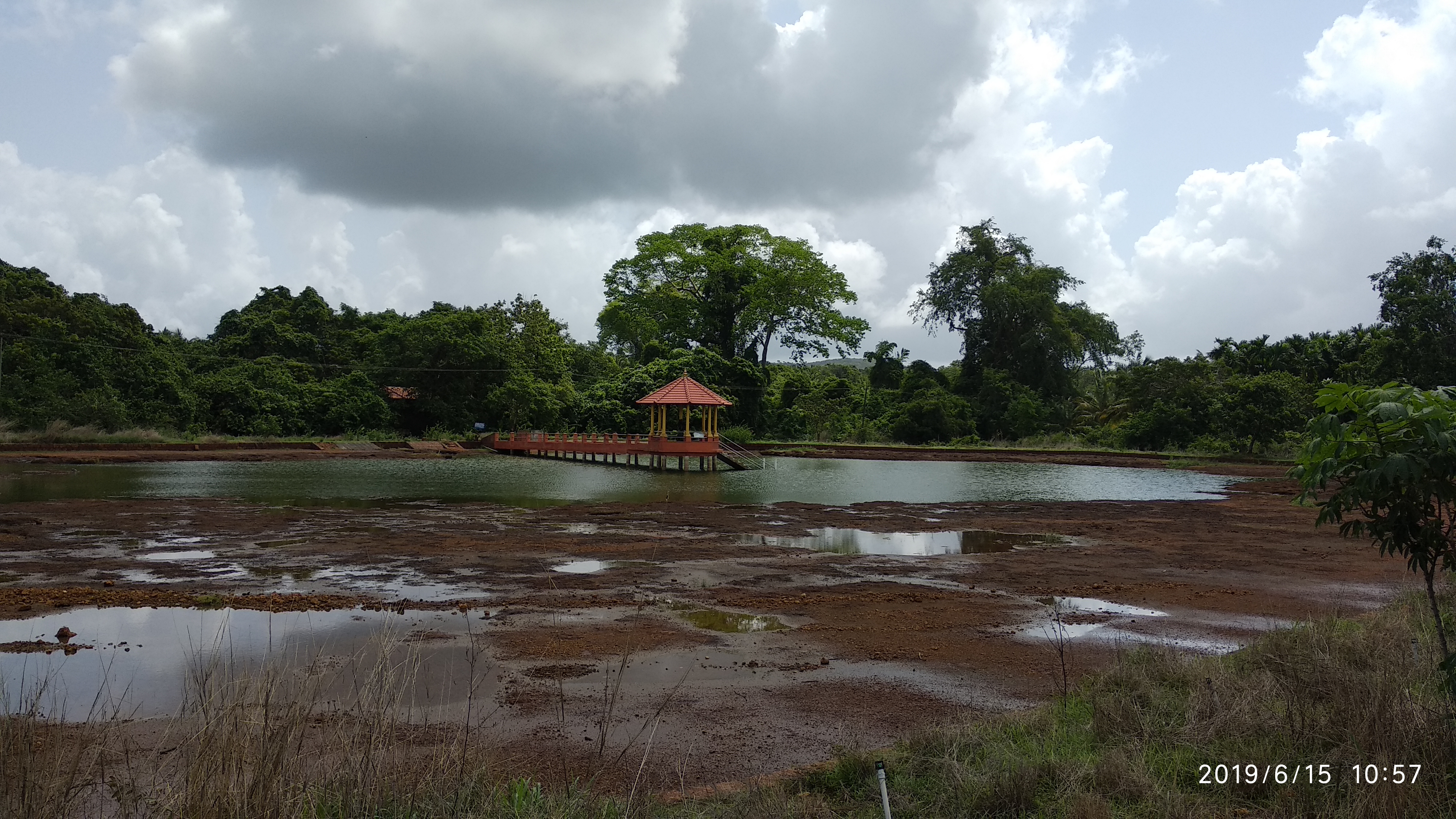
Kerala low reservoir water level Kerala low reservoir water level

Expert Opinions

“El Niño’s influence on the Indian monsoon is now more predictable thanks to improved ocean‑atmosphere models, but the regional heterogeneity remains a challenge,” says Dr. Radhika Menon, climatologist at the Indian Institute of Tropical Meteorology.

“Kerala must diversify its water portfolio—augmenting surface storage with groundwater recharge and micro‑catchments—to buffer against future El Niño shocks,” adds Prof. Arun Vijayan, environmental economist at the University of Kerala.

Editorial Analysis & Future Outlook

The current El Niño episode underscores a paradigm shift in India’s climate resilience narrative. While the immediate focus is on water scarcity mitigation, the longer‑term agenda must address systemic vulnerabilities:

  • Integrated Water Resources Management (IWRM) that bridges state boundaries and sectors.
  • Climate‑smart agriculture that reduces water footprints while maintaining yields.
  • Investment in climate data infrastructure to provide real‑time, hyper‑local forecasts for farmers and policymakers.

Looking ahead, climate models suggest a 30‑40 % probability of another strong El Niño by 2027. If unaddressed, repeated cycles could erode Kerala’s agricultural base, exacerbate urban‑rural water conflicts, and strain the state’s fiscal capacity. Conversely, proactive adaptation—anchored in science, community participation, and robust policy—can transform this challenge into an opportunity for sustainable water governance.

In sum, the El Niño signal is a clarion call: water security is no longer a seasonal concern; it is a year‑round strategic imperative for India’s growth and well‑being.


Original Reporting & Source: Google Trends (India)

Discussion (0)

Sign in to join the discussion.

No comments yet. Be the first to start the conversation!

| |

എല്‍നിനോ ആഘാതം: ജലശേഖരം കുറയുന്നു, കരുതലില്‍ ആശങ്ക – ഇന്ത്യയുടെ കാലാവസ്ഥാ ഭാവി

By Umang Sisodia • 4 min read • 1 view

Key Takeaways

  • എല്‍നിനോ 2024‑25 മോണ്‍സൂണ്‍ സീസണില്‍ ശക്തമായ പ്രഭാവം ചെലുത്തി, കേരളം ഉള്‍പ്പെടെയുള്ള ദക്ഷിണഭാഗങ്ങളില്‍ ജലശേഖര നില കുറയുന്നു.
  • വിതരണ‑കൃഷി‑വാസസ്ഥല മേഖലയില്‍ ജലക്കുറവ്, ചൂട്‑വെള്ളപ്പൊക്കം, വിളവു നഷ്ടം തുടങ്ങിയവയുടെ ഭീഷണി ഉയരുന്നു.
  • മന്ത്രിസഭയുടെ അടിയന്തര നടപടികള്‍: ജലസംരക്ഷണ പദ്ധതികള്‍, സ്മാര്‍ട്ട്‑വാട്ടര്‍ മാനേജ്മെന്റ്, പ്രാദേശിക സമൂഹങ്ങളുമായി കൂട്ടായ്മ.
  • ഭാവി പ്രവചനം: വിദഗ്ധര്‍ 2027‑ല്‍ അടുത്ത എല്‍നിനോ ചക്രം വരാന്‍ സാധ്യതയെന്ന് സൂചിപ്പിക്കുന്നു, അതിനാല്‍ ദീര്‍ഘകാലം ദൃഢമായ കാലാവസ്ഥ‑നയതന്ത്രം ആവശ്യമാണ്.

What is El Niño?

El Niño is a periodic warming of the central and eastern Pacific Ocean that disrupts global weather patterns. While the phenomenon originates thousands of kilometres away from the Indian sub‑continent, its teleconnections influence the Indian monsoon, the lifeline of agriculture and water supply. Historically, strong El Niño events have led to below‑normal rainfall in South‑India, delayed monsoon onset, and heightened temperature extremes.

Current Situation in India (2024‑25)

Since June 2024, satellite data and the Indian Meteorological Department (IMD) have flagged an “El Niño‑like” sea‑surface temperature anomaly exceeding +1.5 °C. The anomaly aligns with a “La Niña‑like” cooling in the western Pacific, creating a classic dipole that suppresses the southwest monsoon over the Indian peninsula. Kerala, Tamil Nadu, and Karnataka have reported a 10‑15 % drop in rainfall compared to the 1991‑2020 climatology.

Impact on Water Reservoirs

The most tangible manifestation of the El Niño impact is the rapid depletion of major reservoirs:

  • Idukki Dam – currently at 38 % of its live storage, down from 62 % a month ago.
  • Mullaperiyar – hovering around 41 %, prompting concerns over downstream irrigation.
  • Kallanai (Grand Anicut) – reduced inflow threatens the Cauvery delta’s water security.

These numbers are not merely statistics; they translate into water rationing, reduced hydro‑electric generation, and heightened competition among agricultural, industrial, and domestic users.

Agricultural & Socio‑economic Concerns

Kerala’s paddy fields, traditionally dependent on monsoon-fed tanks, are experiencing soil moisture deficits. Small‑holder farmers in Alappuzha and Kottayam report delayed sowing and lower germination rates. The horticulture sector, especially spice plantations (pepper, cardamom), faces flower drop due to erratic temperature spikes.

Beyond crops, the tourism sector—a major revenue earner—feels the pinch as water‑intensive attractions (houseboats, backwater cruises) grapple with lower water levels. Public health officials also warn of heat‑related illnesses and vector‑borne disease proliferation in stagnant water bodies.

Government Response

The Kerala State Disaster Management Authority (KSDMA) has rolled out a four‑point action plan:

  1. Emergency water tankers to supply drought‑prone villages.
  2. Accelerated rain‑water harvesting projects in schools and community centres.
  3. Smart irrigation incentives for farmers adopting drip and sprinkler systems.
  4. Public awareness campaigns on water conservation, leveraging Malayalam media outlets.

The central government, through the Ministry of Water Resources, has also approved ₹2,500 crore for inter‑state water‑sharing projects and the “National Drought Resilience Fund”.

Kerala low reservoir water level Kerala low reservoir water level

Expert Opinions

“El Niño’s influence on the Indian monsoon is now more predictable thanks to improved ocean‑atmosphere models, but the regional heterogeneity remains a challenge,” says Dr. Radhika Menon, climatologist at the Indian Institute of Tropical Meteorology.

“Kerala must diversify its water portfolio—augmenting surface storage with groundwater recharge and micro‑catchments—to buffer against future El Niño shocks,” adds Prof. Arun Vijayan, environmental economist at the University of Kerala.

Editorial Analysis & Future Outlook

The current El Niño episode underscores a paradigm shift in India’s climate resilience narrative. While the immediate focus is on water scarcity mitigation, the longer‑term agenda must address systemic vulnerabilities:

  • Integrated Water Resources Management (IWRM) that bridges state boundaries and sectors.
  • Climate‑smart agriculture that reduces water footprints while maintaining yields.
  • Investment in climate data infrastructure to provide real‑time, hyper‑local forecasts for farmers and policymakers.

Looking ahead, climate models suggest a 30‑40 % probability of another strong El Niño by 2027. If unaddressed, repeated cycles could erode Kerala’s agricultural base, exacerbate urban‑rural water conflicts, and strain the state’s fiscal capacity. Conversely, proactive adaptation—anchored in science, community participation, and robust policy—can transform this challenge into an opportunity for sustainable water governance.

In sum, the El Niño signal is a clarion call: water security is no longer a seasonal concern; it is a year‑round strategic imperative for India’s growth and well‑being.


Original Reporting & Source: Google Trends (India)