Umang Sisodia • • 5 min read • 1 view
Burning Eyes, Headaches & the Air We Breathe: Unmasking India's Pollution Crisis
Key Takeaways
- Poor air quality directly irritates eyes, triggers chronic headaches and hampers cognitive performance.
- Seasonal smog spikes in North India are now a year‑round health emergency, reflected in Google Trends and hospital ER data.
- Policy gaps, lax enforcement and uneven monitoring amplify exposure, especially for vulnerable groups.
- Immediate personal safeguards and long‑term systemic reforms are essential to curb the health toll.
The Surge of Air Pollution Alerts
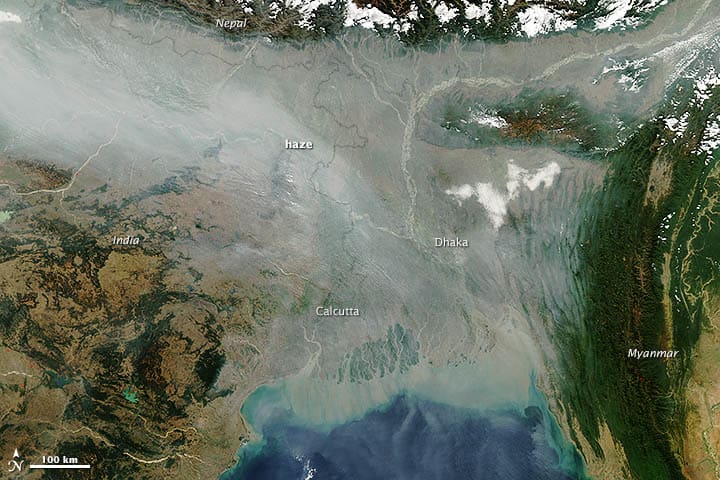
India Today’s recent coverage on “Burning eyes and constant headaches? What poor air quality is doing to your body” has ignited a wave of searches on Google Trends. Keywords like air pollution symptoms and Delhi smog health have surged by over 250% in the past month alone. The spike correlates with a series of high‑resolution satellite images showing dense aerosol layers hovering over the Indo‑Gangetic Plain, combined with a record‑breaking number of Delhi’s Air Quality Index (AQI) readings crossing the ‘severe’ threshold.
The media narrative is now shifting from abstract PM2.5 numbers to visceral, body‑centric symptoms. Readers are not just asking how polluted the air is, but what it feels like on a daily basis—burning eyes, relentless headaches, and a foggy mind. This human‑focused framing fuels engagement, prompting newsrooms to deepen their coverage with expert interviews, real‑time data dashboards, and citizen‑generated photos of hazy skylines.
How Poor Air Quality Affects the Human Body
Burning Eyes and Irritation
The ocular surface is highly sensitive to particulate matter, especially fine particles (PM2.5) and gaseous pollutants like nitrogen dioxide (NO₂) and ozone (O₃). When these irritants settle on the tear film, they disrupt the lipid layer, causing rapid evaporation and a burning sensation. Studies from the Indian Council of Medical Research (ICMR) reveal a 30% increase in clinic visits for conjunctivitis during peak smog weeks.
Headaches and Cognitive Fog
Neuro‑inflammation triggered by inhaled pollutants can constrict cerebral blood vessels, leading to reduced oxygen delivery and the classic “headache” symptom. Moreover, ultrafine particles can cross the blood‑brain barrier, aggravating neuro‑degenerative pathways. A recent cohort study of Delhi schoolchildren reported a 22% rise in self‑reported headaches and a measurable dip in attention‑span scores during high‑AQI days.
Long‑Term Respiratory Risks
While acute symptoms dominate headlines, the chronic burden is staggering. Prolonged exposure to PM2.5 is linked to chronic obstructive pulmonary disease (COPD), lung cancer, and cardiovascular events. The World Health Organization estimates that air pollution accounts for 1.2 million premature deaths in India each year—more than road traffic accidents combined.
Regional Hotspots and Real‑Time Data
The National Air Quality Monitoring Programme (NAMP) now operates over 600 stations, yet coverage remains patchy in peri‑urban belts. Delhi, Gurgaon, Kanpur, and Patna consistently rank among the worst, with AQI values often exceeding 300 (hazardous). Satellite‑derived Aerosol Optical Depth (AOD) maps show that winter inversions trap pollutants close to the ground, amplifying exposure.
Public Health Responses and Policy Gaps
The Central Pollution Control Board (CPCB) has introduced the National Clean Air Programme (NCAP) with a target to cut PM2.5 levels by 20‑30% by 2025. However, enforcement lags behind. Illegal brick kilns, diesel generators, and unchecked construction dust continue to spew pollutants. Moreover, real‑time public alerts are fragmented—some cities push SMS warnings, while others rely on social media rumors.
Expert Opinions and Community Voices
“Air quality is no longer a peripheral issue; it’s a primary determinant of public health,” says Dr. Anjali Mehta, pulmonologist at AIIMS. “When patients present with burning eyes and headaches, we now screen for ambient PM exposure as a routine part of diagnosis.”
Grassroots NGOs like Clean Air India are mobilising citizen scientists to deploy low‑cost sensors, creating hyper‑local pollution maps that empower neighborhoods to demand accountability.
Preventive Measures for Citizens
- Wear Certified Masks: N95 or KN95 masks filter out >95% of PM2.5 particles.
- Indoor Air Purifiers: HEPA filters can reduce indoor particulate concentration by up to 80%.
- Hydration & Eye Drops: Keeping the ocular surface moist mitigates irritation.
- Smart Scheduling: Limit outdoor activities during peak AQI hours (usually 9 am–12 pm and 5 pm–8 pm).
- Advocate for Green Spaces: Urban trees act as natural filters, absorbing pollutants and providing shade.
Editorial Analysis & Future Outlook
The convergence of health‑centric storytelling, real‑time data visualisation, and citizen activism marks a pivotal moment in India’s fight against air pollution. As Google Discover algorithms prioritize content that blends immediacy with actionable insights, articles that translate abstract AQI numbers into lived experiences will dominate search feeds.
Long‑term, the health burden from polluted air will pressure policymakers to tighten emission standards, expand monitoring infrastructure, and invest in renewable energy transitions. The rise of low‑cost sensor networks could democratise data, forcing local governments to act swiftly under public scrutiny.
However, without systemic changes—such as phasing out coal‑dependent power plants, enforcing strict vehicular emission norms, and incentivising clean‑fuel alternatives—the cycle of burning eyes and chronic headaches will persist. The editorial imperative is clear: blend rigorous scientific exposition with human stories, and equip readers with both knowledge and practical tools. Only then can the narrative shift from reactive symptom management to proactive environmental stewardship.
Original Reporting & Source: India Today Top Stories

Discussion (0)
Sign in to join the discussion.
No comments yet. Be the first to start the conversation!