Umang Sisodia • • 5 min read • 1 view
Karol Bagh Blaze: Delhi’s Night‑Long Fire Battle and Its Ripple Effects
Key Takeaways
- A massive fire ripped through a mobile‑shop hub in Karol Bagh’s Gaffar Market, keeping firefighters on the scene for over 12 hours.
- The incident surged on Google Trends, reflecting heightened public anxiety about urban safety and emergency response.
- Preliminary investigations point to a battery‑related explosion, reigniting debates on regulatory oversight of street‑level electronics stalls.
- Long‑term reforms—stricter fire‑safety audits, better crowd‑control protocols, and upgraded firefighting equipment—are now being demanded by citizens and policymakers alike.
The Incident Unfolds
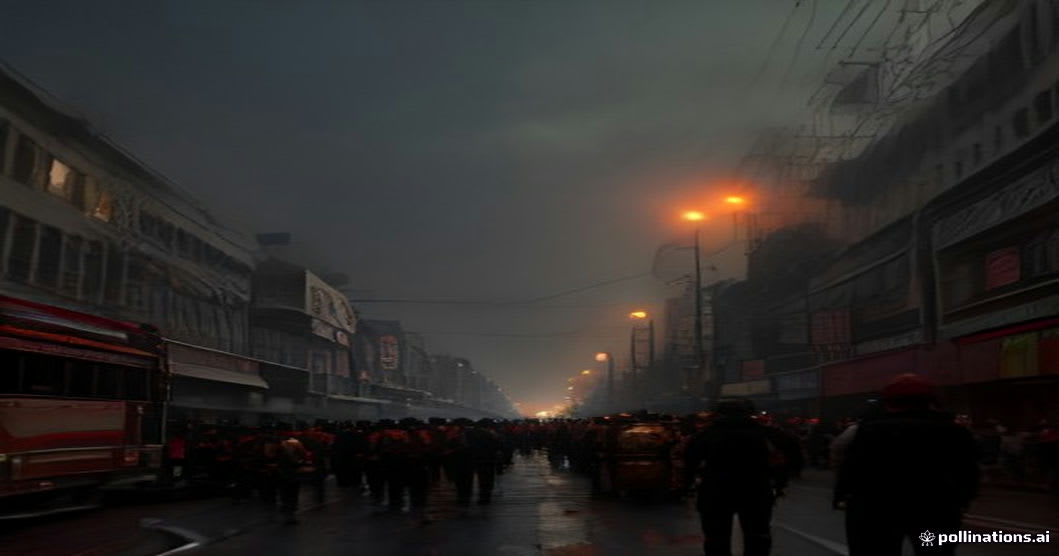
On the night of October 30, 2024, a thick plume of black smoke rose from Gaffar Market, a bustling lane in Delhi’s Karol Bagh known for its mobile‑phone and accessory stalls. Witnesses reported a sudden burst of flame around 9:30 PM, which quickly engulfed a four‑storey structure housing dozens of shops. The fire spread vertically, leaping from the ground floor to the rooftop, fueled by stacked electronic devices, batteries, and combustible market debris.
Local residents dialed emergency services, and 22 fire‑tenders from the nearest fire station rushed to the scene within minutes. The Delhi Fire Service (DFS) deployed four fire engines, two hydraulic platforms, and a high‑capacity water tanker. The blaze raged for over twelve hours, with firefighters battling intermittent flare‑ups well into the early hours of the next day.
"The intensity of the fire was unlike anything we have encountered in a market setting. Multiple explosions were heard, likely from lithium‑ion batteries," – Deputy Chief Fire Officer, Delhi Fire Service.
Why the Fire Ignited
While the exact cause is still under forensic review, early police statements and eyewitness accounts converge on a battery‑related explosion. Gaffar Market is a hub for counterfeit and unregulated electronic accessories, many of which rely on cheap, poorly‑manufactured lithium‑ion cells. Improper storage, inadequate ventilation, and overloaded power strips create a perfect tinderbox.
Historically, Delhi’s informal market zones have struggled with lack of fire‑safety compliance:
- No fire‑extinguishers in many stalls.
- Blocked emergency exits due to overcrowded aisles.
- Absence of regular safety audits, despite municipal mandates.
These systemic gaps magnify the risk of a single spark turning into a conflagration that endangers lives, property, and the surrounding residential blocks.
Response on the Ground
The fire‑fighting effort was a coordinated ballet of manpower and machinery. Fire crews first tackled the ground‑floor blaze, establishing a water curtain to prevent the flames from leaping to the upper floors. Simultaneously, hydraulic platforms were positioned to reach the rooftop, where the fire had breached the roof‑top canopy.
Residents were evacuated in an orderly manner, though panic briefly erupted when the fire’s roar echoed through the narrow lanes. Volunteers—shop owners and nearby commuters—helped guide people to safety, showcasing community resilience.
Public Reaction & Media Surge
Within hours, the incident trended on Google Trends India, registering over 500 searches for “करोल बाग”. Social media platforms lit up with videos of the inferno, prompting a wave of #KarolBaghFire hashtags. The public’s outcry centered on two themes:
- Safety Negligence – Calls for stricter enforcement of fire‑code regulations in informal markets.
- Accountability – Demands for the municipal corporation to audit all market stalls for hazardous storage practices.
Major news outlets—Jagran, AajTak, and Dainik Bhaskar—ran front‑page stories, each emphasizing the human element: shop owners who lost livelihoods, families displaced, and the tireless efforts of the 22 fire‑tenders who braved the night.
Safety Gaps & Policy Debate
The Karol Bagh fire has reignited a policy debate that has been simmering since the 2019 Delhi market fire in Chandni Chowk. Experts argue that the city’s fire‑safety infrastructure is outdated:
- Fire‑hydrant density in market zones is below the national standard.
- Fire‑engine access routes are often obstructed by illegal parking and narrow alleys.
- Regulatory enforcement is hampered by fragmented jurisdiction between the Delhi Municipal Corporation (DMC) and the Delhi Fire Service.
Urban planners propose a “Fire‑Safe Market” blueprint, which includes:
- Mandatory annual safety certifications for every stall.
- Installation of automatic fire‑suppression systems in high‑risk zones.
- Creation of dedicated emergency lanes for rapid fire‑engine access.
Lessons from Past Fires
Delhi’s history is punctuated by tragic fires—the 2012 Delhi fire in a garment factory and the 2015 fire at a Delhi university hostel—each exposing glaring lapses in safety enforcement. The Karol Bagh incident underscores three recurring lessons:
- Regulation Must Meet Reality – Formal codes need to adapt to the informal market’s spatial constraints.
- Community Involvement – Training shop owners in basic fire‑extinguishing techniques can buy crucial minutes.
- Technology Integration – Deploying IoT‑enabled smoke detectors and real‑time monitoring can provide early warnings before flames become uncontrollable.
Editorial Analysis & Future Outlook
The Karol Bagh blaze is more than a night‑time spectacle; it is a symptom of Delhi’s broader urban safety challenges. As the city’s population swells and informal economies expand, the friction between economic vibrancy and public safety will intensify.
In the short term, we can expect:
- Immediate investigations by the Delhi Police and the Fire Service, likely resulting in fines for non‑compliant stalls.
- Pressurized hearings in the Delhi Legislative Assembly, where opposition parties will demand a fast‑track safety audit of all market districts.
Long‑term, the incident could catalyze systemic reforms:
- Digital licensing platforms that integrate safety checklists before stall permits are issued.
- Public‑private partnerships to fund modern fire‑fighting equipment, such as high‑capacity foam trucks capable of suppressing battery fires.
- Community‑driven safety committees, empowering local shopkeepers to monitor compliance and report violations.
If policymakers seize this moment, Delhi can transform a tragic event into a turning point for safer, more resilient urban marketplaces. Failure to act, however, risks repeating a cycle of preventable disasters that erode public trust and jeopardize livelihoods.
The night the flames illuminated Karol Bagh’s narrow lanes, they also lit a fire under the city’s safety agenda—a fire that, if harnessed wisely, could forge a more secure future for Delhi’s bustling markets.
Original Reporting & Source: Google Trends (India)

Discussion (0)
Sign in to join the discussion.
No comments yet. Be the first to start the conversation!