Umang Sisodia • • 6 min read • 1 view

Aadhaar No Longer Mandatory for Government Schemes: EPIC Number Link Rule Takes Center Stage

Listen to Article
Select a voice and press play
Aadhaar No Longer Mandatory for Government Schemes: EPIC Number Link Rule Takes Center Stage

Key Takeaways

  • The central government is poised to replace Aadhaar with the EPIC (Elector’s Photo Identity Card) number for disbursing welfare funds.
  • The move aims to address privacy concerns while ensuring that beneficiaries receive payments without bureaucratic bottlenecks.
  • Political parties across the spectrum have voiced both support and skepticism, citing implementation challenges and data‑security implications.
  • Long‑term, the shift could reshape India’s digital identity ecosystem and set a precedent for other citizen‑centric services.

The Policy Shift Explained

In a surprising turn of events, the Ministry of Electronics and Information Technology (MeitY) has hinted at a policy overhaul that would decouple Aadhaar from the financial routing of central and state welfare schemes. Instead, the EPIC (Elector’s Photo Identity Card) number—the unique identifier found on voter ID cards—will become the primary linkage for direct benefit transfers (DBTs).

The proposal, first reported by Vijay Karnataka and corroborated by Kannada Prabha Online, suggests that the EPIC‑Number‑Link rule could be rolled out as early as the next fiscal quarter. The government argues that the change will:

  1. Alleviate privacy concerns surrounding the mandatory collection of biometric data.
  2. Reduce duplication where beneficiaries hold multiple Aadhaar cards or have mismatched details.
  3. Accelerate fund flow by leveraging the already‑digitized electoral rolls maintained by the Election Commission of India (ECI).

Background: Aadhaar’s Controversial Journey

Since its inception in 2009, Aadhaar has been touted as the world’s largest biometric database, underpinning a myriad of services—from bank account opening to mobile SIM activation. However, the Supreme Court’s 2018 judgment imposed strict limits on its usage, mandating that Aadhaar could not be a pre‑condition for welfare benefits.

Despite the court’s directives, several state governments continued to link scheme disbursements to Aadhaar under the premise of eliminating fraud. Critics argued that this created a de‑facto mandatory requirement, sparking legal challenges and public protests.

Under the proposed framework:

  • Eligibility Verification: Beneficiaries will be cross‑checked against the ECI’s voter database, which already includes name, address, and photo verification.
  • Bank Account Mapping: The EPIC number will be linked to the beneficiary’s bank account through the National Payments Corporation of India (NPCI), mirroring the existing Aadhaar‑based DBT model.
  • Data Security: The ECI assures that voter data will be encrypted and access‑controlled, limiting exposure to only authorized welfare departments.
  • Grace Period: A six‑month transition window will allow citizens to update their EPIC details, after which Aadhaar linkage will be phased out for new enrollments.

Political Reactions Across the Spectrum

The announcement has ignited a political firestorm:

"The move is a double‑edged sword. While it addresses privacy, it also shifts the burden to an already strained electoral roll system," – Senior BJP leader, Karnataka.

  • BJP: While the ruling party acknowledges the privacy rationale, it cautions against potential data duplication and urges a phased rollout.
  • Congress: The opposition lauds the step as a victory for civil liberties, demanding immediate implementation and robust grievance redressal mechanisms.
  • Regional Parties: Parties like JD(S) and AAP emphasize the need for state‑level consultations, fearing that a top‑down approach could overlook local nuances.

Implications for Beneficiaries

For the millions of Indians who rely on schemes such as PM‑Kisan, Old Age Pension, and National Health Protection, the shift could mean:

  • Simplified Documentation: Voter ID cards are widely accepted and often already possessed, reducing the need for additional paperwork.
  • Potential Exclusion Risks: Citizens not enrolled in the electoral roll, such as migrants, homeless, or first‑time voters, may face temporary hurdles.
  • Enhanced Transparency: The EPIC system could allow real‑time tracking of disbursements via the National Voter Service Portal, increasing accountability.
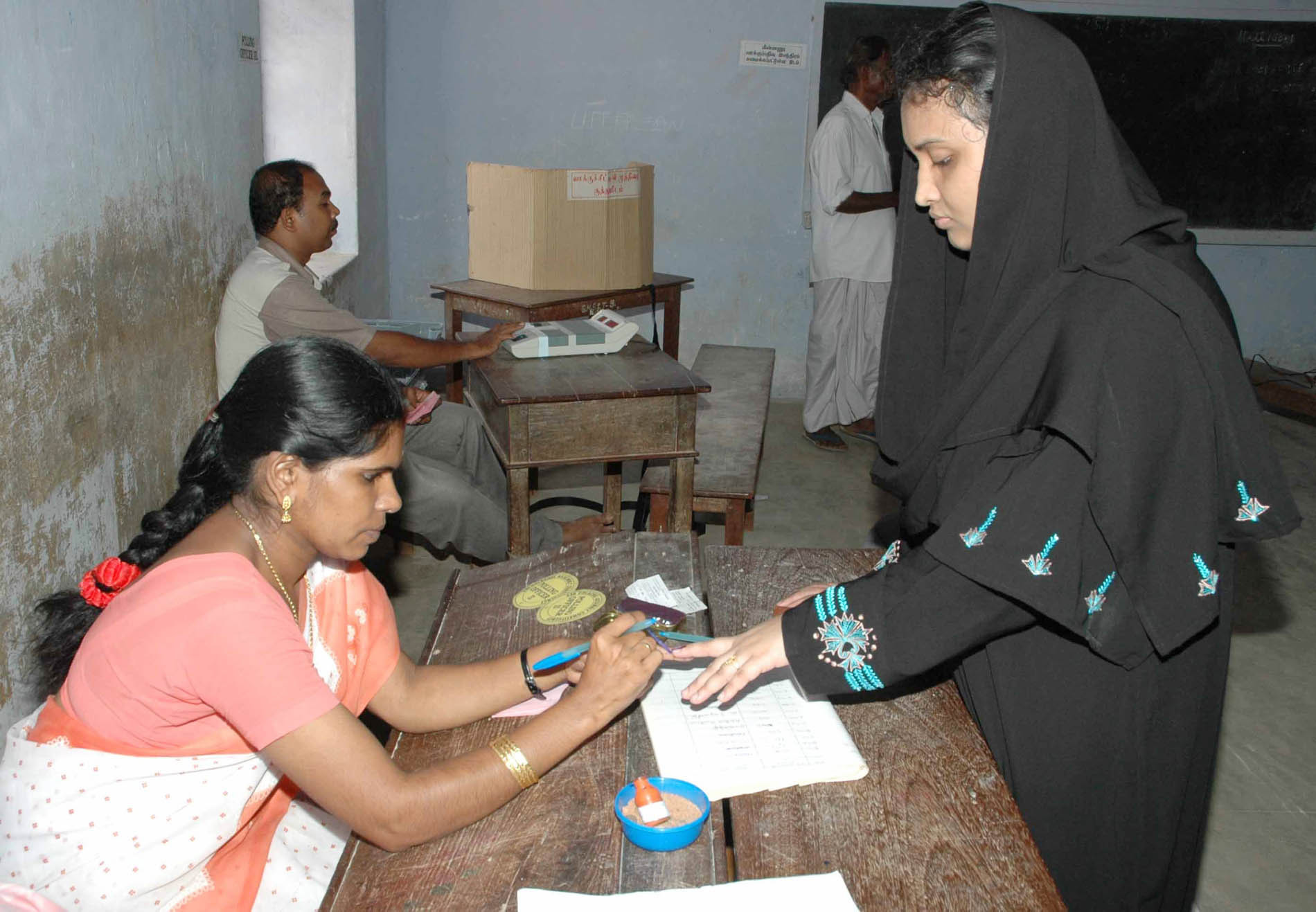
beneficiary receiving direct benefit transfer beneficiary receiving direct benefit transfer

Transitioning from Aadhaar to EPIC is not merely a technical tweak; it raises several legal and operational questions:

  1. Data Privacy Laws: While Aadhaar falls under the Aadhaar Act, EPIC data is governed by the Representation of the People Act. Aligning these frameworks will require legislative amendments.
  2. Inter‑Agency Coordination: Seamless data exchange between the Election Commission, Ministry of Finance, and NPCI demands robust API standards and service‑level agreements.
  3. Judicial Scrutiny: Given the Supreme Court’s past interventions, any perceived coercion could invite fresh petitions, especially if exclusion incidents surface.

Comparison with Past Aadhaar Mandates

Aspect Aadhaar‑Based DBT EPIC‑Based DBT
Primary Identifier 12‑digit biometric UID 10‑digit voter ID number
Legal Backing Aadhaar Act 2016 Representation of the People Act 1950
Privacy Concerns High (biometrics, central database) Moderate (photo ID, less sensitive data)
Coverage Near‑universal (≈1.3 bn) Approx. 900 million voters (as of 2024)
Implementation Complexity Requires biometric capture, OTP verification Relies on existing voter roll, simpler verification

The table underscores that while EPIC may lower privacy risks, it also narrows the beneficiary pool due to the current voter roll size.

Future Outlook: From Pilot to Nationwide Rollout

Several pilot projects are already underway in Karnataka and Tamil Nadu, where state welfare departments are testing EPIC‑linked payouts for Mahatma Gandhi National Rural Employment Guarantee Scheme (MGNREGS). Early indicators suggest:

  • Faster transaction times (average 2‑day turnaround vs. 5‑day with Aadhaar).
  • Reduced rejection rates (from 12% to 5% in pilot districts).
  • Positive beneficiary feedback, with many citing ease of use.

If these pilots prove successful, the central government could institutionalize EPIC linkage across flagship schemes like Pradhan Mantri Jan Dhan Yojana (PMJDY) and Ayushman Bharat.


Editorial Analysis & Future Outlook

The proposed EPIC‑Number‑Link rule marks a critical inflection point in India’s digital identity narrative. By shifting the onus from a biometric-centric model to a photo‑ID based framework, the government acknowledges the growing public fatigue over Aadhaar’s pervasive reach.

Strategically, the move could:

  • Re‑position the Election Commission as a custodian of citizen data beyond elections, potentially paving the way for integrated public service portals.
  • Catalyze legislative reforms that harmonize the Data Protection Bill with identity verification mechanisms, ensuring that privacy safeguards keep pace with technological change.
  • Influence other sectors—such as telecom and banking—to reconsider Aadhaar’s primacy, fostering a multi‑identifier ecosystem where citizens can choose the most convenient ID for each service.

However, the transition is fraught with risks. Excluding non‑voters could exacerbate social inequities, especially among urban migrants and stateless communities. To mitigate this, policymakers must:

  1. Expand voter registration drives targeting marginalized groups.
  2. Maintain a parallel Aadhaar fallback for those unable to procure EPIC promptly.
  3. Invest in robust grievance redressal, leveraging digital kiosks and mobile helplines.

In the long run, the EPIC‑based model could redefine trust between the state and its citizens, shifting from a surveillance‑heavy approach to a more consensual, opt‑in framework. If executed thoughtfully, it may set a global benchmark for balancing efficiency, inclusion, and privacy in large‑scale welfare delivery.

The coming months will be decisive. Stakeholders—from civil society and tech firms to political leaders—must collaborate to ensure that the promise of seamless, dignified welfare does not get lost in the complexities of identity politics.


Original Reporting & Source: Google Trends (India)

Discussion (0)

Sign in to join the discussion.

No comments yet. Be the first to start the conversation!

| |

Aadhaar No Longer Mandatory for Government Schemes: EPIC Number Link Rule Takes Center Stage

By Umang Sisodia • 6 min read • 1 view

Key Takeaways

  • The central government is poised to replace Aadhaar with the EPIC (Elector’s Photo Identity Card) number for disbursing welfare funds.
  • The move aims to address privacy concerns while ensuring that beneficiaries receive payments without bureaucratic bottlenecks.
  • Political parties across the spectrum have voiced both support and skepticism, citing implementation challenges and data‑security implications.
  • Long‑term, the shift could reshape India’s digital identity ecosystem and set a precedent for other citizen‑centric services.

The Policy Shift Explained

In a surprising turn of events, the Ministry of Electronics and Information Technology (MeitY) has hinted at a policy overhaul that would decouple Aadhaar from the financial routing of central and state welfare schemes. Instead, the EPIC (Elector’s Photo Identity Card) number—the unique identifier found on voter ID cards—will become the primary linkage for direct benefit transfers (DBTs).

The proposal, first reported by Vijay Karnataka and corroborated by Kannada Prabha Online, suggests that the EPIC‑Number‑Link rule could be rolled out as early as the next fiscal quarter. The government argues that the change will:

  1. Alleviate privacy concerns surrounding the mandatory collection of biometric data.
  2. Reduce duplication where beneficiaries hold multiple Aadhaar cards or have mismatched details.
  3. Accelerate fund flow by leveraging the already‑digitized electoral rolls maintained by the Election Commission of India (ECI).

Background: Aadhaar’s Controversial Journey

Since its inception in 2009, Aadhaar has been touted as the world’s largest biometric database, underpinning a myriad of services—from bank account opening to mobile SIM activation. However, the Supreme Court’s 2018 judgment imposed strict limits on its usage, mandating that Aadhaar could not be a pre‑condition for welfare benefits.

Despite the court’s directives, several state governments continued to link scheme disbursements to Aadhaar under the premise of eliminating fraud. Critics argued that this created a de‑facto mandatory requirement, sparking legal challenges and public protests.

Under the proposed framework:

  • Eligibility Verification: Beneficiaries will be cross‑checked against the ECI’s voter database, which already includes name, address, and photo verification.
  • Bank Account Mapping: The EPIC number will be linked to the beneficiary’s bank account through the National Payments Corporation of India (NPCI), mirroring the existing Aadhaar‑based DBT model.
  • Data Security: The ECI assures that voter data will be encrypted and access‑controlled, limiting exposure to only authorized welfare departments.
  • Grace Period: A six‑month transition window will allow citizens to update their EPIC details, after which Aadhaar linkage will be phased out for new enrollments.

Political Reactions Across the Spectrum

The announcement has ignited a political firestorm:

"The move is a double‑edged sword. While it addresses privacy, it also shifts the burden to an already strained electoral roll system," – Senior BJP leader, Karnataka.

  • BJP: While the ruling party acknowledges the privacy rationale, it cautions against potential data duplication and urges a phased rollout.
  • Congress: The opposition lauds the step as a victory for civil liberties, demanding immediate implementation and robust grievance redressal mechanisms.
  • Regional Parties: Parties like JD(S) and AAP emphasize the need for state‑level consultations, fearing that a top‑down approach could overlook local nuances.

Implications for Beneficiaries

For the millions of Indians who rely on schemes such as PM‑Kisan, Old Age Pension, and National Health Protection, the shift could mean:

  • Simplified Documentation: Voter ID cards are widely accepted and often already possessed, reducing the need for additional paperwork.
  • Potential Exclusion Risks: Citizens not enrolled in the electoral roll, such as migrants, homeless, or first‑time voters, may face temporary hurdles.
  • Enhanced Transparency: The EPIC system could allow real‑time tracking of disbursements via the National Voter Service Portal, increasing accountability.

beneficiary receiving direct benefit transfer beneficiary receiving direct benefit transfer

Transitioning from Aadhaar to EPIC is not merely a technical tweak; it raises several legal and operational questions:

  1. Data Privacy Laws: While Aadhaar falls under the Aadhaar Act, EPIC data is governed by the Representation of the People Act. Aligning these frameworks will require legislative amendments.
  2. Inter‑Agency Coordination: Seamless data exchange between the Election Commission, Ministry of Finance, and NPCI demands robust API standards and service‑level agreements.
  3. Judicial Scrutiny: Given the Supreme Court’s past interventions, any perceived coercion could invite fresh petitions, especially if exclusion incidents surface.

Comparison with Past Aadhaar Mandates

Aspect Aadhaar‑Based DBT EPIC‑Based DBT
Primary Identifier 12‑digit biometric UID 10‑digit voter ID number
Legal Backing Aadhaar Act 2016 Representation of the People Act 1950
Privacy Concerns High (biometrics, central database) Moderate (photo ID, less sensitive data)
Coverage Near‑universal (≈1.3 bn) Approx. 900 million voters (as of 2024)
Implementation Complexity Requires biometric capture, OTP verification Relies on existing voter roll, simpler verification

The table underscores that while EPIC may lower privacy risks, it also narrows the beneficiary pool due to the current voter roll size.

Future Outlook: From Pilot to Nationwide Rollout

Several pilot projects are already underway in Karnataka and Tamil Nadu, where state welfare departments are testing EPIC‑linked payouts for Mahatma Gandhi National Rural Employment Guarantee Scheme (MGNREGS). Early indicators suggest:

  • Faster transaction times (average 2‑day turnaround vs. 5‑day with Aadhaar).
  • Reduced rejection rates (from 12% to 5% in pilot districts).
  • Positive beneficiary feedback, with many citing ease of use.

If these pilots prove successful, the central government could institutionalize EPIC linkage across flagship schemes like Pradhan Mantri Jan Dhan Yojana (PMJDY) and Ayushman Bharat.


Editorial Analysis & Future Outlook

The proposed EPIC‑Number‑Link rule marks a critical inflection point in India’s digital identity narrative. By shifting the onus from a biometric-centric model to a photo‑ID based framework, the government acknowledges the growing public fatigue over Aadhaar’s pervasive reach.

Strategically, the move could:

  • Re‑position the Election Commission as a custodian of citizen data beyond elections, potentially paving the way for integrated public service portals.
  • Catalyze legislative reforms that harmonize the Data Protection Bill with identity verification mechanisms, ensuring that privacy safeguards keep pace with technological change.
  • Influence other sectors—such as telecom and banking—to reconsider Aadhaar’s primacy, fostering a multi‑identifier ecosystem where citizens can choose the most convenient ID for each service.

However, the transition is fraught with risks. Excluding non‑voters could exacerbate social inequities, especially among urban migrants and stateless communities. To mitigate this, policymakers must:

  1. Expand voter registration drives targeting marginalized groups.
  2. Maintain a parallel Aadhaar fallback for those unable to procure EPIC promptly.
  3. Invest in robust grievance redressal, leveraging digital kiosks and mobile helplines.

In the long run, the EPIC‑based model could redefine trust between the state and its citizens, shifting from a surveillance‑heavy approach to a more consensual, opt‑in framework. If executed thoughtfully, it may set a global benchmark for balancing efficiency, inclusion, and privacy in large‑scale welfare delivery.

The coming months will be decisive. Stakeholders—from civil society and tech firms to political leaders—must collaborate to ensure that the promise of seamless, dignified welfare does not get lost in the complexities of identity politics.


Original Reporting & Source: Google Trends (India)