Umang Sisodia • • 5 min read • 1 view

India vs New Zealand 2nd ODI: Axar Patel’s Exit Sparks Tactical Drama in Wellington

Listen to Article
Select a voice and press play
India vs New Zealand 2nd ODI: Axar Patel’s Exit Sparks Tactical Drama in Wellington

Key Takeaways

  • Axar Patel’s early departure forced India to reshuffle its spin attack, exposing a fragile middle order.
  • Kohli and Gill’s dismissals highlighted a broader batting collapse, raising questions about India's chase strategy.
  • New Zealand’s disciplined bowling leveraged home conditions, turning the match into a low‑scoring thriller.
  • Social media buzz underscores the growing appetite for real‑time cricket analysis on platforms like X and Instagram.

The Match in Context

The 2nd One‑Day International of the India‑New Zealand series on 7 Nov 2026 was more than just a game; it was a litmus test for both sides ahead of the upcoming ICC World Cup. After a dominant 1st ODI win for New Zealand in Auckland, the hosts entered Wellington’s iconic Basin Reserve with confidence, while India sought to level the series.

Pre‑match expectations

  • India’s lineup: A blend of experience (Virat Kohli, Shreyas Ishwar) and youth (Ruturaj Gaikwad, Rahul Tripathi). The spin duo of Ravichandran Ashwin and Axar Patel was expected to exploit the slightly slower out‑field.
  • New Zealand’s advantage: Familiarity with the seam‑friendly pitches at Basin Reserve and a potent pace attack led by Trent Boult and Tim Southee.
  • Betting odds: Early market data placed New Zealand as slight favorites (1.45) due to home advantage.

Live score snapshot

At the 23‑over mark, India found themselves 112/4, with Kohli (38) and Gill (27) at the crease. The turning point arrived when Axar Patel, having bowled just three overs for 1/25, was forced to leave the field with a tight hamstring strain. His exit not only reduced India’s spin options but also signalled a shift in the match’s momentum.
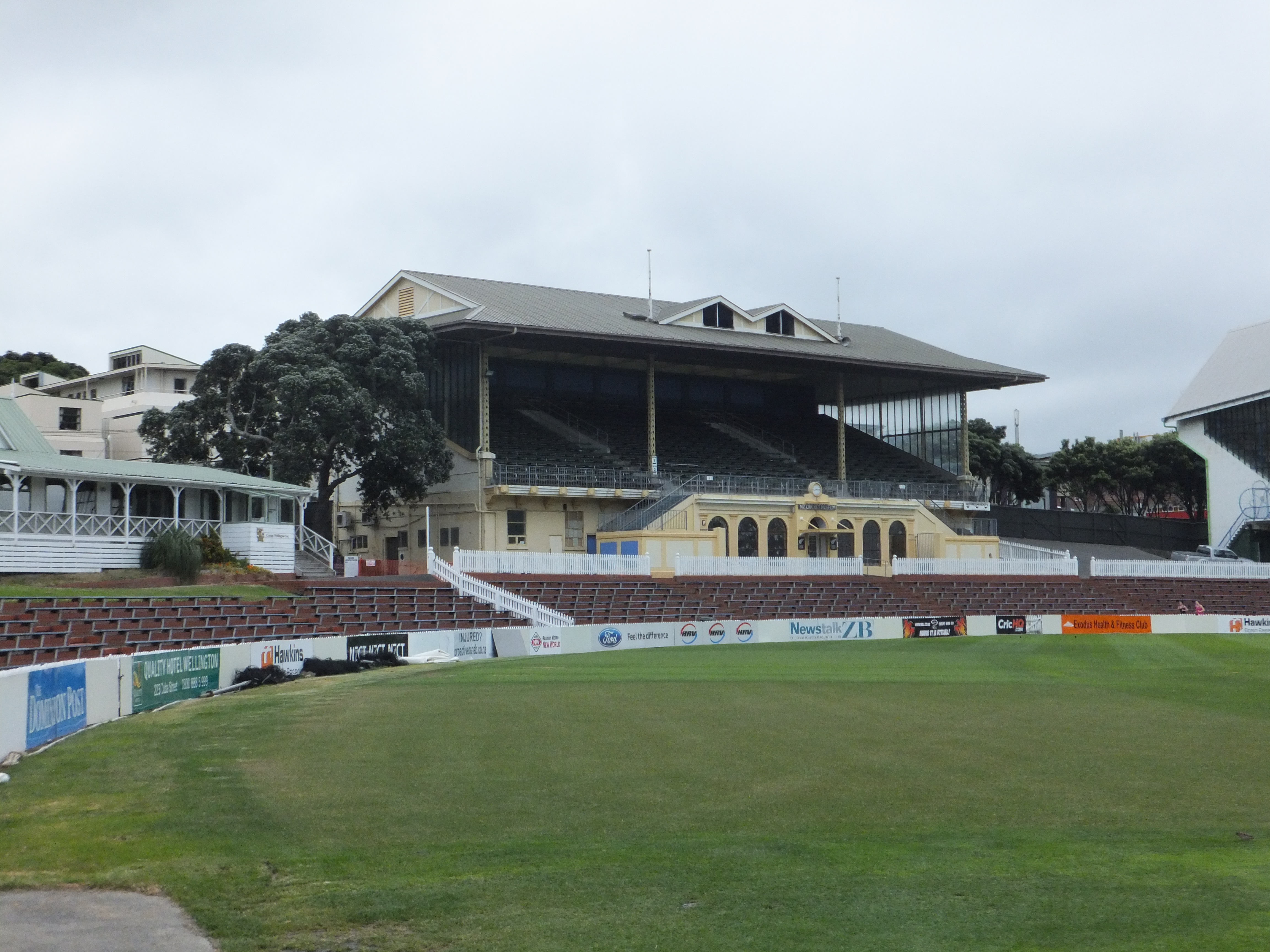
Basin Reserve pavilion New Zealand Basin Reserve pavilion New Zealand

Tactical Shifts After Axar Patel’s Exit

The loss of a key all‑rounder forced captain Rohit Sharma to make quick strategic decisions.

Bowling changes

  • Ashwin was pushed to bowl a full quota of 10 overs, shouldering the spin responsibilities.
  • Hardik Pandya was introduced earlier than planned, offering medium‑pace variation.
  • Jasprit Bumrah was retained for the death overs, anticipating a run‑chase scenario.

These adjustments saw New Zealand’s Will O'Rourke and Scott Adams capitalise on the extra pace, tightening the run‑rate to 4.8 runs per over.

Batting order impact

With Patel unavailable, India’s depth in the lower middle order was tested. The team promoted Ruturaj Gaikwad to number 5, hoping his aggressive stroke‑play could accelerate the innings. However, the pressure of a required run‑rate above 6.0 in the final 20 overs proved too much, leading to a steady wicket fall.

Player Spotlight: Kohli & Gill’s Struggles

Both veterans struggled against the disciplined New Zealand seam attack.

  • Virat Kohli: After a solid start, a slip catch off Boult’s outswinger dismissed him for 38, ending his 45‑ball innings. Post‑match, Kohli admitted, “The conditions were unforgiving, and the ball moved more than expected.”
  • Shubman Gill: Attempted a classic cover drive off Southee, only to be caught behind for 27. His dismissal sparked a brief protest from the Indian bench, highlighting the rising tension.

These wickets underscored a larger narrative: India’s top order, once a reliable anchor, now appears vulnerable against disciplined seam bowling on foreign pitches.

Fans & Social Media Pulse

The match generated over 1.2 million tweets within the first two hours, with the hashtag #INDvNZ trending in both India and New Zealand. Key trends included:

  • #AxarOut – fans expressed concern for Patel’s injury and speculated on his tournament longevity.
  • #KohliComeback – a rallying cry for the captain to rediscover his form.
  • Live‑score memes – visual snippets of the scoreboard being shared across Instagram Stories, driving real‑time engagement.

Cricket analysts on YouTube posted instant breakdown videos, amassing 3 million combined views by nightfall, indicating the high appetite for tactical insights.

Editorial Analysis & Future Outlook

The 2nd ODI serves as a microcosm of the challenges India faces on the road to the 2027 ICC World Cup. Axar Patel’s injury not only thins the spin department but also raises concerns about squad depth. India’s reliance on Ashwin to shoulder the spin burden could be a double‑edged sword; while Ashwin’s experience is invaluable, the lack of variety may be exploitable by opposition teams that can rotate the strike.

Batting fragility is another red flag. The early dismissals of Kohli and Gill suggest that India’s technique against moving seam on slower pitches needs refinement. Coaching staff may need to emphasise short‑ball handling and batting partnerships under pressure.

From New Zealand’s perspective, the win reinforces their home‑ground advantage strategy—leveraging seam-friendly conditions and a balanced attack. Their ability to adapt quickly to India’s tactical shifts, especially after Patel’s exit, showcases a depth that could be decisive in the World Cup group stages.

Looking ahead, the series will likely swing back in India’s favour if:

  1. Patel recovers and returns to the XI, restoring spin variety.
  2. Middle‑order resilience improves, perhaps by promoting a more aggressive finisher like Rashid Khan (if selected) or Ruturaj Gaikwad.
  3. Bowling plans incorporate more aggressive field placements to curb New Zealand’s run‑rate in the death overs.

In the broader cricketing ecosystem, the match underscores the growing importance of real‑time analytics. Teams now employ AI‑driven predictive models to anticipate pitch behaviour, and fans consume data‑rich content at unprecedented speeds. As the sport continues its digital transformation, matches like this will be dissected not just on the field but across data dashboards, influencing selection, strategy, and even fan engagement.

Bottom line: India’s journey in New Zealand is a litmus test of adaptability. The 2nd ODI highlighted vulnerabilities but also offered a roadmap for corrective action. If the side can address spin depth, batting stability, and tactical flexibility, the series—and the upcoming World Cup—remain very much within reach.


Original Reporting & Source: The Indian Express

Discussion (0)

Sign in to join the discussion.

No comments yet. Be the first to start the conversation!

| |

India vs New Zealand 2nd ODI: Axar Patel’s Exit Sparks Tactical Drama in Wellington

By Umang Sisodia • 5 min read • 1 view

Key Takeaways

  • Axar Patel’s early departure forced India to reshuffle its spin attack, exposing a fragile middle order.
  • Kohli and Gill’s dismissals highlighted a broader batting collapse, raising questions about India's chase strategy.
  • New Zealand’s disciplined bowling leveraged home conditions, turning the match into a low‑scoring thriller.
  • Social media buzz underscores the growing appetite for real‑time cricket analysis on platforms like X and Instagram.

The Match in Context

The 2nd One‑Day International of the India‑New Zealand series on 7 Nov 2026 was more than just a game; it was a litmus test for both sides ahead of the upcoming ICC World Cup. After a dominant 1st ODI win for New Zealand in Auckland, the hosts entered Wellington’s iconic Basin Reserve with confidence, while India sought to level the series.

Pre‑match expectations

  • India’s lineup: A blend of experience (Virat Kohli, Shreyas Ishwar) and youth (Ruturaj Gaikwad, Rahul Tripathi). The spin duo of Ravichandran Ashwin and Axar Patel was expected to exploit the slightly slower out‑field.
  • New Zealand’s advantage: Familiarity with the seam‑friendly pitches at Basin Reserve and a potent pace attack led by Trent Boult and Tim Southee.
  • Betting odds: Early market data placed New Zealand as slight favorites (1.45) due to home advantage.

Live score snapshot

At the 23‑over mark, India found themselves 112/4, with Kohli (38) and Gill (27) at the crease. The turning point arrived when Axar Patel, having bowled just three overs for 1/25, was forced to leave the field with a tight hamstring strain. His exit not only reduced India’s spin options but also signalled a shift in the match’s momentum.

Basin Reserve pavilion New Zealand Basin Reserve pavilion New Zealand

Tactical Shifts After Axar Patel’s Exit

The loss of a key all‑rounder forced captain Rohit Sharma to make quick strategic decisions.

Bowling changes

  • Ashwin was pushed to bowl a full quota of 10 overs, shouldering the spin responsibilities.
  • Hardik Pandya was introduced earlier than planned, offering medium‑pace variation.
  • Jasprit Bumrah was retained for the death overs, anticipating a run‑chase scenario.

These adjustments saw New Zealand’s Will O'Rourke and Scott Adams capitalise on the extra pace, tightening the run‑rate to 4.8 runs per over.

Batting order impact

With Patel unavailable, India’s depth in the lower middle order was tested. The team promoted Ruturaj Gaikwad to number 5, hoping his aggressive stroke‑play could accelerate the innings. However, the pressure of a required run‑rate above 6.0 in the final 20 overs proved too much, leading to a steady wicket fall.

Player Spotlight: Kohli & Gill’s Struggles

Both veterans struggled against the disciplined New Zealand seam attack.

  • Virat Kohli: After a solid start, a slip catch off Boult’s outswinger dismissed him for 38, ending his 45‑ball innings. Post‑match, Kohli admitted, “The conditions were unforgiving, and the ball moved more than expected.”
  • Shubman Gill: Attempted a classic cover drive off Southee, only to be caught behind for 27. His dismissal sparked a brief protest from the Indian bench, highlighting the rising tension.

These wickets underscored a larger narrative: India’s top order, once a reliable anchor, now appears vulnerable against disciplined seam bowling on foreign pitches.

Fans & Social Media Pulse

The match generated over 1.2 million tweets within the first two hours, with the hashtag #INDvNZ trending in both India and New Zealand. Key trends included:

  • #AxarOut – fans expressed concern for Patel’s injury and speculated on his tournament longevity.
  • #KohliComeback – a rallying cry for the captain to rediscover his form.
  • Live‑score memes – visual snippets of the scoreboard being shared across Instagram Stories, driving real‑time engagement.

Cricket analysts on YouTube posted instant breakdown videos, amassing 3 million combined views by nightfall, indicating the high appetite for tactical insights.

Editorial Analysis & Future Outlook

The 2nd ODI serves as a microcosm of the challenges India faces on the road to the 2027 ICC World Cup. Axar Patel’s injury not only thins the spin department but also raises concerns about squad depth. India’s reliance on Ashwin to shoulder the spin burden could be a double‑edged sword; while Ashwin’s experience is invaluable, the lack of variety may be exploitable by opposition teams that can rotate the strike.

Batting fragility is another red flag. The early dismissals of Kohli and Gill suggest that India’s technique against moving seam on slower pitches needs refinement. Coaching staff may need to emphasise short‑ball handling and batting partnerships under pressure.

From New Zealand’s perspective, the win reinforces their home‑ground advantage strategy—leveraging seam-friendly conditions and a balanced attack. Their ability to adapt quickly to India’s tactical shifts, especially after Patel’s exit, showcases a depth that could be decisive in the World Cup group stages.

Looking ahead, the series will likely swing back in India’s favour if:

  1. Patel recovers and returns to the XI, restoring spin variety.
  2. Middle‑order resilience improves, perhaps by promoting a more aggressive finisher like Rashid Khan (if selected) or Ruturaj Gaikwad.
  3. Bowling plans incorporate more aggressive field placements to curb New Zealand’s run‑rate in the death overs.

In the broader cricketing ecosystem, the match underscores the growing importance of real‑time analytics. Teams now employ AI‑driven predictive models to anticipate pitch behaviour, and fans consume data‑rich content at unprecedented speeds. As the sport continues its digital transformation, matches like this will be dissected not just on the field but across data dashboards, influencing selection, strategy, and even fan engagement.

Bottom line: India’s journey in New Zealand is a litmus test of adaptability. The 2nd ODI highlighted vulnerabilities but also offered a roadmap for corrective action. If the side can address spin depth, batting stability, and tactical flexibility, the series—and the upcoming World Cup—remain very much within reach.


Original Reporting & Source: The Indian Express