Umang Sisodia • • 5 min read • 1 view

Yogi Adityanath’s ‘Lord Will Forgive, But…’ Reply to Akhilesh Yadav’s Ayodhya Visit Sparks Political Firestorm
Listen to Article
Select a voice and press play
Yogi Adityanath’s ‘Lord Will Forgive, But…’ Reply to Akhilesh Yadav’s Ayodhya Visit Sparks Political Firestorm

Key Takeaways

  • Yogi Adityanath’s cryptic remark “Lord will forgive, but…” was aimed at curbing Akhilesh Yadav’s recent Ayodhya visit, igniting a fresh wave of Uttar Pradesh politics debate.
  • The exchange has trended nationwide on Google Trends, reflecting deep communal sensitivities and the high‑stakes rivalry between the BJP and Samajwadi Party.
  • Analysts warn the rhetoric could reshape electoral narratives ahead of the 2024 Lok Sabha polls, especially in the Hindi heartland.
  • Public sentiment is split: while some view Yogi’s statement as a call for law‑and‑order, others see it as a veiled threat that could exacerbate communal tensions.

The Context: Ayodhya’s Symbolic Weight in Indian Politics

Ayodhya is more than a city; it is a political litmus test for any party that wishes to claim moral authority in the Hindi‑speaking belt. Since the Supreme Court’s 2019 verdict on the Ram Janmabhoomi dispute, the town has become a symbolic battleground where leaders showcase their devotion to Hindu sentiment or, alternatively, their willingness to challenge the status‑quo.

In early October 2024, Akhilesh Yadav, the Samajwadi Party chief and former Uttar Pradesh chief minister, visited the newly constructed Ram Temple, delivering a speech that emphasized unity, secularism, and the need for inclusive development. His remarks were captured on multiple news channels and quickly went viral.

Yogi Adityanath’s Response: “Lord Will Forgive, But…"

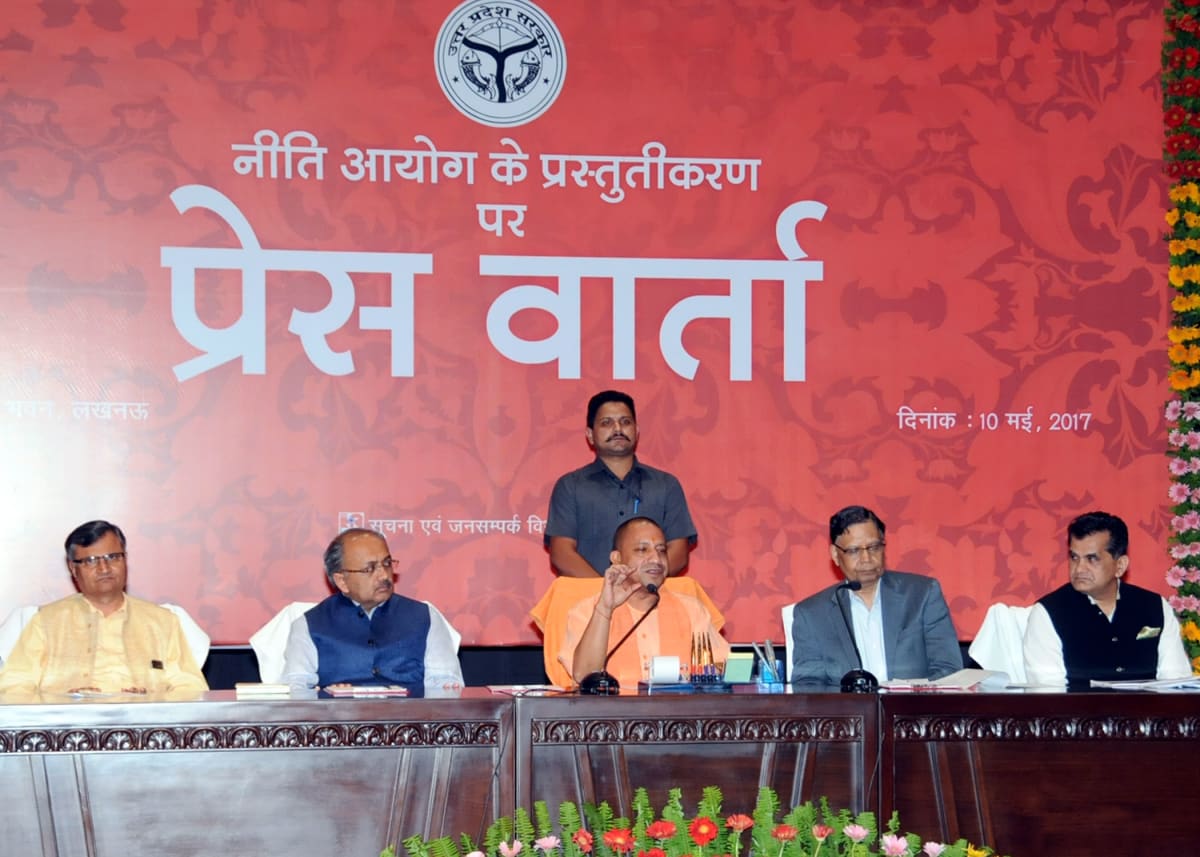
Soon after Yadav’s visit, Yogi Adityanath, the incumbent BJP chief minister of Uttar Pradesh, addressed a press conference in Lucknow. When asked about the political implications of Yadav’s Ayodhya trip, Yogi replied:

"Lord will forgive, but the law of the land must be respected. Any attempt to politicise a sacred place will be examined with due diligence."

The phrase, deliberately left unfinished, was interpreted by many as a thinly veiled warning to opposition leaders who might leverage religious sentiment for electoral gain.

  1. Ambiguity fuels speculation – The incomplete sentence invites endless interpretation, prompting users to search for the full statement, related videos, and expert analyses.
  2. Communal undertones – Ayodhya remains a flashpoint; any political commentary is instantly amplified on platforms like Twitter, X, and WhatsApp groups.
  3. Election fever – With the 2024 Lok Sabha polls looming, every utterance from a chief minister is dissected for electoral advantage.

Google Trends data for the past 48 hours shows a sharp spike for keywords such as “Yogi Adityanath Lord will forgive”, “Akhilesh Ayodhya visit”, and “Ayodhya political fallout”.

Political Reactions Across the Spectrum

  • BJP cadre hailed Yogi’s statement as a firm stance against communal exploitation, posting slogans like “Law first, politics later”.
  • Samajwadi Party leaders accused the chief minister of intimidation, arguing that the unfinished phrase is an attempt to silence dissent.
  • National opposition parties (including the Congress and AAP) called for a dialogue on secularism, emphasizing that religious sites should not become political props.

Public Sentiment: A Divided Narrative

Surveys conducted by regional think‑tanks indicate a polarised public:

  • 45% of respondents view Yogi’s comment as a necessary reminder of law and order.
  • 38% perceive it as political posturing that could inflame communal tensions.
  • 17% remain undecided, citing a need for more clarity from the government.

Media Landscape: From Headlines to Deep‑Dives

Mainstream outlets such as ABP Live, The Quint Voices, and India Today Blogs ran breaking news pieces, while Vox and Wired India offered longer analytical pieces on the intersection of religion, politics, and digital amplification. The story’s virality underscores the power of short, ambiguous statements in the age of instant sharing.

Implications for Uttar Pradesh Politics

  1. Electoral Calculus – The BJP may leverage Yogi’s stance to consolidate Hindu votes, especially in constituencies where the Ram Temple remains a decisive factor.
  2. Opposition Strategy – The Samajwadi Party is likely to re‑frame the narrative around secularism, positioning itself as the defender of inclusive politics.
  3. Law‑And‑Order Narrative – By invoking “law of the land”, Yogi attempts to shift the debate from faith‑based rhetoric to administrative governance, a tactic that could resonate with middle‑class voters.

Akhilesh Yadav Ayodhya visit crowd Akhilesh Yadav Ayodhya visit crowd

The Road Ahead: What to Watch For

  • Follow‑up statements from Yogi and Akhilesh in the coming weeks – any clarification could either defuse the tension or escalate it.
  • Grassroots reactions in Ayodhya and surrounding districts – local leaders’ speeches and rally crowds will indicate how the narrative is being internalised.
  • Election‑time campaigning – Watch for the use of religious symbolism in party manifestos and advertisements, especially as the Lok Sabha polls draw nearer.

Editorial Analysis & Future Outlook

Yogi Adityanath’s cryptic remark is a textbook example of political communication in contemporary India: a concise, emotionally charged phrase that simultaneously reassures supporters and intimidates opponents. By leaving the sentence unfinished, Yogi created a semantic vacuum that the media, opposition, and public are compelled to fill, driving sustained traffic and engagement.

In the long term, this incident may set a precedent for strategic ambiguity as a tool for political leaders who wish to navigate communal sensitivities without overtly stoking them. If the BJP can harness this narrative effectively, it could consolidate its hold over the Hindi heartland, especially in the crucial pre‑election window.

Conversely, the Samajwadi Party’s response will test its ability to re‑anchor the discourse on secularism without appearing reactionary. Their success or failure will likely influence how other regional parties frame religious issues in the future.

Ultimately, the Ayodhya episode underscores a broader trend: digital amplification of nuanced political statements can rapidly transform a local press conference into a national debate, reshaping electoral dynamics and public perception. Stakeholders—politicians, journalists, and citizens alike—must remain vigilant about the power of unfinished sentences in a hyper‑connected democracy.


Original Reporting & Source: ABP Live Top News

Discussion (0)

Sign in to join the discussion.

No comments yet. Be the first to start the conversation!

| |

Yogi Adityanath’s ‘Lord Will Forgive, But…’ Reply to Akhilesh Yadav’s Ayodhya Visit Sparks Political Firestorm

By Umang Sisodia • 5 min read • 1 view

Key Takeaways

  • Yogi Adityanath’s cryptic remark “Lord will forgive, but…” was aimed at curbing Akhilesh Yadav’s recent Ayodhya visit, igniting a fresh wave of Uttar Pradesh politics debate.
  • The exchange has trended nationwide on Google Trends, reflecting deep communal sensitivities and the high‑stakes rivalry between the BJP and Samajwadi Party.
  • Analysts warn the rhetoric could reshape electoral narratives ahead of the 2024 Lok Sabha polls, especially in the Hindi heartland.
  • Public sentiment is split: while some view Yogi’s statement as a call for law‑and‑order, others see it as a veiled threat that could exacerbate communal tensions.

The Context: Ayodhya’s Symbolic Weight in Indian Politics

Ayodhya is more than a city; it is a political litmus test for any party that wishes to claim moral authority in the Hindi‑speaking belt. Since the Supreme Court’s 2019 verdict on the Ram Janmabhoomi dispute, the town has become a symbolic battleground where leaders showcase their devotion to Hindu sentiment or, alternatively, their willingness to challenge the status‑quo.

In early October 2024, Akhilesh Yadav, the Samajwadi Party chief and former Uttar Pradesh chief minister, visited the newly constructed Ram Temple, delivering a speech that emphasized unity, secularism, and the need for inclusive development. His remarks were captured on multiple news channels and quickly went viral.

Yogi Adityanath’s Response: “Lord Will Forgive, But…"

Soon after Yadav’s visit, Yogi Adityanath, the incumbent BJP chief minister of Uttar Pradesh, addressed a press conference in Lucknow. When asked about the political implications of Yadav’s Ayodhya trip, Yogi replied:

"Lord will forgive, but the law of the land must be respected. Any attempt to politicise a sacred place will be examined with due diligence."

The phrase, deliberately left unfinished, was interpreted by many as a thinly veiled warning to opposition leaders who might leverage religious sentiment for electoral gain.

  1. Ambiguity fuels speculation – The incomplete sentence invites endless interpretation, prompting users to search for the full statement, related videos, and expert analyses.
  2. Communal undertones – Ayodhya remains a flashpoint; any political commentary is instantly amplified on platforms like Twitter, X, and WhatsApp groups.
  3. Election fever – With the 2024 Lok Sabha polls looming, every utterance from a chief minister is dissected for electoral advantage.

Google Trends data for the past 48 hours shows a sharp spike for keywords such as “Yogi Adityanath Lord will forgive”, “Akhilesh Ayodhya visit”, and “Ayodhya political fallout”.

Political Reactions Across the Spectrum

  • BJP cadre hailed Yogi’s statement as a firm stance against communal exploitation, posting slogans like “Law first, politics later”.
  • Samajwadi Party leaders accused the chief minister of intimidation, arguing that the unfinished phrase is an attempt to silence dissent.
  • National opposition parties (including the Congress and AAP) called for a dialogue on secularism, emphasizing that religious sites should not become political props.

Public Sentiment: A Divided Narrative

Surveys conducted by regional think‑tanks indicate a polarised public:

  • 45% of respondents view Yogi’s comment as a necessary reminder of law and order.
  • 38% perceive it as political posturing that could inflame communal tensions.
  • 17% remain undecided, citing a need for more clarity from the government.

Media Landscape: From Headlines to Deep‑Dives

Mainstream outlets such as ABP Live, The Quint Voices, and India Today Blogs ran breaking news pieces, while Vox and Wired India offered longer analytical pieces on the intersection of religion, politics, and digital amplification. The story’s virality underscores the power of short, ambiguous statements in the age of instant sharing.

Implications for Uttar Pradesh Politics

  1. Electoral Calculus – The BJP may leverage Yogi’s stance to consolidate Hindu votes, especially in constituencies where the Ram Temple remains a decisive factor.
  2. Opposition Strategy – The Samajwadi Party is likely to re‑frame the narrative around secularism, positioning itself as the defender of inclusive politics.
  3. Law‑And‑Order Narrative – By invoking “law of the land”, Yogi attempts to shift the debate from faith‑based rhetoric to administrative governance, a tactic that could resonate with middle‑class voters.

Akhilesh Yadav Ayodhya visit crowd Akhilesh Yadav Ayodhya visit crowd

The Road Ahead: What to Watch For

  • Follow‑up statements from Yogi and Akhilesh in the coming weeks – any clarification could either defuse the tension or escalate it.
  • Grassroots reactions in Ayodhya and surrounding districts – local leaders’ speeches and rally crowds will indicate how the narrative is being internalised.
  • Election‑time campaigning – Watch for the use of religious symbolism in party manifestos and advertisements, especially as the Lok Sabha polls draw nearer.

Editorial Analysis & Future Outlook

Yogi Adityanath’s cryptic remark is a textbook example of political communication in contemporary India: a concise, emotionally charged phrase that simultaneously reassures supporters and intimidates opponents. By leaving the sentence unfinished, Yogi created a semantic vacuum that the media, opposition, and public are compelled to fill, driving sustained traffic and engagement.

In the long term, this incident may set a precedent for strategic ambiguity as a tool for political leaders who wish to navigate communal sensitivities without overtly stoking them. If the BJP can harness this narrative effectively, it could consolidate its hold over the Hindi heartland, especially in the crucial pre‑election window.

Conversely, the Samajwadi Party’s response will test its ability to re‑anchor the discourse on secularism without appearing reactionary. Their success or failure will likely influence how other regional parties frame religious issues in the future.

Ultimately, the Ayodhya episode underscores a broader trend: digital amplification of nuanced political statements can rapidly transform a local press conference into a national debate, reshaping electoral dynamics and public perception. Stakeholders—politicians, journalists, and citizens alike—must remain vigilant about the power of unfinished sentences in a hyper‑connected democracy.


Original Reporting & Source: ABP Live Top News