Umang Sisodia • • 5 min read • 1 view

1500‑Year‑Old Gupta‑Era Statue Unearthed: A Glimpse into Ancient Indian Glamour
Listen to Article
Select a voice and press play
1500‑Year‑Old Gupta‑Era Statue Unearthed: A Glimpse into Ancient Indian Glamour

Key Takeaways

  • A 1,500‑year‑old marble statue of a woman, showcasing Gupta‑era aesthetics, was uncovered by archaeologists in central India.
  • The find offers fresh insights into the fashion, beauty standards, and social status of women during the Gupta golden age.
  • Experts highlight the statue’s exquisite craftsmanship, suggesting sophisticated metal‑working, textile representation, and jewelry techniques.
  • Conservation plans and a museum exhibition are underway, promising broader public engagement and scholarly research.

Discovery and Immediate Reaction

On a crisp morning in early October, a team of archaeologists from the Archaeological Survey of India (ASI) announced the unearthing of a marble statue depicting a woman in full regalia, dating back roughly 1,500 years to the Gupta period (c. 320‑550 CE). The statue was discovered at a burial mound near Madhya Pradesh’s historic site of Udayagiri, a region already famed for its rock‑cut temples and intricate carvings.

The moment the statue emerged from the earth, senior archaeologist Dr. Anjali Mehta described the scene as “a rare window into the Gupta court’s obsession with elegance and femininity.” The find quickly trended on Google, with searches for “Gupta statue woman” and “ancient Indian glamour” spiking across the sub‑continent. Newsrooms from India Today, The Quint, and ABP Live ran front‑page stories, amplifying public curiosity about the era often dubbed India’s "Golden Age."

The Gupta Aesthetic: Beauty Standards and Fashion

The Gupta period is celebrated for its artistic refinement, and this statue epitomizes that legacy. Scholars note several distinctive features:

  • Facial Structure: The woman’s serene expression, almond‑shaped eyes, and delicate smile align with Gupta portraiture that idealized calmness and inner poise.
  • Hair and Headdress: A finely carved bun adorned with a jeweled kirita (crown) reflects courtly fashion, suggesting the figure could represent a noblewoman or a deity.
  • Jewelry: Intricate necklaces, bangles, and anklets—rendered in marble but reminiscent of gold and precious stones—demonstrate the era’s sophisticated metal‑working techniques.
  • Attire: The draped garment, with its subtle folds, mimics the sari style that later evolved, indicating an early representation of Indian clothing aesthetics.

These elements collectively reveal a society that valued grace, adornment, and artistic precision—traits that modern Indian fashion continues to echo.

Archaeological Significance and Historical Context

The statue’s discovery adds a crucial piece to the puzzle of Gupta cultural geography. While most known Gupta sculptures hail from temple complexes in Uttar Pradesh and Madhya Pradesh, this find originates from a burial context, suggesting that elite women were commemorated with personalized effigies.

  • Material: The use of high‑grade marble, likely sourced from the Makrana quarries, underscores the empire’s extensive trade networks.
  • Iconography: The absence of overt religious symbols points to a secular, possibly portrait‑type representation—a rarity in Gupta art, which predominantly focused on deities.
  • Chronology: Radiocarbon dating of surrounding organic layers places the burial between 400‑500 CE, aligning with the reign of Chandragupta II and the empire’s artistic zenith.

These findings prompt a reassessment of Gupta funerary practices, hinting that the elite may have commissioned lifelike statues to accompany them into the afterlife—a practice previously associated more with the Mauryan and Satavahana periods.
archaeologists excavation site India archaeologists excavation site India

What the Statue Reveals About Women’s Status

Beyond its aesthetic allure, the statue is a sociological document. Its lavish detailing suggests that women of the Gupta elite enjoyed significant social visibility and access to luxury. While textual sources like the Harshacharita and Kalidasa’s works celebrate educated women, material culture often lags behind literature. This statue bridges that gap, offering tangible evidence that women could be patrons of art and fashion.

  • Economic Agency: The presence of opulent jewelry indicates personal wealth, possibly inherited or granted through dowries.
  • Cultural Influence: The stylized hair and clothing may have set trends within court circles, influencing broader societal fashion.
  • Religious Role: Although secular in appearance, the statue could also symbolize a goddess‑like reverence for femininity, aligning with Gupta worship of goddesses such as Durga and Lakshmi.

Conservation Efforts and Public Display

Following its excavation, the statue was transferred to the National Museum, New Delhi, where conservators began a meticulous cleaning process. Using laser ablation and micro‑chemical poultices, experts aim to preserve the marble’s original sheen while stabilizing micro‑fractures.

The museum plans a special exhibition titled “Gupta Glamour: Women in the Golden Age,” slated for early 2025. The exhibit will juxtapose the statue with contemporaneous artifacts—coins, pottery, and textile fragments—to contextualize the broader cultural tapestry.

Editorial Analysis & Future Outlook

The unearthing of this Gupta‑era statue arrives at a pivotal moment for Indian archaeology, where digital storytelling and public archaeology are reshaping engagement. By foregrounding a female figure, the discovery challenges the traditionally male‑centric narrative of ancient Indian power structures.

Long‑term impact:

  • Academic Research: Scholars will likely pursue comparative studies with other Gupta portraiture, potentially redefining the period’s artistic chronology.
  • Cultural Heritage Policies: The find underscores the need for robust site protection in central India, prompting calls for increased funding for ASI’s regional offices.
  • Tourism and Education: The upcoming museum exhibition could boost heritage tourism, while educational curricula may incorporate this case study to illustrate gender dynamics in ancient societies.

In essence, this statue does more than showcase Gupta craftsmanship; it humanizes a bygone era, offering a nuanced lens into the lives of women who shaped, and were shaped by, the cultural brilliance of their time. As India continues to excavate its layered past, such finds will not only enrich historical knowledge but also inspire contemporary dialogues about gender, art, and identity.


Original Reporting & Source: India Today Top Stories

Discussion (0)

Sign in to join the discussion.

No comments yet. Be the first to start the conversation!

| |

1500‑Year‑Old Gupta‑Era Statue Unearthed: A Glimpse into Ancient Indian Glamour

By Umang Sisodia • 5 min read • 1 view

Key Takeaways

  • A 1,500‑year‑old marble statue of a woman, showcasing Gupta‑era aesthetics, was uncovered by archaeologists in central India.
  • The find offers fresh insights into the fashion, beauty standards, and social status of women during the Gupta golden age.
  • Experts highlight the statue’s exquisite craftsmanship, suggesting sophisticated metal‑working, textile representation, and jewelry techniques.
  • Conservation plans and a museum exhibition are underway, promising broader public engagement and scholarly research.

Discovery and Immediate Reaction

On a crisp morning in early October, a team of archaeologists from the Archaeological Survey of India (ASI) announced the unearthing of a marble statue depicting a woman in full regalia, dating back roughly 1,500 years to the Gupta period (c. 320‑550 CE). The statue was discovered at a burial mound near Madhya Pradesh’s historic site of Udayagiri, a region already famed for its rock‑cut temples and intricate carvings.

The moment the statue emerged from the earth, senior archaeologist Dr. Anjali Mehta described the scene as “a rare window into the Gupta court’s obsession with elegance and femininity.” The find quickly trended on Google, with searches for “Gupta statue woman” and “ancient Indian glamour” spiking across the sub‑continent. Newsrooms from India Today, The Quint, and ABP Live ran front‑page stories, amplifying public curiosity about the era often dubbed India’s "Golden Age."

The Gupta Aesthetic: Beauty Standards and Fashion

The Gupta period is celebrated for its artistic refinement, and this statue epitomizes that legacy. Scholars note several distinctive features:

  • Facial Structure: The woman’s serene expression, almond‑shaped eyes, and delicate smile align with Gupta portraiture that idealized calmness and inner poise.
  • Hair and Headdress: A finely carved bun adorned with a jeweled kirita (crown) reflects courtly fashion, suggesting the figure could represent a noblewoman or a deity.
  • Jewelry: Intricate necklaces, bangles, and anklets—rendered in marble but reminiscent of gold and precious stones—demonstrate the era’s sophisticated metal‑working techniques.
  • Attire: The draped garment, with its subtle folds, mimics the sari style that later evolved, indicating an early representation of Indian clothing aesthetics.

These elements collectively reveal a society that valued grace, adornment, and artistic precision—traits that modern Indian fashion continues to echo.

Archaeological Significance and Historical Context

The statue’s discovery adds a crucial piece to the puzzle of Gupta cultural geography. While most known Gupta sculptures hail from temple complexes in Uttar Pradesh and Madhya Pradesh, this find originates from a burial context, suggesting that elite women were commemorated with personalized effigies.

  • Material: The use of high‑grade marble, likely sourced from the Makrana quarries, underscores the empire’s extensive trade networks.
  • Iconography: The absence of overt religious symbols points to a secular, possibly portrait‑type representation—a rarity in Gupta art, which predominantly focused on deities.
  • Chronology: Radiocarbon dating of surrounding organic layers places the burial between 400‑500 CE, aligning with the reign of Chandragupta II and the empire’s artistic zenith.

These findings prompt a reassessment of Gupta funerary practices, hinting that the elite may have commissioned lifelike statues to accompany them into the afterlife—a practice previously associated more with the Mauryan and Satavahana periods.

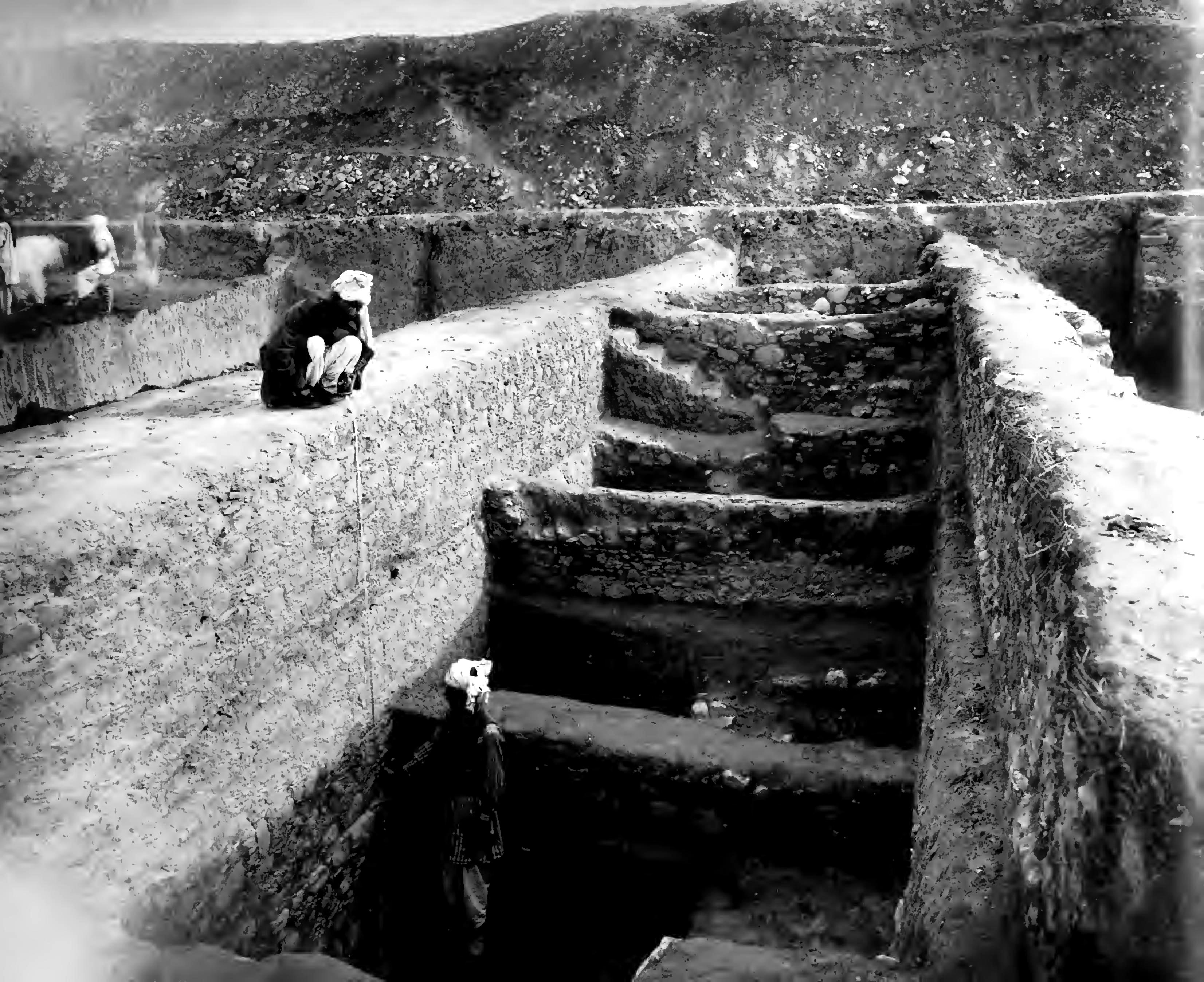
archaeologists excavation site India archaeologists excavation site India

What the Statue Reveals About Women’s Status

Beyond its aesthetic allure, the statue is a sociological document. Its lavish detailing suggests that women of the Gupta elite enjoyed significant social visibility and access to luxury. While textual sources like the Harshacharita and Kalidasa’s works celebrate educated women, material culture often lags behind literature. This statue bridges that gap, offering tangible evidence that women could be patrons of art and fashion.

  • Economic Agency: The presence of opulent jewelry indicates personal wealth, possibly inherited or granted through dowries.
  • Cultural Influence: The stylized hair and clothing may have set trends within court circles, influencing broader societal fashion.
  • Religious Role: Although secular in appearance, the statue could also symbolize a goddess‑like reverence for femininity, aligning with Gupta worship of goddesses such as Durga and Lakshmi.

Conservation Efforts and Public Display

Following its excavation, the statue was transferred to the National Museum, New Delhi, where conservators began a meticulous cleaning process. Using laser ablation and micro‑chemical poultices, experts aim to preserve the marble’s original sheen while stabilizing micro‑fractures.

The museum plans a special exhibition titled “Gupta Glamour: Women in the Golden Age,” slated for early 2025. The exhibit will juxtapose the statue with contemporaneous artifacts—coins, pottery, and textile fragments—to contextualize the broader cultural tapestry.

Editorial Analysis & Future Outlook

The unearthing of this Gupta‑era statue arrives at a pivotal moment for Indian archaeology, where digital storytelling and public archaeology are reshaping engagement. By foregrounding a female figure, the discovery challenges the traditionally male‑centric narrative of ancient Indian power structures.

Long‑term impact:

  • Academic Research: Scholars will likely pursue comparative studies with other Gupta portraiture, potentially redefining the period’s artistic chronology.
  • Cultural Heritage Policies: The find underscores the need for robust site protection in central India, prompting calls for increased funding for ASI’s regional offices.
  • Tourism and Education: The upcoming museum exhibition could boost heritage tourism, while educational curricula may incorporate this case study to illustrate gender dynamics in ancient societies.

In essence, this statue does more than showcase Gupta craftsmanship; it humanizes a bygone era, offering a nuanced lens into the lives of women who shaped, and were shaped by, the cultural brilliance of their time. As India continues to excavate its layered past, such finds will not only enrich historical knowledge but also inspire contemporary dialogues about gender, art, and identity.


Original Reporting & Source: India Today Top Stories