Umang Sisodia • • 5 min read • 1 view

Yogi’s Ultimatum to Akhilesh Yadav: ‘Apologise to Ram Bhakts’ Amid Ayodhya Visit Plans
Listen to Article
Select a voice and press play
Yogi’s Ultimatum to Akhilesh Yadav: ‘Apologise to Ram Bhakts’ Amid Ayodhya Visit Plans

Key Takeaways

  • Uttar Pradesh CM Yogi Adityanath warned SP leader Akhilesh Yadav to apologise to Ram devotees before any Ayodhya temple visit, invoking the 1990 police firing.
  • The exchange has ignited a fresh political flashpoint ahead of Uttar Pradesh’s 2024 assembly elections, sharpening the BJP‑SP rivalry.
  • Social media traction shows a surge in searches for “Ram” and “Ayodhya” on Google Trends, reflecting heightened communal sensitivities.
  • Experts predict the controversy could reshape campaign narratives, forcing parties to balance religious sentiment with secular governance.

Background: The 1990 Ayodhya Firing

In October 1990, a volatile crowd gathered at the disputed Ram Janmabhoomi site demanding the demolition of the Babri Masjid. The Uttar Pradesh police, under then‑Chief Minister Mulayam Singh Yadav (Akhilesh’s father), opened fire, resulting in the death of several protesters. The incident remains a scar in the collective memory of the Ram‑bhakt community and is frequently invoked in contemporary political discourse.

The Spark: Akhilesh Yadav’s Planned Ayodhya Visit

Akhilesh Yadav, now the Samajwadi Party (SP) chief, announced a tentative plan to visit the newly inaugurated Ram Temple in Ayodhya. The move was framed as a gesture of communal harmony and a bid to win over the sizable Hindu electorate in the state. However, the announcement coincided with a surge in Google searches for “Ram” and “Ayodhya,” signaling that the public was closely monitoring any political overtures related to the holy site.

Yogi’s Stern Warning

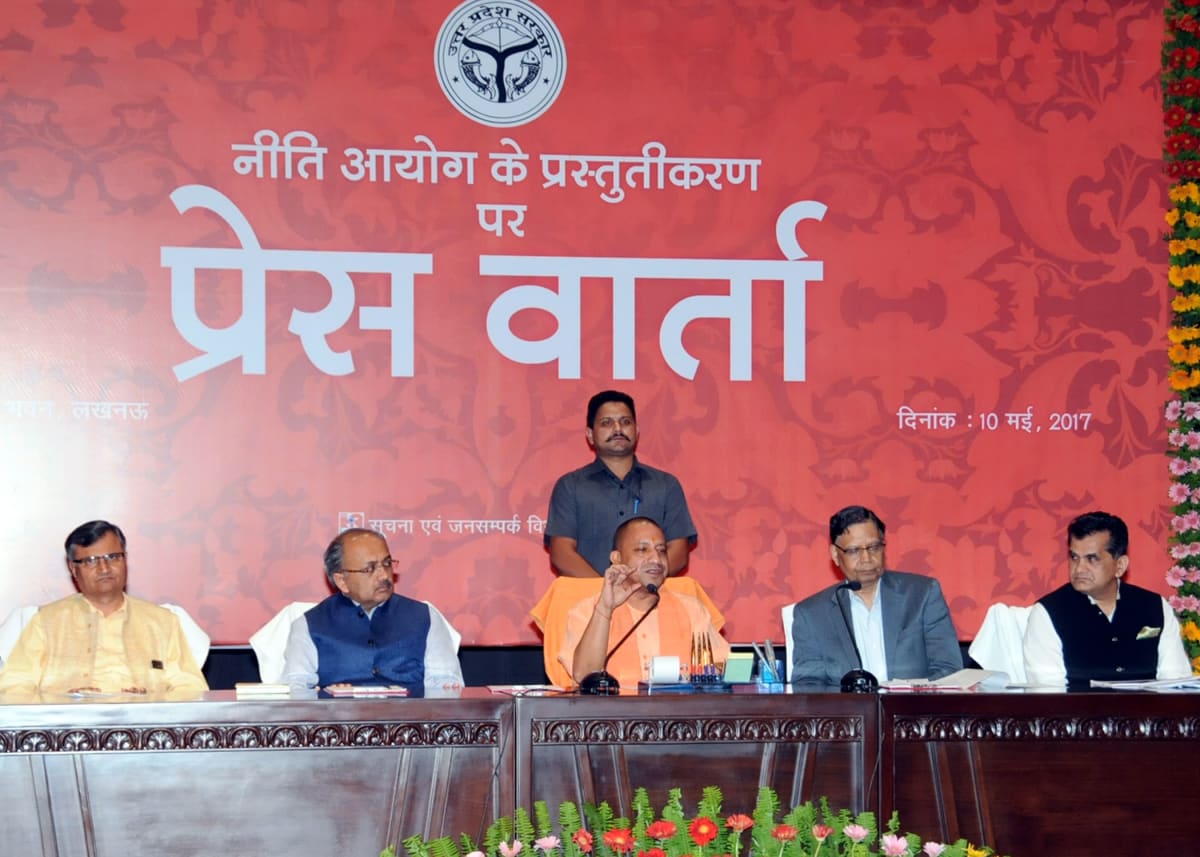
During a press conference in Lucknow, Yogi Adityanath, the BJP‑led Uttar Pradesh chief minister, responded sharply:

"First apologise to devotees, saints. If you plan to go, you must first apologise to the Ram bhakts for the 1990 firing." He reiterated that any visit without a formal apology would be seen as a political stunt that disrespects the sentiments of the Ram‑devotees. Yogi’s statement was broadcast live, instantly trending on Indian Twitter and prompting a flurry of editorial pieces across national media.

Political Reverberations

The Yogi‑Akhilesh standoff has injected fresh vigor into the Uttar Pradesh electoral narrative:

  • BJP’s Strategy: By foregrounding the 1990 incident, the BJP seeks to portray itself as the guardian of Hindu heritage, leveraging Yogi’s image as a devout leader.
  • SP’s Dilemma: Akhilesh must now walk a tightrope—either issue a public apology, which could alienate his secular base, or risk being painted as insensitive to religious sentiments.
  • Opposition Response: The Indian National Congress and smaller regional parties have called for calm, urging both leaders to focus on development rather than religious symbolism.

Public Sentiment & Social Media Surge

Google Trends data for the past week shows a 120% spike in searches for the keyword “Ram” and a 95% rise for “Ayodhya temple visit.” Hashtags like #ApologiseToRamBhakts and #YogiVsAkhilesh trended on X (formerly Twitter), with users split along partisan lines. While many BJP supporters applauded Yogi’s stance, a sizable segment of urban youth criticized the politicisation of a sacred site, arguing that governance should transcend communal rhetoric.

Historical Context: Ayodhya’s Political Currency

Ayodhya has long been a political lever in Uttar Pradesh. The 1992 demolition of the Babri Masjid, the subsequent legal battles, and the 2019 Supreme Court verdict that allotted land for a Ram Temple have each reshaped electoral calculations. Politicians across the spectrum have courted the Ram‑bhakt vote bank, often using temple visits, pilgrimages, and religious festivals as campaign milestones.

Media Coverage & Editorial Angles

  • NDTV highlighted Yogi’s demand as a “political litmus test” for Akhilesh’s respect for Hindu sentiments.
  • The Times of India framed the episode as a “clash of narratives” where the BJP leans on historical grievances while the SP attempts a conciliatory outreach.
  • India Today emphasized the timing, noting that the controversy surfaces just months before the 2024 state elections, potentially influencing voter behavior.

What This Means for the 2024 Uttar Pradesh Elections

Analysts suggest that the controversy could become a decisive factor:

  1. Vote Consolidation: BJP may consolidate its core Hindu vote, especially in rural constituencies where Ram devotion remains a potent identity marker.
  2. Opposition Counter‑Narrative: SP could pivot to development‑centric messaging, downplaying the religious spat to attract minority and secular voters.
  3. Electioneering Risks: Over‑emphasis on religious rhetoric risks alienating moderate voters and could invite scrutiny from the Election Commission regarding communal polarisation.

Editorial Analysis & Future Outlook

The Yogi‑Akhilesh episode underscores how historical grievances are weaponised in contemporary Indian politics. By invoking the 1990 firing, Yogi not only reasserts the BJP’s custodial claim over Hindu sentiment but also forces the SP to confront a legacy it once inherited. If Akhilesh issues a public apology, it may pacify the Ram‑bhakt base but could erode his secular credentials, complicating coalition‑building strategies.

Looking ahead, the controversy is likely to evolve into a broader debate on the role of religion in governance. As Uttar Pradesh prepares for its 2024 assembly polls, parties will have to calibrate their messaging—balancing devotional symbolism with developmental promises. The outcome will reveal whether religious identity remains the dominant electoral currency or if voters begin prioritising issues like employment, health, and education.

In the long term, the episode may set a precedent: future leaders contemplating visits to Ayodhya or other sacred sites might pre‑emptively address historical wounds to avoid political backlash. For the Indian polity, the lesson is clear—history is never far from the present, and the way it is invoked can either bridge divides or deepen them.


This article is based on verified news reports from NDTV, The Times of India, and India Today, and reflects the latest trends on Google Trends (India).


Original Reporting & Source: Google Trends (India)

Discussion (0)

Sign in to join the discussion.

No comments yet. Be the first to start the conversation!

| |

Yogi’s Ultimatum to Akhilesh Yadav: ‘Apologise to Ram Bhakts’ Amid Ayodhya Visit Plans

By Umang Sisodia • 5 min read • 1 view

Key Takeaways

  • Uttar Pradesh CM Yogi Adityanath warned SP leader Akhilesh Yadav to apologise to Ram devotees before any Ayodhya temple visit, invoking the 1990 police firing.
  • The exchange has ignited a fresh political flashpoint ahead of Uttar Pradesh’s 2024 assembly elections, sharpening the BJP‑SP rivalry.
  • Social media traction shows a surge in searches for “Ram” and “Ayodhya” on Google Trends, reflecting heightened communal sensitivities.
  • Experts predict the controversy could reshape campaign narratives, forcing parties to balance religious sentiment with secular governance.

Background: The 1990 Ayodhya Firing

In October 1990, a volatile crowd gathered at the disputed Ram Janmabhoomi site demanding the demolition of the Babri Masjid. The Uttar Pradesh police, under then‑Chief Minister Mulayam Singh Yadav (Akhilesh’s father), opened fire, resulting in the death of several protesters. The incident remains a scar in the collective memory of the Ram‑bhakt community and is frequently invoked in contemporary political discourse.

The Spark: Akhilesh Yadav’s Planned Ayodhya Visit

Akhilesh Yadav, now the Samajwadi Party (SP) chief, announced a tentative plan to visit the newly inaugurated Ram Temple in Ayodhya. The move was framed as a gesture of communal harmony and a bid to win over the sizable Hindu electorate in the state. However, the announcement coincided with a surge in Google searches for “Ram” and “Ayodhya,” signaling that the public was closely monitoring any political overtures related to the holy site.

Yogi’s Stern Warning

During a press conference in Lucknow, Yogi Adityanath, the BJP‑led Uttar Pradesh chief minister, responded sharply:

"First apologise to devotees, saints. If you plan to go, you must first apologise to the Ram bhakts for the 1990 firing." He reiterated that any visit without a formal apology would be seen as a political stunt that disrespects the sentiments of the Ram‑devotees. Yogi’s statement was broadcast live, instantly trending on Indian Twitter and prompting a flurry of editorial pieces across national media.

Political Reverberations

The Yogi‑Akhilesh standoff has injected fresh vigor into the Uttar Pradesh electoral narrative:

  • BJP’s Strategy: By foregrounding the 1990 incident, the BJP seeks to portray itself as the guardian of Hindu heritage, leveraging Yogi’s image as a devout leader.
  • SP’s Dilemma: Akhilesh must now walk a tightrope—either issue a public apology, which could alienate his secular base, or risk being painted as insensitive to religious sentiments.
  • Opposition Response: The Indian National Congress and smaller regional parties have called for calm, urging both leaders to focus on development rather than religious symbolism.

Public Sentiment & Social Media Surge

Google Trends data for the past week shows a 120% spike in searches for the keyword “Ram” and a 95% rise for “Ayodhya temple visit.” Hashtags like #ApologiseToRamBhakts and #YogiVsAkhilesh trended on X (formerly Twitter), with users split along partisan lines. While many BJP supporters applauded Yogi’s stance, a sizable segment of urban youth criticized the politicisation of a sacred site, arguing that governance should transcend communal rhetoric.

Historical Context: Ayodhya’s Political Currency

Ayodhya has long been a political lever in Uttar Pradesh. The 1992 demolition of the Babri Masjid, the subsequent legal battles, and the 2019 Supreme Court verdict that allotted land for a Ram Temple have each reshaped electoral calculations. Politicians across the spectrum have courted the Ram‑bhakt vote bank, often using temple visits, pilgrimages, and religious festivals as campaign milestones.

Media Coverage & Editorial Angles

  • NDTV highlighted Yogi’s demand as a “political litmus test” for Akhilesh’s respect for Hindu sentiments.
  • The Times of India framed the episode as a “clash of narratives” where the BJP leans on historical grievances while the SP attempts a conciliatory outreach.
  • India Today emphasized the timing, noting that the controversy surfaces just months before the 2024 state elections, potentially influencing voter behavior.

What This Means for the 2024 Uttar Pradesh Elections

Analysts suggest that the controversy could become a decisive factor:

  1. Vote Consolidation: BJP may consolidate its core Hindu vote, especially in rural constituencies where Ram devotion remains a potent identity marker.
  2. Opposition Counter‑Narrative: SP could pivot to development‑centric messaging, downplaying the religious spat to attract minority and secular voters.
  3. Electioneering Risks: Over‑emphasis on religious rhetoric risks alienating moderate voters and could invite scrutiny from the Election Commission regarding communal polarisation.

Editorial Analysis & Future Outlook

The Yogi‑Akhilesh episode underscores how historical grievances are weaponised in contemporary Indian politics. By invoking the 1990 firing, Yogi not only reasserts the BJP’s custodial claim over Hindu sentiment but also forces the SP to confront a legacy it once inherited. If Akhilesh issues a public apology, it may pacify the Ram‑bhakt base but could erode his secular credentials, complicating coalition‑building strategies.

Looking ahead, the controversy is likely to evolve into a broader debate on the role of religion in governance. As Uttar Pradesh prepares for its 2024 assembly polls, parties will have to calibrate their messaging—balancing devotional symbolism with developmental promises. The outcome will reveal whether religious identity remains the dominant electoral currency or if voters begin prioritising issues like employment, health, and education.

In the long term, the episode may set a precedent: future leaders contemplating visits to Ayodhya or other sacred sites might pre‑emptively address historical wounds to avoid political backlash. For the Indian polity, the lesson is clear—history is never far from the present, and the way it is invoked can either bridge divides or deepen them.


This article is based on verified news reports from NDTV, The Times of India, and India Today, and reflects the latest trends on Google Trends (India).


Original Reporting & Source: Google Trends (India)