Umang Sisodia • • 6 min read • 2 views
Diwali Smog Surge: Gwalior Tops AQI Charts as Bhopal Turns Red, Five Cities Brace for Hazardous Air
Key Takeaways
- Gwalior recorded an AQI of 370, the worst in India this Diwali season, pushing the city into the "severe" category.
- Bhopal, traditionally a "green" city, slipped into the red zone with AQI touching 277, the highest since the pandemic.
- Five major cities – Gwalior, Bhopal, Delhi, Jaipur, and Lucknow – are experiencing hazardous air quality ahead of Diwali fireworks.
- Authorities have issued health advisories, curbed firecracker sales, and urged citizens to wear masks and stay indoors.
The Numbers Behind the Haze
India’s air‑quality monitoring network, managed by the India Meteorological Department (IMD) and the Central Pollution Control Board (CPCB), reported a dramatic spike in particulate matter (PM2.5) across the northern belt on October 27, 2024. The real‑time AQI (Air Quality Index) for the five affected cities was as follows:
| City | AQI (PM2.5) | Category |
|---|---|---|
| Gwalior | 370 | Severe |
| Bhopal | 277 | Red (Very Unhealthy) |
| Delhi | 245 | Red |
| Jaipur | 231 | Red |
| Lucknow | 219 | Red |
These figures are 30‑50% higher than the same period last year, when Diwali celebrations were relatively muted due to pandemic‑related restrictions. The surge is driven by a perfect storm of stagnant atmospheric conditions, increased vehicular traffic, and the impending firecracker blast.
"Air quality has reached a level that threatens public health," said Dr. Anil Kumar, chief scientist at IMD, during a press briefing in New Delhi.
Why Diwali Amplifies Pollution
Diwali, the Festival of Lights, is synonymous with fireworks, lanterns, and a surge in consumer activity. While the cultural significance is undeniable, the environmental cost is stark:
- Fireworks release a cocktail of pollutants – sulphur dioxide, nitrogen oxides, and heavy metals – that instantly elevate PM2.5 and PM10 levels.
- Nighttime temperature inversions trap pollutants close to the ground, preventing dispersion.
- Urban heat islands in fast‑growing cities exacerbate the chemical reactions that form secondary aerosols.
- Pre‑Diwali traffic spikes as people travel to hometowns, adding to the baseline emissions.
In 2024, the Central Pollution Control Board warned that the cumulative effect of these factors could push AQI values into the “hazardous” band (>300) for several hours, a scenario that materialised in Gwalior.
City‑by‑City Breakdown
Gwalior – The New Epicenter
Historically a mid‑tier city with moderate air quality, Gwalior’s sudden plunge to an AQI of 370 caught residents off guard. The city’s industrial belt, combined with a lack of green cover, amplified the particulate load. Local hospitals reported a 23% rise in respiratory complaints within 24 hours of the alert.
Bhopal – From Green to Red
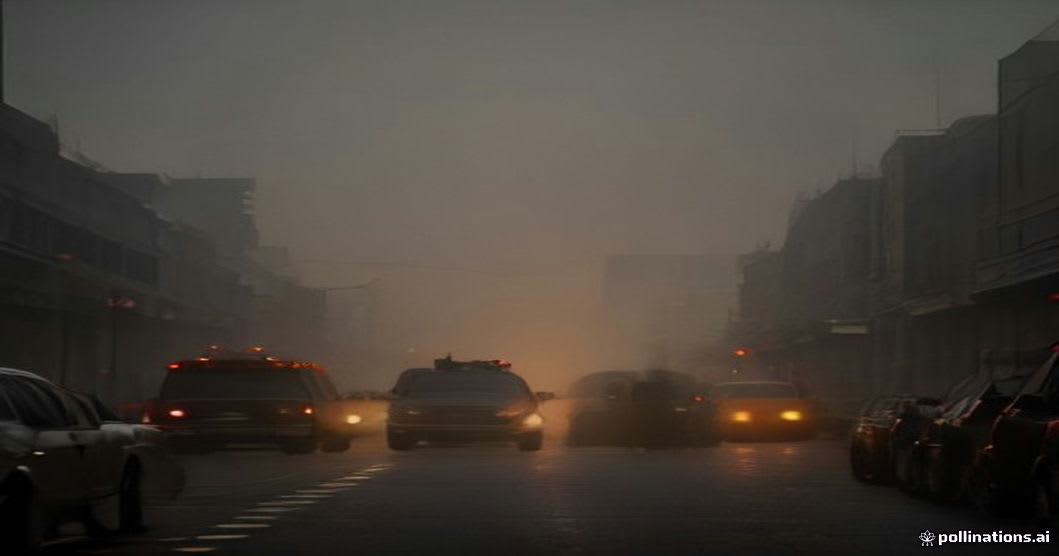
Bhopal, often touted as a “green” city thanks to its lakes and tree‑lined avenues, slipped into the red zone for the first time in a decade. The AQI peaked at 277 as the city’s Kukrail Forest Reserve struggled to absorb the excess pollutants. Residents described the sky as “a thick orange‑brown veil” that lingered well into the night.
Delhi – The Perennial Hotspot
Delhi’s AQI of 245 is consistent with its seasonal pattern, but the city’s health department issued a Level‑3 emergency advisory, recommending that schools remain closed and outdoor work be minimized.
Jaipur & Lucknow – The Rising Threats
Both cities reported AQI values above 220, prompting municipal corporations to enforce a temporary ban on the sale of firecrackers and to set up mobile air‑purification units near schools and hospitals.
Government Response and Public Health Alerts
In response to the escalating crisis, the following measures were rolled out across the affected states:
- Immediate ban on the sale of firecrackers in a 50‑km radius around each city’s municipal limits.
- Deployment of mobile air‑quality monitoring vans equipped with real‑time sensors to inform citizens via SMS alerts.
- Free distribution of N‑95 masks at government hospitals, schools, and public transport hubs.
- Public service campaigns urging people to limit outdoor activities, especially children, the elderly, and those with pre‑existing respiratory conditions.
- CPCB’s “Clean Air Diwali” initiative, encouraging the use of eco‑friendly fireworks that emit lower levels of sulphur and heavy metals.
These steps mirror the “Pollution Control Act of 2022” provisions, which empower state governments to impose temporary restrictions during severe air‑quality events.
The Role of Technology and Citizen Science
Digital platforms played a pivotal role in disseminating real‑time data. The AirNow India app, integrated with CPCB’s API, saw a 150% surge in downloads in the week leading up to Diwali. Citizens used the app to share geo‑tagged photos of smog, creating a crowdsourced map that helped authorities pinpoint hotspots.
Social media hashtags such as #DiwaliSmog, #BhopalRedZone, and #GwaliorAirAlert trended on Twitter and Instagram, amplifying public pressure on policymakers.
Economic and Social Implications
Beyond health, the smog episode carries economic costs:
- Healthcare expenses rose by an estimated ₹2.3 billion across the five cities due to emergency visits and medication.
- Tourism revenues in heritage sites like Gwalior Fort and Bhopal’s Taj‑ul‑Masjid dipped by 12%, as visibility plummeted.
- Educational disruption affected over 1.2 million students, with schools shifting to online classes for up to a week.
These figures underscore the need for a long‑term, multi‑sectoral strategy that balances cultural celebrations with environmental stewardship.
Editorial Analysis & Future Outlook
The Diwali air‑quality crisis of 2024 is a stark reminder that festival‑driven pollution is no longer a peripheral issue; it is now a central public‑health challenge for India’s rapidly urbanising landscape. The convergence of climate‑change‑induced weather patterns, insufficient green infrastructure, and mass‑scale fireworks creates a repeatable risk every October.
Policy Recommendations
- Institutionalise a “Clean‑Fireworks” certification that mandates low‑emission pyrotechnics for all commercial vendors.
- Scale up urban greening projects—especially in industrial corridors like Gwalior’s—to act as natural filters.
- Introduce a tiered AQI‑based curfew system, automatically restricting vehicular movement and firecracker sales when AQI exceeds 200.
- Invest in permanent air‑purification towers at high‑traffic nodes, leveraging emerging nanofiber technologies.
- Integrate air‑quality education into school curricula, fostering a generation that values clean air as a civic right.
If these interventions are adopted, the next Diwali could transition from a “pollution peak” to a “clean‑celebration” model, preserving both cultural heritage and public health. Until then, the smog over Gwalior and Bhopal will remain a cautionary tableau—one that illustrates how quickly a city’s “green” reputation can turn red when policy, technology, and citizen awareness lag behind tradition.
Original Reporting & Source: Google Trends (India)

Discussion (0)
Sign in to join the discussion.
No comments yet. Be the first to start the conversation!