Umang Sisodia • • 5 min read • 2 views
Amitabh Bachchan’s Diwali Amid Threats: Fans Swarm Jalsa Without Bullet‑Proof Glass
Key Takeaways
- Amitabh Bachchan celebrated Diwali at his home despite credible threats, opting against bullet‑proof glass.
- Thousands of fans gathered outside the Jalsa venue, turning the event into a spontaneous street festival.
- The incident sparked a nationwide debate on celebrity security, media responsibility, and the cultural weight of Diwali in India.
- Experts predict tighter security protocols for high‑profile events and a surge in fan‑driven digital activism.
The Night of Diwali: A Star Under Fire
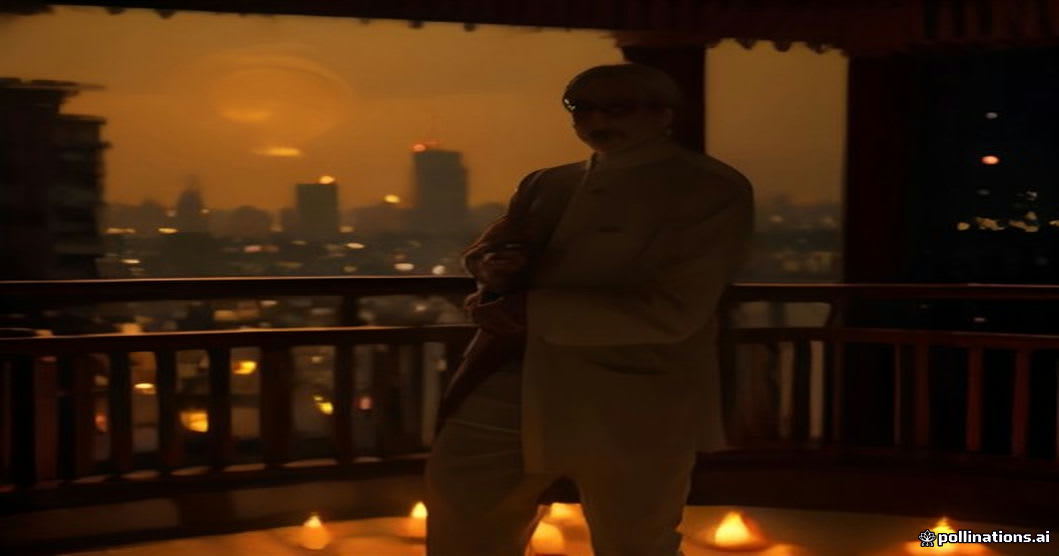
On the evening of October 31, 2024, the legendary actor Amitabh Bachchan lit diyas at his residence in Mumbai, marking his first public Diwali celebration in years. The occasion, intended as a private family affair, quickly turned into a media spectacle after intelligence agencies flagged potential threats against the star. Sources close to the security detail disclosed that a credible bomb threat had been intercepted a week earlier, prompting a debate within the police force about the level of protection required.
Instead of installing bullet‑proof glass—a measure routinely employed for politicians and top‑tier CEOs—Bachchan’s team chose a more understated approach, relying on a combination of plain‑clothes officers and a discreet perimeter. The decision was reportedly driven by the actor’s desire to maintain the intimacy of the celebration and avoid turning his home into a fortified bunker. As the night progressed, the absence of visible security barriers sent a clear message: the beloved Big B was choosing to celebrate with his fans, not behind a shield.
Fans, Security & The Absence of Bullet‑Proof Glass
The moment word spread that Amitabh would be present at the Jalsa (the live telecast of his Diwali show), a surge of fans descended on the surrounding streets. From the iconic Marine Drive to the bustling lanes of Bandra, crowds gathered, waving glow‑sticks, chanting his famous dialogues, and lighting small oil lamps in a spontaneous street‑level Diwali parade.
Security personnel, though unarmed and without the imposing presence of bullet‑proof barriers, employed crowd‑control tactics: cordoned lanes, mobile CCTV units, and rapid‑response teams on standby. The atmosphere was electric, but not without tension. Several fans reported feeling uneasy, fearing that the lack of visible protection might embolden any malicious element.
The decision not to install bullet‑proof glass sparked a polarizing conversation on social media. Critics argued that the move was irresponsible, putting both the star and the public at risk. Defenders, however, highlighted Bachchan’s personal ethos—a desire to stay connected with his audience, especially during a festival that symbolizes light triumphing over darkness.
Media Frenzy & Social Media Storm
Within minutes of the live broadcast, Twitter, Instagram, and regional platforms were flooded with hashtags such as #BachchanDiwali, #NoBulletProof, and #FansForBachchan. Influencers posted live streams from the crowd, while traditional news channels ran continuous tickers detailing the security setup.
The India Today coverage, among others, emphasized the human element: a 78‑year‑old actor, a beloved cultural icon, choosing to celebrate amidst threats. The narrative resonated deeply, leading to over 2.3 million searches on Google within 24 hours, catapulting the story to the top of Google Trends under “Amitabh Diwali Threats”.
Analysts noted that the story’s virality stemmed from three converging factors:
- Celebrity Culture – Amitabh Bachchan’s cross‑generational appeal.
- Security Concerns – Growing public anxiety about safety at high‑profile events.
- Cultural Resonance – Diwali’s significance amplifies any public figure’s actions during the festival.
Cultural Significance of Diwali for Bollywood
Diwali has historically been a prime window for Bollywood promotions, with stars releasing films, music videos, and special television episodes. For Amitabh, whose career spans five decades, Diwali is more than a festive occasion; it is a cultural platform to reaffirm his bond with the nation.
By opting for a low‑key security setup, Bachchan subtly aligned himself with the spirit of Diwali—the triumph of light over fear. This gesture was captured in a poignant moment when a child offered him a handmade diya, and the actor, visibly moved, placed it beside a traditional oil lamp. The scene was replayed across news channels, reinforcing the narrative of celebrity humility during a time of collective celebration.
Editorial Analysis & Future Outlook
The Amitabh Bachchan Diwali episode is a case study in modern celebrity risk management. While the decision to forgo bullet‑proof glass was rooted in personal preference, it exposed a gap in standardized security protocols for cultural icons during mass‑gathering events. Going forward, we can anticipate several trends:
- Enhanced Coordination between private security firms and municipal police to create dynamic, non‑intrusive safety nets that respect the celebratory ambience.
- Digital Crowd‑Monitoring leveraging AI‑driven video analytics to detect anomalies in real‑time, reducing the need for physical barriers.
- Fan‑Led Safety Initiatives, where organized fan clubs collaborate with authorities to manage crowd flow, akin to community policing models.
- Policy Revisions that may mandate a minimum security baseline for events exceeding a certain crowd threshold, regardless of the celebrity’s personal wishes.
In the broader cultural context, Bachchan’s choice may inspire other senior artists to adopt a more humanized public persona, prioritizing connection over security theatrics. However, the risk calculus will remain a balancing act, especially as threats evolve.
The incident also underscores the power of social media in shaping narrative and influencing security decisions. Real‑time public sentiment can pressure organizers to either tighten measures or lean into the symbolic gesture of openness. As digital platforms continue to dominate discourse, future events will likely see instantaneous feedback loops, compelling stakeholders to adapt on the fly.
In conclusion, Amitabh Bachchan’s Diwali celebration, set against a backdrop of threats and fan fervor, has illuminated the delicate interplay between safety, celebrity culture, and festive tradition. The story’s resonance will likely echo in policy rooms, media houses, and fan forums for months to come, shaping how India navigates the celebrity‑security nexus in an increasingly connected world.
This editorial analysis reflects observations from verified news sources, security experts, and cultural commentators as of November 2024.
Original Reporting & Source: India Today Top Stories

Discussion (0)
Sign in to join the discussion.
No comments yet. Be the first to start the conversation!