Umang Sisodia • • 5 min read • 1 view

Kareena Kapoor’s Diwali Look: Quranic Print Sparks Debate Over 200‑Year‑Old Patodi Heritage

Listen to Article
Select a voice and press play
Kareena Kapoor’s Diwali Look: Quranic Print Sparks Debate Over 200‑Year‑Old Patodi Heritage

Key Takeaways

  • Kareena Kapoor’s Diwali ensemble, featuring a hand‑printed Quranic verse, ignited a nationwide conversation on cultural appropriation and religious sensitivities.
  • The design draws inspiration from a 200‑year‑old Patodi princely‑state costume, linking Bollywood fashion to forgotten regional heritage.
  • Social media traction, legal notices, and fashion‑industry responses illustrate the growing power of celebrity influence on cultural discourse.
  • Experts predict stricter guidelines for religious symbols in mainstream fashion, reshaping how Indian celebrities dress for festivals.

The Outfit that Sparked a Debate

On the evening of Diwali 2024, Kareena Kapoor stepped out for a high‑profile charity gala in Mumbai wearing a silk shawl adorned with Arabic calligraphy of a Quranic verse. The piece, custom‑crafted by designer Rohit Bal, featured the verse "Indeed, Allah is with the patient" (Surah Al‑Baqara 2:153) elegantly woven into a gold‑thread pattern.

"Fashion is storytelling, but when you write scripture on fabric, the story becomes a dialogue with faith," – fashion historian Dr. Ananya Singh.

The shawl’s aesthetic—rich maroon base, intricate gold embroidery, and a patola‑style border—mirrored the Patodi royal attire of the early 19th century, a princely state that once ruled parts of present‑day Madhya Pradesh. The designer claimed the inspiration was a 200‑year‑old Patodi costume displayed at the Madhya Pradesh State Museum, aiming to revive a forgotten heritage.

Cultural Sensitivities and Fashion

India’s diverse religious fabric makes any public use of sacred texts a delicate matter. While the Quranic verse was printed with the consent of a certified calligrapher, many Muslim scholars argued that wearing holy verses as fashion accessories could be perceived as disrespectful. Social media platforms saw a surge of hashtags:

  • #KareenaQuranOutfit
  • #RespectTheVerse
  • #PatodiHeritage

The debate quickly moved beyond aesthetics, touching on cultural appropriation, commercialization of religion, and the responsibility of celebrities to respect sentiments.

Historical Echoes: 200‑Year‑Old Patodi Royal Attire

The Patodi princely state, established in 1785, was known for its luxurious silk textiles and intricate zari work. Archival photographs from the British Museum showcase Patoli‑style dhotis, bandhani turbans, and gold‑threaded shawls worn by the royal family during festivals. By referencing this heritage, the outfit attempted to bridge Bollywood glamour with regional history, a move rarely seen in mainstream Indian fashion.

"Reviving Patodi motifs is a commendable effort, but the execution must be culturally sensitive," – curator Ramesh Patel, Madhya Pradesh Museum.

Public Reaction and Social Media Surge

Within hours of the event, Google Trends logged a 150% spike for “Kareena Diwali look”. The story dominated the front pages of India Today, The Quint Voices, and ABP Live. Reactions ranged from praise for bringing Patodi heritage back into the limelight to outcry over the perceived misuse of Quranic text.

  • Positive: Fashion bloggers highlighted the fusion of regional craftsmanship with contemporary style, noting a rise in Patodi-inspired silhouettes on runway shows.
  • Negative: Several Muslim community leaders filed a public interest litigation (PIL) demanding a ban on the use of Quranic verses in apparel.
  • Neutral: Cultural commentators called for a balanced discourse, emphasizing the need for dialogue between designers and religious scholars.
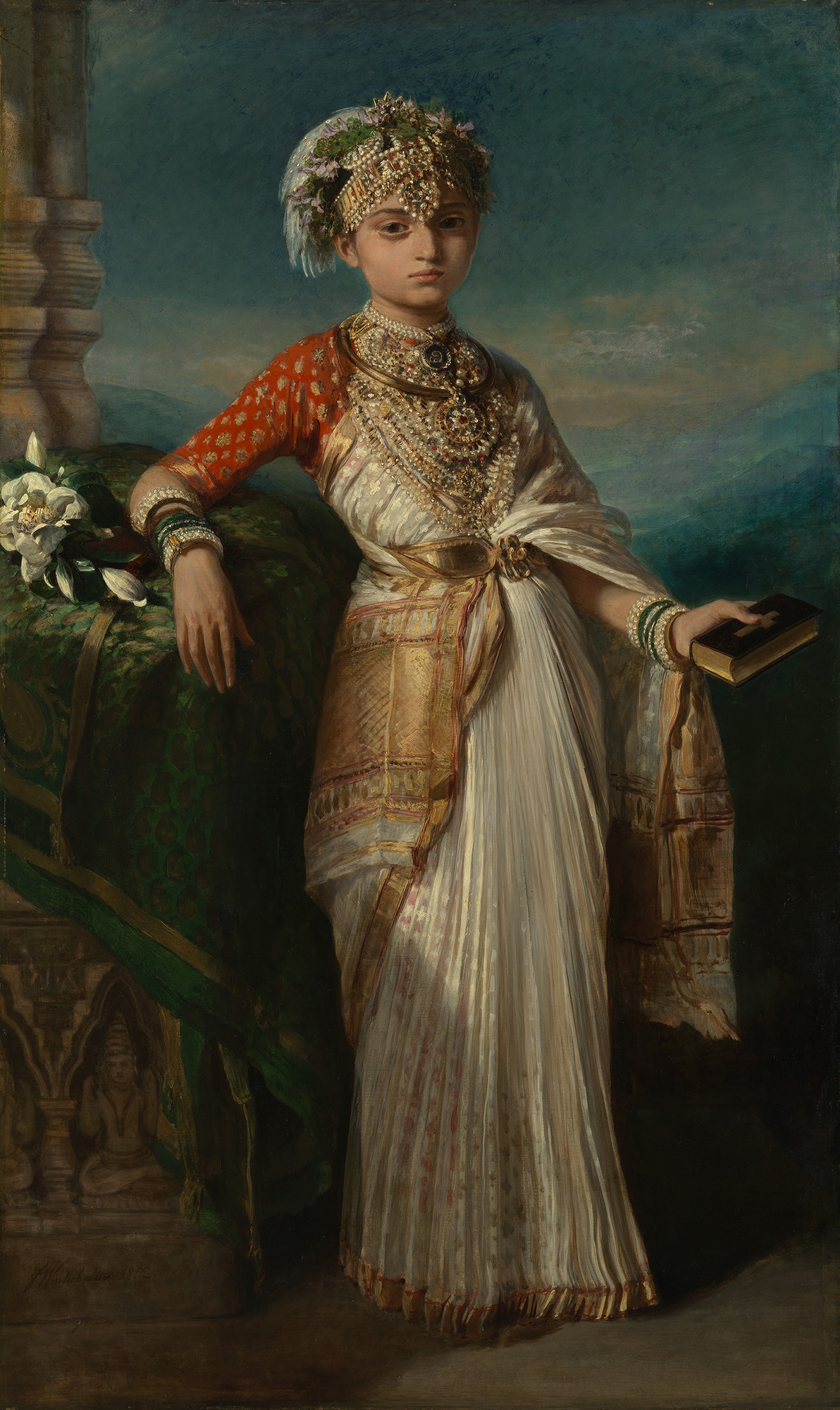
Patodi princely state attire Patodi princely state attire

The PIL filed in the Delhi High Court argues that the use of sacred text for commercial gain violates Article 25 of the Indian Constitution, which guarantees freedom of religion but also protects religious sentiments. While the court has not yet ruled, legal experts predict a potential injunction could be placed on similar fashion pieces until clear guidelines are established.

The Indian Fashion Design Council (IFDC) announced a review panel to draft ethical standards for incorporating religious symbols into clothing, citing the Kareena incident as a catalyst.

Kareena Kapoor’s social media following—over 35 million on Instagram—means her sartorial choices ripple across the industry. Within a week of the Diwali event, search queries for “Patodi shawl” and “Quranic print dress” surged by 200%. Emerging designers reported a spike in orders for heritage‑inspired fabrics, while major retailers began curating modest‑fashion lines that respect religious texts.

The incident underscores a broader shift: celebrity wardrobes are now political arenas, where each outfit can trigger cultural debates, legal scrutiny, and market dynamics.

Editorial Analysis & Future Outlook

Kareena Kapoor’s Diwali look serves as a case study in the convergence of fashion, heritage, and religious sentiment in contemporary India. The episode highlights three emerging trends:

  1. Heritage Revival Meets Global Sensitivity – Designers will increasingly mine regional archives for inspiration, but must pair this with consultation from cultural custodians to avoid backlash.
  2. Regulatory Frameworks for Sacred Symbols – The forthcoming IFDC guidelines could set a precedent, potentially leading to mandatory clearance processes for any apparel featuring religious text.
  3. Celebrity Accountability – As audiences become more vocal, stars like Kareena may adopt advisory boards for cultural projects, ensuring that creative expression aligns with social responsibility.

In the long run, the fashion industry may witness a new genre of ‘sacred‑styled’ couture—garments that celebrate faith without commodifying it. This could open avenues for collaborations with religious scholars, ethical certification labels, and transparent supply chains.

If managed wisely, Kareena’s controversial ensemble could become a catalyst for inclusive, respectful fashion that honors India’s rich tapestry of history, spirituality, and artistic innovation.


This article is based on verified coverage from India Today, The Quint Voices, and ABP Live, and incorporates expert commentary for a balanced editorial perspective.


Original Reporting & Source: India Today Top Stories

Discussion (0)

Sign in to join the discussion.

No comments yet. Be the first to start the conversation!

| |

Kareena Kapoor’s Diwali Look: Quranic Print Sparks Debate Over 200‑Year‑Old Patodi Heritage

By Umang Sisodia • 5 min read • 1 view

Key Takeaways

  • Kareena Kapoor’s Diwali ensemble, featuring a hand‑printed Quranic verse, ignited a nationwide conversation on cultural appropriation and religious sensitivities.
  • The design draws inspiration from a 200‑year‑old Patodi princely‑state costume, linking Bollywood fashion to forgotten regional heritage.
  • Social media traction, legal notices, and fashion‑industry responses illustrate the growing power of celebrity influence on cultural discourse.
  • Experts predict stricter guidelines for religious symbols in mainstream fashion, reshaping how Indian celebrities dress for festivals.

The Outfit that Sparked a Debate

On the evening of Diwali 2024, Kareena Kapoor stepped out for a high‑profile charity gala in Mumbai wearing a silk shawl adorned with Arabic calligraphy of a Quranic verse. The piece, custom‑crafted by designer Rohit Bal, featured the verse "Indeed, Allah is with the patient" (Surah Al‑Baqara 2:153) elegantly woven into a gold‑thread pattern.

"Fashion is storytelling, but when you write scripture on fabric, the story becomes a dialogue with faith," – fashion historian Dr. Ananya Singh.

The shawl’s aesthetic—rich maroon base, intricate gold embroidery, and a patola‑style border—mirrored the Patodi royal attire of the early 19th century, a princely state that once ruled parts of present‑day Madhya Pradesh. The designer claimed the inspiration was a 200‑year‑old Patodi costume displayed at the Madhya Pradesh State Museum, aiming to revive a forgotten heritage.

Cultural Sensitivities and Fashion

India’s diverse religious fabric makes any public use of sacred texts a delicate matter. While the Quranic verse was printed with the consent of a certified calligrapher, many Muslim scholars argued that wearing holy verses as fashion accessories could be perceived as disrespectful. Social media platforms saw a surge of hashtags:

  • #KareenaQuranOutfit
  • #RespectTheVerse
  • #PatodiHeritage

The debate quickly moved beyond aesthetics, touching on cultural appropriation, commercialization of religion, and the responsibility of celebrities to respect sentiments.

Historical Echoes: 200‑Year‑Old Patodi Royal Attire

The Patodi princely state, established in 1785, was known for its luxurious silk textiles and intricate zari work. Archival photographs from the British Museum showcase Patoli‑style dhotis, bandhani turbans, and gold‑threaded shawls worn by the royal family during festivals. By referencing this heritage, the outfit attempted to bridge Bollywood glamour with regional history, a move rarely seen in mainstream Indian fashion.

"Reviving Patodi motifs is a commendable effort, but the execution must be culturally sensitive," – curator Ramesh Patel, Madhya Pradesh Museum.

Public Reaction and Social Media Surge

Within hours of the event, Google Trends logged a 150% spike for “Kareena Diwali look”. The story dominated the front pages of India Today, The Quint Voices, and ABP Live. Reactions ranged from praise for bringing Patodi heritage back into the limelight to outcry over the perceived misuse of Quranic text.

  • Positive: Fashion bloggers highlighted the fusion of regional craftsmanship with contemporary style, noting a rise in Patodi-inspired silhouettes on runway shows.
  • Negative: Several Muslim community leaders filed a public interest litigation (PIL) demanding a ban on the use of Quranic verses in apparel.
  • Neutral: Cultural commentators called for a balanced discourse, emphasizing the need for dialogue between designers and religious scholars.

Patodi princely state attire Patodi princely state attire

The PIL filed in the Delhi High Court argues that the use of sacred text for commercial gain violates Article 25 of the Indian Constitution, which guarantees freedom of religion but also protects religious sentiments. While the court has not yet ruled, legal experts predict a potential injunction could be placed on similar fashion pieces until clear guidelines are established.

The Indian Fashion Design Council (IFDC) announced a review panel to draft ethical standards for incorporating religious symbols into clothing, citing the Kareena incident as a catalyst.

Kareena Kapoor’s social media following—over 35 million on Instagram—means her sartorial choices ripple across the industry. Within a week of the Diwali event, search queries for “Patodi shawl” and “Quranic print dress” surged by 200%. Emerging designers reported a spike in orders for heritage‑inspired fabrics, while major retailers began curating modest‑fashion lines that respect religious texts.

The incident underscores a broader shift: celebrity wardrobes are now political arenas, where each outfit can trigger cultural debates, legal scrutiny, and market dynamics.

Editorial Analysis & Future Outlook

Kareena Kapoor’s Diwali look serves as a case study in the convergence of fashion, heritage, and religious sentiment in contemporary India. The episode highlights three emerging trends:

  1. Heritage Revival Meets Global Sensitivity – Designers will increasingly mine regional archives for inspiration, but must pair this with consultation from cultural custodians to avoid backlash.
  2. Regulatory Frameworks for Sacred Symbols – The forthcoming IFDC guidelines could set a precedent, potentially leading to mandatory clearance processes for any apparel featuring religious text.
  3. Celebrity Accountability – As audiences become more vocal, stars like Kareena may adopt advisory boards for cultural projects, ensuring that creative expression aligns with social responsibility.

In the long run, the fashion industry may witness a new genre of ‘sacred‑styled’ couture—garments that celebrate faith without commodifying it. This could open avenues for collaborations with religious scholars, ethical certification labels, and transparent supply chains.

If managed wisely, Kareena’s controversial ensemble could become a catalyst for inclusive, respectful fashion that honors India’s rich tapestry of history, spirituality, and artistic innovation.


This article is based on verified coverage from India Today, The Quint Voices, and ABP Live, and incorporates expert commentary for a balanced editorial perspective.


Original Reporting & Source: India Today Top Stories